The Kia Stinger turned heads when it hit the market in 2017. With its sporty looks, strong engines, and rear-wheel drive layout, it gave car fans a real alternative to German sedans—at a much friendlier price. But while the Stinger has many fans, not every year has been perfect. Some models have more problems than others, and if you’re thinking about buying one, knowing which Kia Stinger years to avoid can save you a lot of headaches and money down the road.
If you’re looking for a used Stinger, this guide will walk you through the model’s history, highlight problem years, and give you the facts you need to make a smart choice. You’ll also find data tables, real examples, and answers to the most common questions buyers ask.
Whether you’re a car enthusiast or just want a reliable, fast daily driver, this article will help you avoid costly mistakes.
Kia Stinger: What Makes It Special?
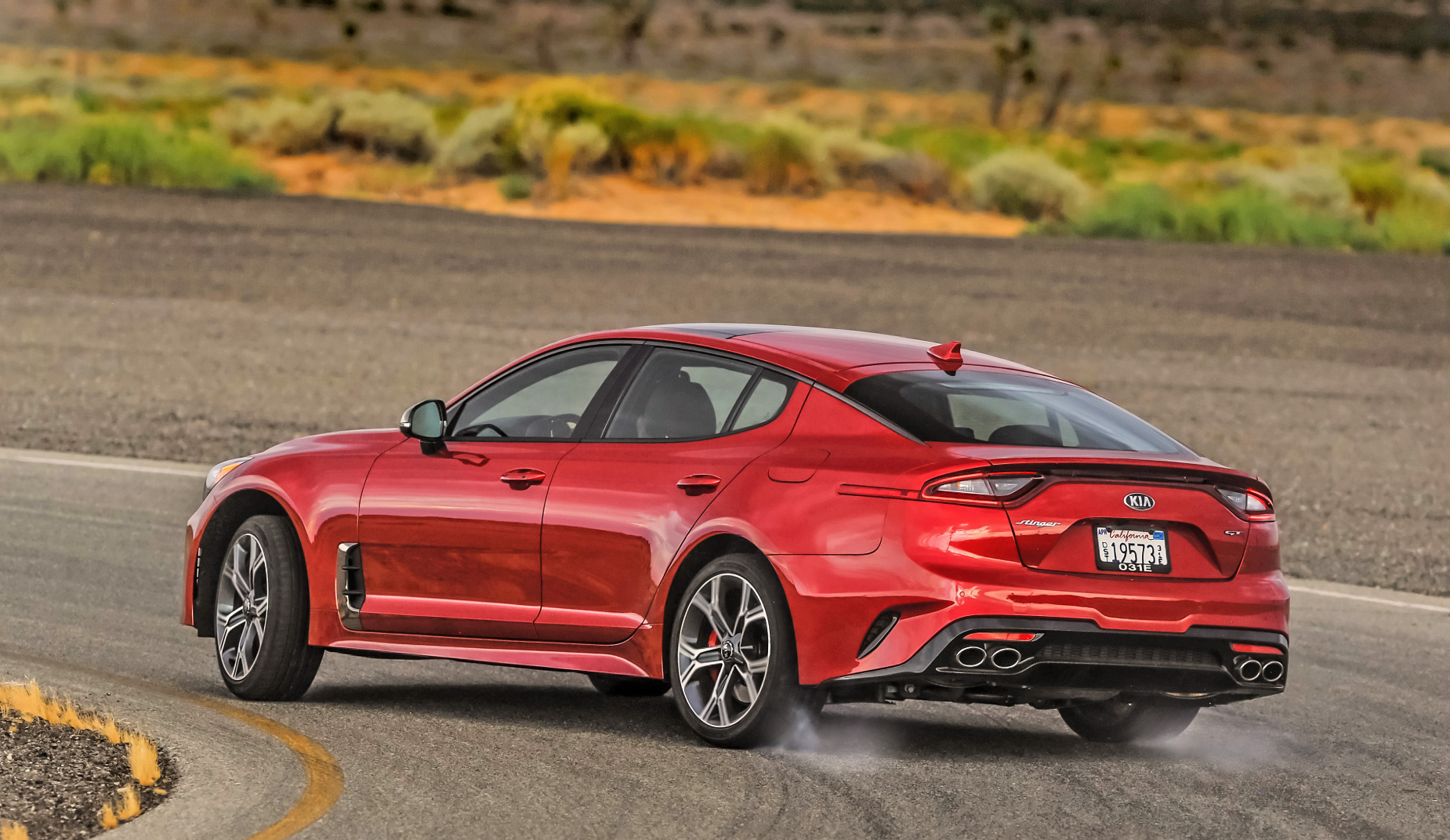
The Kia Stinger is not your average Kia. Designed in Germany and tested on the Nürburgring, it combines sporty performance with comfort and style. The Stinger comes with a choice of engines, from a turbocharged four-cylinder to a powerful twin-turbo V6. Rear-wheel drive is standard, but all-wheel drive is also available. Inside, the Stinger feels premium, with features like leather seats, a large touchscreen, and advanced safety tech.
But no car is perfect. As with any model, some years are more reliable than others. Understanding the Stinger’s strengths and weaknesses—and how they changed over time—is the key to getting the best value.
Kia Stinger Model Years: Quick Overview
Before diving into problem years, it helps to see how the Stinger lineup has changed since its debut. Here’s a summary of the key years and updates.
| Model Year | Engine Options | Major Updates | Key Issues |
|---|---|---|---|
| 2018 | 2.0L Turbo I4, 3.3L Twin-Turbo V6 | Stinger debut | Engine reliability, fuel leaks, electrical issues |
| 2019 | Same as 2018 | Minor tech and safety updates | Engine problems, fuel line recall |
| 2020 | Same as 2019 | More standard features | Fewer engine problems, some brake issues |
| 2021 | 2.5L Turbo I4 replaces 2.0L, 3.3L V6 remains | Mid-cycle refresh, exterior/interior updates | Minor electrical, improved reliability |
| 2022-2023 | Same as 2021 | More standard safety features | Low reported issues |
Years To Avoid: The Most Problematic Kia Stinger Models
Not all Stingers are equal when it comes to reliability. Based on owner reports, recall data, and independent reviews, a few years stand out as models you should think twice about.
2018 Kia Stinger
The 2018 Stinger was the first year for the model, and it shows. While many owners love the car, this year also had the highest number of complaints and recalls. Common problems include:
- Engine failure: Some owners reported sudden engine failure, often at low mileage. This is costly and sometimes required full engine replacement.
- Fuel leaks: There were recalls for fuel line leaks, which could increase the risk of fire.
- Electrical system issues: Malfunctions with the display screen, sensors, and warning lights were more common in this year.
The 2018 model has the most complaints on sites like CarComplaints and the National Highway Traffic Safety Administration (NHTSA). Many of these issues were improved in later years, but 2018 owners faced more out-of-pocket repairs.
Real Owner Experience
A 2018 Stinger GT owner shared that their car developed a fuel smell in the cabin after just 8,000 miles. A dealership found a fuel line issue—covered by a recall, but the owner lost time and confidence in the car.
Cases like this were not rare for the 2018 model.
2019 Kia Stinger
The 2019 Stinger fixed some issues from the debut year, but not all. The most common problems were:
- Engine problems: While fewer than 2018, some owners still faced engine stalling or rough running.
- Fuel line recall: Kia issued another recall for the high-pressure fuel pipe, which could leak and cause a fire risk.
- Brake issues: A few owners reported premature brake wear or pulsing brakes, but this was less common than engine problems.
While the 2019 is better than 2018, it’s still riskier compared to later years. If you’re set on a Stinger, these early models are best avoided unless you find one with full service records and recall work done.
What Makes 2018–2019 Riskier?
Early production years often have more issues as manufacturers work out design and quality problems. The Stinger was a new model for Kia, and the company had less experience with this type of sporty, rear-drive car. Some problems—like the fuel line recall—are serious safety issues.
While Kia fixed many cars under warranty, some owners had to fight to get repairs covered.
Years With Fewer Problems: Safer Kia Stinger Choices
If you want a Kia Stinger with fewer headaches, start your search with the 2020 and newer models. Here’s how they stack up:
2020 Kia Stinger
By 2020, Kia had solved most of the big engine and fuel system issues. The 2020 model is more reliable, with fewer complaints and no major recalls for fire risks. Some minor issues were reported, like:
- Brake noise: A few owners noticed squeaking or groaning brakes.
- Infotainment glitches: Rare freezing or slow response, usually fixed by software updates.
These problems are minor compared to earlier years and rarely lead to costly repairs.
2021–2023 Kia Stinger
The 2021 Stinger got a refresh, including a new 2.5L turbo engine and improved interior tech. Reliability ratings went up, and reported problems dropped. Most issues are minor:
- Electrical bugs: Occasional sensor or warning light errors, often fixed under warranty.
- Paint chips: Some owners reported chips on the hood after a few months, but this is common for many sporty cars.
For 2022 and 2023, the Stinger added more standard safety features and further improved build quality. These are the best years if you want a used Stinger with the fewest worries.
Most Common Kia Stinger Problems By Year
To help you see the risk, here’s a data table comparing the top complaints for each major Stinger year.
| Model Year | Top Complaint | Recalls | Estimated Repair Cost |
|---|---|---|---|
| 2018 | Engine failure | 6 | $5,000+ (engine replacement) |
| 2019 | Fuel leaks | 4 | $0 (recall), $1,500+ if not covered |
| 2020 | Brake noise | 1 | $200–$600 |
| 2021 | Electrical bugs | 0 | $100–$300 |
| 2022–2023 | Paint chips | 0 | $100–$500 (touch-up) |
What Causes The Most Problems In Bad Stinger Years?
Many early Stinger issues come down to engine and fuel system design. In 2018 and 2019, Kia used a specific high-pressure fuel line that later needed recalls. The engines (especially the 3.3L V6) are powerful, but some had quality control problems—leading to failures at low mileage. Electrical and infotainment bugs were also common in early years, but these were less likely to strand you or create safety risks.
One non-obvious insight: Aggressive driving can worsen early Stinger issues. Many buyers chose the car for performance, and hard use can stress engines and brakes more than normal. If you’re shopping for a used Stinger, check if the previous owner tracked the car or modified it, as this increases risk.
Another overlooked point: Software updates can fix many electrical bugs. Kia released several updates for the infotainment and safety systems. If buying a used Stinger, ask if all software updates were done.

Credit: www.reddit.com
How To Check If A Used Kia Stinger Is Reliable
Not every 2018 or 2019 Stinger will have problems. Some owners report years of trouble-free driving. But to avoid surprises, use these steps before buying:
- Check the VIN for recalls. Use the NHTSA website to see if all recall work is complete.
- Ask for service records. A well-maintained Stinger is less risky, especially if the engine and fuel system have been checked by a dealer.
- Inspect the car in person. Look for leaks under the hood, check for warning lights on the dash, and test all electronics.
- Get a pre-purchase inspection. An independent mechanic can spot hidden issues before you buy.
Even the best Stinger can develop problems if poorly maintained. Always check for oil changes, brake work, and any signs of abuse.
Kia Stinger Maintenance Costs And Ownership Experience
One reason the Stinger is popular: it offers performance at a reasonable price. But how much does it cost to keep a Stinger running, especially if you avoid the worst years?
Average Maintenance Costs
- 2018–2019 Stinger: $700–$1,200 per year (higher risk of major repairs)
- 2020–2023 Stinger: $500–$900 per year (fewer major issues)
Repairs on the 3. 3L V6 can be expensive if something goes wrong, especially out of warranty. Common parts like brakes, tires, and oil changes are similar to other sporty sedans.
Real-world Reliability Ratings
According to J. D. Power and Consumer Reports, Stinger reliability improved each year. The 2020 and newer models often score 80–85 out of 100, while 2018–2019 models are usually below 75.
Kia Stinger Safety Recalls: What You Must Know
Serious recalls can make a car unsafe until fixed. The most important Stinger recalls involve the fuel system and fire risk.
- 2018–2019 Stinger: Multiple recalls for fuel leaks, risk of fire, and engine stalling.
- 2020 and newer: Mostly minor recalls, such as small electrical or sensor issues.
Always check recall status before buying. Dealerships fix recalls for free, but not every owner completes them.
Comparison: Kia Stinger Vs. Similar Sports Sedans
It’s helpful to see how the Stinger’s reliability and costs compare with other sporty sedans. Here’s a side-by-side look at a few key rivals.
| Car Model | Estimated 5-Year Repair Costs | Common Issues | Reliability Rating (J.D. Power) |
|---|---|---|---|
| Kia Stinger (2020–2023) | $3,000–$4,500 | Minor electrical, brake wear | 82/100 |
| BMW 3 Series | $4,500–$6,000 | Engine sensors, coolant leaks | 81/100 |
| Genesis G70 | $3,200–$4,800 | Infotainment bugs, minor engine issues | 83/100 |
| Audi A4 | $4,800–$6,500 | Electrical, oil leaks | 80/100 |
The Stinger offers strong value and competitive reliability when you pick the right year.

Credit: www.reddit.com
Practical Tips For Buying A Used Kia Stinger
If you’re set on a Kia Stinger but want to avoid trouble, these steps can help:
- Choose 2020 or newer models. These have fewer engine and fuel system problems.
- Check recall history. Make sure all recall work is complete, especially for 2018–2019 models.
- Inspect for modifications. Avoid cars with aftermarket tuning, as this can hide issues or void warranties.
- Ask about warranty transfers. Some original warranties may still be active, but check what’s covered.
- Consider certified pre-owned (CPO). CPO Stingers get extra inspections and warranty, lowering your risk.
An extra tip: Test drive on different roads. Listen for unusual noises, check the brakes, and use all the tech features. Early signs of problems often show up this way.
Non-obvious Insights Most Buyers Miss
Even experienced buyers sometimes overlook these points:
- Check Kia’s software update history. Some 2018–2020 Stingers had issues fixed by dealer software updates. Ask for records.
- Paint care matters. Stinger paint is prone to chips, especially on the hood. Use a clear film or ceramic coating if you drive on highways often.
- Insurance costs can be high. The Stinger’s sporty image makes insurance more expensive than for regular sedans. Get quotes before you buy.
The Bottom Line: Which Kia Stinger Years To Avoid?
For most buyers, the answer is clear:
- Avoid 2018 and 2019 Stinger models—especially if you don’t have full maintenance and recall records.
- Choose 2020 or newer for the best mix of performance, reliability, and lower long-term costs.
The Stinger is a special car, but the early years had growing pains. Later models fixed most issues and offer a better ownership experience.
Frequently Asked Questions
What Is The Worst Year For The Kia Stinger?
The 2018 Kia Stinger is widely considered the worst year due to engine failures, fuel leaks, and multiple recalls. Many owners faced expensive repairs, and it has the most complaints on record.
Are All Kia Stinger Years Unreliable?
No. Only the 2018 and 2019 models have high rates of problems. The 2020 and newer Stingers are much more reliable, with fewer complaints and no major recalls.
Is The Kia Stinger Expensive To Maintain?
The Stinger costs more to maintain than a regular Kia, but less than many German sports sedans. Expect $500–$1,200 per year depending on the year and engine. Major repairs are rare after 2020.
How Can I Check If A Kia Stinger Has Had Recall Work Done?
Use the car’s VIN number on the NHTSA website or ask a Kia dealer for a history printout. All recall work should be completed before you buy.
What Are Good Alternatives To The Kia Stinger?
If you want a sporty sedan with similar performance, consider the Genesis G70, BMW 3 Series, or Audi A4. The Genesis G70 shares many parts with the Stinger but has slightly better reliability ratings. For more details, see resources like Consumer Reports.
Buying a used Kia Stinger can be a great experience—if you know which years to avoid and what problems to check for. Stick to newer models, verify service records, and you’ll enjoy one of the most exciting sedans on the road without unwanted surprises.
Credit: www.motorbiscuit.com