

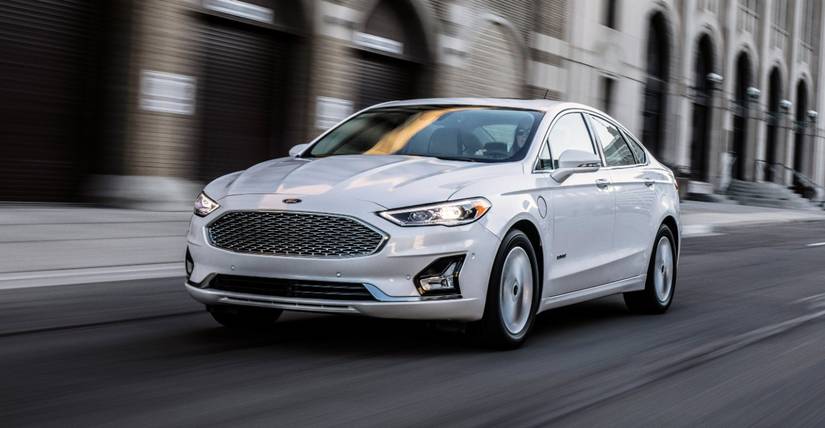
When searching for a used hybrid sedan, the Ford Fusion Hybrid often appears as an attractive option. It combines the comfort of a midsize car with the fuel savings of hybrid technology. But not every year of the Ford Fusion Hybrid is equal. Some model years are highly recommended, while others have problems that can lead to expensive repairs and disappointment. Knowing which Ford Fusion Hybrid years to avoid can save you money, stress, and time.
Many drivers are drawn to the Fusion Hybrid for its smooth ride, roomy cabin, and strong safety ratings. However, like many vehicles, the Fusion Hybrid has had its ups and downs over its production run from 2010 to 2020. Some years have been praised for reliability, but others have had recurring issues with the engine, transmission, or hybrid system.
If you want to buy a used Fusion Hybrid, this guide will help you understand which years to avoid, why they are problematic, and how to make a smart choice.
Quick Overview Of The Ford Fusion Hybrid
The Ford Fusion Hybrid was first introduced in 2010 and quickly gained popularity in the US market. Ford designed it to compete with other hybrid sedans like the Toyota Camry Hybrid and Honda Accord Hybrid. The Fusion Hybrid offered a balance between fuel efficiency, modern features, and driving comfort. Over the years, Ford updated the Fusion Hybrid several times, improving some features but also introducing new problems in certain years.
Production of the Fusion Hybrid stopped after the 2020 model year as Ford shifted its focus to SUVs and crossovers. The used market for the Fusion Hybrid is still active, with many options from the last decade available at dealerships and online.
How We Evaluated The Worst Ford Fusion Hybrid Years
Before naming which Fusion Hybrid years to avoid, it is important to explain how these conclusions are reached. This guide is based on:
- Analysis of owner reports from trusted sources such as Consumer Reports, NHTSA (National Highway Traffic Safety Administration), and CarComplaints.com
- Review of recall history and technical service bulletins
- Data from used car marketplaces and repair shops
- Feedback from Ford technicians and hybrid vehicle specialists
This approach looks beyond just one or two complaints. Instead, it highlights years with patterns of costly or dangerous problems, not just small annoyances.
Ford Fusion Hybrid Years To Avoid
While no car is perfect, certain Fusion Hybrid years stand out for the wrong reasons. These are the years most often linked to serious reliability issues, high repair costs, or safety concerns.
1. 2010 Ford Fusion Hybrid
The 2010 Fusion Hybrid was Ford’s first attempt at a hybrid version of the Fusion. While it impressed many with its fuel economy, several problems became clear after launch.
Common Problems
- Electronic Throttle Body Failure: This issue often caused the car to lose power suddenly. Owners would see a “wrench light” on the dashboard and experience reduced acceleration or stalling.
- Power Steering Failure: Sudden loss of power steering assist was reported, sometimes leading to difficult or dangerous driving situations.
- Transmission Issues: Some owners had problems with the hybrid transmission, including jerky shifting and unexpected failures.
- MyFord Touch System Glitches: The early infotainment system was buggy, freezing and restarting often.
Cost Impact
Repairs for the electronic throttle body and power steering could run into thousands of dollars. In many cases, these failures happened outside of warranty.
Why Avoid?
The 2010 model is risky for buyers who want a low-maintenance hybrid. The combination of drivetrain and electronic problems makes it a year to skip.
2. 2013 Ford Fusion Hybrid
Ford redesigned the Fusion Hybrid for 2013. While it looked modern, this year introduced a new set of headaches.
Common Problems
- Electrical System Failures: Many reports mention warning lights, battery drain, and random shutdowns while driving.
- Transmission Problems: Owners complained about shuddering, hesitation, and even complete transmission failure.
- Door Latch Recalls: The 2013 Fusion Hybrid was part of a major recall for faulty door latches that could open while driving.
- Fuel Economy Shortfalls: Real-world MPG was often much lower than Ford’s initial claims.
Cost Impact
Transmission repairs or replacements are expensive, often reaching $3,000–$5,000. Electrical system diagnostics can also be time-consuming and costly.
Why Avoid?
The 2013 Fusion Hybrid’s mix of serious mechanical and electronic issues makes it one of the most problematic years.
3. 2014 Ford Fusion Hybrid
Although Ford fixed some issues from 2013, the 2014 model year carried over many of the same problems.
Common Problems
- Transmission Shuddering: Owners continued to report rough shifting and slipping.
- Electrical Glitches: Problems with the push-button start, battery management, and dashboard warnings were common.
- Hybrid System Failures: Some vehicles experienced sudden loss of hybrid power, requiring expensive repairs.
Cost Impact
Hybrid system repairs can cost $2,000 or more. Combined with ongoing transmission issues, this year is risky for used buyers.
Why Avoid?
The 2014 Fusion Hybrid is not as unreliable as 2013, but the chance of major repairs is still high.
4. 2017 Ford Fusion Hybrid
Many thought the mid-cycle refresh in 2017 would fix earlier problems, but new issues surfaced.
Common Problems
- Infotainment System Freezes: The SYNC 3 system sometimes froze or rebooted, affecting navigation and audio.
- Battery Problems: The 12-volt battery drained quickly, leading to starting issues.
- Interior Quality Issues: Owners found premature wear on seats and trim, not expected in a relatively new car.
Cost Impact
Battery and electrical issues are usually cheaper to fix, but infotainment or hybrid battery replacements can be $1,000–$4,000.
Why Avoid?
While not as severe as earlier years, the 2017 Fusion Hybrid’s blend of tech and quality issues makes it less appealing, especially as a used car out of warranty.
Ford Fusion Hybrid Years Worth Considering
Not every Fusion Hybrid year is a problem. Some years have strong reliability records and satisfied owners.
- 2012: The final year of the first generation, with fewer complaints and improved reliability.
- 2015–2016: Ford addressed many earlier issues, and these years are generally considered dependable.
- 2018–2020: These later models benefit from years of refinements and have the fewest serious complaints.
If you want a used Ford Fusion Hybrid, these years are usually safer bets.
Credit: carbuzz.com
Comparison: Problematic Vs. Reliable Fusion Hybrid Years
To make things clearer, here’s a side-by-side look at the main trouble spots and highlights of different Fusion Hybrid years.
| Model Year | Major Problems | Repair Cost (Avg.) | Reliability |
|---|---|---|---|
| 2010 | Throttle body, power steering, transmission | $1,500–$3,500 | Poor |
| 2013 | Electrical, transmission, door latch | $2,000–$5,000 | Poor |
| 2014 | Transmission, hybrid system, electrical | $1,500–$4,000 | Below Average |
| 2017 | Infotainment, battery, interior | $800–$2,500 | Average |
| 2012 | Minor electrical, brakes | $500–$1,200 | Good |
| 2015–2016 | Few minor issues | $500–$1,500 | Very Good |
| 2018–2020 | Low complaints | $400–$1,000 | Excellent |
Common Problems In Ford Fusion Hybrid: What To Watch Out For
Even in years not on the “avoid” list, the Ford Fusion Hybrid can develop some common issues as it ages. Here are the main problems to look out for:
1. Hybrid Battery Degradation
Over time, the hybrid battery loses capacity. Most batteries last 8–10 years, but a few fail earlier. Replacing the battery can cost $2,000–$4,000.
2. Transmission Issues
Ford’s hybrid transmission is complex. Some units develop rough shifting, hesitation, or failure, especially in the years to avoid.
3. Electrical System Glitches
The Fusion Hybrid relies on several electronic modules. Problems include dashboard warning lights, infotainment reboots, and sensor failures.
4. Brake System Problems
Hybrid braking systems can develop soft pedal feel or regenerative braking failures. Most issues are fixed with software updates, but some need hardware replacement.
5. Interior Electronics And Features
Earlier years had trouble with touchscreens and SYNC systems. Even in later years, some owners report freezing or lag.
Credit: www.copilotsearch.com
Ford Fusion Hybrid Recalls And Safety Issues
Recalls are public notices about defects that could affect safety or emissions. The Fusion Hybrid has had several recalls over the years, some more serious than others.
Notable Recalls
- 2013–2016 Door Latch Recall: Faulty door latches could cause doors to open while driving.
- 2010–2012 Power Steering Recall: Sudden loss of power steering could increase crash risk.
- 2013–2014 Transmission Sensor Recall: Transmission sensors could fail, causing the car to shift into neutral unexpectedly.
How To Check For Recalls
Always check the VIN (Vehicle Identification Number) at the official NHTSA recall lookup before buying. Dealers must fix open recalls for free, but not all owners know about them.
Real-world Owner Experiences
Reading real owner stories is often more helpful than just looking at statistics. Here are some examples:
- 2010 Owner in Texas: “My Fusion Hybrid lost power suddenly on the highway. The wrench light came on. It cost $2,500 to replace the throttle body, and Ford wouldn’t cover it because I was out of warranty.”
- 2013 Owner in California: “The transmission started slipping at 65,000 miles. Dealer wanted $4,000 for a replacement. I traded it in for a different car.”
- 2015 Owner in Florida: “I’ve driven my 2015 Fusion Hybrid for 100,000 miles. Only small problems, like a sticky button. It’s been very reliable.”
How The Fusion Hybrid Compares To Other Hybrids
If you’re open to other options, it helps to see how the Fusion Hybrid compares with its main competitors:
| Model | Best Years | Worst Years | Hybrid Battery Life | Repair Cost (Avg.) |
|---|---|---|---|---|
| Ford Fusion Hybrid | 2012, 2015–2016, 2018–2020 | 2010, 2013–2014, 2017 | 8–10 years | $400–$5,000 |
| Toyota Camry Hybrid | 2014–2020 | 2007–2011 | 10–12 years | $300–$3,500 |
| Honda Accord Hybrid | 2015–2020 | 2014 | 8–10 years | $400–$4,000 |
Insight: The Fusion Hybrid’s reliability is more variable than the Camry Hybrid, which is consistently strong. Ford’s hybrid battery is competitive, but transmission and electrical issues are more common.
How To Buy A Used Ford Fusion Hybrid Safely
If you still want a Fusion Hybrid, here’s how to avoid buying a problem car:
- Avoid the Worst Years: As detailed above, skip 2010, 2013–2014, and 2017 if possible.
- Check for Recalls: Use the NHTSA website to see if all recalls have been addressed.
- Get a Pre-Purchase Inspection: Ask a mechanic familiar with hybrids to check the battery, transmission, and electronic systems.
- Request Service Records: Cars with regular maintenance are less likely to have hidden problems.
- Test Hybrid Features: Drive the car with both electric and gas modes. Check for smooth shifting and listen for odd noises.
- Ask About the Battery Warranty: Some used Fusion Hybrids have battery coverage left, which adds peace of mind.
- Look for Warning Lights: If any dashboard lights are on, have them checked before buying.
Common Buyer Mistakes To Avoid
Even smart buyers sometimes make avoidable errors. Here are mistakes to watch out for:
- Ignoring the Hybrid Battery: Many buyers only check the gas engine and forget about the hybrid battery.
- Skipping the VIN Check: Not checking for open recalls or accident history leads to surprise repairs.
- Trusting the Seller Too Much: Always get a third-party mechanic’s opinion, even if the car looks perfect.
- Assuming All Hybrids Are the Same: Every brand and model year is different. Don’t assume a Fusion Hybrid is as reliable as a Toyota.
Are Ford Fusion Hybrids Expensive To Maintain?
Maintenance costs vary by year and condition. Here’s a summary of typical annual maintenance for a Ford Fusion Hybrid:
- Oil Changes: $50–$100 (hybrids use less oil, so intervals can be longer)
- Brake Service: $150–$400 (regenerative braking means pads last longer)
- Hybrid Battery Service: $0–$200/year (unless replacement is needed)
- Transmission Fluid Change: $120–$200 every 60,000 miles
- General Repairs: $300–$700/year (higher for older or neglected cars)
Fusion Hybrids are cheaper to maintain than many luxury sedans but can be expensive if the battery or transmission fails.
Practical Tips For Owning An Older Fusion Hybrid
If you already own an older Fusion Hybrid or are considering one from the years to avoid, there are ways to reduce the risk:
- Keep Up with Maintenance: Regular oil changes, fluid checks, and battery inspections help prevent many issues.
- Watch for Warning Signs: Pay attention to new noises, vibrations, or warning lights.
- Update Software: Ford released updates for hybrid and infotainment systems that fix some bugs.
- Consider Extended Warranty: For high-mileage cars, a warranty can protect against major repair bills.
- Drive Gently: Hard acceleration and sudden stops can stress hybrid systems and batteries.
One insight many buyers miss: Even if the car drives fine now, hybrid batteries can fail without much warning. Testing battery health at least once a year helps spot problems early.
What Makes A Used Fusion Hybrid A Good Deal?
A good deal is more than just a low price. Here’s what to look for:
- Low Mileage: Under 100,000 miles is best for hybrids.
- Full Service History: Proves the car was cared for.
- Few Owners: Fewer owners usually means better care and less chance of accidents.
- Remaining Warranty: Some late-model Fusion Hybrids may have hybrid component coverage left.
- Clean Title and No Major Accidents: Accident repairs can affect hybrid system reliability.
If you find a Fusion Hybrid that meets these standards and is from one of the reliable years, it can be a smart buy.
Should You Buy A Ford Fusion Hybrid?
The answer depends on your needs. If you want a fuel-efficient midsize sedan and are open to hybrids, the Fusion Hybrid is worth considering—if you avoid the problematic years. Later models (2015–2016, 2018–2020) offer better reliability and updated features. If you need a car with the lowest possible risk, the Toyota Camry Hybrid may be a safer bet, but it often costs more.
Frequently Asked Questions
Is The Ford Fusion Hybrid Reliable?
The Ford Fusion Hybrid can be reliable, especially in years like 2012, 2015–2016, and 2018–2020. However, some years (2010, 2013–2014, and 2017) have had serious problems with the hybrid system, transmission, and electronics. Always research the specific year before buying.
How Long Does A Ford Fusion Hybrid Battery Last?
Most Fusion Hybrid batteries last 8–10 years or 100,000–150,000 miles. Some last longer, while a few may fail earlier. Battery replacement costs $2,000–$4,000. Testing battery health before buying a used Fusion Hybrid is a smart move.
What Is The Average Maintenance Cost For A Fusion Hybrid?
Yearly maintenance for a Ford Fusion Hybrid is about $500–$800 if the car is in good shape. Major repairs (like hybrid battery or transmission) can cost much more. Later model years usually have lower maintenance costs.
Are There Any Recalls On The Ford Fusion Hybrid?
Yes, there have been several recalls, especially for the 2010–2014 models. Recalls include door latches, power steering, and transmission sensors. Check for recalls using the VIN at the NHTSA website.
What Is The Best Year For A Used Ford Fusion Hybrid?
The best years for a used Fusion Hybrid are 2015–2016 and 2018–2020. These models have the fewest complaints and the most up-to-date technology. The 2012 model is also a solid choice for older cars.
Choosing the right Ford Fusion Hybrid year can make all the difference. By avoiding the trouble years, doing your research, and getting a good pre-purchase inspection, you can enjoy the fuel savings and comfort of the Fusion Hybrid for years to come.
Credit: rerev.com