

For decades, the Lexus LS has been the symbol of luxury, comfort, and reliability in the world of sedans. As the flagship model for Lexus, the LS has attracted drivers who want top-tier engineering without the frequent headaches seen in some other luxury brands. But even with Lexus’s excellent reputation, not every LS model year is created equal. Some years are known for their near-flawless performance, while others have earned a reputation for costly problems. If you’re thinking about buying a pre-owned Lexus LS, it’s important to know which years to avoid—so you can enjoy the legendary smoothness and dependability without unexpected troubles.
This article gives you a clear, detailed look at the Lexus LS years to avoid, why certain years have more issues, and what you can expect if you buy a model from one of these less-desirable years. Whether you’re a first-time luxury car buyer or a Lexus fan thinking about your next purchase, this guide will help you make a smart, informed choice.
Why Some Lexus Ls Years Are Problematic
It’s easy to assume that all Lexus LS models are equally reliable, but reality is a bit more complex. Over the car’s long history, several factors have influenced reliability and owner satisfaction, including:
- Major redesigns introducing new technology
- Changes in engine or transmission options
- Shifts in manufacturing locations or suppliers
- Updates to infotainment and safety systems
Every new generation brings improvements, but sometimes, these changes create new problems. First-year models after a redesign are especially risky; bugs and teething issues are more likely before Lexus engineers have time to refine the details.
Common Issues Seen In Bad Years
Across the years, some of the most frequent complaints about problematic LS models include:
- Transmission failures or rough shifting
- Engine oil leaks or excessive oil consumption
- Air suspension malfunctions (leading to expensive repairs)
- Electrical problems with navigation, sensors, and infotainment
- Expensive maintenance due to complicated new features
It’s important to remember that while these issues are more common in certain years, not every car will have problems. But your chances of trouble are higher if you pick a model from a year with a bad reputation.
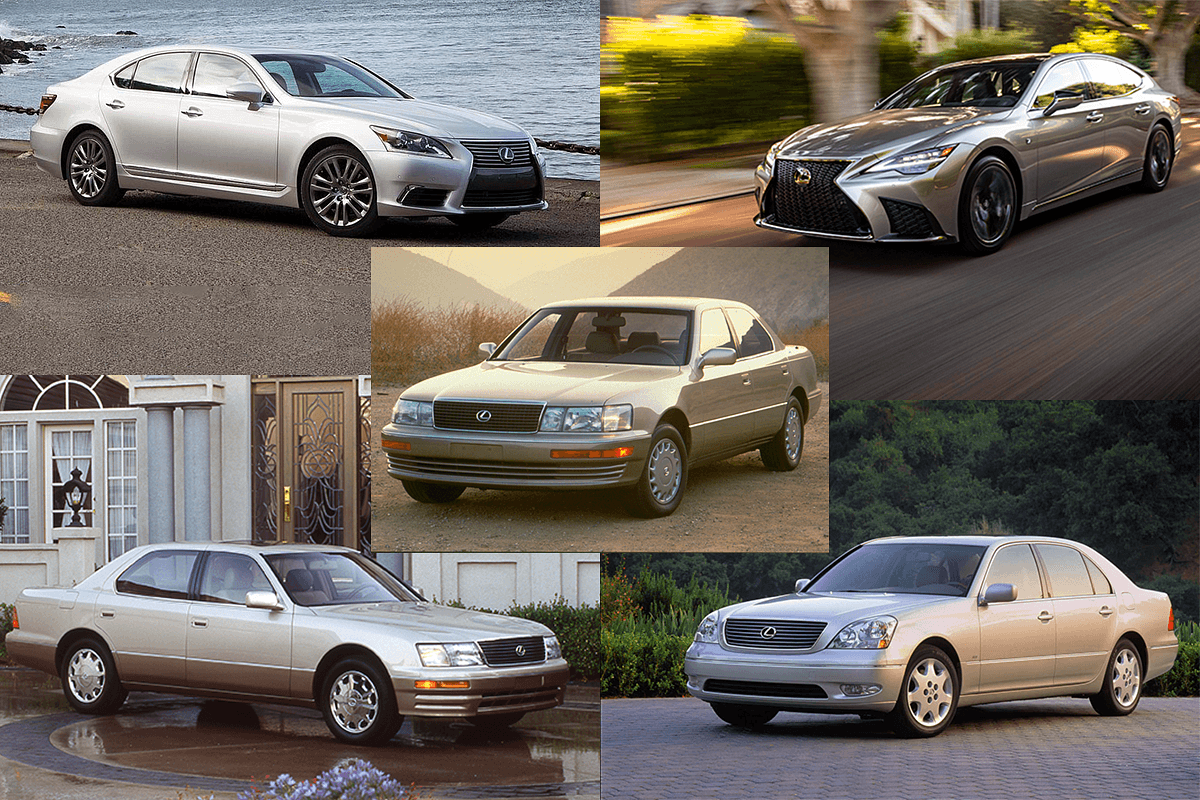
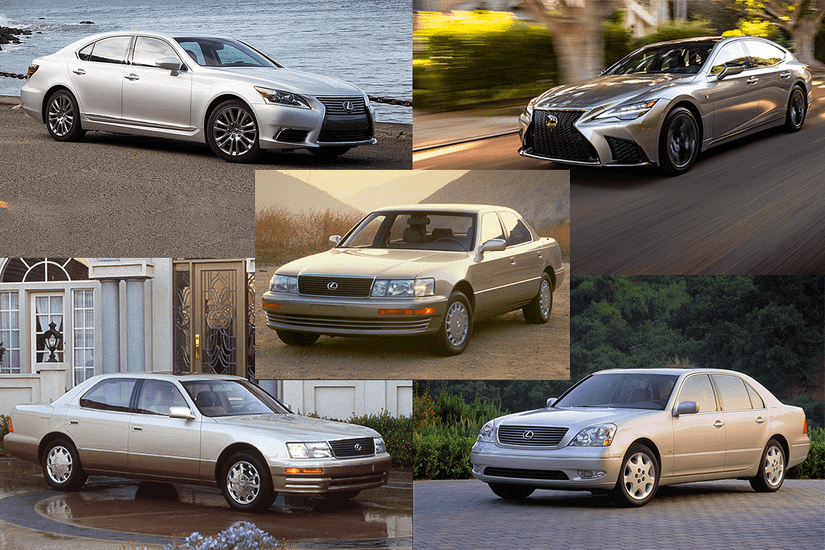
Lexus Ls Generations Overview
Understanding the different generations of the Lexus LS helps to know where the trouble years fall. Here’s a quick look:
| Generation | Model Years | Key Features |
|---|---|---|
| 1st (XF10) | 1990–1994 | Original LS 400, V8 engine, classic styling |
| 2nd (XF20) | 1995–2000 | Refined design, improved performance, more luxury features |
| 3rd (XF30) | 2001–2006 | Modernized look, more technology, optional air suspension |
| 4th (XF40) | 2007–2017 | LS 460/600h, major tech upgrades, new V8 engines |
| 5th (XF50) | 2018–Present | Turbocharged V6, advanced safety, bold design |
Problem years tend to follow big redesigns or the first years after a major update. Let’s look at which years are best to avoid, and why.
Lexus Ls Years To Avoid: A Detailed Breakdown
2007–2008: The Risky Start Of The Fourth Generation
The 2007 Lexus LS 460 launched a new era for the LS, with a fresh look, a powerful new 4.6L V8, and a world-first 8-speed automatic transmission. But these first years of the fourth generation came with serious growing pains.
Key Problems
- Transmission issues: Many owners reported rough shifting, hesitation, or complete transmission failure. The new 8-speed automatic was advanced but not fully refined.
- Valve spring recalls: In 2010, Lexus recalled over 138,000 vehicles, including the 2007–2008 LS, for faulty valve springs that could cause the engine to stall.
- Electronics and infotainment glitches: Early navigation and Mark Levinson audio systems often malfunctioned, with repairs costing thousands of dollars.
- Air suspension troubles: The optional air suspension was prone to leaks or compressor failure, leading to expensive fixes.
Real Owner Experiences
A common complaint from 2007–2008 LS 460 owners involves the car unexpectedly jumping forward or stalling at low speeds—an unnerving and dangerous problem. Some repairs were covered by recall, but not all, and out-of-warranty fixes could cost $3,000 or more.
Should You Buy?
Unless you find a 2007–2008 LS with full service records and proof that all recalls and updates have been done, it’s safer to look for a later model. Even then, be ready for higher repair costs than other LS years.
2013: Transmission And Engine Headaches
The 2013 Lexus LS was the first year after a major facelift of the fourth generation. Lexus added the new “spindle” grille and overhauled the interior and electronics. But this year saw more than its share of technical problems.
Key Problems
- Transmission woes: Reports of hesitation, hard shifting, and poor response were common, especially in the LS 460 F Sport with a sport-tuned 8-speed.
- Engine problems: Some 2013 models suffered from engine knocking, excessive oil consumption, and even engine misfires.
- Infotainment bugs: The new Remote Touch interface had frequent software glitches, and some screens would freeze or go blank.
- Costly repairs: Out-of-warranty fixes for engine or transmission issues could exceed $5,000.
Real Owner Experiences
Drivers often complained about delayed acceleration and a “jerky” ride, especially in city traffic. While Lexus did update the transmission software for some cars, not all issues were fixed.
Should You Buy?
The 2013 LS is best avoided unless you get a great price and full proof of all software updates and maintenance.
2018–2019: First Years Of A New Generation
The fifth-generation LS (2018+) brought a bold new look and a switch to a twin-turbo V6 engine, replacing the trusty V8. While the new model was more efficient and packed with tech, early years suffered several notable issues.
Key Problems
- Turbocharger failures: Some 2018 and 2019 LS 500s developed turbo problems, leading to loss of power and costly repairs.
- Electronic gremlins: Frequent complaints about the infotainment system freezing, safety sensors malfunctioning, and random warning lights.
- Air suspension and ride complaints: The new adaptive air suspension sometimes failed early, with repairs over $4,000.
- Wind and road noise: Many owners noticed the cabin was noisier than previous LS models, reducing the sense of luxury.
Real Owner Experiences
Early fifth-gen LS buyers often felt like “beta testers,” reporting that dealer visits for software updates were frequent. Some drivers also found the new 10-speed automatic transmission to be less smooth than expected for a Lexus.
Should You Buy?
If you want a fifth-gen LS, consider a 2020 or newer model, as many early bugs were fixed by then. Avoid 2018 and 2019 unless you can confirm all updates and repairs have been completed.
Honorable Mention: 2001–2003 (early Third Generation)
Most early 2000s LS models are solid, but the 2001–2003 LS 430 had a few recurring issues worth noting:
- Transmission shudder: Early LS 430s sometimes developed rough or delayed shifting.
- Dashboard cracking: The soft-touch dashboard material often cracked or became sticky in hot climates.
- Suspension wear: Air suspension and bushings wore out faster than expected.
These issues aren’t as severe as in the 2007–2008 models, but they still mean higher repair costs if you get a neglected example.
Quick Reference: Lexus Ls Years To Avoid
Here’s a summary of the main years you should be careful with:
| Model Year | Main Problems | Estimated Repair Costs |
|---|---|---|
| 2001–2003 | Transmission shudder, dashboard, suspension | $1,500–$4,000 |
| 2007–2008 | Transmission, valve springs, electronics, air suspension | $2,000–$6,500 |
| 2013 | Transmission, engine, infotainment bugs | $2,500–$5,500 |
| 2018–2019 | Turbo failure, electronics, air suspension, noise | $2,500–$7,000 |

Credit: www.copilotsearch.com
Why Certain Years Had More Problems
New Technology Risks
Lexus often adds new technology to the LS before using it in other models. This means the LS is a “test bed” for features like advanced transmissions, air suspension, or infotainment systems. While most Lexus innovations are reliable, the earliest versions sometimes have unexpected faults that show up only after thousands of miles.
Supplier And Manufacturing Changes
In some years, Lexus changed suppliers for parts like electronics or suspension components. Even small changes in manufacturing can lead to quality control problems, especially if the new supplier’s parts don’t match Lexus’s usual standards.
Recalls And Service Campaigns
A recall is a sign that a problem was serious enough to require a fix for all affected cars. Years with multiple recalls—like 2007–2008—are best avoided unless all work was completed at a Lexus dealer.
Non-obvious Insight: How “soft Failures” Add Up
Not all problems are dramatic. Some “soft failures” like infotainment bugs, minor oil leaks, or noisy suspension don’t stop the car, but they hurt your daily experience and can make resale harder. Over time, these small issues can add up to big costs and frustration.
What To Look For If Buying A Used Lexus Ls
Suppose you find a used LS from a risky year at a tempting price. Should you walk away? Not always. A well-maintained LS can still be a good buy, but you must be careful.
Essential Checks
- Service Records: Ask for proof of all maintenance and repairs, especially for recalls or known problems.
- Pre-Purchase Inspection: Have a mechanic familiar with Lexus do a detailed inspection. Pay special attention to transmission, air suspension, and electronics.
- Check for Recalls: Use the car’s VIN to see if all recalls have been completed.
- Test All Features: Make sure navigation, audio, climate control, and all electronic systems work properly.
- Listen for Unusual Noises: Suspension clunks, transmission whines, or turbo whistles can signal expensive repairs ahead.
Common Buyer Mistakes
- Ignoring service history: Buying a car without full records is risky—hidden problems can be very costly.
- Skipping the inspection: Even reliable brands can have hidden damage or neglect.
- Overlooking minor issues: Small faults often mean bigger repairs are coming.
Non-obvious Insight: Aftermarket Warranty Value
For LS models from questionable years, an aftermarket extended warranty can be a lifesaver. These plans aren’t cheap, but if you run into a transmission or turbo failure, you could save thousands.
Lexus Ls Years That Are Safe Bets
Not all LS models are risky. In fact, most years are known for exceptional reliability. If you want to avoid headaches, consider these standout years:
- 1995–2000 LS 400: Classic reliability, simple electronics, affordable repairs.
- 2004–2006 LS 430: Late third-gen models with most bugs worked out.
- 2010–2012 LS 460: Updated fourth-gen with improved transmission and fewer electronic issues.
- 2020–Present LS 500: Most early problems fixed, smoother ride, better reliability.
These years are praised for long-term durability and lower repair costs. Many owners report 200,000+ miles with minimal trouble.
Lexus Ls Repair Cost Comparison
How do costs stack up between risky years and safe years?
| Model Year | Average Annual Maintenance | Major Repair Likelihood |
|---|---|---|
| 2007–2008 (Risky) | $1,200–$2,400 | High |
| 2004–2006 (Safe) | $800–$1,200 | Low |
| 2018–2019 (Risky) | $1,500–$3,000 | High |
| 2020–Present (Safe) | $900–$1,400 | Low |
Choosing a safe year saves money and stress over the long run.
Credit: carbuzz.com
How To Avoid Trouble When Shopping For A Used Ls
Even if you know which years to avoid, smart shopping makes a big difference. Here’s how to maximize your chances of getting a great LS:
- Set a clear budget: Include room for inspection, possible repairs, and extended warranty.
- Research specific VINs: Use the VIN to look up accident history, recalls, and service records.
- Prefer one-owner cars: Cars owned by one person are usually better maintained.
- Avoid modified cars: Aftermarket modifications can hide or create problems.
- Choose lower mileage if possible: Less wear usually means fewer surprises.
If you’re not sure, consult a Lexus specialist or check user forums for real-world experiences.
The Value Of Certified Pre-owned (cpo) Lexus Ls Models
Buying a Certified Pre-Owned Lexus LS from a dealer offers extra safety, especially for years with known issues. CPO cars get full inspections, factory-backed warranties, and must meet strict standards. While you’ll pay more, it can be worth it for peace of mind.
Real-world Example: 2007 Ls 460 Vs. 2012 Ls 460
To show how different your experience can be, let’s compare a 2007 LS 460 (risky year) and a 2012 LS 460 (safe year):
- 2007 LS 460: Priced at $10,000 with 120,000 miles, but has a history of transmission repairs and an unresolved air suspension issue. Estimated repair bills over the next 2 years: $5,000+.
- 2012 LS 460: Priced at $16,000 with 90,000 miles, no major repairs, and full dealer service history. Estimated repair bills: $1,500–$2,000 over the next 2 years.
The cheaper car may not be the better deal if you factor in repair costs and hassle.
Should You Avoid Every Early-year Ls?
Not all first-year LS models are bad. Sometimes, Lexus gets it right the first time. But with major redesigns, be extra careful. If you love the look and features of a new generation, consider waiting until the second or third model year, when most bugs have been fixed.
The Bottom Line: Choose Wisely For Long-term Luxury
The Lexus LS is famous for smoothness, comfort, and reliability, but not every year is perfect. Models from 2007–2008, 2013, and 2018–2019 have higher risks due to new technology and unresolved problems. If you want the classic Lexus experience, stick to safer years and do your homework before buying used.
For more detailed owner experiences and repair data, consider checking resources like Consumer Reports.
A smart buyer can enjoy the luxury of the LS for many years—with fewer surprises and more satisfaction.
Frequently Asked Questions
What Is The Most Reliable Lexus Ls Year?
The 2004–2006 LS 430 is widely seen as the most reliable, with minimal issues and affordable repairs. Many owners report reaching 200,000 miles or more with regular maintenance.
Are Lexus Ls Repair Costs Higher Than Other Luxury Cars?
Generally, the Lexus LS is much cheaper to maintain than rivals like the BMW 7 Series or Mercedes S-Class. But for risky years, major repairs (like transmission or air suspension) can still be expensive.
Is It Safe To Buy A High-mileage Lexus Ls?
Yes, but only if the car has a full service history and has been properly maintained. Avoid high-mileage cars from the years with known major problems, as costly repairs become more likely.
How Can I Check If A Used Ls Had All Recalls Completed?
Use the car’s VIN on the official Lexus website or contact a Lexus dealer. They can tell you if all recall work was completed.
Is The Ls 500 Turbo Engine Reliable?
The twin-turbo V6 in the LS 500 is generally reliable after 2020. However, 2018–2019 models had more turbo and electronic issues, so look for later years if you want the best reliability.
Credit: carbuzz.com