

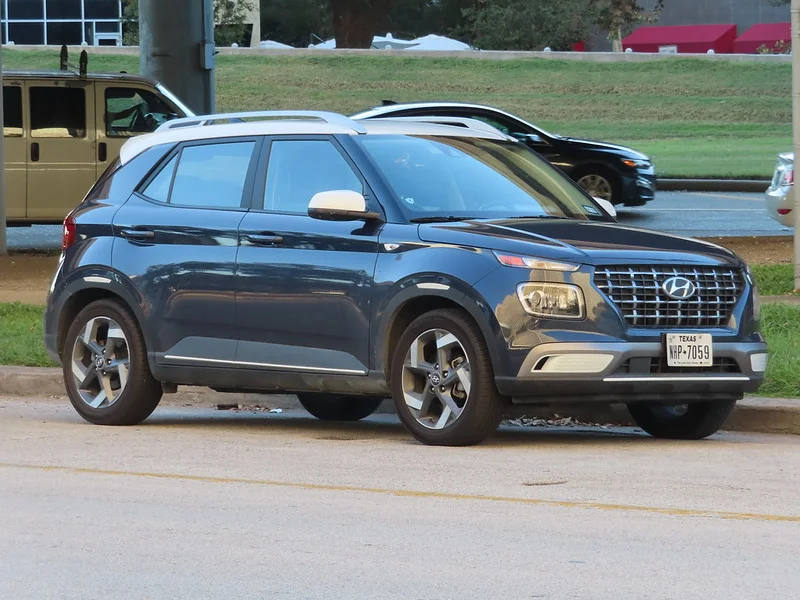
The Hyundai Venue is a compact SUV that quickly gained attention in the US and around the world. It offers a blend of modern design, practical features, and affordable pricing. For many buyers, the Venue is an attractive entry-level vehicle.
However, not every model year is equal. Some years have more issues, less reliability, or fewer features compared to others. If you’re thinking about buying a used Hyundai Venue or just want to know which years to avoid, this guide will help you make a confident decision.
Understanding The Hyundai Venue
The Hyundai Venue debuted in the US in 2019 as a 2020 model. It sits below the Hyundai Kona in size and price. The Venue targets urban drivers with its compact footprint, easy handling, and value-packed options. It’s popular for first-time buyers, students, and city commuters.
The Venue is known for:
- Affordable pricing
- Good fuel efficiency
- User-friendly tech
- Strong warranty
But like any car, it has strengths and weaknesses depending on the year. Some years have recalls, complaints, or missing features. Knowing these details can save you headaches and money, especially when you are buying used.
Another reason the Venue attracts buyers is its practicality for city driving. Its small size means it’s easy to park in tight spots, maneuver in traffic, and handle narrow streets. At the same time, Hyundai includes a surprising amount of technology and safety features for the price, which helps it stand out in a crowded market.
Hyundai Venue Model Years Overview
Let’s look at each US model year and highlight the changes, improvements, and issues.
2020 Hyundai Venue
The 2020 Venue was the first US model year. It was met with excitement, but as with many new launches, there were teething problems.
- Engine: 1.6L four-cylinder, 121 hp
- Transmission: 6-speed manual or CVT (automatic)
- Trim levels: SE, SEL, Denim
Key features included Apple CarPlay, Android Auto, and safety tech like forward collision warning and lane-keep assist.
The 2020 Venue brought Hyundai’s modern design language to the subcompact SUV class. One unique option was the Denim trim, which offered a blue-and-white color scheme and denim-style seat fabric. This trim was designed to appeal to younger buyers who wanted something different from the usual black or gray interiors.
2021 Hyundai Venue
The 2021 Venue saw minor updates. Hyundai dropped the manual transmission, offering only the CVT.
- New features: Rear occupant alert, wireless Apple CarPlay/Android Auto (on SE and SEL trims)
- Engine and transmission: Unchanged
This year, Hyundai responded to feedback by adding more tech. The rear occupant alert helps prevent children or pets from being left in the back seat, showing Hyundai’s focus on safety. Wireless Apple CarPlay and Android Auto also made connecting your phone easier—though, as discussed later, this brought some new issues.
2022 Hyundai Venue
For 2022, Hyundai made more subtle changes.
- New features: Standard wireless Apple CarPlay/Android Auto on all trims
- Some trim adjustments, like new color options and interior tweaks
Hyundai aimed for consistency in tech features, making wireless smartphone integration standard across the lineup. This helped the Venue feel more modern and competitive, especially as rivals like the Nissan Kicks and Kia Soul also improved their tech.
2023 Hyundai Venue
The 2023 Venue continued the trend of small updates.
- Minor changes: New paint colors, slight adjustments to trim features
- Engine and transmission: Still the same
Hyundai refined some features and responded to owner feedback by making small changes to the available options and packages. For example, some trims got different wheel designs or improved interior materials.
2024 Hyundai Venue
The 2024 Venue carries over most features, with only tiny tweaks to options and color selections. The model remains largely unchanged since its launch.
By 2024, the Venue had established itself as a known quantity—affordable, reliable, and easy to live with for city drivers. Hyundai’s focus shifted to keeping the model fresh with new colors and minor updates rather than big changes.
Hyundai Venue Years To Avoid: Detailed Analysis
Not every Venue is a bad choice, but some years have more problems than others. Let’s break down the years that are best avoided, based on reliability data, owner complaints, recalls, and missing features.
2020 Hyundai Venue: Why You Should Think Twice
The 2020 Venue is the first US model year. First-year models often have issues because they are new to the market. Hyundai did a good job with the Venue, but several problems appeared.
Common Issues
- Transmission problems: Some owners reported jerky shifting, hesitation, and strange noises from the CVT. These issues can be expensive to fix.
- Electrical glitches: Early models had complaints about the infotainment system freezing, Bluetooth disconnecting, and dashboard warning lights coming on randomly.
- Paint quality: A few reports of paint chipping, especially on the Denim trim.
Transmission issues were especially frustrating because they often appeared early—sometimes before 40,000 miles. Some owners described a “shudder” when accelerating, or the car feeling like it was slipping between gears. These problems often led to trips to the dealership and, in rare cases, full transmission replacements.
Infotainment and electrical issues might seem minor, but they affect daily usability. For example, a system reboot while driving can cut off navigation or music, which is not just annoying but potentially distracting.
Recalls
The 2020 Venue had multiple recalls:
- Seatbelt pretensioner recall: Risk of injury in a crash due to faulty seatbelt mechanism.
- Airbag recall: Some vehicles had issues with airbag deployment.
- Fuel pump recall: Potential for stalling due to defective fuel pump.
A less-known recall involved the possibility of the fuel pump failing, which could cause the car to stall while driving—a serious safety risk. Some recalls were limited to specific VIN ranges, so not every 2020 Venue was affected, but it’s important to check.
Owner Complaints
Consumer sites like NHTSA and Edmunds list the 2020 Venue as having more complaints than later years. Most relate to transmission and electrical problems.
Some owners mentioned needing multiple dealership visits to resolve issues, which increased frustration. In a few cases, replacement parts were on backorder, leading to long waits for repairs.
Non-obvious Insight
Many buyers overlook the importance of recall repairs. For a 2020 Venue, always check if recall fixes were completed. Dealers sometimes miss these, and unresolved recalls can make the car unsafe.
Another thing to watch for: Some 2020 Venues were used as rental cars before being sold as used. Rental vehicles can have higher wear and tear, so always check the car’s history report for previous use.
2021 Hyundai Venue: Still Some Concerns
The 2021 Venue improved on the previous year but still carried over some issues.
Common Issues
- CVT transmission: The same problems as 2020 (jerky shifting, hesitation) continued, though reports are less frequent.
- Infotainment bugs: Wireless Apple CarPlay/Android Auto was a good upgrade, but some owners reported connectivity issues.
Some 2021 owners noticed their phones would disconnect or fail to connect wirelessly, especially on longer drives. This forced drivers to restart the system or use a cable instead.
Recalls
- Seatbelt recall: Continued from 2020, though fewer cars affected.
- Electrical recall: Some vehicles had electrical system recalls related to the rear occupant alert.
While the number of recalls dropped, the fact that some issues persisted shows why it’s important to check the car’s recall status—even for newer models.
Owner Complaints
Fewer complaints than 2020, but still higher than 2022 and later years.
Some buyers were frustrated that issues from the first year weren’t fully resolved. However, the number and severity of complaints were lower, and more dealers seemed aware of common problems.
Non-obvious Insight
Wireless Apple CarPlay sounds great, but it’s often less stable than wired. Many owners switch back to wired connections for reliability, especially in 2021 models.
If you rely on navigation or music apps every day, test both wireless and wired modes before buying. Even after software updates, wireless connectivity can remain inconsistent.
2022 Hyundai Venue: Improved Reliability
The 2022 Venue is generally more reliable. Most initial bugs were fixed, and recalls are less frequent.
Common Issues
- Minor infotainment glitches: Some reports, but less severe than previous years.
- Trim confusion: Hyundai shifted trim features, leading to confusion about which trim has what features.
A few 2022 buyers expected certain features (like keyless entry or heated seats) that were only available on specific trims or as part of options packages. Hyundai sometimes moved features between trims from year to year, which can make shopping confusing.
Recalls
Only a few minor recalls, mostly related to electrical components.
These were usually handled with a simple software update at the dealer.
Owner Complaints
Much lower than previous years.
Most complaints centered on small issues, like occasional Bluetooth pairing failures, but nothing major. Owners reported smoother overall experiences.
Non-obvious Insight
Trim confusion can be a problem for buyers. Always check the exact features of the 2022 Venue you’re considering. Don’t rely only on the trim name—features may vary.
For example, a 2022 SEL with the Convenience Package can have more features than a base-level 2022 Limited. Always compare the window sticker, not just the trim badge.
2023 And 2024 Hyundai Venue: Safe Choices
The 2023 and 2024 Venue models are the safest bets. Hyundai worked out most issues, and these years have low complaint rates.
Common Issues
- Small infotainment bugs: Rare and easily fixed by software updates.
- Paint chips: Still reported occasionally, but not widespread.
Dealers often fix infotainment bugs with a quick software update. Paint chips, especially around the hood or doors, can often be touched up before they spread.
Recalls
Very few recalls. Most are minor and handled quickly.
Hyundai’s customer service for new models is responsive, so most issues are resolved without much trouble.
Owner Complaints
Lowest among all Venue years.
Some buyers have commented that the Venue feels “basic” compared to larger SUVs, but that’s expected in this segment.
Non-obvious Insight
Later years have better resale value and warranty coverage. If your budget allows, choose a 2023 or 2024 Venue for peace of mind.
Another tip: Insurance rates for newer Venues are often lower, since they come with the latest safety equipment and have fewer claims compared to older models.
Comparison Of Hyundai Venue Years
To make things clearer, here’s a data table comparing key reliability factors for each US Venue model year:
| Model Year | Recalls | Common Issues | Owner Complaints | Transmission | Infotainment |
|---|---|---|---|---|---|
| 2020 | 3 major | Transmission, electrical, paint | High | CVT problems | Frequent bugs |
| 2021 | 2 major | CVT, infotainment | Medium | CVT improved, still issues | Wireless unstable |
| 2022 | 1 minor | Infotainment, trim confusion | Low | Stable | Minor bugs |
| 2023 | 1 minor | Paint chips (rare) | Very low | Stable | Stable |
| 2024 | 0 major | Paint chips (rare) | Very low | Stable | Stable |
Credit: www.copilotsearch.com
Key Factors To Consider When Choosing A Used Hyundai Venue
Before buying, you should understand what really matters. The Venue is a solid option, but pay attention to these points:
- Model year history: Older years (2020, 2021) have more problems.
- Recall status: Check if recalls were fixed.
- Transmission type: CVT issues are most common in 2020 and 2021. Later years are better.
- Infotainment stability: Wireless Apple CarPlay/Android Auto may be unstable in 2021 models.
- Trim features: Always confirm features for the specific trim and year.
If you’re not sure about the features, ask the seller for the original window sticker or look up the car’s VIN using Hyundai’s online tools. This helps you avoid surprises, like missing heated seats or keyless entry.
Common Buyer Mistakes
Many buyers make mistakes when choosing a used Venue:
- Ignoring recalls: Not checking if recall repairs were completed.
- Assuming trim features: Believing all SEL or Denim trims have the same features.
- Overlooking service history: Not asking for maintenance records.
- Believing online reviews only: Missing out on real-life owner feedback.
A less obvious mistake is not checking for previous accidents or flood damage, especially in areas known for hurricanes or major storms. Always run a Carfax or similar history report.
Reliability Ratings And Owner Satisfaction
Let’s look at how the Venue scores for reliability, safety, and owner satisfaction.
Reliability
Consumer Reports and JD Power rate the Venue as above average for reliability—except for the first model year.
- 2020 Venue: Below average reliability
- 2021 Venue: Average reliability
- 2022–2024 Venue: Above average reliability
The Venue’s simple engine and platform help keep reliability high, but the CVT in earlier years is a known weak spot. Later years benefit from factory improvements and better dealer awareness of common fixes.
Safety
The Venue earns good scores from IIHS and NHTSA. All models offer advanced safety features, but be sure to check for recalls.
Safety features like lane-keep assist, automatic emergency braking, and driver attention warning are standard on all years. However, some advanced features (like blind-spot monitoring) are limited to higher trims or option packages.
Owner Satisfaction
Owners praise the Venue for:
- Easy parking
- Fuel efficiency
- Affordable maintenance
- Good tech
But some regret buying early models due to transmission and electrical issues.
Another point owners mention is the Venue’s comfortable ride for its size. The suspension absorbs bumps well, and the seats are supportive for short to medium trips.
Hyundai Venue Features By Year
Features can change from year to year. Here’s a quick comparison of major features:
| Year | Apple CarPlay/Android Auto | Safety Tech | Paint/Trim Options | Transmission |
|---|---|---|---|---|
| 2020 | Wired | Standard | Denim trim unique | Manual or CVT |
| 2021 | Wireless (SE/SEL) | Rear occupant alert added | More color options | CVT only |
| 2022 | Wireless (all trims) | Standard | Trim changes | CVT only |
| 2023 | Wireless (all trims) | Standard | New colors | CVT only |
| 2024 | Wireless (all trims) | Standard | Minor color tweaks | CVT only |
If you want a unique interior, look for the 2020 Denim trim, which is only available that year. For the latest tech and safety features, choose 2022 or newer.
Maintenance Costs And Warranty
The Venue is cheap to maintain compared to other SUVs. Hyundai offers a strong warranty:
- 5-year/60,000-mile basic warranty
- 10-year/100,000-mile powertrain warranty
Typical maintenance costs:
- Oil changes: $40–$70
- Brake pads: $150–$250
- CVT service: $300–$400 (if needed)
For older models, the CVT transmission can be expensive to repair. That’s why avoiding 2020 and early 2021 is smart.
Another advantage of Hyundai is their free scheduled maintenance program for the first 3 years/36,000 miles on new vehicles. If you buy a used Venue that’s less than three years old and under 36,000 miles, you might get remaining free maintenance coverage.
When buying a used Venue, check if warranty coverage is still active. The powertrain warranty is transferable to the next owner, which adds peace of mind for used car buyers.
Real Owner Experiences
Let’s look at some real-world feedback from owners:
- “My 2020 Venue had transmission problems at 30,000 miles. Dealer fixed it, but it took weeks.”
- “The 2021 Venue’s wireless CarPlay is buggy. I switched to a cable for stability.”
- “My 2022 Venue is reliable. No issues after 15,000 miles.”
- “2023 Venue is perfect for city driving. Easy to park, no complaints.”
These comments show that later years are more reliable and less frustrating.
Owners also mention that the Venue is comfortable for daily commutes and has enough cargo space for groceries or small trips. However, it’s not the best choice for long highway drives or carrying lots of luggage and passengers.
Another insight: Some owners of earlier years say that dealer communication about recalls and fixes could be better. Always check Hyundai’s official site yourself for updates.
How To Check Hyundai Venue Recall And Service History
Before buying any used Venue, check its recall and service history. You can use the VIN (Vehicle Identification Number) to see if recalls were fixed.
- Visit the official Hyundai recall page or NHTSA website.
- Ask for maintenance records from the seller.
- Look for signs of completed repairs (dealership stickers, paperwork).
A car with unresolved recalls or missing service history is risky.
When talking to the seller, ask for details about when and where the car was serviced. If they can provide dealership records, that’s a good sign the car was maintained properly.

Credit: www.consumerreports.org
Hyundai Venue Vs Competitors
How does the Venue compare to other small SUVs like the Kia Soul, Nissan Kicks, and Honda HR-V?
| Model | Starting Price | Fuel Economy (MPG) | Reliability | Warranty |
|---|---|---|---|---|
| Hyundai Venue | $20,000 | 29/33 | Above average | 5/60K, 10/100K |
| Kia Soul | $19,900 | 28/33 | Average | 5/60K, 10/100K |
| Nissan Kicks | $20,290 | 31/36 | Average | 3/36K, 5/60K |
| Honda HR-V | $24,100 | 26/32 | Above average | 3/36K, 5/60K |
The Venue stands out for its warranty and reliability, especially after 2021.
One thing to consider is cargo space and rear seat comfort—the Kia Soul is roomier, while the Venue is easier to park. If you often drive with more than two passengers or need to haul lots of gear, test each model to see which fits your needs best.
Tips For Buying A Used Hyundai Venue
If you’re shopping for a used Venue, follow these steps:
- Check the VIN for recalls and service history.
- Test drive the car. Listen for transmission noises or jerky shifting.
- Inspect the infotainment system. Test Apple CarPlay/Android Auto, Bluetooth, and all controls.
- Review owner history. Ask the seller about previous repairs.
- Negotiate price. If buying a 2020 or 2021, use known issues as leverage.
Practical Buying Advice
- Choose 2022 or newer for best reliability.
- Avoid 2020 if possible, unless all recalls and repairs were completed.
- 2021 is acceptable if you verify transmission and infotainment stability.
- Always prefer cars with full service records.
If you’re buying from a private seller, try to meet at a dealership for a pre-purchase inspection. For extra confidence, consider buying from a Hyundai dealer’s certified pre-owned program, which often includes extended warranty coverage and a thorough inspection.

Credit: www.consumerreports.org
Should You Buy A Hyundai Venue?
The Venue is a great choice for city drivers, students, and anyone needing a simple, reliable SUV. Just be careful with the early years.
- 2020 Venue: Avoid unless all issues fixed.
- 2021 Venue: Acceptable, but check transmission and infotainment.
- 2022–2024 Venue: Best options.
If you’re unsure, look for certified pre-owned models. These usually have completed recalls and warranty coverage.
Remember, the Venue is not designed for heavy towing or off-road use. It shines in city environments, daily commutes, and as a budget-friendly runabout. The compact size is a big advantage for urban lifestyles.
Where To Find Reliable Hyundai Venue Information
You can find more detailed reliability and recall information at NHTSA, which tracks recalls and owner complaints.
Frequently Asked Questions
Is The Hyundai Venue A Reliable Car?
Yes, the Venue is reliable, especially from 2022 onwards. Early years had more issues, mainly with transmission and infotainment. Later models are well-rated for reliability.
What Are The Most Common Problems With The Hyundai Venue?
The most common problems are CVT transmission issues (jerky shifting, hesitation) in 2020 and 2021, and infotainment glitches (freezing, disconnects) in early years.
How Do I Check If A Hyundai Venue Has Unresolved Recalls?
Use the VIN to search on the official Hyundai recall page or NHTSA website. Ask the seller for proof that recalls were fixed.
Is The 2020 Hyundai Venue A Bad Choice?
The 2020 Venue is riskier due to more recalls and complaints. If all issues are fixed and the car is well-maintained, it can be acceptable, but 2022 or newer is safer.
What Is The Best Hyundai Venue Year To Buy?
The 2022, 2023, and 2024 Venue are the best years for reliability, features, and owner satisfaction. They have fewer recalls and complaints.
Final Thoughts
Buying a used Hyundai Venue can be a smart move if you choose the right year. The Venue offers affordability, good tech, and easy driving. But the first model year (2020) is riskier, and even 2021 has some issues. The safest and most reliable options are 2022 and later.
Always check recall and service history, test drive carefully, and confirm features for your chosen trim. If you follow these steps, you’ll get a great small SUV that fits your needs and budget.
With proper research and careful selection, the Hyundai Venue can serve you well for years to come. Its strong warranty, low running costs, and easy handling make it a top pick for city dwellers and new drivers alike.