For years, the Lexus GS has been a symbol of luxury, reliability, and sporty comfort. Many drivers choose it for smooth rides and strong resale value. But not all GS models are equally dependable. Some model years have more problems than others. If you’re thinking about buying a used Lexus GS, knowing which years to avoid can save you headaches and money.
This guide gives you a clear look at Lexus GS years to avoid, with real examples, data, and expert tips. You’ll learn which years have common issues, why certain models stand out (for better or worse), and what to check before you buy. Whether you’re a first-time Lexus buyer or a car enthusiast, this article will help you make a smart, informed choice.
Understanding The Lexus Gs Legacy
The Lexus GS launched in 1991, aiming to blend luxury with performance. Through four generations, the GS evolved with better technology, comfort, and style. But as with most cars, certain years had growing pains.
- First generation (1991–1997): Known for classic design and solid engineering, but older models are now rare.
- Second generation (1998–2005): Improved engines and handling; still popular among fans.
- Third generation (2006–2011): More tech features and hybrid options.
- Fourth generation (2012–2020): Modern safety, sharper looks, and new engines.
The GS was discontinued in 2020. Today, its reputation is a mix of reliability and a few problem years. Let’s dive deeper into which years are best to avoid.
Lexus Gs Years To Avoid: The Most Problematic Models
Not every Lexus GS is trouble-free. Some years stand out for repeated issues, recalls, and high repair costs. Based on owner reports, expert analysis, and data from sources like CarComplaints, here are the Lexus GS years to avoid:
1. 2006 Lexus Gs
The 2006 model marked the start of the third generation. While it introduced new features, it also brought some major headaches:
- Dashboard melting: Many owners reported the dashboard becoming sticky or melting under sun exposure. This is not just cosmetic; it can affect visibility and airbag deployment.
- Electronic problems: Malfunctions in the navigation system, Bluetooth, and keyless entry were common.
- Hybrid battery issues (GS 450h): Early hybrids sometimes faced expensive battery replacements.
Repairs for these problems are not always covered under warranty, and costs can reach thousands of dollars.
2. 2007 Lexus Gs
The 2007 GS continued with the same platform. Unfortunately, many 2006 problems carried over:
- Dashboard and interior trim issues persisted.
- Water pump failures: This can lead to engine overheating if not fixed quickly.
- Transmission hesitation: Some owners noticed rough or delayed shifting, especially in the GS 350.
These issues can reduce the car’s value and make maintenance more stressful.
3. 2013 Lexus Gs
The 2013 model was the second year of the fourth generation. It came with many upgrades but also some new troubles:
- Fuel system problems: Reports of fuel leaks and faulty sensors appeared. These can be dangerous if not fixed.
- Infotainment glitches: The touch system sometimes froze or stopped responding.
- Braking noise: Some owners heard grinding or squealing, even with new pads and rotors.
Though not as severe as the 2006-2007 issues, these problems can add up.
4. 2014 Lexus Gs
In 2014, Lexus tried to address some past issues. Still, these models had:
- Steering vibration: Especially at highway speeds, leading to an uncomfortable ride.
- Excessive oil consumption: Some GS 350s needed more frequent top-ups.
- Premature brake wear: Owners replaced pads and rotors sooner than expected.
5. 2015 Lexus Gs
The 2015 GS was reliable in many ways, but a few issues stood out:
- Fuel injector leaks: This could lead to rough idling or check engine lights.
- Navigation unit failures: Some screens went blank or lost GPS signal.
- Expensive hybrid repairs: If you choose the GS 450h, hybrid system fixes can still cost a lot.
Quick Overview: Problem Years
To help you visualize, here’s a summary:
| Model Year | Main Problems | Repair Cost Estimate |
|---|---|---|
| 2006 | Dashboard melt, electronics, hybrid battery | $1,500–$4,000 |
| 2007 | Water pump, dashboard, transmission | $1,200–$3,500 |
| 2013 | Fuel system, infotainment, brakes | $800–$2,500 |
| 2014 | Steering, oil use, brakes | $900–$2,000 |
| 2015 | Fuel injectors, navigation, hybrid | $1,000–$3,000 |
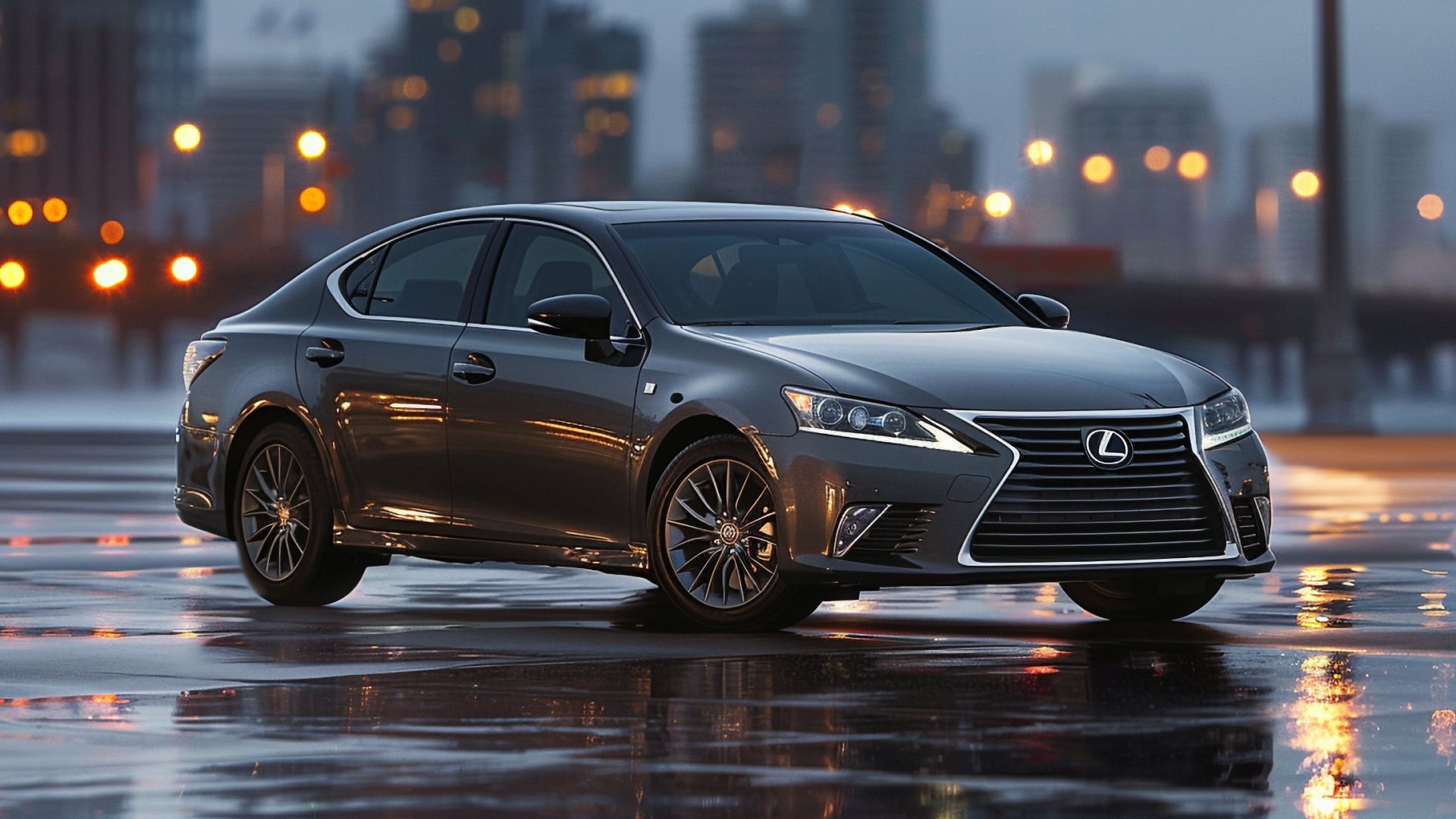
Credit: rerev.com
Why These Lexus Gs Years Are Risky
It’s important to know why these years have more problems. Here’s what often goes wrong:
Design Flaws
- Dashboard melting in 2006–2007 models is linked to the materials Lexus used. Sunlight and heat cause the dash to break down, a problem not seen in later years.
Early Hybrid Technology
- The third-generation GS 450h used early hybrid systems. These were less reliable and more expensive to fix than later models.
Electronic Complexity
- Newer tech features (navigation, infotainment, smart keys) brought convenience, but also more chances for glitches and costly repairs.
Recalls And Service Bulletins
- Certain years had more recalls and Technical Service Bulletins (TSBs). For example, the 2006 GS had multiple TSBs for dashboard and electrical issues.
Cost Of Repairs
- Lexus parts and labor can be pricey, especially for hybrid batteries and electronics.
Lexus Gs Years With Fewer Problems
Not all Lexus GS models are risky. Some years are praised for reliability and low repair costs. If you want peace of mind, consider these:
- 2008–2011: Later third-generation models benefited from fixes to earlier problems.
- 2016–2020: Fourth-generation cars got better engines, improved tech, and fewer complaints.
Let’s compare the best and worst years:
| Year | Overall Reliability | Common Issues |
|---|---|---|
| 2006 | Poor | Dashboard, electronics |
| 2009 | Good | Minor sensors |
| 2013 | Average | Fuel, infotainment |
| 2018 | Excellent | Few reported |
Common Problems In Lexus Gs Years To Avoid
If you’re considering a Lexus GS from the years above, watch for these problems:
Dashboard Melting And Sticky Panels
This is the most famous complaint for 2006–2007 models. Not only does it look bad, but it can also lead to:
- Airbag deployment issues
- Reduced resale value
- Glare on windshield
Replacement is expensive and not always covered by Lexus.
Electronic Failures
- Navigation and infotainment: Touchscreens freezing, maps not updating, Bluetooth disconnecting.
- Keyless entry and start: Sometimes the car won’t recognize the key fob, leaving owners stranded.
- Instrument cluster problems: Warning lights may appear without a real issue.
Hybrid Battery And Electrical Issues
- Hybrid battery replacement (GS 450h): Can cost $2,000–$4,000.
- Inverter failures: These parts control power flow; failure means the car won’t drive.
Engine And Transmission
- Water pump leaks: Leads to overheating and possible engine damage.
- Transmission hesitation: Especially in 2007 models; can cause jerky acceleration.
Fuel System
- Injector leaks: May cause rough running, misfires, or a check engine light.
- Fuel sensor malfunctions: Leads to incorrect gas readings or performance problems.
Brakes And Suspension
- Premature brake wear: Replacing pads/rotors more often than expected.
- Steering vibration: Mostly in 2014 models, can affect highway safety.
Cost To Repair And Maintain Problem Years
Buying a used Lexus GS from a trouble year often means higher costs. Here’s what owners face:
- Dashboard replacement: $1,500–$2,500
- Hybrid battery: $2,000–$4,000
- Navigation unit: $1,200–$2,000
- Water pump: $800–$1,500
- Brake job: $400–$900 (if needed often, adds up)
Repairs at Lexus dealers are more expensive than independent shops, but some fixes need dealer tools.
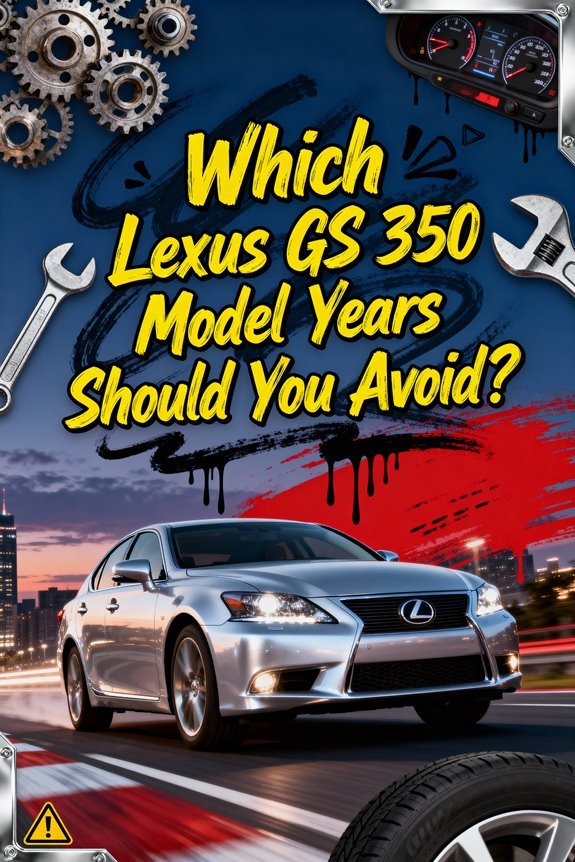
Credit: solowheelsjourney.com
What To Check Before You Buy A Used Lexus Gs
If you still want a GS from a year with known issues, don’t skip these steps:
- Get a full inspection: Ask a mechanic to check electronics, dashboard, and hybrid system.
- Check service records: Look for proof of repairs and regular maintenance.
- Test all electronics: Try navigation, audio, climate controls, and keyless entry.
- Drive at highway speed: Feel for vibrations or odd noises.
- Scan for error codes: A diagnostic scan can reveal hidden problems.
- Review recalls: Ask if all recalls were completed.
These steps help avoid expensive surprises.
Non-obvious Insights Most Buyers Miss
1. Sun Exposure Matters More Than You Think
The dashboard melting problem is worse in hot, sunny states like Florida, Texas, and California. Cars kept in garages or with window tint often have less damage. If you buy a GS from a cooler climate, you may avoid the worst effects.
2. Hybrid Models Need Special Care
Some buyers don’t realize the GS 450h hybrid uses two batteries: a standard 12V and a large hybrid battery. Both can fail, and the hybrid battery isn’t a DIY fix. Used hybrids should always be checked by a Lexus-trained mechanic.
3. Not All Issues Appear On Test Drives
Problems like infotainment glitches or water pump leaks can be intermittent. An owner may reset the system or top off fluids before you arrive. Always ask for a multi-point inspection and get a warranty if possible.
4. Lexus Parts Availability
Older GS models (especially 2006–2007) may need parts that are now hard to find or only available at high prices. This can mean longer repair times.
5. Factory Extended Warranties
Lexus sometimes offered extended coverage for known issues like the dashboard. If you find a used GS with paperwork showing warranty repairs, it’s a safer bet.
How The Lexus Gs Compares To Other Lexus Sedans
You might wonder how the GS stacks up against similar Lexus models. Here’s a quick comparison:
| Model | Typical Reliability | Main Issues | Best Years |
|---|---|---|---|
| GS | Good, with some bad years | Dashboard, electronics | 2008–2011, 2016–2020 |
| ES | Excellent | Minor transmission (early 2000s) | 2013–2020 |
| IS | Very Good | Dashboard, carbon buildup | 2011–2016 |
The Lexus ES is known for fewer issues and a softer ride. The IS is sportier but has a few engine quirks. The GS gives more power and tech, but you need to pick the right years.
Should You Buy A High-mileage Lexus Gs?
Some GS models are so well built that they last over 200,000 miles with proper care. But for the years to avoid, high mileage can make problems worse. Here’s what to consider:
- Maintenance history: Regular oil changes, fluid flushes, and replaced parts are a must.
- Hybrid battery life: Most last 8–10 years or 100,000–150,000 miles. After that, replacement is likely.
- Suspension and brakes: Older or high-mileage GS cars may need shocks, bushings, and brakes.
A high-mileage GS from a good year (like 2009 or 2018) is safer than a low-mileage one from 2006 or 2013 with known issues.
Best Alternatives If You Decide To Avoid Certain Gs Years
If you’re worried about buying a “problem year,” you have options:
- Lexus ES: Fewer electronic problems, more comfortable ride, often cheaper to maintain.
- Toyota Avalon: Shares many parts with Lexus, strong reliability, less luxury but similar comfort.
- Acura TLX: Sporty, reliable, less expensive to repair.
- Infiniti Q50: Good performance, but check for turbo engine issues in some years.
How To Find A Reliable Used Lexus Gs
If you’re set on a GS, here’s how to increase your odds of a good buy:
- Choose the right year: Focus on 2008–2011 and 2016–2020 models.
- Buy from a Lexus dealer: Certified Pre-Owned (CPO) cars get extra inspections and warranties.
- Look for single-owner cars: These often have better maintenance records.
- Get a third-party inspection: Even CPO cars can have hidden issues.
- Negotiate price: If you find a car with minor issues, use them to lower the price.
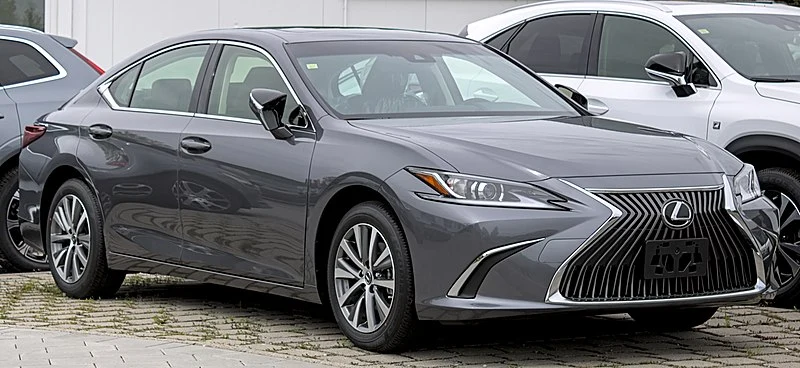
Credit: www.copilotsearch.com
How Lexus Handled Known Gs Problems
Lexus is known for good customer service, but not all issues were fixed for free. For the dashboard melting, Lexus extended the warranty for some owners but not all. Electronics problems were usually handled under the basic warranty, but once expired, costs were on the owner.
Lexus did issue several recalls and TSBs, especially for the 2006–2007 models. You can check for open recalls using the car’s VIN at the official NHTSA recall site.
Key Takeaways For Lexus Gs Buyers
- Avoid 2006, 2007, 2013, 2014, and 2015 models if you want fewer problems and lower costs.
- Always inspect electronics, dashboard, and hybrid systems before buying.
- Consider the best years (2008–2011, 2016–2020) for reliable, enjoyable ownership.
- Non-obvious factors like sun exposure and hybrid battery age can make a big difference.
- Always check for recalls and get a full service history.
Frequently Asked Questions
What Is The Worst Year For The Lexus Gs?
The 2006 Lexus GS is widely considered the worst year due to dashboard melting, electronic failures, and expensive hybrid battery issues. Many owners faced high repair bills and safety concerns.
Are Lexus Gs Models Expensive To Maintain?
While Lexus cars are generally reliable, problem years can be expensive to fix. Hybrid batteries, dashboards, and infotainment repairs often cost thousands. Choosing a reliable year and getting regular maintenance helps keep costs down.
Is The Lexus Gs 450h A Good Buy?
The GS 450h is powerful and efficient but has more complex systems. Early models (2006–2011) had more problems with hybrid batteries and electronics. Later years are better, but check battery health before buying.
How Long Does A Lexus Gs Typically Last?
A well-maintained Lexus GS can last 200,000–250,000 miles or more. The key is regular maintenance and avoiding the most problematic years. Hybrid models may need a battery replacement after 8–10 years.
How Can I Check If A Used Lexus Gs Has Had Recalls?
Use the car’s VIN on the NHTSA recall website. This shows all recalls and whether repairs were completed. Always ask the seller for documentation.
Finding the right Lexus GS means knowing what to avoid and what to look for. With smart research and careful inspection, you can enjoy a luxury sedan that lives up to the Lexus reputation.