

The Mercedes-Benz G-Class, commonly called the G-Wagon, is a luxury SUV famous for its rugged design and strong performance. Many people dream of owning a G-Wagon, but not every year is a good choice. Some years are known for problems, high repair costs, or weak performance. Before you spend a lot of money on a G-Wagon, it’s smart to know which years to avoid. This article gives clear advice, real data, and practical tips to help you make a safe decision.
If you’re thinking about buying a used G-Wagon, you’ll see big price differences. Some models cost over $100,000, even after years on the road. But price isn’t everything. Reliability, safety, and comfort matter just as much. Many buyers don’t realize that certain years are famous for engine troubles, electrical faults, or expensive maintenance.
I’ll explain these issues in detail so you can avoid costly mistakes.
Why Some G-wagon Years Are Risky
Not every G-Wagon year is equal. Mercedes changed the G-Class design, engines, and electronics several times. Some years had problems that were fixed later. Others had new issues that appeared after updates. Even when the outside looks similar, big changes inside the car can affect reliability.
Common Problems By Year
- Engine failures: Some years had weak engines or oil leaks. For example, the M273 V8 engine is known for timing chain and oil leak issues, leading to costly repairs.
- Electrical issues: Faulty wiring, dead sensors, or dashboard failures. Owners often report battery drains, malfunctioning seat controls, and sudden loss of power to electronic features.
- Transmission troubles: Rough shifting or sudden loss of power. Some models experience jerky gear changes or hesitation when accelerating, especially in older G-Wagons.
- Rust and corrosion: Older G-Wagons often have rust, especially in wet climates. Places like the underbody, door sills, and wheel arches are especially prone to rust if not treated.
- Expensive repairs: Some parts cost thousands to replace. For example, a single air suspension compressor can cost $2,000 plus labor.
These problems don’t affect every car, but certain years had more complaints. Let’s look closer at the main years to avoid.
G-wagon Years To Avoid (with Reasons)
After analyzing owner reviews, recall data, and expert opinions, several G-Wagon years stand out as risky. Below are the most important years to avoid, with clear reasons.
2002–2004
The early 2000s G-Class models were the first sold officially in the US. While they look classic, they’re famous for electrical faults and rust problems.
- Electrical issues: Many owners report dead dashboard displays, malfunctioning windows, and failing central locks. It’s common to see complaints about the fuse box and wiring harness.
- Rust: Frame and door rust is common, especially in wet areas. Even cars from dry regions can show signs of corrosion in hidden spots, like inside the doors.
- Air suspension problems: Repairs can cost over $3,000. The suspension system often loses air, making the ride uncomfortable and needing frequent repairs.
2005–2006
Mercedes tried to fix some problems, but new ones appeared in these years.
- Transmission issues: Rough shifting and delayed response are frequent. Owners report sudden jerks and hesitation, especially when changing gears at low speeds.
- Engine leaks: Oil leaks from the V8 engine are expensive to fix. The engine’s seals and gaskets often fail, leading to messy leaks.
- Electronics: Navigation systems and radios often fail. The COMAND system can freeze or reboot randomly, making it hard to use.
2008–2009
These years saw updates, but reliability did not improve much.
- Sensor failures: ABS and ESP sensors often die, causing warning lights. Many owners spend over $1,000 to replace faulty sensors.
- Climate control issues: AC and heating problems are common. Blower motors and AC compressors frequently fail, especially in hot climates.
- Window regulators: Power windows may fail, needing costly repairs. It’s not unusual for all four windows to stop working within a few years.
2013–2014
Mercedes introduced new technology, but these years had bugs.
- Infotainment glitches: The updated COMAND system is slow and unreliable. Touch controls often lag, and Bluetooth connection drops frequently.
- Turbo problems: G63 AMG models have turbocharger failures. Replacement can cost over $6,000 and the issue often appears before 50,000 miles.
- Suspension: Air suspension compressors often break. This leads to uneven ride height and poor handling.
2015
While newer than the previous years, 2015 G-Wagons have frequent recalls.
- Fuel leaks: Several recalls for fuel system issues. The fuel hose and connectors can crack, leading to dangerous leaks.
- Steering problems: Power steering may suddenly fail. Some owners report having to replace the steering rack multiple times.
- Brake issues: Brake lines and sensors are weak. The brake system warning light is a common sight in these models.
2017
This year is known for high repair costs and rare but serious problems.
- Transmission failures: Gearbox replacements can cost $7,000+. Some G63 AMG models suffer from complete transmission breakdowns.
- Turbocharger leaks: AMG models suffer from expensive turbo repairs. Oil leaks into the turbo, damaging other engine parts.
- Electronic faults: Random warning lights and sensor errors. These issues can be hard to diagnose and may require multiple visits to the dealer.
G-wagon Model Year Comparison
To make things clearer, here’s a quick comparison of common issues by year.
| Model Year | Main Issues | Estimated Repair Cost | Owner Satisfaction (1–10) |
|---|---|---|---|
| 2002–2004 | Electrical, rust, air suspension | $5,000–$10,000 | 6 |
| 2005–2006 | Transmission, engine leaks, electronics | $3,000–$8,000 | 5 |
| 2008–2009 | Sensors, climate control, windows | $2,500–$7,500 | 6 |
| 2013–2014 | Infotainment, turbo, suspension | $4,000–$12,000 | 7 |
| 2015 | Fuel leaks, steering, brakes | $3,000–$8,000 | 5 |
| 2017 | Transmission, turbo, electronics | $6,000–$14,000 | 6 |
The numbers show that some years not only have more problems, but also cost more to fix. Lower satisfaction scores reflect frustration with frequent trips to the shop and high bills.
What Makes These Years Problematic?
Many buyers don’t realize why certain years are worse. Here are some hidden reasons that cause trouble.
Old Technology
G-Wagons from 2002–2009 use outdated electronics and wiring. Over time, wires crack or corrode. Replacing old wiring is difficult and expensive. Also, older control modules are hard to find and costly to program. If a part fails, you may need to wait weeks for a replacement.
Engine Updates
Mercedes changed engines several times. For example, the move from the M113 V8 to the M273 V8 brought new oil leak problems. Later AMG models added turbochargers, which increased power but also repair costs. Turbo engines need extra care and are more sensitive to oil quality and regular maintenance.
Rust-prone Construction
Older G-Wagons used steel that was not well protected. In wet or snowy places, rust forms quickly. Once rust starts, it spreads and weakens the frame. Even after professional repairs, rust can return if the car is exposed to moisture or road salt.
Costly Parts
Even small parts like sensors or window switches can cost over $500. Labor adds thousands more. Some years need special parts that are hard to find. For example, a replacement headlight for a 2006 G-Wagon can cost over $800 including installation.
How To Spot A Risky G-wagon
Before buying, check for signs of trouble. Here are practical steps:
- Check for rust: Look at the frame, doors, wheel arches, and underbody. Use a flashlight and check in hidden corners. Surface rust is easier to fix, but deep rust in the frame is dangerous.
- Test electronics: Try every window, lock, radio, and dashboard display. If one feature fails, others may follow soon.
- Listen for engine noise: Unusual sounds may signal leaks or turbo problems. Whining or knocking noises are red flags.
- Check the suspension: The car should sit level and rise smoothly. If one side sags, the air suspension could be leaking.
- Ask for service records: Look for regular maintenance and repairs. Records showing frequent visits for the same issue are a warning sign.
Many buyers skip these checks and regret it later. A professional inspection can save thousands. If possible, bring an expert who knows G-Class models.
G-wagon Reliability Data
The G-Class is famous for lasting a long time, but only if maintained well. Reliability changes by year. Here’s a look at owner-reported reliability scores.
| Year | Reliability Score (1–100) | Average Annual Maintenance ($) |
|---|---|---|
| 2002 | 57 | 3,800 |
| 2005 | 54 | 4,200 |
| 2009 | 61 | 3,500 |
| 2013 | 65 | 3,900 |
| 2015 | 50 | 4,500 |
| 2017 | 60 | 4,600 |
Scores above 70 are considered good, so many of these years are below average. Maintenance costs are high compared to other SUVs. Owners often say the G-Wagon is “built like a tank,” but that doesn’t mean it’s trouble-free.
Credit: r129.co
G-wagon Years That Are Safe To Buy
Not every used G-Wagon is risky. Here are the safest years, based on reliability and owner reviews.
- 2010–2012: These years have fewer electrical and engine problems. Many owners report high satisfaction. The engines are more refined, and the electronics are less buggy.
- 2018–2020: Newer models feature improved engines, electronics, and rust protection. They cost more but are safer. These years also have better fuel efficiency and comfort.
- 2021–2023: Latest models have advanced safety features, strong engines, and fewer recalls. The ride quality and handling are improved, and maintenance is easier.
G-class Generations Explained
Understanding the G-Class generations helps you spot risky models.
W463 (1990–2018)
Most used G-Wagons are W463. Early models (1990s) are rare in the US and often rust. Mid-2000s models have many electrical problems. From 2010, improvements were made, including better rust protection and updated electronics.
W464 (2018–present)
This generation has major upgrades: new engines, better electronics, and improved safety. Problems are less common, but repairs still cost a lot. The interior is more modern, and the ride is smoother.
Real Owner Experiences
Many G-Wagon buyers share their stories online. Here are two examples:
- Anna, 2005 G500: After 60,000 miles, her SUV had transmission failures and electrical problems. Repairs cost over $8,000 in three years. She also had to replace the air suspension system, which added another $2,000.
- James, 2019 G63 AMG: His car needed only minor repairs and regular maintenance. He spent about $2,200 per year. He notes that the warranty covered a few issues, but regular oil changes and tire rotations kept the car running smoothly.
These stories show the importance of picking the right year. Some owners report great experiences, while others regret not researching more before buying.
G-wagon Maintenance Costs By Year
Let’s compare maintenance costs for different years.
| Year | Average Annual Maintenance | Common Repairs |
|---|---|---|
| 2002–2004 | $3,800 | Electrical, rust, suspension |
| 2005–2006 | $4,200 | Transmission, engine leaks |
| 2008–2009 | $3,500 | Sensors, climate control |
| 2013–2014 | $3,900 | Infotainment, turbo |
| 2015 | $4,500 | Fuel leaks, brakes |
| 2017 | $4,600 | Transmission, turbo |
| 2018–2020 | $2,700 | Minor electronics |
| 2021–2023 | $2,200 | Routine maintenance |
Note that these figures are averages; some repairs, like engine rebuilds or major suspension work, can push costs much higher.
How To Avoid Mistakes When Buying A Used G-wagon
Many buyers only check the outside of the car. This is risky. Here are two insider tips:
- Always get a pre-purchase inspection: Use a mechanic who knows G-Wagons. They can spot hidden electrical or rust problems. Specialized mechanics often find issues a regular shop might miss.
- Check for recalls: Some years have open recalls that can be fixed for free. Others don’t. A recall can sometimes mean a free repair, but ignored recalls are risky.
Don’t Trust Low Mileage Alone
Low mileage seems good, but it’s not everything. Older G-Wagons can have problems from age, not just use. Rubber parts, wiring, and seals wear out over time. Also, cars that sit unused can develop rust and electrical issues.
Ask For Complete Service Records
A well-kept G-Wagon is much safer. Look for records showing oil changes, brake service, and electrical repairs. Gaps in records may hide missed maintenance or skipped repairs.
Avoid “too Good To Be True” Deals
If a G-Wagon is much cheaper than others, it’s probably hiding expensive problems. Repairs can quickly cost more than the savings. Sellers may cover up rust or clear warning lights before selling.
How G-wagon Years Affect Resale Value
Some G-Wagon years lose value faster than others. Here’s why:
- Frequent repairs: Cars with known problems sell for less. Buyers fear future costs.
- Expensive parts: Buyers avoid years with costly repairs. This limits demand and drops resale prices.
- Recall history: Cars with many recalls lose trust. Buyers worry about hidden issues or future recalls.
For example, a 2005 G500 with transmission issues may sell for $20,000 less than a 2010 G550 with a clean record. A strong service history can add thousands to resale value.
What To Look For In A Safe G-wagon
To pick a safe G-Wagon, focus on these points:
- Rust-free body: Check under the car and around wheel wells. Use a magnet to test for hidden body repairs.
- Strong service history: Ask for all receipts. Look for regular oil changes and major repairs done at Mercedes-certified shops.
- Smooth engine and transmission: Test drive to check for odd sounds or shifting. Drive at different speeds and test all gears.
- Working electronics: Try all features inside the car. Even minor faults can signal bigger problems.
Extra Tips For Buying A Used G-wagon
Here are two uncommon tips that many buyers miss:
- Check the VIN for recall history: You can find open recalls online using the car’s VIN. This can reveal hidden risks and help you negotiate price.
- Look for cars from dry climates: G-Wagons from California or Arizona are less likely to have rust. Cars from snowy regions often have hidden corrosion.
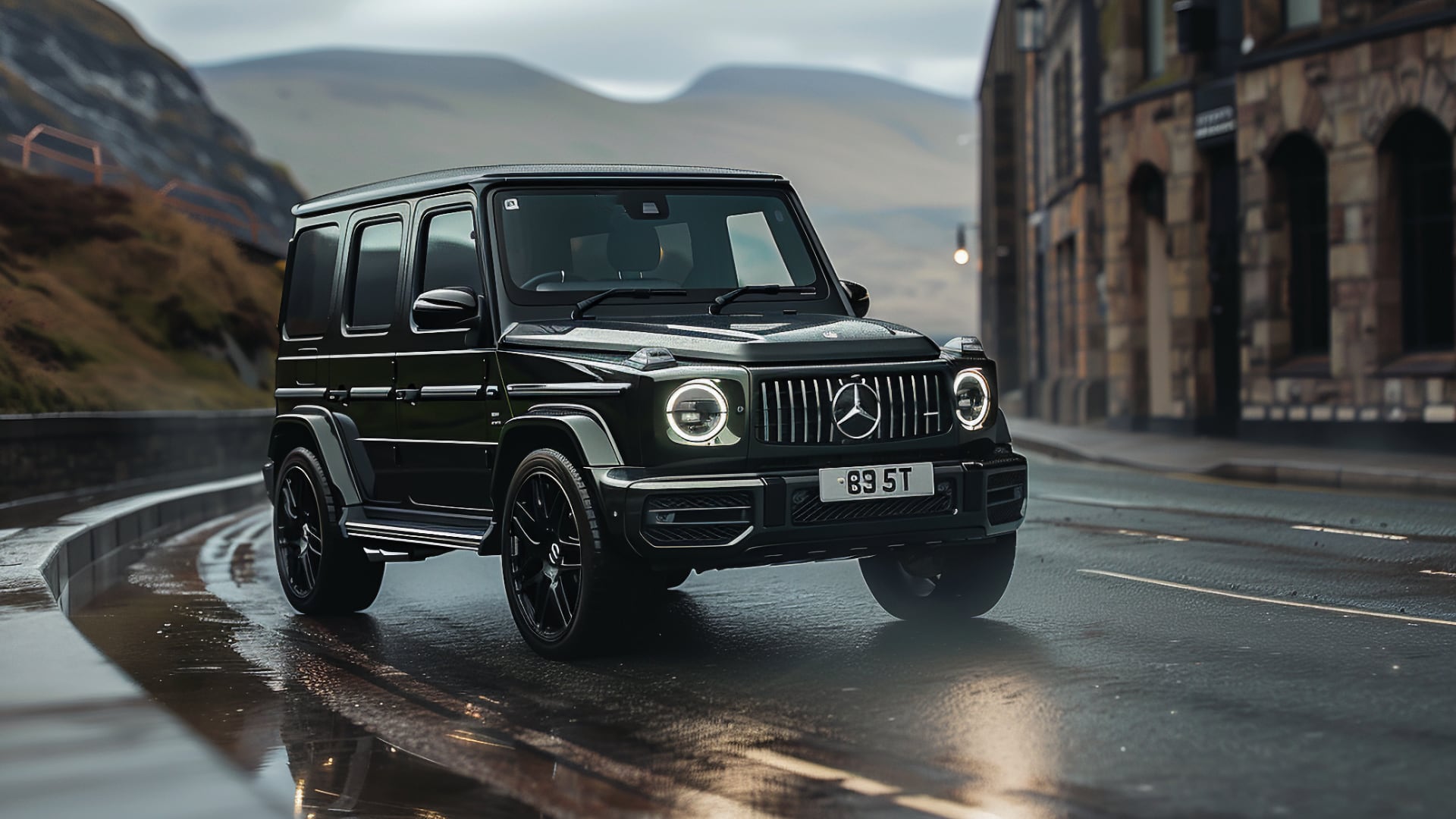
Credit: rerev.com
G-wagon Safety Features By Year
Modern G-Wagons have advanced safety, but older models lack many features.
- 2018–Present: Blind spot monitoring, adaptive cruise, lane keep assist. These features can help prevent accidents and make driving easier.
- 2010–2017: Basic airbags, stability control, limited driver aids. Some models have only basic protection.
- Before 2010: Only basic safety features. No advanced driver aids or crash avoidance systems.
If safety matters, buy a newer model. Some buyers retrofit older models, but this is costly.
Comparing G-wagon To Other Luxury Suvs
It helps to see how the G-Wagon stacks up against other SUVs.
| Model | Reliability (1–10) | Annual Maintenance ($) | Common Issues |
|---|---|---|---|
| G-Wagon (2013) | 7 | 3,900 | Infotainment, turbo |
| Range Rover (2013) | 5 | 4,500 | Air suspension, electrical |
| Toyota Land Cruiser (2013) | 9 | 1,800 | Minor electronics |
| Lexus LX (2013) | 8 | 2,200 | Minor suspension |
The G-Wagon costs more to maintain but offers unique style and off-road ability. Land Cruiser and Lexus LX are more reliable but lack the luxury and status of the G-Wagon.

Credit: www.youtube.com
How Mercedes Responded To G-wagon Issues
Mercedes improved the G-Class over time. Here’s how:
- 2010: Fixed many electrical faults and improved rust protection. Owners report fewer complaints about wiring and corrosion.
- 2018: Full redesign with new engines and safety features. The W464 generation is much more reliable and comfortable.
- 2021: Added advanced driver aids. Lane keep assist and adaptive cruise make driving safer.
These changes made newer G-Wagons safer and more reliable. Mercedes listened to owner feedback and fixed many old issues.
Where To Find Reliable G-wagon Info
Trusted sources can help you research before buying.
- Owner forums: Real stories and tips from owners. You can ask questions and read about common problems.
- Official Mercedes-Benz site: Lists recalls and model specs. This helps you check safety and updates.
- Car review sites: Professional reviews and data. They offer expert opinions and detailed comparisons.
For deep research, visit the Wikipedia G-Class page.
Should You Buy A Used G-wagon?
A used G-Wagon can be a smart purchase if you choose the right year and model. Avoid risky years, check for rust and electrical faults, and always get a professional inspection. The G-Class offers luxury and strong performance, but repairs are expensive.
If you want a classic look and don’t mind high maintenance, older models can be fun. If you want safety, reliability, and fewer repairs, newer models are best. A little extra research can save you thousands and give you peace of mind.
Frequently Asked Questions
What Are The Worst G-wagon Years For Reliability?
The worst years are 2002–2004, 2005–2006, 2013–2015, and 2017. These models have frequent electrical, engine, and transmission problems.
Are G-wagons Expensive To Maintain?
Yes, most G-Wagons cost $3,000–$5,000 per year for maintenance. Repairs can cost much more in risky years. Luxury parts and labor add to the cost.
Does Mileage Matter When Buying A Used G-wagon?
Mileage matters, but age and maintenance history are just as important. Older cars with low mileage can still have worn parts. Always check service records and inspect the car.
How Can I Check If A G-wagon Has Recalls?
Use the car’s VIN to search for recalls on the official Mercedes-Benz website or the NHTSA database. This can reveal past or open recalls.
Are Newer G-wagons More Reliable?
Yes, 2018–2023 models are much more reliable. They have improved engines, electronics, and safety features. Owners report fewer problems and lower costs.
Choosing the right G-Wagon year can save you thousands and give you peace of mind. Use this guide to make a smart, safe choice for your next luxury SUV.