

The Honda Accord Hybrid is a popular choice among drivers who want reliability, fuel efficiency, and a comfortable ride. Over the years, the Accord Hybrid has built a reputation for blending the best of Honda’s engineering with eco-friendly technology. However, not every model year is equally strong. Some years have faced more problems than others, and knowing which Honda Accord Hybrid years to avoid can save you time, money, and frustration.
This guide helps you understand which Accord Hybrid years are best left off your shopping list. It’s based on real-world owner reports, expert analysis, and technical bulletins. You’ll also find clear explanations of common issues, how newer models compare, and what to look for when buying used.
If you’re considering a Honda Accord Hybrid, this article will help you make a confident, informed decision.
Why Model Years Matter For The Honda Accord Hybrid
Not all car model years are created equal. The Honda Accord Hybrid has seen many changes since its debut. Some generations introduced new technology that wasn’t fully tested, leading to reliability concerns. Other years saw major improvements after Honda fixed earlier problems. Understanding these differences is key if you want a trouble-free experience.
Car manufacturers often improve their cars over time. They listen to customer feedback, address recalls, and update parts. When you look at the Accord Hybrid’s history, you see a clear pattern: the earliest models and some in the middle years had more issues than others. Later years are generally more refined.
Overview Of The Honda Accord Hybrid Generations
Honda launched the Accord Hybrid in the early 2000s, then paused production, and brought it back with new technology. Here’s a quick look at the main generations:
| Generation | Model Years | Main Features |
|---|---|---|
| 1st Generation | 2005–2007 | V6 engine with hybrid assist, high power, low sales |
| 2nd Generation | 2014–2017 | 4-cylinder engine, improved fuel economy, new hybrid system |
| 3rd Generation | 2018–Present | Latest tech, excellent efficiency, smoother ride |
Honda skipped hybrid versions in some years, focusing on development. Each generation brought major changes, especially in the hybrid system.

Credit: www.cargurus.com
Honda Accord Hybrid Years To Avoid
Certain Accord Hybrid years are known for more problems. These issues range from battery failures and software glitches to poor fuel economy and uncomfortable rides. Here are the main years you should be cautious about:
1st Generation (2005–2007): The Experimental Start
The 2005–2007 Accord Hybrid models were Honda’s first attempt to mix hybrid technology with a V6 engine. At the time, it was a bold move. However, these cars had several problems:
- Battery reliability: Owners reported frequent hybrid battery failures, sometimes before 100,000 miles.
- Poor real-world fuel economy: While rated highly, many drivers did not see big savings at the pump.
- Complex electronics: The early hybrid system was complicated and expensive to repair.
- Low resale value: Because of the above issues, these years lost value quickly.
While a few well-kept examples exist, most experts advise skipping these years if you want a reliable hybrid.
2014 And 2015: New Tech, Old Problems
Honda reintroduced the Accord Hybrid for the 2014 model year with a completely new system. It promised excellent fuel economy, but the first two years (2014 and 2015) had growing pains:
- Transmission shudder and hesitation: Some drivers experienced jerky acceleration, especially at low speeds.
- Electrical glitches: Issues with the infotainment system, warning lights, and random error codes were common.
- Battery drain: A few owners reported the 12V battery draining quickly, leaving them stranded.
- Recalls: The 2014 model had recalls for hybrid system failures, which could cause the car to stall.
Honda addressed most issues by 2016, but if you’re buying used, the 2014 and 2015 models are riskier choices.
2017: Minor Issues Continue
While the 2017 Accord Hybrid improved on earlier years, it still saw some complaints:
- Brake system warnings: Random warning lights for the brake system appeared, sometimes needing sensor replacement.
- Hybrid battery concerns: Although less frequent, a few battery failures still occurred.
- Fit and finish: Some owners noted more rattles and lower interior quality compared to the 2016 model.
These issues are not as severe as in previous years, but they are worth considering if reliability is your top concern.
Summary Table: Accord Hybrid Years To Avoid
Here’s a quick reference for the main years with higher risk:
| Model Year | Main Issues | Recommendation |
|---|---|---|
| 2005 | Battery failures, poor MPG, expensive repairs | Avoid |
| 2006 | Same as 2005, plus low resale value | Avoid |
| 2007 | Electronics issues, battery wear, rare parts | Avoid |
| 2014 | Hybrid system glitches, recalls, battery drain | Avoid |
| 2015 | Transmission, electrical issues | Avoid |
| 2017 | Brake system, fit/finish, rare battery failures | Consider alternatives |
Why These Years Struggle: Common Issues Explained
To make a smart purchase, it helps to understand why certain years have more problems. Here are the main reasons:
Early Hybrid Battery Technology
The first generation Accord Hybrid used large, early-generation batteries that wore out faster than expected. Replacement costs can reach $3,000–$4,000, which is high for a used car. Later models use better, longer-lasting batteries.
Software And Control Unit Problems
In 2014 and 2015, the hybrid system relied on new software and control modules. Some were buggy, causing the car to behave strangely or trigger warning lights. Updates and recalls fixed many, but not all, of these problems.
Transmission And Drivability
The 2014 and 2015 models had a new e-CVT transmission. Some units jerked, slipped, or made odd noises, especially at lower speeds. This was mostly fixed by 2016, but early units may still have issues if they weren’t repaired.
Electrical System Weaknesses
From infotainment failures to random warning lights, electrical bugs are a common complaint in the years to avoid. These often require dealer visits and can be hard to diagnose.
Real-world Fuel Economy
Some years, especially 2005–2007, promised high MPG but rarely delivered. Owners found that city driving and cold weather caused fuel economy to drop far below EPA ratings.
Interior Quality And Comfort
The 2017 model saw a slight dip in interior materials and build quality, according to owner reviews. While not a deal-breaker for everyone, it’s a step back compared to the 2016 model.
Better Choices: Recommended Honda Accord Hybrid Years
If you want a reliable and efficient Accord Hybrid, some years stand out for their strong performance and low complaints.
2016: The Sweet Spot
The 2016 Accord Hybrid fixed most of the issues from 2014 and 2015. Owners report smooth driving, excellent fuel economy, and few major problems. The hybrid battery is more reliable, and the infotainment system is improved.
2018–2022: The Modern Generation
The 2018 redesign brought a new hybrid system, better interior, and advanced safety features. These models are known for:
- Outstanding fuel efficiency (up to 48 MPG combined)
- Smooth and quiet ride
- Few recalls or major complaints
- Modern technology (adaptive cruise, Apple CarPlay, Honda Sensing)
Most experts agree that 2018 and newer Accord Hybrids are some of the best used hybrids on the market.
2023–present: Latest Improvements
The newest Accord Hybrid models (2023 and 2024) build on Honda’s reputation for reliability. They offer the most modern features, even better fuel economy, and updated interiors. As these models are newer, there’s less long-term data, but early reviews are positive.
How The Accord Hybrid Compares To Its Rivals
If you’re shopping for a used hybrid sedan, the Toyota Camry Hybrid and Ford Fusion Hybrid are two popular alternatives. Here’s how the Accord Hybrid stacks up:
| Car Model | Reliability | Fuel Economy (Combined MPG) | Resale Value | Main Weaknesses |
|---|---|---|---|---|
| Honda Accord Hybrid | Very good (except listed years) | 44–48 | High (2016+) | Early battery/issues in some years |
| Toyota Camry Hybrid | Excellent | 46–52 | Very high | Firm ride, bland styling |
| Ford Fusion Hybrid | Good | 42–43 | Average | Transmission, interior |
The Accord Hybrid matches or beats most rivals in ride quality and features, but Toyota’s hybrid system is known for even greater long-term durability.

Credit: www.youtube.com
What To Look For When Buying A Used Accord Hybrid
Buying a used hybrid is different from buying a regular gasoline car. Here’s how to make a smart choice:
1. Check Hybrid Battery Warranty
Hybrid batteries are expensive to replace. Ask if the car’s battery is still under the Honda hybrid warranty (usually 8 years/100,000 miles). If not, see if the seller offers any battery guarantee.
2. Request Service Records
A well-maintained Accord Hybrid is less likely to have problems. Ask for full service records, especially for battery checks and any hybrid system repairs.
3. Inspect For Recalls And Updates
Some years had important recalls. Make sure all recall work has been done. You can check recall status by entering the VIN on Honda’s official website.
4. Test The Hybrid System
During a test drive, pay attention to:
- Smoothness when switching between gas and electric power
- Acceleration (should be steady, not jerky)
- Warning lights on the dashboard
If you notice anything odd, have the car inspected by a Honda dealer or hybrid specialist.
5. Listen For Strange Noises
Unusual noises from the transmission or under the hood can signal trouble. Early signs of hybrid or transmission problems often start with faint sounds.
6. Avoid Heavily Modified Cars
Steer clear of used Accord Hybrids with aftermarket modifications to the hybrid system or electronics. These can lead to reliability issues and may void warranties.
7. Research Resale Value
Some Accord Hybrid years lose value quickly, especially those known for problems. Stick to the recommended years for a better investment.
Common Owner Mistakes To Avoid
Even a reliable Honda Accord Hybrid can develop problems if not cared for properly. Here are mistakes to avoid:
- Ignoring the hybrid battery: Don’t skip battery health checks, especially as the car gets older.
- Delaying software updates: Honda often releases updates that fix hybrid system bugs.
- Using the wrong mechanic: Not all shops understand hybrid systems. Use a Honda dealer or hybrid specialist for major repairs.
- Letting the car sit unused: Hybrid batteries can degrade if the car isn’t driven regularly.
- Assuming all hybrids are the same: Each generation is unique. Research your specific model year.
Real-world Owner Experiences
Hearing from actual owners can give you a better sense of what to expect. Here are a few examples:
- 2005 owner: “Loved the power, but the hybrid battery failed at 85,000 miles. Dealer wanted $3,500 to fix it. Wouldn’t buy again.”
- 2014 owner: “Great gas mileage, but I had two recalls in the first year. Had to reboot the infotainment system often.”
- 2016 owner: “No problems after 60,000 miles. Smooth, quiet, and consistently gets over 45 MPG. I’d recommend it.”
- 2018 owner: “Best hybrid I’ve driven. Super reliable so far, and the tech is impressive.”
One non-obvious insight: Many owners overlook the importance of climate on battery life. Hybrids in hot climates tend to wear batteries faster. If you’re buying used, ask where the car spent most of its life.
Another insight: Some Accord Hybrids from the years to avoid have already had their batteries replaced. This can be a double-edged sword. A new battery is a plus, but if installed by a non-Honda shop, warranty and quality may be an issue.
Maintenance Costs: What To Expect
Honda Accord Hybrids are generally cheaper to maintain than German or luxury hybrids, but repairs can still be costly if the hybrid system fails. Here’s what you might expect:
- Oil changes: Similar to regular Accords, around $40–$60
- Brake service: Hybrids use regenerative braking, so pads last longer—usually $150–$300 per axle when needed
- Hybrid battery replacement: $2,500–$4,000, but most batteries last 8–10 years
- Hybrid system repairs: Control unit or inverter can cost $1,000–$2,000 if out of warranty
The good news: Routine maintenance is simple, and most owners report fewer repairs after the first 40,000 miles—if the car was built in a reliable year.
Future Outlook: Is The Honda Accord Hybrid A Good Buy?
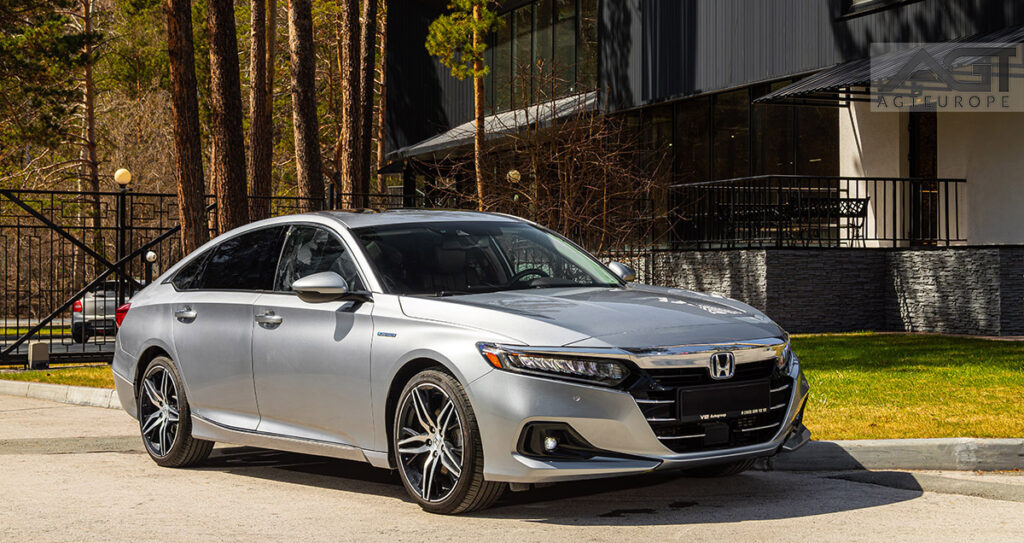
If you avoid the high-risk years, the Accord Hybrid is an excellent choice for drivers who want a comfortable, efficient, and reliable midsize sedan. The latest generations offer features that rival premium brands, with a reputation for lasting well beyond 150,000 miles with basic care.
Honda continues to invest in hybrid technology, and the Accord Hybrid is now one of the top-selling electrified cars in the US. Depreciation is lower on newer models, and owner satisfaction remains high—especially since 2016.
If you’re interested in learning more about hybrid batteries and long-term reliability, the US Department of Energy has a detailed guide: US Department of Energy: Hybrid and Plug-In Electric Vehicles.
Frequently Asked Questions
Which Honda Accord Hybrid Year Is Most Reliable?
The 2016 Accord Hybrid and all models from 2018 onward are known for top reliability. These years have fewer complaints, better fuel economy, and improved hybrid systems.
How Long Do Honda Accord Hybrid Batteries Last?
Most Accord Hybrid batteries last 8–10 years or about 100,000–150,000 miles. Some last even longer with good care. Extreme heat or long periods of sitting unused can shorten battery life.
Is It Expensive To Repair The Accord Hybrid?
Routine maintenance is affordable. However, hybrid system repairs (like battery or inverter replacement) can cost $1,000–$4,000 if not under warranty. That’s why it’s important to check battery health before buying used.
What Is The Fuel Economy Difference Between Good And Bad Years?
The best Accord Hybrid years (2016, 2018–present) average 44–48 MPG combined. Problem years like 2005–2007 often fall below 30 MPG in real-world driving, especially in city traffic.
Is The Honda Accord Hybrid Better Than The Toyota Camry Hybrid?
Both are excellent choices. The Camry Hybrid is a bit more reliable over 200,000 miles, but the Accord Hybrid offers a more engaging drive and better tech in newer models. Choose based on your priorities: ultimate reliability (Camry) or driving enjoyment and features (Accord).
Credit: agtauto.com
Final Thoughts
Choosing the right Honda Accord Hybrid can give you years of efficient, worry-free driving. Avoid the 2005–2007, 2014–2015, and 2017 models, as these have higher risks of expensive issues. Instead, look for a well-maintained 2016 or any 2018 or newer model. Always check service history, test the hybrid system, and confirm recall completion. With smart shopping, the Accord Hybrid is one of the best values in the used hybrid market. Safe driving!