

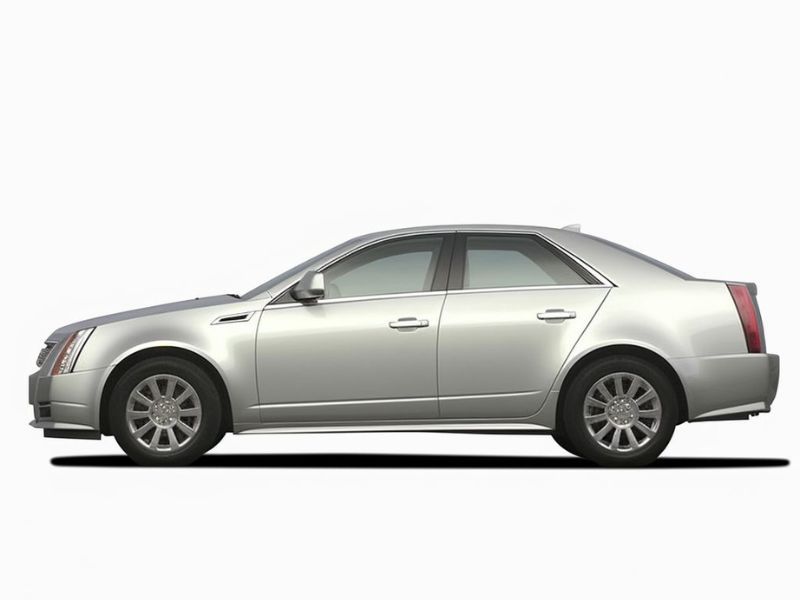
The Cadillac STS was once a symbol of American luxury and innovation. As Cadillac’s flagship sedan, it aimed to combine comfort, technology, and performance. But while many STS models offered a satisfying driving experience, not all years lived up to the brand’s reputation. If you’re thinking about buying a used Cadillac STS, knowing which years to avoid can save you money, stress, and future headaches. This article will guide you through the models to be careful with, the main problems found in certain years, and what you should look for instead.
Understanding The Cadillac Sts Line
The Cadillac STS (Seville Touring Sedan) was produced from 2005 to 2011. It replaced the Seville and was designed to compete with luxury sedans from Europe and Japan. The STS came with V6 and V8 engine options, rear-wheel drive (with available all-wheel drive), and a host of high-tech features for its time.
For its launch, the STS was marketed as a direct competitor to established models like the BMW 5 Series and Mercedes-Benz E-Class. Cadillac invested heavily in features such as adaptive suspension, advanced sound systems, and comfort amenities. The car also introduced Cadillac’s Magnetic Ride Control, which adjusted the suspension in real time for a smoother ride.
However, the STS’s ambitious design meant that the first few years were a mixed bag. Some owners praised the powerful engines and handling, while others quickly noticed reliability issues. The STS’s story is a good example of how new technology can sometimes bring as many headaches as it does benefits.
But not all STS models were created equal. Some years stand out for their dependability and comfort, while others are known for costly repairs and reliability issues. Understanding the context of the STS’s evolution is key to making a smart purchase.
Cadillac Sts Years To Avoid: The Short List
Let’s start with the years that are most often associated with problems:
- 2005 Cadillac STS
- 2006 Cadillac STS
- 2007 Cadillac STS
These early years of the STS are the most commonly flagged by owners, mechanics, and automotive experts. While all vehicles can have issues, these years stand out for their frequency and seriousness of complaints.
Why These Years?
The 2005–2007 STS models introduced new technology and powertrains. Unfortunately, new technology often comes with growing pains. Owners of these years report higher rates of mechanical and electrical issues, compared to later models. Cadillac was eager to showcase its latest advancements, but the first few production years often act as a proving ground, where problems are discovered and fixed in later models.
For example, the keyless start and advanced infotainment systems were considered cutting-edge, but they also created new electrical gremlins. The Northstar V8, while powerful, had not yet resolved some long-standing issues. Owners who chose these early models sometimes found themselves making repeated trips to the mechanic, which can quickly take the shine off a luxury car purchase.
Let’s dig deeper into what these problems are and why you should be cautious.
Credit: www.fixdapp.com
Common Problems In Cadillac Sts Years To Avoid
For buyers, it’s not enough to know which years to avoid—you also need to understand why. Below are the most common and serious issues found in the 2005, 2006, and 2007 STS.
Engine Problems
One of the biggest concerns with early STS models is engine reliability. The Northstar V8, in particular, is notorious for several issues:
- Head gasket failure: This is a costly problem, sometimes requiring engine removal. The repair can cost $2,000–$4,000 or more. Many owners report that the first sign is overheating or coolant loss.
- Oil consumption: Many owners report excessive oil use, sometimes burning a quart every 1,000 miles. This can be hard to notice unless you check oil levels regularly. Running the engine low on oil can lead to serious damage.
- Timing chain problems: Timing chain tensioners can fail, leading to engine damage if not fixed quickly. Owners sometimes hear rattling noises at startup, which is a warning sign.
Even well-maintained engines can develop these problems because of the design. The Northstar’s aluminum block and head design makes head gasket leaks more likely than in other engines. Some buyers hope that using premium fluids and regular service can prevent issues, but the risk remains higher than with the V6.
Transmission Issues
Transmission failures are also common in 2005–2007 models. Symptoms include:
- Rough shifting: The car may jerk or hesitate between gears, especially when cold.
- Slipping gears: The transmission may “slip,” causing a sudden loss of power while accelerating.
- Complete transmission failure: In some cases, the car can become undriveable.
Repair costs for transmission issues can easily reach $3,000 or more, and in some cases, a full rebuild is needed. Many owners report that problems start as mild hesitation or delayed shifts, which get worse over time. Ignoring early signs often leads to bigger bills later.
Electrical And Electronic Failures
The STS was packed with technology features—some ahead of their time. Unfortunately, these features often failed:
- Instrument cluster failures: Gauges and displays can malfunction, causing confusion and safety issues. Sometimes, the speedometer or fuel gauge gives false readings.
- Electrical shorts: Problems with wiring can cause lights, audio systems, and other features to stop working. Owners sometimes report battery drain or systems that “reset” themselves unexpectedly.
- Keyless entry and ignition: The STS was an early adopter of keyless systems, but owners often report failures, leaving them stranded. In some cases, the car refuses to recognize the key fob, making it impossible to start.
As the car ages, these issues can become more frequent, and finding replacement parts for older electronics is not always easy. Dealerships may charge high prices for repairs, and independent shops may lack experience with the STS’s advanced systems.
Suspension And Steering
Another weak point is the Magnetic Ride Control suspension system. While it offers a smooth ride, repairs are expensive when components fail:
- Strut and shock absorber leaks: Leaking fluid from the shocks can ruin ride quality and handling.
- Steering rack problems: Owners sometimes notice loose or unresponsive steering, which can make the car feel unsafe.
- Noisy suspension on rough roads: Clunks, rattles, or squeaks often point to worn-out bushings or mounts.
Magnetic Ride Control is excellent when it works, but replacement parts can cost thousands of dollars. Some owners choose to convert the system to conventional shocks, but this changes the ride and handling.
Interior And Comfort Issues
Owners of early STS models sometimes complain about:
- Rattling dashboards: Interior trim may become loose, causing annoying rattles that are hard to fix.
- Faulty seat controls: Power seats sometimes stop moving or only work in certain directions.
- Malfunctioning air conditioning: Climate control systems may blow hot air or fail completely, which can be costly to repair.
While these may not leave you stranded, they can impact your enjoyment and the resale value of the car. Luxury buyers expect a quiet, comfortable ride, so these problems can be more disappointing than they would be in a basic car.
Data Snapshot: Cadillac Sts Problem Reports (2005–2011)
To better understand the pattern of complaints, here’s a look at owner-reported problems by model year:
| Model Year | Common Owner Complaints | Relative Severity |
|---|---|---|
| 2005 | Engine, transmission, electrical | High |
| 2006 | Engine, electronics, suspension | High |
| 2007 | Transmission, electrical, interior | Medium-High |
| 2008 | Minor electrical, suspension | Medium |
| 2009 | Minor electronics | Low |
| 2010 | Few complaints | Low |
| 2011 | Few complaints | Low |
You’ll notice that complaints drop sharply after 2007. This is not just because of fewer sales—Cadillac made real improvements in quality and fixed many early design problems.
How To Spot A Problematic Cadillac Sts
Shopping for a used STS? Here are some warning signs that a specific car might be trouble:
- Check Engine Light: If it’s on during your test drive, walk away unless the seller can prove it’s a minor issue. Don’t accept excuses like “It’s just a sensor.”
- Transmission Hesitation: If the car hesitates or shifts roughly, this is a red flag for expensive repairs.
- Unusual Noises: Listen for clunks, rattles, or whines from the engine, transmission, or suspension. Any noise that doesn’t sound right should be checked.
- Electronic Glitches: Test every switch, button, and system. If anything doesn’t work, it could signal deeper problems. Be sure to try all power windows, locks, seat controls, navigation, and climate controls.
- Service History: Ask for maintenance records. Frequent repairs for the same issue are a bad sign. Also, check for long gaps between services, which might mean neglect.
Bring a trusted mechanic with you if possible. An expert can spot worn suspension parts, leaks, and other problems that are easy to miss during a quick inspection.
Cadillac Sts Years Worth Considering
While this article focuses on years to avoid, it’s also important to know which STS years are better choices. Generally, the 2008–2011 Cadillac STS models have a better reputation.
What Improved In Later Years?
- More reliable electronics: Many bugs from early models were fixed. Owners report fewer issues with keyless entry, audio, and navigation systems.
- Refined engines: Engine and transmission issues became less common. Cadillac made changes to reduce oil consumption and improve gasket durability.
- Updated features: Improved comfort and safety options. Later years added features like Bluetooth and updated airbag systems.
- Better resale value: Fewer problems mean better long-term value. Buyers are more willing to pay for a car with a clean history and fewer complaints.
Another small but important improvement: Cadillac improved corrosion protection and build quality in later years, so things like rust and paint problems are less common.
Cadillac Sts Model Comparison By Year
To help you visualize the difference between years, here’s a side-by-side look at key aspects:
| Year Range | Engine Options | Key Issues | Recommended? |
|---|---|---|---|
| 2005–2007 | V6, Northstar V8 | Engine, transmission, electrical | No |
| 2008–2011 | V6, Northstar V8 (improved) | Minor electronics, suspension | Yes |
The V6 engine in later years is especially attractive for buyers who want fewer headaches.
Non-obvious Insights For Buyers
Many car buyers focus only on recall history or major accidents. But with the Cadillac STS, two less obvious factors matter:
- Northstar Engine Ownership Costs: Even in better years, the Northstar V8 can be expensive to maintain. Regular oil changes and using quality parts help, but expect higher costs than a simple V6. Small leaks or oil usage may seem manageable at first, but repairs can add up quickly. If you don’t have a trusted mechanic who knows these engines, costs rise even more.
- Technology Aging: Even if features like navigation or keyless entry work during a test drive, they may be hard to fix if they fail. Replacement parts for these systems are becoming rare, and dealer support is limited for older vehicles. Consider how much you rely on these features. For example, a failed navigation screen can cost over $1,000 to replace, and used parts may not be available.
A bonus insight: Insurance companies sometimes charge more for the V8 models because replacement parts are expensive and accidents involving more powerful cars tend to be costlier.
What To Do If You Already Own An Early Sts
If you have a 2005–2007 STS, all is not lost. Many owners enjoy their cars for years with proper care. Here are a few tips:
- Keep up with maintenance: Follow the service schedule for oil changes, coolant flushes, and transmission service. Skipping these can turn small problems into big ones.
- Fix small problems early: Don’t ignore warning lights or minor leaks—small issues can turn into big repairs. For example, a coolant leak can lead to engine overheating and head gasket failure.
- Find a knowledgeable mechanic: Look for someone with Cadillac or Northstar experience. They know which problems are common and how to fix them efficiently.
- Budget for repairs: Set aside money for unexpected fixes, especially if you plan to keep the car long-term.
A less obvious tip: Consider joining Cadillac owner forums or groups. Other owners can share advice on affordable repair shops, sources for rare parts, and DIY fixes for common issues.
Real-world Owner Experiences
Owner stories can reveal a lot about a car’s true reliability. Here are a few examples:
- John from Texas bought a 2006 STS with 70,000 miles. He loved the performance, but within a year, he faced an $1,800 repair for a leaking head gasket. He sold the car soon after. John later said he wished he’d chosen the V6.
- Lisa in Michigan purchased a 2009 STS. Besides minor electronic glitches (a window switch failed), her car ran smoothly for years and had good resale value. She found parts easier to source, and her mechanic rarely saw major problems in late-model STS cars.
- Marcus from Florida inherited a 2005 STS. While he enjoyed the comfort, repeated electrical problems and transmission slipping led him to trade it for a newer model. He noted that his repair costs in the first year were higher than three years of ownership with his previous Honda.
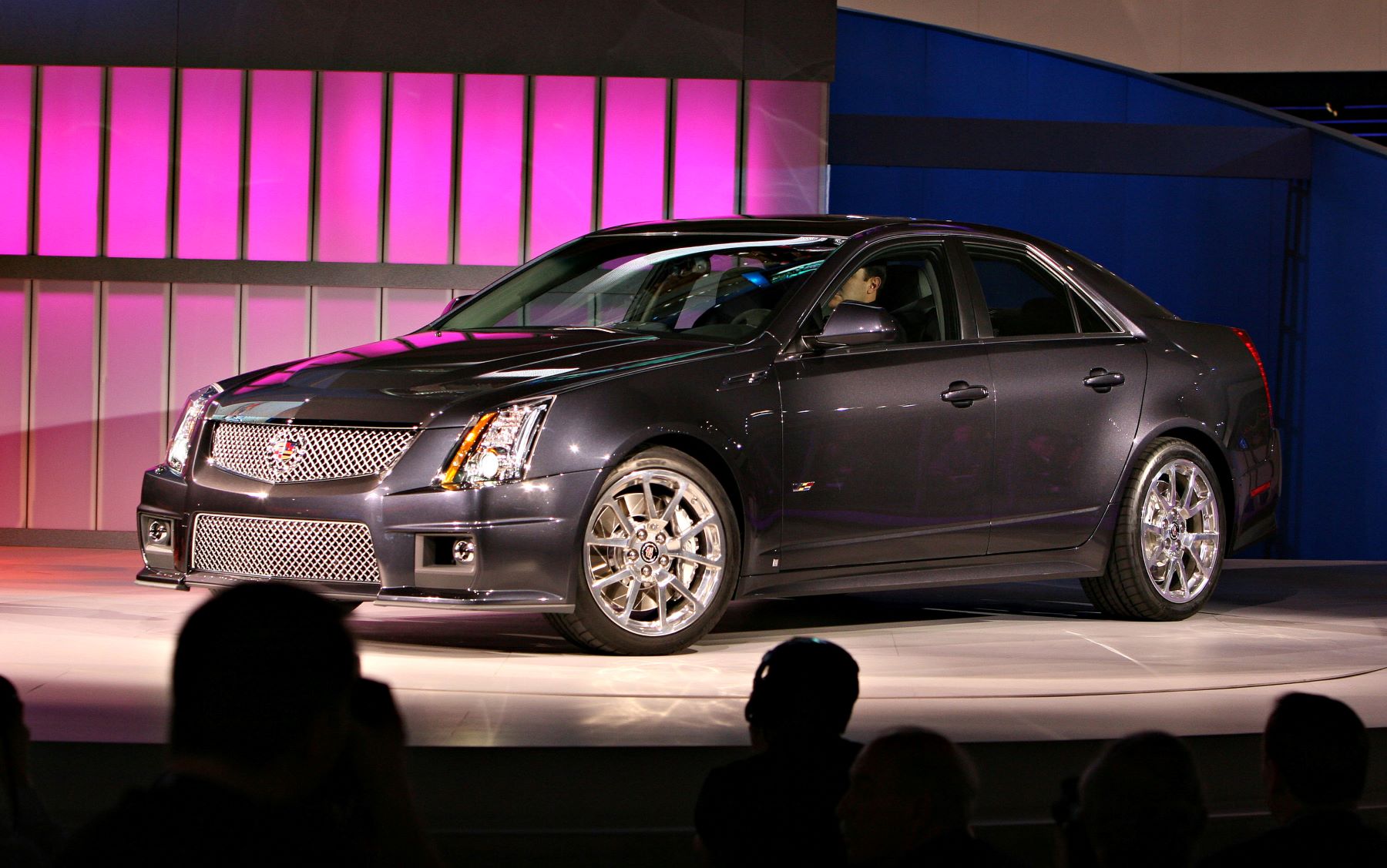
These examples show that while some owners get lucky, the risk is much higher with early years.
Credit: www.motorbiscuit.com
Cost Of Ownership: Early Vs. Late Cadillac Sts
Let’s compare estimated ownership costs between the “avoid” years and the recommended years:
| Model Year | Average Annual Maintenance | Likelihood of Major Repair | Estimated Repair Cost Over 5 Years |
|---|---|---|---|
| 2005–2007 | $1,200–$1,800 | High | $6,000–$10,000 |
| 2008–2011 | $900–$1,300 | Medium-Low | $4,000–$6,000 |
As you can see, picking the right year can save you thousands of dollars.
One extra insight: As these cars age, the risk of multiple repairs in a single year goes up. Even if you get a “good” STS, set aside money for surprises.
Smart Tips For Buying A Used Cadillac Sts
If you’re set on buying an STS, keep these tips in mind:
- Have the car inspected by a trusted mechanic before purchase. A pre-purchase inspection can reveal hidden problems the seller may not mention.
- Request a full vehicle history report to check for accidents and maintenance. Services like Carfax or AutoCheck can help.
- Test all electronics and features during your test drive. Don’t rush this step—luxury cars have more features that can break.
- Avoid cars with incomplete or missing service records. A well-maintained history shows the owner cared about the car.
- Be willing to walk away if you notice major issues or if the seller is not transparent. There are always other cars on the market.
Also, consider shopping in areas with less road salt if you want to avoid rust, especially in older models.
Comparing The Cadillac Sts To Competitors
If you’re open to other vehicles, it’s worth comparing the STS to similar luxury sedans from the same era. Competitors include:
- Acura RL
- Infiniti M35/M45
- BMW 5 Series
- Mercedes-Benz E-Class
The Acura RL and Infiniti M are often praised for their reliability, but may lack some of the STS’s American style and comfort. BMW and Mercedes offer strong driving experiences, but repairs and maintenance can be even more expensive than Cadillac.
While each has its strengths and weaknesses, the Cadillac STS can be a value buy in later years if you want American luxury. Still, Japanese and German rivals might offer better reliability, though sometimes at a higher price for maintenance and parts.
Recalls And Safety Concerns
Recalls are not the same as reliability problems, but they are important. Early STS models had several recalls for:
- Fuel leaks
- Electrical fires
- Steering system failures
Always check the VIN (vehicle identification number) with the NHTSA website or your local dealer to confirm all recalls have been addressed. Even minor recalls, like airbag sensors or seatbelt anchors, can affect safety. For more information, visit the National Highway Traffic Safety Administration.
The Importance Of Regular Maintenance
No matter which year you choose, regular maintenance is key for any Cadillac STS. This includes:
- Oil changes every 3,000–5,000 miles
- Transmission fluid changes every 50,000 miles
- Brake fluid, coolant, and power steering fluid checks
- Replacing spark plugs and belts as recommended
Keeping up with maintenance helps prevent problems before they start. For example, changing coolant on schedule can protect the head gaskets. If you’re not sure about the last service date, do a full fluid change after buying the car.
Skipping maintenance is one of the main reasons STS models develop expensive problems.
Resale Value And Depreciation
Cadillac STS models, especially the early years, have high depreciation. This can be good for buyers (low prices), but bad for sellers. Resale value is affected by:
- Model year
- Service history
- Condition
- Market demand
Later models (2008–2011) hold value slightly better due to improved reliability and fewer complaints.
It’s also worth noting that cars with clear titles, no accidents, and all original equipment tend to sell faster and for more money, even among used luxury buyers.
Credit: rerev.com
Insurance And Running Costs
Insurance costs for the STS are average for a luxury sedan. Factors affecting insurance include:
- Driver age and location
- Model year and engine size
- Safety features
The V8 models typically cost more to insure than the V6, due to higher repair costs and more powerful engines. In some states, older luxury cars can also be more expensive to insure because parts are harder to find and repairs take longer.
Don’t forget to factor in fuel costs—both the V6 and V8 require premium gasoline for best performance.
Should You Buy A Cadillac Sts Today?
The Cadillac STS offers a mix of performance, comfort, and technology. But early years (2005–2007) are best avoided unless you’re ready for costly repairs. Later models (2008–2011) can be a smart buy, especially if you find one with a strong maintenance history.
If you want the best value, look for:
- 2008 or newer
- Low mileage
- Service records
- Clean title and no major accidents
Remember, luxury cars often require more expensive repairs and parts than mainstream vehicles. If you’re not ready for higher ownership costs, consider a certified pre-owned vehicle or a different brand.
Frequently Asked Questions
What Are The Worst Cadillac Sts Years To Avoid?
The 2005, 2006, and 2007 Cadillac STS models are widely considered the worst years. They have high rates of engine, transmission, and electrical problems. Owners often face expensive repairs, especially with the Northstar V8 engine.
Are Late-model Cadillac Sts Cars Reliable?
Yes, 2008–2011 STS models are generally more reliable. Most of the early problems were fixed, and these cars have fewer owner complaints. Still, regular maintenance is essential for long-term reliability.
Is The Northstar V8 Engine Really That Bad?
The Northstar V8 is powerful and smooth, but it’s known for problems like head gasket failure and high oil consumption, especially in early STS years. Repairs can be expensive. If you want lower risk, choose the V6 or a later year with improved engine updates.
How Can I Check If An Sts Has Recalls?
Enter the car’s VIN at the NHTSA website or ask a Cadillac dealer. They can tell you if any recalls apply to your car and whether repairs were completed.
What Should I Check Before Buying A Used Cadillac Sts?
- Test drive the car and listen for odd noises.
- Check all electronics (windows, locks, audio, navigation).
- Look for leaks under the car and in the engine bay.
- Request service records.
- Get a pre-purchase inspection from a trusted mechanic.
Choosing the right year, checking for common problems, and prioritizing regular maintenance can help you enjoy the Cadillac STS experience without costly surprises.