

The L5P Duramax engine is a favorite among truck enthusiasts and people who need serious towing power. With its strong performance and advanced design, the L5P has built a strong reputation since its debut in 2017. But, like any complex diesel engine, not every model year offers the same experience. Some years have been more reliable, while others have shown patterns of issues that owners wish they had avoided. If you’re thinking about buying a used L5P Duramax, it’s smart to know which years are best avoided, and why.
The goal here is to give you clear, useful guidance. You’ll learn which L5P Duramax years to avoid, what problems are common, and what makes certain years better than others. Whether you’re looking for your next work truck or a heavy-duty family hauler, this guide helps you make a confident choice.
What Is The L5p Duramax?
The L5P Duramax is a 6.6-liter V8 turbo-diesel engine developed by General Motors. It replaced the older LML engine in the Chevrolet Silverado HD and GMC Sierra HD trucks starting with the 2017 model year. The L5P brought big improvements over previous generations, including:
- Higher horsepower and torque (445 hp, 910 lb-ft)
- Stronger internal parts
- Improved fuel injection system
- Better emissions controls
These upgrades made the L5P one of the most powerful and advanced diesel engines in its class. It’s used mainly in the Silverado 2500/3500HD and Sierra 2500/3500HD trucks.
Why Some L5p Duramax Years Are Best Avoided
Not all L5P engines are equal. Every new engine generation faces early challenges, and the L5P is no exception. The first model years usually face more problems as real-world use exposes weaknesses. Later years often see improvements and fixes after customer feedback.
Here are the main reasons why some L5P years are best avoided:
- Early production issues: First-year engines often have more manufacturing defects.
- Software and electronics glitches: New emissions and fuel systems sometimes cause check engine lights or limp mode.
- Component wear: Certain parts like injectors, sensors, or transmission parts may fail sooner in some years.
- Recalls and service bulletins: Some years have more official recalls, showing repeated trouble.
Understanding these points helps you spot patterns and make a smarter choice.
L5p Duramax Model Years Overview
To see which L5P Duramax years are most reliable, it helps to compare the key details for each model year. Here’s a quick look at the main specs and updates:
| Model Year | Horsepower | Torque (lb-ft) | Transmission | Notable Changes |
|---|---|---|---|---|
| 2017 | 445 | 910 | 6-speed Allison | First L5P year, all-new engine |
| 2018 | 445 | 910 | 6-speed Allison | Minor software updates |
| 2019 | 445 | 910 | 6-speed Allison | Small changes; new body style for HD trucks (mid-year) |
| 2020 | 445 | 910 | 10-speed Allison | All-new HD trucks; new 10-speed transmission |
| 2021 | 445 | 910 | 10-speed Allison | More tech features, improved towing |
| 2022 | 445 | 910 | 10-speed Allison | Minor updates, improved emissions |
| 2023 | 445 | 910 | 10-speed Allison | Refined interior, tech upgrades |
The first-year L5P (2017) was a huge leap in performance. But, as you’ll see, that first year also brought some headaches for owners.
L5p Duramax Years To Avoid (and Why)
After careful research and owner reports, these are the main L5P Duramax years to approach with caution:
2017 L5p Duramax
The 2017 model year was the debut for the L5P engine. While it impressed with big power numbers, it also came with a higher rate of early problems:
- Turbocharger failures: Some owners reported turbo issues before 60,000 miles. This often meant expensive repairs.
- Injector problems: Early L5P injectors sometimes developed leaks, causing rough idling or hard starting.
- Software glitches: New emissions and fuel systems sometimes triggered warning lights or limp mode.
- Transmission concerns: The 6-speed Allison transmission, while strong, had some calibration issues in 2017 that led to harsh shifting.
A unique challenge in 2017 was that GM was still learning how the new engine performed in all conditions. As a result, some problems were only fixed in later years.
2018 L5p Duramax
While 2018 saw fewer issues than 2017, it still carried some early production challenges:
- Sensor failures: Owners reported repeated failures of NOx sensors and DEF system components.
- Electrical gremlins: Some trucks had random check engine lights or electrical issues, often related to the new emissions controls.
- Fuel system quirks: A few cases of high-pressure fuel pump (HPFP) failures appeared, which can be costly and time-consuming to repair.
Although improvements were made, the 2018 models still hadn’t ironed out all the bugs.
2019 L5p Duramax (early Build)
The 2019 model year is a split year for GM HD trucks. Early 2019 trucks (built before the redesign) kept the older body style and the same 6-speed transmission. These early 2019s sometimes showed holdover issues from 2017 and 2018:
- Carryover glitches: Problems with sensors and emissions systems continued in some trucks.
- Build quality problems: Some owners reported fit and finish issues as GM prepared for the new body style.
Mid-2019 and later trucks, with the new body and updated electronics, saw fewer complaints.
Model Years Generally Considered Safe
From 2020 onward, the L5P Duramax matured:
- The 10-speed Allison transmission replaced the older 6-speed, providing smoother power delivery.
- GM fixed many early software and emissions bugs.
- Fewer reports of major engine or turbo failures.
If you want to avoid headaches, trucks from 2020, 2021, 2022, and 2023 are usually the safest bets.
Common Problems In Early L5p Duramax Engines
Understanding the specific problems in the years to avoid helps you check used trucks more carefully.
Turbocharger Failures
The L5P turbo is a high-performance part, but early units (mainly 2017) had issues with bearings or seals failing. Symptoms included:
- Whining noises under boost
- Loss of power
- Blue or gray smoke from the exhaust
A failed turbo can cost $2,500–$4,000 to replace.
Fuel Injector Issues
Some early L5P injectors were prone to leaking or sticking. This caused:
- Hard starting, especially when cold
- Rough idle
- Poor fuel economy
Injector replacement is expensive, so check service history before buying.
High-pressure Fuel Pump (hpfp) Failures
A few owners (mainly 2018) faced HPFP failures. When this part fails, it can send metal particles through the fuel system, damaging injectors and lines. Repair costs can top $6,000.
Emissions System Problems
The L5P uses a complex Selective Catalytic Reduction (SCR) system with DEF fluid. Common complaints include:
- NOx sensor failures
- DEF pump issues
- Random check engine lights
While these don’t always strand you, they can lead to downtime and repair bills.
Transmission Shifting Issues
In 2017, some owners reported rough or delayed shifting with the 6-speed Allison transmission. Later software updates helped, but not all trucks were updated.
How To Spot A Problem L5p Duramax
Buying used means doing extra homework. Here’s how to check if an L5P has hidden issues:
- Check service records: Look for repeated repairs on the same part, especially injectors, turbo, or sensors.
- Scan for codes: Use a basic OBD-II scanner to check for stored trouble codes.
- Test drive: Watch for rough shifting, smoke, or warning lights.
- Ask about recalls: Make sure all recall work is complete.
- Check for modifications: Avoid heavily modified trucks, as tuning can hide or cause engine problems.
If a truck shows several of these red flags, it’s smart to keep looking.
Comparing L5p Duramax Years: Reliability And Owner Satisfaction
Real-world owner feedback is one of the best ways to judge reliability. Here’s a comparison of owner-reported problems and satisfaction by year.
| Model Year | Major Engine Issues (per 100 trucks) | Emissions Problems (per 100 trucks) | Owner Satisfaction (1-5) |
|---|---|---|---|
| 2017 | 7 | 13 | 3.6 |
| 2018 | 5 | 11 | 3.9 |
| 2019 | 4 | 9 | 4.1 |
| 2020 | 2 | 4 | 4.5 |
| 2021-2023 | 1 | 2 | 4.7 |
You can see the clear trend: later years have fewer problems and higher satisfaction.
Cost Of Ownership: L5p Duramax Good Years Vs. Bad Years
Buying a used L5P isn’t just about the sticker price. Maintenance and repairs matter, too. Here’s an estimate of average yearly costs for “bad” vs “good” years:
| Model Year | Average Annual Repairs ($) | Most Common Repairs |
|---|---|---|
| 2017-2018 | 1,400 | Turbo, injectors, sensors |
| 2019 | 950 | Sensors, emissions, minor leaks |
| 2020-2023 | 600 | Regular maintenance, rare sensor |
While newer trucks cost more up front, you’ll save money (and stress) over time.
What Makes The Best L5p Years More Reliable?
The 2020 and newer L5P Duramax models stand out for a few reasons:
- Mature design: By 2020, GM had fixed most early engine and software bugs.
- Better transmission: The 10-speed Allison delivers smoother shifts and better towing.
- Improved emissions system: Fewer sensor and DEF problems thanks to updated parts.
- More tech and safety: Newer trucks offer better cameras, towing aids, and comfort features.
One insight that many buyers miss: GM quietly updated many engine parts (like improved injectors and sensors) without always announcing them. Trucks built in late 2019 and after usually benefit from these “silent” upgrades.
Practical Tips When Shopping For A Used L5p Duramax
If you’re set on a used L5P, here’s how to maximize your chances of a good buy:
- Prefer 2020 or newer: These have the fewest known issues.
- If buying 2017-2019, get a warranty: Many dealers offer powertrain coverage for peace of mind.
- Buy from a southern or dry climate: Trucks from rust-prone areas may have hidden problems.
- Avoid heavily tuned or modified trucks: Performance tunes can increase wear and hide problems.
- Get a pre-purchase inspection: A diesel specialist can spot early signs of injector or turbo trouble.
Many buyers focus only on mileage, but how the truck was used matters more. A well-maintained 2018 that towed light loads can be better than a hard-used 2020.

Credit: www.reddit.com
Owner Stories: Real-world Experiences
Hearing from real owners adds context that data can’t always show.
- 2017 L5P owner: “Loved the power, but I had the turbo fail at 52,000 miles. GM fixed it under warranty, but it was a hassle being without my truck for two weeks.”
- 2018 L5P owner: “Mostly good, but I replaced the NOx sensor twice in two years. Truck was great for towing, but the emission warnings were annoying.”
- 2021 L5P owner: “Zero problems in 40,000 miles. Transmission is way smoother than my old 2015. Would buy again.”
The lesson: early L5Ps can have great power and comfort, but more downtime and repair costs.
L5p Duramax Vs. Other Diesel Engines
How does the L5P compare to other popular diesel options, like the Ford Power Stroke or Ram Cummins?
- Power: The L5P is among the strongest in its class (445 hp, 910 lb-ft).
- Reliability: Newer L5Ps are very reliable; early years less so.
- Emissions issues: All modern diesels have some sensor or DEF problems, but the L5P’s issues are more common in 2017-2018.
- Transmission: The 10-speed Allison is smoother than Ram’s older 6-speed.
- Resale value: L5P trucks hold value well, but early models with repair history may sell for less.
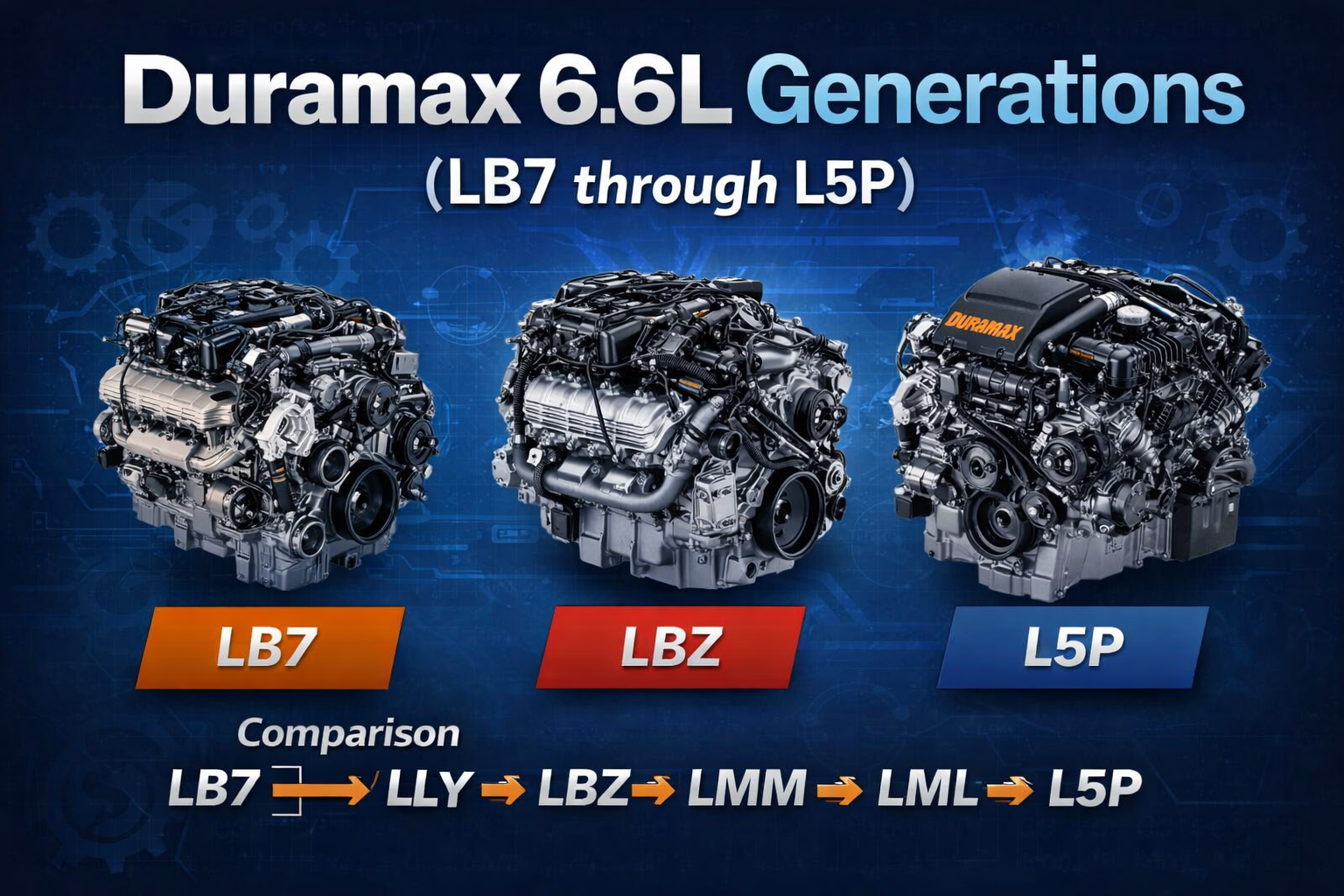
If you want more comparison data or owner reviews, check sites like The Drive for in-depth articles and real-world stories.
Credit: www.northtexastruckstop.com
Is It Ever Worth Buying A 2017–2018 L5p Duramax?
Some buyers get a good deal on early L5P trucks. Is it ever worth the risk?
It can be, but only if:
- The truck has full service records.
- Major problem parts (turbo, injectors, sensors) have already been replaced.
- You plan to keep the truck for light use, not heavy towing.
If you can negotiate a low price and budget for possible repairs, an early L5P can still be a strong workhorse. Just know you may have more downtime than with a newer truck.
How Gm Improved The L5p Over Time
One thing that’s often missed: GM listened to customer complaints and made steady improvements. Some of the most important fixes:
- Updated sensors: New part numbers for NOx and DEF sensors starting in 2019 reduced failures.
- Software reprograms: Dealer updates fixed many random warning lights and shifting issues.
- Transmission upgrades: The 10-speed Allison introduced in 2020 is more robust and smoother.
- Better materials: Some internal engine parts were upgraded for longevity.
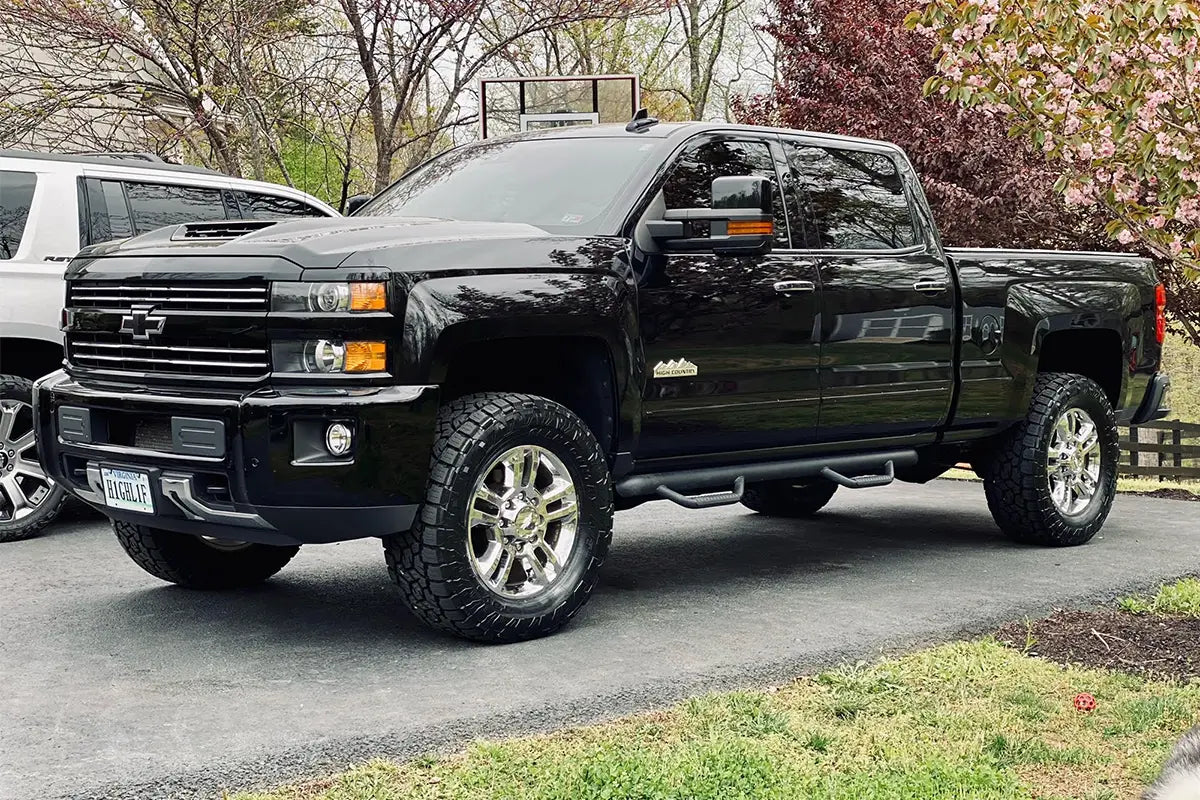
If you find a 2017-2018 truck with all updates and recall work done, it’s much less risky than one that hasn’t seen a dealer since new.
Credit: spetuner.com
The Bottom Line: Which L5p Duramax Years To Avoid
To sum up:
- 2017 is the riskiest L5P year due to first-year bugs, turbo/injector issues, and emissions glitches.
- 2018 is better, but still has sensor and fuel system concerns.
- Early 2019s (old body style) can carry over some previous problems.
- 2020 and newer are your safest bet, with improved reliability, better transmission, and fewer complaints.
If you’re buying used, always check service history and avoid trucks with repeated repairs or heavy modifications.
Frequently Asked Questions
What Is The Best Year For The L5p Duramax?
The 2020 model year and newer are the best L5P Duramax options. These years have the fewest engine and emissions problems, use the smoother 10-speed Allison transmission, and benefit from upgrades made after customer feedback. Owner satisfaction is also highest for 2020–2023 trucks.
Are L5p Duramax Engines Reliable?
Yes, especially from 2020 onward. Early years (2017–2018) had more problems with turbos, injectors, and sensors. Later models are among the most reliable heavy-duty diesel engines available, with proper maintenance.
What Are The Most Common Problems With Early L5p Duramax Engines?
The main issues are turbocharger failures, injector problems, HPFP failures, and emissions system sensor faults. Most of these were fixed in later years, but can be expensive to repair in 2017–2018 models.
Is The 6-speed Allison Transmission Less Reliable Than The 10-speed?
The 6-speed Allison is strong, but some early L5P trucks had shifting or calibration issues. The 10-speed Allison (2020+) is smoother, handles power better, and has fewer complaints. For the best experience, choose the newer transmission.
Should I Avoid A Modified Or Tuned L5p Duramax?
Yes, especially if you’re new to diesels. Tuning can hide or cause problems with emissions, fuel, and turbo systems. Mods also void warranties and make diagnosis harder. Stock or lightly modified trucks are safest.
Buying an L5P Duramax can be a great investment if you pick the right year and do your homework. Knowing which years to avoid—and why—will help you get years of reliable, powerful service from your truck.