The BMW 335i is a car that excites many driving fans. It delivers a mix of luxury, power, and true driving pleasure. But, not every year of the 335i is equal. Some years are known for big problems and high repair costs. If you want to buy a used 335i, knowing which years to avoid can save you money and headaches. This guide is your trusted advisor to the BMW 335i’s most risky years, what issues they have, and how to find the best value for your money.
Why The Bmw 335i Gets So Much Attention
BMW launched the 335i in 2007 as part of the E90 3 Series lineup. It came with a turbocharged inline-six engine, which gave it more power than any other 3 Series at the time (except the M3). Enthusiasts loved the smooth power delivery, quick acceleration, and the balance of comfort and handling. For many, it became a “sweet spot” of performance and luxury.
But, while the 335i is thrilling to drive, it is also complex. It uses advanced engines and electronics, and these can develop expensive problems. Some years are especially risky because of design flaws, manufacturing mistakes, or weak components.
If you’re thinking about buying a used BMW 335i, it’s not enough to just look at the price or mileage. You need to know which years are most likely to give you trouble.
Key Years Of The Bmw 335i: A Quick Overview
The BMW 335i was produced in several generations:
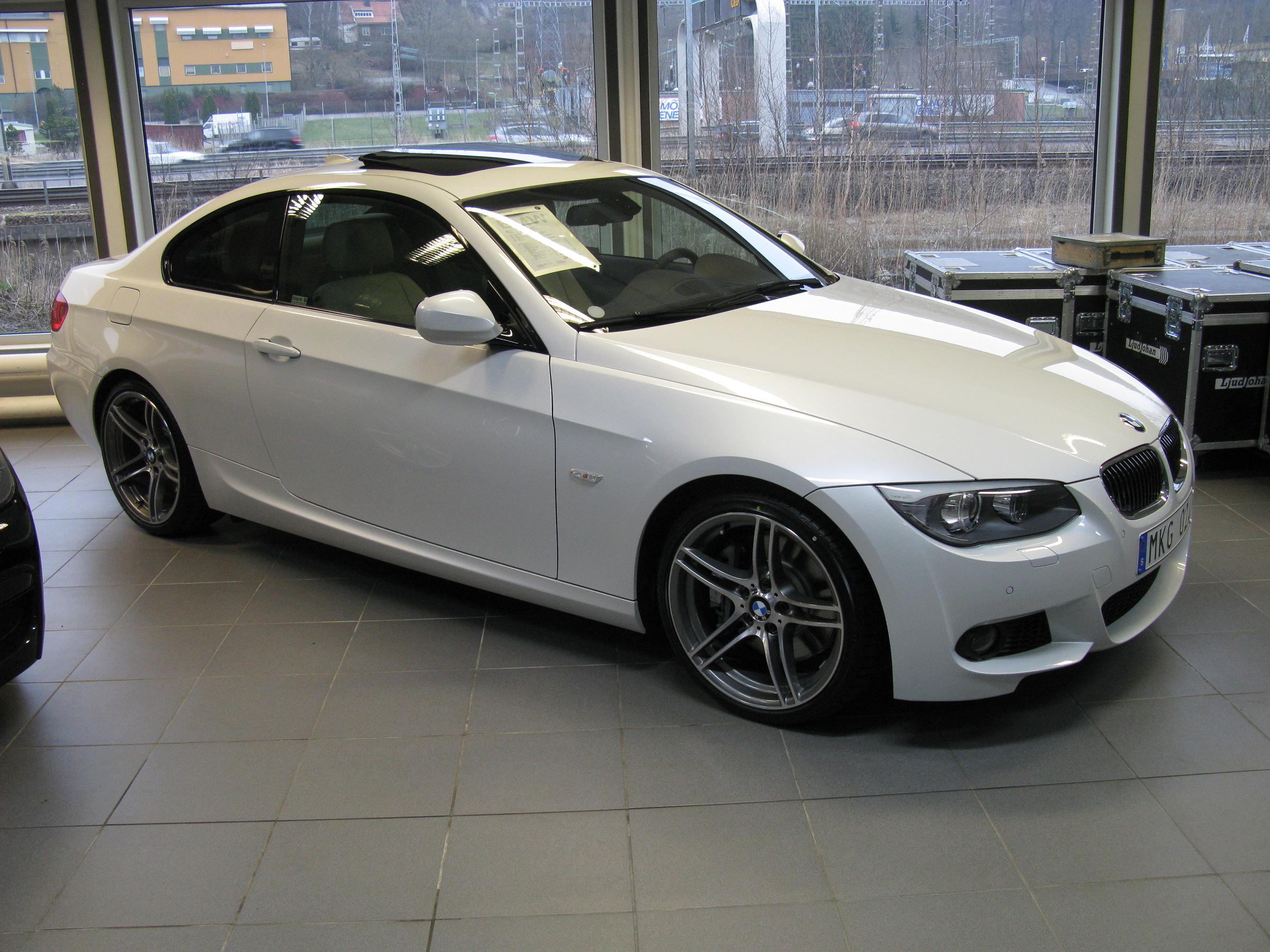
- E90/E92/E93 (2007–2011): Sedan, coupe, and convertible
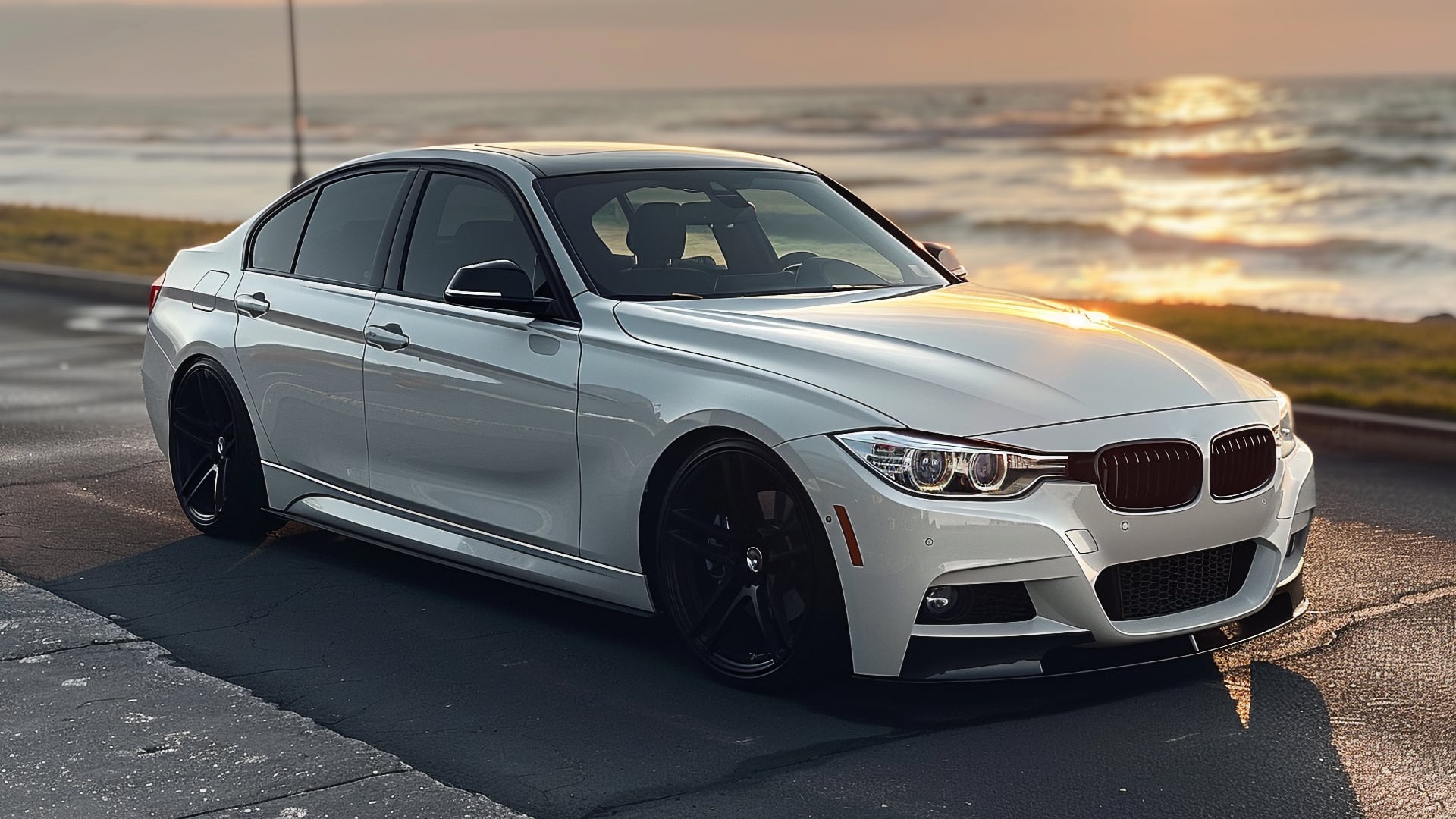
- F30 (2012–2015): Sedan only
Each generation used different engines and technology. The N54 engine (2007–2010) is famous for power and tuning potential but also for its problems. The N55 engine (2011–2015) improved reliability, but not all issues disappeared.
Let’s take a closer look at the years you should be careful with.
Bmw 335i Years To Avoid
Some 335i years are known for big, expensive issues. Owners and mechanics often point to these as the worst for repairs and reliability.
2007–2008 Bmw 335i (e90/e92/e93)
The first years of the 335i are often called the most dangerous to buy used. They use the N54 engine, which is powerful but full of known problems.
Common Problems
- High Pressure Fuel Pump (HPFP) Failure
- The HPFP often fails without warning, causing stalling or poor starting. Replacing it can cost between $1,200 and $2,000.
- Turbocharger Wastegate Rattle
- Turbos develop rattling noises and eventually fail. Turbo replacement can cost $3,000–$4,000.
- Fuel Injector Leaks
- Bad injectors cause rough running, engine misfires, and poor fuel economy. Replacement is expensive and sometimes requires all six injectors.
- Water Pump Failure
- The electric water pump often fails before 80,000 miles. Failure can overheat the engine and cause bigger damage.
- Carbon Build-Up
- The direct injection system leads to carbon on intake valves, causing rough idle or loss of power. Walnut blasting (cleaning) is needed every 50,000–60,000 miles.
- Valve Cover and Gasket Leaks
- Oil leaks from the valve cover gasket and oil filter housing are common, causing smoke or burning smells.
Why These Years Are Risky
BMW was still learning about turbocharging and direct injection. The early N54 engines didn’t have all the bugs worked out. Many owners had to replace expensive parts multiple times. BMW extended some warranties for the HPFP and turbo wastegate, but many cars are now out of coverage.
Real-world Example
Many 2007–2008 owners report their car spent more time at the shop than on the road. Some had to replace the HPFP more than once. While some enthusiasts enjoy fixing these cars, buyers who want a trouble-free daily driver should look elsewhere.
2009–2010 Bmw 335i (e90/e92/e93)
BMW made some improvements in these years, but the N54 engine still had most of its old issues.
What Got Better
- BMW updated the HPFP, which reduced (but did not eliminate) sudden failures.
- Some early turbo problems were fixed with new part numbers.
What Stayed Bad
- Injector and coil failures remained common.
- Wastegate rattle and turbo failures were still a risk.
- Water pump failures continued.
- Carbon build-up still required regular cleaning.
Should You Avoid 2009–2010?
These years are a little better than 2007–2008, but they are still risky. You may get lucky with a well-maintained example, but many owners still faced big repair bills. If you want peace of mind, it’s safer to skip these years.
2011 Bmw 335i (e90/e92/e93) – The Transition Year
BMW switched to the N55 engine for 2011. This engine used a single twin-scroll turbo instead of two turbos. It was designed to be more reliable and simpler.
Improvements
- Fewer turbo failures
- Lower risk of wastegate rattle
- HPFP was improved again
Problems Still Present
- Water pump failures continued
- Carbon build-up was less, but still possible
- Some owners reported timing chain issues (rare, but expensive if it happens)
Is 2011 Safe?
The 2011 model is much better than earlier years, but it’s still a “transition” year. Some cars had leftover old parts, and some owners noticed minor glitches with the new engine. It’s a better choice than 2007–2010, but still not the most reliable.
2012–2013 Bmw 335i (f30)
BMW redesigned the 3 Series for 2012 (F30 generation). The new N55 engine was more reliable, and the car had a new interior and updated electronics.
Reliability Changes
- Fewer reports of major engine issues
- Water pump failures still happened, but less often
- Electrical glitches became more common (iDrive, sensors, etc.)
- Some buyers reported steering and suspension problems
Problems To Watch For
- Early F30s had some transmission issues (jerky shifting, hesitation)
- Some cars had weak fuel injectors (fewer than before, but still possible)
- The electronic steering system sometimes failed
Should You Avoid 2012–2013?
These years are much safer than older models, but the first years of a new model often have “teething” problems. If you want the safest bet, look for a later F30, but 2012–2013 is acceptable if the car has strong maintenance records.
2014–2015 Bmw 335i (f30)
These are the best years for used 335i buyers. The N55 engine was well-tested, and most early bugs were fixed.
What’s Good
- Lowest rate of major engine failures
- Most reliable electronics and infotainment
- Improved interior quality
What To Watch For
- Water pump can still fail, but it’s less common
- Some electrical sensors may need replacement over 100,000 miles
- Suspension bushings and control arms wear with age
Are 2014–2015 The Best Years?
If you want a used 335i, these are the years to aim for. They have the fewest horror stories, and repair costs are usually lower. Just remember, all BMWs need regular maintenance and some repairs as they age.
Quick Comparison: Bmw 335i Years And Their Main Problems
To help you see the differences, here’s a simple comparison:
| Model Year | Main Engine | Known Problems | Reliability Rating |
|---|---|---|---|
| 2007–2010 | N54 (Twin-Turbo) | HPFP, Turbo, Injectors, Water Pump, Carbon Build-Up | Poor |
| 2011 | N55 (Single-Turbo) | Water Pump, Minor Turbo, Timing Chain (rare) | Average |
| 2012–2013 | N55 (F30) | Electrical, Transmission, Steering | Good |
| 2014–2015 | N55 (F30) | Minor Electrical, Water Pump (rare) | Best |
Key Issues That Make Some Bmw 335i Years Risky
Let’s look deeper at the most expensive and common problems. Knowing these will help you spot warning signs when shopping for a used 335i.
High Pressure Fuel Pump (hpfp) Failure
The HPFP delivers fuel at high pressure to the engine. In the N54 335i, it often fails early. BMW even had a recall and warranty extension. Symptoms include:
- Long cranking or hard starts
- Stalling at idle or while driving
- Check engine light and rough running
If you buy an early 335i, check if the HPFP was replaced. If not, budget for this repair.
Turbocharger Wastegate Rattle And Failure
The N54 uses two small turbos. Over time, the wastegate (which controls boost pressure) gets loose and rattles. It sounds like metal tapping at idle and can get worse. Eventually, the turbos may lose power or fail.
A new turbo setup can cost $3,000–$4,000. Some owners try to repair the wastegate, but it’s only a short-term fix.
Water Pump Failure
All 335i models use an electric water pump. Unlike older pumps, these can fail suddenly with little warning. When they die, the engine can overheat very fast.
- Replacement cost: $900–$1,500
- Warning sign: Engine temperature warning, low coolant light
Many owners replace the water pump as preventive maintenance every 60,000–80,000 miles.
Carbon Build-up
Direct injection sprays fuel directly into the cylinder, so no fuel washes over the intake valves. This lets carbon deposits build up, causing poor idle and power loss. Walnut blasting cleans the valves, but it’s not cheap.
- Cleaning cost: $400–$700
- Needed every 50,000–60,000 miles
Electrical And Sensor Problems
Later F30 models have more electronics. Common issues include:
- Failing oxygen (O2) sensors
- Bad wheel speed sensors (ABS/traction warning)
- IDrive screen glitches or freezing
These issues are less likely to strand you, but they can be annoying and expensive at the dealer.
How To Spot A Good Used Bmw 335i
If you want to avoid trouble, you need to do more than just pick the right year. Here’s how to improve your odds:
- Check Service Records
- Look for proof of regular oil changes, cooling system work, and major repairs (HPFP, turbos, water pump).
- Get a Pre-Purchase Inspection
- A BMW specialist can spot hidden problems before you buy.
- Ask About Warranty
- Some later models may have extended warranties, especially for emissions or turbo parts.
- Look for Updated Parts
- If the car had the HPFP, turbos, or injectors replaced, it’s a safer bet.
- Avoid High-Mileage, Low-Price Deals
- If it looks too cheap, it may have hidden problems.
How Bmw 335i Repair Costs Compare
BMWs are famous for expensive repairs, but the 335i can be especially costly in bad years. Here’s a comparison of estimated repair costs for major issues:
| Repair Type | 2007–2010 Model Cost | 2011 Model Cost | 2012–2015 Model Cost |
|---|---|---|---|
| HPFP Replacement | $1,200–$2,000 | $1,000–$1,500 | $1,000–$1,500 |
| Turbo Replacement | $3,000–$4,000 | $2,500–$3,500 | Rarely needed |
| Water Pump | $900–$1,500 | $900–$1,500 | $900–$1,300 |
| Carbon Cleaning | $400–$700 | $400–$700 | $400–$600 |
| Injector Set | $1,200–$2,500 | $1,000–$1,800 | $800–$1,400 |
Non-obvious insight: Even if you save money buying an older 335i, one big repair can wipe out your savings. Later models may cost more upfront but save you thousands on repairs.
Why Some Enthusiasts Still Want “bad” Years
You may wonder, if the early 335i years have so many issues, why do some people still want them? The answer is simple: tuning potential.
The N54 engine (2007–2010) can make huge power with simple modifications. Some owners get 400–500 horsepower with just a tune, exhaust, and intake. The engine block is strong, and the twin turbos respond well to upgrades.
But, tuning also adds stress to old parts. If you want a reliable daily driver, later years are smarter. If you want a project car and like fixing things, an early N54 can be fun—but expect to spend money and time on repairs.
Credit: www.copilotsearch.com
Common Mistakes When Buying A Used Bmw 335i
Many buyers make the same mistakes with used 335i models. Here’s what to watch out for:
- Ignoring Service History
- A car with missing records is risky. Many problems are hidden until it’s too late.
- Trusting Only Low Mileage
- A low-mile 2007–2010 car can still have all the classic problems waiting to appear.
- Skipping the Inspection
- BMWs hide issues well. Only a trained mechanic can spot upcoming failures.
- Thinking “One Owner” Means Safe
- Even a single owner can skip maintenance.
- Not Budgeting for Repairs
- Even the best 335i will need repairs. Budget at least $1,500 per year for upkeep.
How The Bmw 335i Compares To Other Used Performance Cars
If you’re considering a 335i, you might also look at other used sporty sedans. Here’s how the 335i compares to its main rivals:
| Model | Engine | Reliability | Repair Cost | Driving Experience |
|---|---|---|---|---|
| BMW 335i (2012–2015) | Turbo I6 | Above Average | High | Sporty, Balanced |
| Audi S4 (B8, 2010–2016) | Supercharged V6 | Average | High | Quick, AWD |
| Infiniti Q50 (2014–2017) | V6 (NA/Turbo) | Good | Medium | Comfortable, Less Sporty |
| Mercedes C350 (2012–2015) | V6 | Above Average | Medium | Comfortable, Smooth |
Non-obvious insight: While the 335i is often the best to drive, it usually costs more to maintain than its Japanese or Mercedes rivals. Only buy it if you really value the driving experience.

Credit: www.bmwblog.com
Expert Tips For Picking A Reliable Bmw 335i
Here are some tips that can save you from the most common mistakes:
- Buy the newest model you can afford. Each year, BMW fixed more issues.
- Insist on full service records. Avoid “mystery” cars.
- Ask for proof of major repairs. Especially water pump, HPFP, and injectors.
- Drive the car for 20–30 minutes before buying. Some issues only show when hot.
- Check for codes with a BMW-specific scanner (not just a generic OBD2).
- Avoid heavily modified cars unless you want a project. Stock is safer for reliability.
What If You Already Own A “bad” Year?
If you already have a 2007–2010 335i, don’t panic. Many owners drive these cars for years with no big problems—if they stay ahead of maintenance.
- Replace the water pump and HPFP before failure, not after.
- Clean the intake valves every 50,000 miles.
- Change oil every 5,000–7,500 miles (not the factory 15,000-mile interval).
- Use top-tier fuel and good quality oil to keep the engine cleaner.
- Listen for new noises and fix small problems before they get worse.
If you keep up with care, even the “bad” years can be fun cars. But don’t ignore warning signs.
Credit: rerev.com
Frequently Asked Questions
What Is The Worst Year For The Bmw 335i?
The 2007–2008 BMW 335i (E90/E92/E93) is considered the worst for reliability. These years have the most reports of HPFP failure, turbo problems, and expensive repairs. Unless you want a project car, avoid these years if you want lower ownership costs.
Is The Bmw 335i Reliable After 100,000 Miles?
A well-maintained 2012–2015 335i can be reliable after 100,000 miles. The key is regular maintenance, replaced water pump, and careful driving. The 2007–2010 models are riskier after 100,000 miles unless all major repairs were already done.
How Do I Know If The Hpfp Or Turbo Was Replaced?
Ask for service records from the owner or dealer. BMW replaced many HPFPs and turbos under warranty. The records should show the part numbers and repair dates. Avoid cars without proof of these repairs.
Is The 335i Expensive To Maintain Compared To Other Cars?
Yes, the 335i costs more to keep running than a Honda or Toyota. Annual maintenance and repairs can easily be $1,500–$2,000 or more, especially for older models. Later years (2014–2015) are less expensive, but still not cheap.
Where Can I Find More Detailed Bmw 335i Reliability Data?
For more owner reviews and reliability statistics, visit the Consumer Reports BMW 335i page. This site collects real-world repair data from thousands of owners.
Choosing a used BMW 335i can be rewarding if you pick the right year and maintain it well. Remember, the best deals often cost a little more up front—but they save you money and stress in the long run. Know what to avoid, and you can enjoy one of BMW’s most exciting cars for years to come.