

Buying a used Jeep Wrangler JK can be exciting. The JK generation, made from 2007 to 2018, is famous for its off-road ability, classic look, and fun driving experience. But not every Jeep JK is a good choice. Some model years have serious problems that can cost you time and money. Understanding which Jeep JK years to avoid will help you make a smarter purchase and enjoy your Jeep adventure without regrets.
This guide will walk you through the worst JK years, explain the main issues, and offer tips to find a reliable Jeep. If you’re considering a used JK, this article can save you from expensive mistakes.
What Makes Some Jeep Jk Years Risky?
Not all Jeep JKs are equal. The model went through changes, upgrades, and recalls over its production run. Certain years had parts that failed more often, weak engines, or electrical troubles. These problems are not just annoying—they can be dangerous, costly, or leave you stranded.
Three main factors make some JK years worse than others:
- Factory recalls: Sometimes Jeep had to fix big mistakes after selling the cars.
- Common mechanical failures: Some years had engines, transmissions, or electronics that broke often.
- Owner complaints: Real drivers report issues like leaks, rust, or steering problems.
Knowing these risk factors helps you avoid buying a Jeep JK that will cause headaches.
Jeep Jk Overview: Years, Engines, And Major Changes
The JK generation ran from 2007 to 2018. Here’s a quick look at the main changes:
- 2007–2011: Early JKs, mostly with the 3.8-liter V6 engine. Basic interior and electronics.
- 2012–2018: Later JKs, switched to the 3.6-liter Pentastar V6. Improved electronics, new features, better ride.
To help you compare, here’s a summary of JK model years, engines, and main upgrades:
| Year | Engine | Main Changes |
|---|---|---|
| 2007–2011 | 3.8L V6 | Old engine, basic interior |
| 2012–2018 | 3.6L Pentastar V6 | New engine, upgraded electronics, better ride |
The 3.8-liter V6 is known for weak performance and oil consumption. The newer 3.6-liter Pentastar is stronger but not perfect. Understanding these differences is key for choosing the right Jeep JK.
Jeep Jk Years To Avoid: The Worst Models
If you want to avoid trouble, focus on these JK years with the most complaints and serious issues:
2007 Jeep Wrangler Jk
The first JK model year had many problems. Owners report:
- Engine failures (especially with the 3.8L V6)
- Electrical issues (dash lights, sensors, wiring)
- Leaking roofs and water damage
- Steering “death wobble” (shaking at speed)
- Many recalls for airbags, fuel leaks, and brakes
Early JKs were rushed to market, leading to design mistakes. The 2007 stands out as a year to avoid unless you like fixing things often.
2008 Jeep Wrangler Jk
The 2008 JK continued many of the 2007 issues:
- Oil leaks and engine trouble
- Transmission failures (especially automatic models)
- Electrical faults
- Rust undercarriage and frame
- Airbag recalls
While some improvements were made, the core problems with the engine and electronics remained. Many 2008 JKs are now showing age-related issues, too.
2012 Jeep Wrangler Jk
This year marked the switch to the 3.6L Pentastar V6. While the engine is more powerful, the 2012 JK had some unique problems:
- Cylinder head failure (early Pentastar engines)
- Ticking noises from engine
- Transmission overheating
- Dashboard glitches
- AC system failures
The 2012 JK is famous for engine problems. Many owners had expensive repairs or full engine replacements. Jeep later improved the Pentastar V6, but 2012 models have a higher risk.
2013 Jeep Wrangler Jk
The 2013 JK suffered from lingering engine and electronics issues:
- Head gasket leaks
- Engine misfires
- AC and heater failures
- Water leaks in cabin
- Steering problems
Many 2013 JKs had engine repairs under warranty, but used models may not be covered. Electronics were still unreliable, with frequent complaints about lights and sensors.
2014 Jeep Wrangler Jk
This year saw improvement, but some problems continued:
- Transmission shifting issues
- Engine stalling
- Water leaks
- AC blower failures
2014 JKs are not as risky as earlier years, but still have more complaints than later models.
Why Are 2007–2011 Jks So Problematic?
The biggest issue with 2007–2011 Jeep JKs is the 3.8-liter V6 engine. It is weak, noisy, and prone to:
- Excessive oil consumption
- Low power (only 202 hp)
- Premature failure (some engines die before 100,000 miles)
- Head gasket leaks
- Timing chain problems
Another problem is the old automatic transmission, which shifts poorly and overheats. Electronics are basic and often fail, leading to annoying dash lights or electrical shorts.
The interior quality is also lower in these years. Materials wear quickly, and water leaks are common. Many owners report rust under the frame and body, especially in cold climates.
If you want a reliable Jeep JK, avoid 2007–2011 unless you are ready for repairs and lower resale value.
The Pentastar Engine Problems: 2012 And 2013
Jeep introduced the 3.6-liter Pentastar V6 in 2012. This engine is stronger (285 hp) and smoother but had teething problems.
The main issue is cylinder head failure. Early Pentastar engines (2012–2013) had a flaw on the left cylinder head, causing:
- Engine misfires
- Check engine lights
- Loss of power
Jeep extended the warranty for this issue, but not all used JKs are covered. Repairs can cost over $2,000. Another common problem is ticking noises from the engine, often linked to valve problems.
If you consider a 2012 or 2013 JK, check if the cylinder head was replaced or warranty coverage is available.
Most Reliable Jeep Jk Years
If you want a safer choice, focus on these JK years:
- 2015–2018 Jeep Wrangler JK
These years have fewer complaints, improved electronics, and a more reliable Pentastar engine. Problems like cylinder head failure were solved, and interior materials improved. Water leaks and rust are less common.
Here’s a quick comparison of JK reliability by year:
| Year | Engine | Reliability Score (1–10) | Main Issues |
|---|---|---|---|
| 2007 | 3.8L V6 | 3 | Engine, electrical, leaks |
| 2008 | 3.8L V6 | 4 | Engine, transmission, rust |
| 2012 | 3.6L Pentastar | 5 | Cylinder head failure |
| 2015 | 3.6L Pentastar | 7 | Minor leaks |
| 2018 | 3.6L Pentastar | 9 | Few complaints |
Common Jeep Jk Problems By Year
Let’s break down some of the most frequent issues you’ll find in problem years:
Engine Issues
- Oil consumption: 3.8L V6 burns oil fast. Owners must check oil often.
- Cylinder head failure: Early Pentastar engines misfire and lose power.
- Head gasket leaks: Both engines can leak coolant or oil.
Transmission Problems
- Slipping gears: Especially in 2007–2011 automatics.
- Overheating: Transmission gets hot, especially towing or off-road.
- Poor shifting: Hard to change gears, rough shifts.
Electrical Faults
- Dash lights: Check engine, ABS, and airbag lights are common.
- Sensor failures: Speed, temperature, and oil sensors fail.
- Wiring shorts: Leads to random problems, hard to diagnose.
Water Leaks
- Roof leaks: Hardtop and soft top both leak in early years.
- Door seals: Water enters cabin, causes mold or rust.
Steering And Suspension
- Death wobble: Violent shaking at highway speed, usually from worn suspension.
- Loose steering: Hard to control, risky on road.
How Recalls Affect Jeep Jk Owners
Jeep JKs have been recalled many times for serious safety issues. The worst years have multiple recalls:
- 2007–2008: Airbags, fuel leaks, brake failures, electrical faults.
- 2012–2013: Airbags, engine problems, wiring issues.
Recalls are fixed for free if you bring your Jeep to a dealer, but many used JKs are never repaired. Before buying, always check the recall status using the VIN.
You can check recalls at the official site: NHTSA Recall Lookup.
Jeep Jk Model Comparison: Features And Upgrades
Over the JK production run, Jeep added new features and improved quality. Here’s a quick look at how the JK evolved:
| Year Range | Engine | Interior | Electronics | Safety |
|---|---|---|---|---|
| 2007–2011 | 3.8L V6 | Basic, poor materials | Limited, frequent faults | Few airbags, recalls |
| 2012–2014 | 3.6L Pentastar V6 | Improved, more features | Better, but early engine issues | More airbags, fewer recalls |
| 2015–2018 | 3.6L Pentastar V6 | Best materials, more options | Reliable electronics | Improved safety, least recalls |
How To Check A Used Jeep Jk Before Buying
If you’re shopping for a used Jeep JK, you can avoid headaches by checking these points:
- Check engine oil: Look for signs of burning oil or leaks.
- Test drive: Listen for engine ticks, transmission shifts, steering wobble.
- Inspect for leaks: Water in cabin, roof, or doors.
- Look for rust: Underbody, frame, and suspension.
- Check recalls: Use the VIN to see if repairs were made.
- Review maintenance history: Regular oil changes, engine repairs, and recalls.
- Ask about cylinder head replacement: For 2012–2013 JKs.
A careful inspection can help you spot hidden problems that lead to expensive repairs.
Non-obvious Insights: What Most Buyers Miss
Many Jeep JK buyers focus only on mileage or price. But here are two insights that can save you money and trouble:
- Aftermarket mods can hide problems: Lift kits, big tires, and custom bumpers are common. But they can cover up rust, suspension wear, or steering issues. Always ask if mods were professionally installed and check for hidden damage.
- Low-mileage JKs aren’t always better: Some JKs sit unused, leading to dry seals, rust, or electrical faults. A JK with regular use and service can be more reliable than a “garage queen” with low miles.
Should You Buy A High-mileage Jeep Jk?
Some buyers worry about high mileage. While it’s true that high miles can mean more wear, JKs with good maintenance often last 200,000 miles or more. The key is service history, not just the odometer.
Look for:
- Regular oil changes
- Transmission fluid changes
- Cooling system service
- Rust protection
If the Jeep was cared for, high mileage is less risky than buying a neglected low-mileage JK.
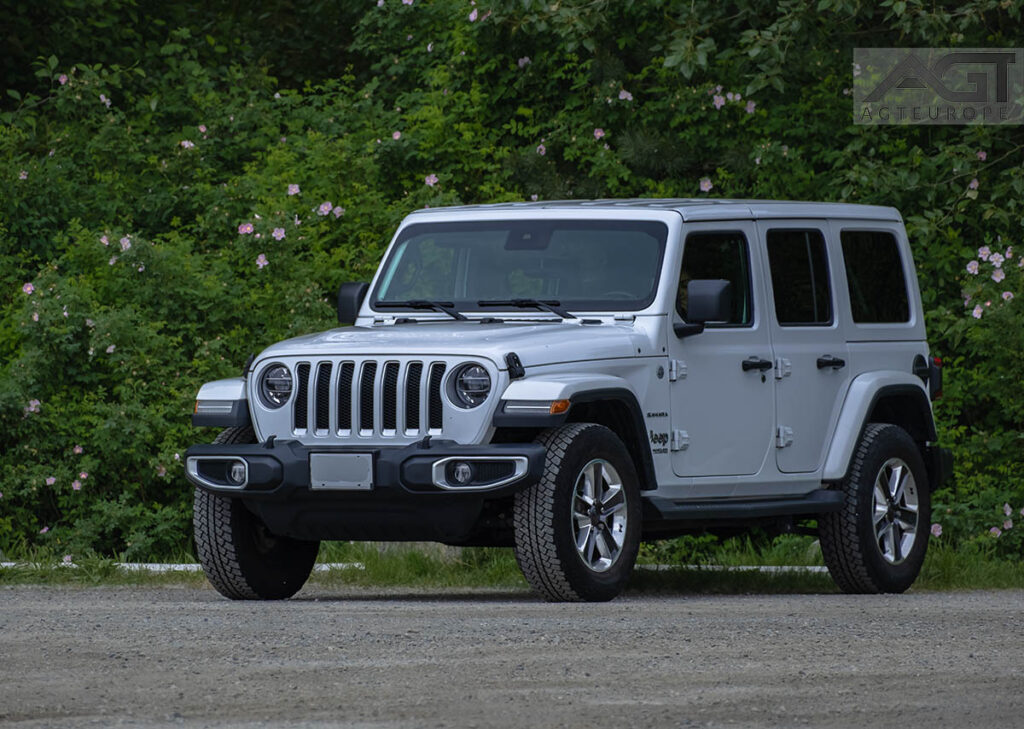
Credit: agtauto.com
Budgeting For Repairs: What To Expect
If you buy a risky JK year, expect these common repair costs:
- Engine replacement: $4,000–$6,000
- Cylinder head repair: $2,000–$3,000
- Transmission rebuild: $2,500–$4,000
- Electrical repairs: $300–$1,500
- Water leak fix: $200–$800
These numbers show why avoiding bad JK years is smart. Some repairs can cost more than the Jeep itself.
Jeep Jk Resale Value: How Bad Years Affect Price
Bad JK years have lower resale value. Buyers know about engine and transmission problems, so prices drop. For example:
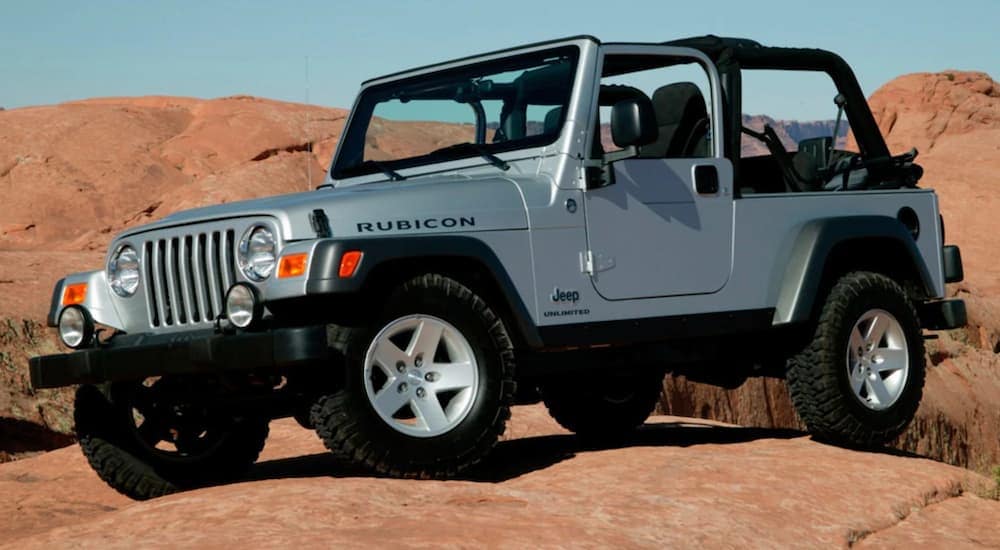
- A 2007 JK with engine issues may sell for $3,000–$5,000 less than a 2015 JK with similar miles.
- 2012 JKs with cylinder head repairs are worth $1,500–$2,000 more than those without.
If you buy a risky JK year, expect to lose money when you sell. Reliable JKs hold value better.
Credit: suparee.com
Which Jeep Jk Years Are Best For Off-road?
Off-road fans want a strong, reliable Jeep. The best JKs for off-road are:
- 2015–2018 Rubicon: Strong engine, upgraded axles, reliable electronics.
- 2012–2014 Rubicon: Good, but check for engine repairs.
Avoid early JKs (2007–2011) unless you plan to rebuild the engine and suspension.
Are Jeep Jks Good Daily Drivers?
JKs are fun, but not the smoothest daily driver. Early years have noisy engines, rough ride, and weak AC. Later years (2015–2018) are much better, with quieter cabins, improved AC, and smoother ride.
If you want a daily driver, pick a 2015–2018 JK. Avoid 2007–2011 unless you’re OK with basic comfort.
Jeep Jk Owner Experiences: Real Stories
Many owners regret buying early JKs. For example:
- Sarah from Colorado bought a 2008 JK with 85,000 miles. She spent $3,000 on engine repairs and still had leaks.
- Mike from Texas bought a 2012 JK. The cylinder head failed at 70,000 miles, costing $2,500.
- Chris from Florida owns a 2015 JK. He only replaced brakes and tires after 120,000 miles, with no engine issues.
These stories show that picking the right JK year can make a big difference.
Alternatives To Jeep Jk: Other Models To Consider
If you want a reliable Jeep but worry about JK issues, consider these:
- Jeep Wrangler JL (2018–present): Newer design, better engine, fewer problems.
- Toyota 4Runner: Strong off-road, reliable, roomy.
- Ford Bronco: New model, modern features.
Each model has pros and cons, but may offer fewer headaches than a risky JK year.
Credit: www.reddit.com
Frequently Asked Questions
What Is The Worst Jeep Jk Year To Buy?
The 2007 Jeep Wrangler JK is often rated as the worst year. It has serious engine, electrical, and water leak problems. Many recalls and owner complaints make it risky.
Is The 2012 Jeep Jk A Good Choice?
The 2012 JK can be risky due to cylinder head failures. If the engine was repaired or replaced, it’s safer. Always check for service records before buying.
Do All 2007–2011 Jks Have Engine Problems?
Most 2007–2011 JKs with the 3.8L V6 have high oil consumption and weak performance. Not every Jeep will fail, but the risk is much higher compared to later models.
How Can I Check If A Jeep Jk Has Recalls?
Use the VIN at NHTSA Recall Lookup. This site shows all open recalls and repair history.
Are Modified Jks More Likely To Have Problems?
Aftermarket mods can hide rust or suspension wear. Always inspect carefully and ask for professional installation records. Modified JKs may be fun but can have hidden issues.
Buying a used Jeep JK can be a rewarding experience if you avoid the worst years. By focusing on reliable models, checking for recalls, and inspecting carefully, you can enjoy your Jeep adventure with fewer worries. The Jeep JK is a classic, but smart buyers know which years to avoid for peace of mind and better value.