

The Ford Focus ST has earned a reputation as a fun, practical hot hatch. It mixes everyday comfort with turbocharged excitement. But not every model year delivers the same experience. Some years stand out for their reliability and driving joy, while others have left owners with frustration and expensive repairs. If you’re thinking about buying a used Ford Focus ST, knowing which years to avoid can save you headaches and money.
This guide offers a deep dive into the problematic Ford Focus ST model years, what went wrong, and which years shine. You’ll learn what to look for, the most common issues, and how to find the best Focus ST for your needs.
Whether you’re an enthusiast or just want a fast, reliable daily car, you’ll find everything you need to make a smart decision.
Understanding The Ford Focus St Legacy
The Ford Focus ST first arrived in Europe in 2002, but the US market saw its debut in 2013. The ST badge stands for “Sports Technologies. ” It means more power, better handling, and a sportier look compared to the regular Focus.
Over the years, the Focus ST has become a favorite among drivers who want excitement without breaking the bank.
The ST is not just about straight-line speed; it’s about a complete package. Owners love the sharp steering, responsive brakes, and the way the car feels planted in corners. This balance between performance and practicality is why the Focus ST is often mentioned alongside the best hot hatches in the world.
Key Generations
- First Generation (Europe, 2002–2010): Not sold in the US. Mainly powered by a 2.5L turbocharged engine. This version is known for its unique 5-cylinder engine sound and strong mid-range power. European enthusiasts still praise this version for its character and tuning potential.
- Second Generation (2012–2018): The most common in the US. It features a 2.0L EcoBoost turbo engine and sharp handling. This generation brought a more refined chassis and modern technology. It’s also the version most people think of when they hear “Focus ST” in America.
- Third Generation (2019–present): Not officially sold in the US. It gets more tech, better performance, and a 2.3L EcoBoost. This newer version is even quicker and more refined, but because it’s not available in the US, it’s mainly a dream for American buyers.
Most US buyers will be looking at 2013–2018 models. These years have the widest availability and are the focus of this article.
What Makes A Year Worth Avoiding?
Some Focus ST years suffer from higher rates of mechanical problems, expensive repairs, or poor build quality. The worst years often have:
- Engine issues (like cracked cylinder heads or oil leaks)
- Transmission problems
- Electrical faults
- Interior or exterior build quality concerns
- Expensive or frequent recalls
It’s not just about minor annoyances. Some problems can lead to breakdowns, safety risks, or huge repair bills. When a model year has repeated issues across thousands of cars, it’s a sign to be careful.
Another important point is that certain problems can affect resale value. Even if you fix the issues, some years have a reputation among buyers, making them harder to sell later. And if you’re not handy with car repairs, these “avoid” years can turn excitement into regret.
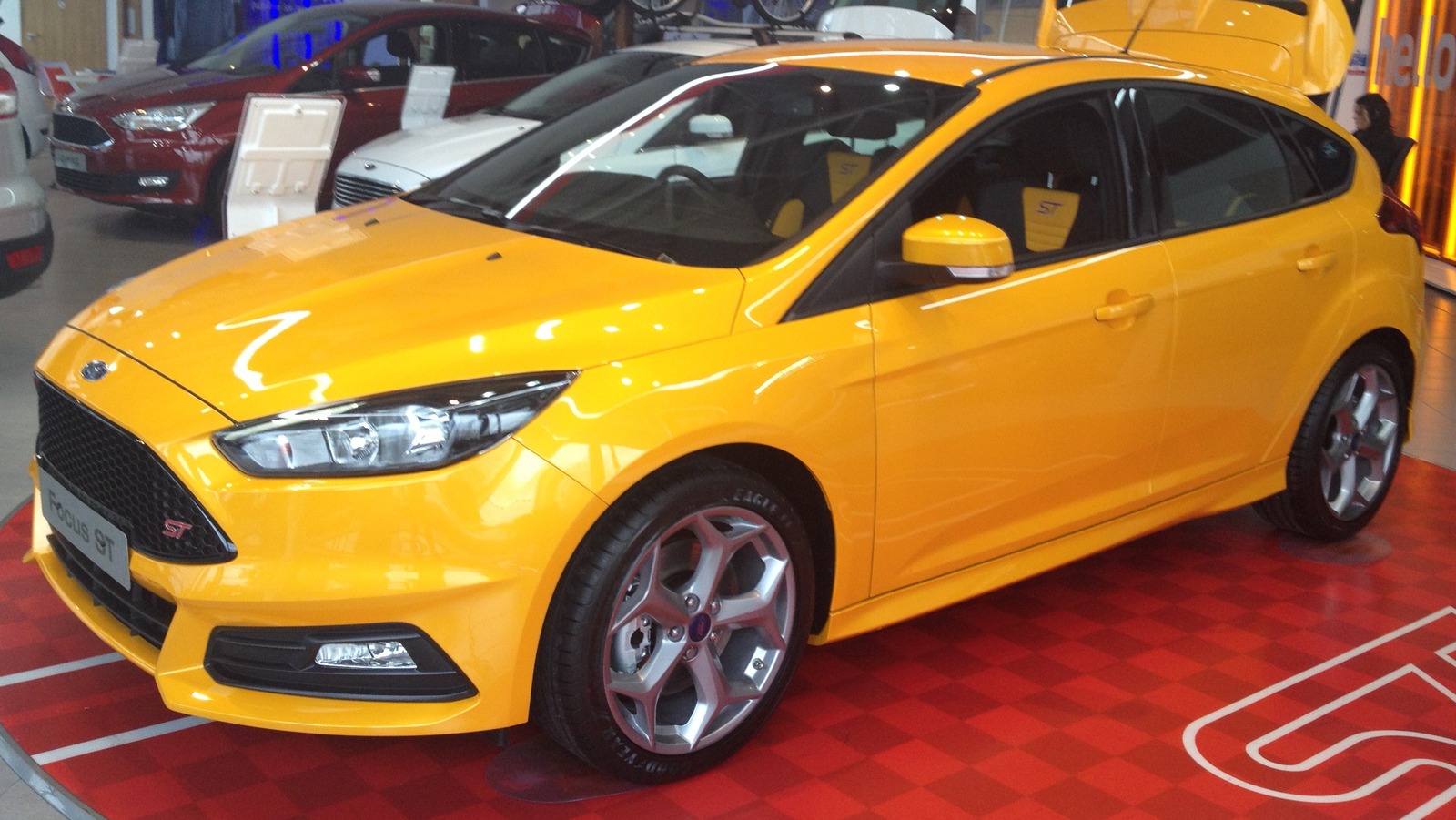
Credit: www.slashgear.com
Ford Focus St Years To Avoid
Let’s look closely at the Focus ST years that are best avoided and why they’ve earned this reputation.
2013 Ford Focus St
The 2013 Focus ST was the first year for the ST in the US. While it excited drivers with performance, it was also a learning year for Ford. Several problems became clear after launch.
Common Issues
- Clutch and transmission problems: Many owners report early clutch wear, hard shifting, or even full transmission failure. Some need a new clutch or gearbox before 60,000 miles.
- Engine malfunction lights: A known issue with the 2013 ST is the “service engine soon” warning, often linked to turbo or sensor problems.
- Electronic gremlins: Infotainment system freezes, backup camera glitches, and random warning lights are common.
Sometimes, the clutch pedal can stick to the floor, making shifting nearly impossible. In other cases, owners experience strange noises when pressing the clutch or shifting gears, which can signal deeper issues. The electronics also suffer from random resets and loss of presets, which can be frustrating during daily use.
Real-world Example
One 2013 ST owner described transmission failure at just 55,000 miles, costing over $3,000 to repair. Others mention repeated trips to the dealer for software updates and sensor replacements.
Another owner shared their story online: after buying a used 2013 ST, they had to replace the clutch and flywheel twice within 40,000 miles. Despite regular maintenance, the car still had ongoing sensor and check engine light problems, leading to additional costs and loss of trust in the car.
Why To Avoid
The combination of first-year bugs, more frequent breakdowns, and higher repair costs make 2013 a risky choice. Unless you find one with all issues fixed and a full service record, it’s wise to look elsewhere.
2014 Ford Focus St
The 2014 model brought some improvements, but several problems remained.
Common Issues
- Clutch and transmission: Similar to 2013, with slightly fewer reports but still a concern.
- Interior rattles: Many owners complain about creaks and rattles in the dashboard and doors, making the car feel cheap.
- Turbo problems: Some 2014s have suffered turbo failures, leading to rough running or loss of power.
It’s also common for the air conditioning system to stop blowing cold air due to leaks or faulty compressors. Some drivers mention premature wear on interior trim pieces, such as peeling buttons or faded plastics, which can make the cabin look older than it is.
Data Snapshot
| Issue | Reported Frequency (per 100 cars) | Average Repair Cost |
|---|---|---|
| Transmission/Clutch | 12 | $1,500–$2,800 |
| Turbo Failure | 6 | $900–$2,000 |
| Interior Rattles | 23 | $0–$400 |
Why To Avoid
While not as risky as 2013, the 2014 Focus ST is more likely to need expensive repairs and feel less refined than later years.
2015 Ford Focus St
Ford made some changes for 2015, but not all issues were solved.
Common Issues
- Sync infotainment bugs: The MyFord Touch system crashes or lags, requiring dealer updates.
- Cooling system leaks: Some 2015s have coolant leaks due to faulty hoses or clamps.
- Premature brake wear: Owners report replacing brakes earlier than expected, sometimes before 30,000 miles.
The 2015 also saw reports of the driver’s seat developing play or looseness over time, causing discomfort on longer drives. Some users found the climate control system to be unreliable, sometimes blowing hot air when set to cool and vice versa.
Non-obvious Insight
A less-known issue is paint quality. The 2015 Focus ST has more complaints about chipping and peeling paint, especially on the hood and roof.
In some regions with harsh winters, salt and road debris can accelerate paint damage, leading to rust if not addressed quickly. It’s a good idea to check the paint and underbody carefully, as respraying panels can be expensive.
Why To Avoid
2015 is a step forward, but the persistent infotainment and cooling problems can be a hassle. If buying, check for repair history on these items.
2016 Ford Focus St
The 2016 model saw improvements in reliability, but a few weak spots remain.
Common Issues
- Sync 3 glitches: The newer infotainment system still has bugs, especially with Bluetooth and navigation.
- Suspension clunks: Some owners hear clunking noises from the front suspension, often linked to worn bushings.
- Fuel system faults: A small number of cars have faulty fuel pumps or injectors.
Additional feedback from owners points to intermittent window operation—sometimes power windows move slowly or stop working, usually due to faulty switches or regulators. The adaptive headlights, when equipped, may also show error messages or flicker.
Data Comparison
Here’s how the 2016 compares to earlier years for common problems:
| Year | Transmission Issues (%) | Infotainment Issues (%) | Engine Problems (%) |
|---|---|---|---|
| 2013 | 15 | 13 | 9 |
| 2014 | 11 | 10 | 7 |
| 2015 | 8 | 11 | 6 |
| 2016 | 5 | 8 | 4 |
Why To Avoid
While 2016 is better, the lingering Sync 3 and suspension issues can still be annoying. These are less severe than earlier years, so a well-maintained 2016 can still be a good buy.
Ford Focus St Years Worth Considering
Not every Focus ST year is risky. Some model years stand out for reliability, driving fun, and lower repair rates.
2017 Ford Focus St
By 2017, Ford had fixed most early issues. The 2017 model is known for:
- Improved build quality
- Fewer engine and transmission complaints
- Refined Sync 3 system
Most owners report only minor issues, such as small rattles or rare sensor glitches.
2017 models also saw better material quality inside, with less peeling trim and stronger seat fabrics. The ride feels more solid, and reports of major repairs are much lower. If you want a daily driver that can handle some spirited driving, 2017 is a sweet spot.
2018 Ford Focus St
The last year of the US Focus ST is often seen as the best. It offers:
- Mature design with the least bugs
- Updated interior and infotainment
- Strong resale value
2018s often have the fewest complaints and the best reliability ratings.
Another benefit is that most 2018s will still be newer and may have some factory warranty left or certified pre-owned options. The technology is up-to-date, and Ford had addressed most common gripes from earlier years. Many 2018 owners keep their cars stock, which is great for long-term reliability.
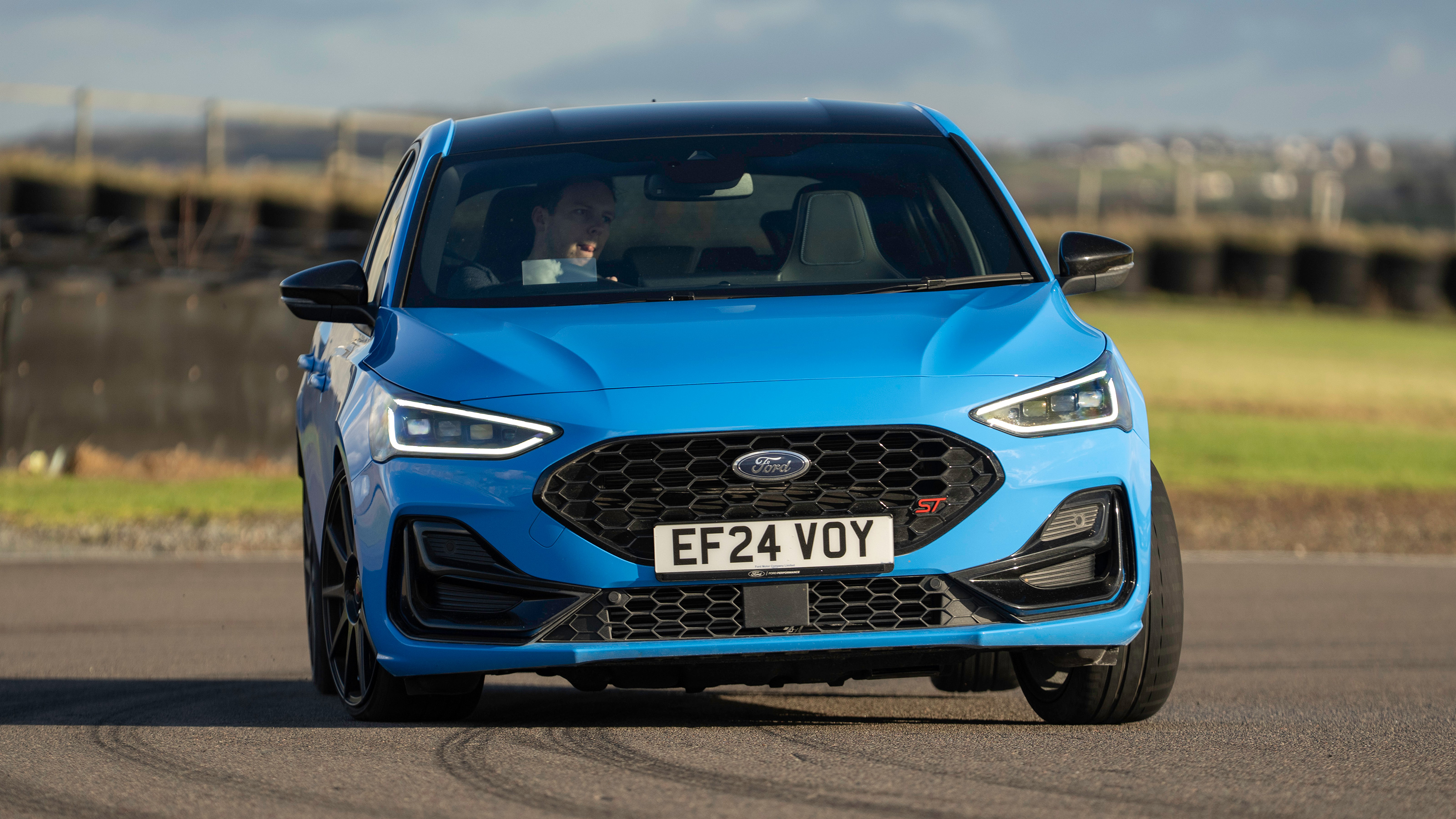
Credit: www.topgear.com
Most Common Ford Focus St Problems Explained
Even in good years, some problems are more common than others. Here’s what to watch for when shopping for any Focus ST.
Clutch And Transmission Issues
The Focus ST uses a 6-speed manual. It’s fun but not perfect. Problems include:
- Premature clutch wear
- Grinding or hard shifts
- Synchro failure
These issues are most common on 2013–2015 models. Aggressive driving or aftermarket tuning makes them worse.
Tip: Test the clutch for smooth engagement. Listen for grinding when shifting into second or third gear.
Sometimes the shifter feels notchy or resists moving into gear, which can signal internal transmission wear. If the clutch pedal feels soft or spongy, it may need bleeding or a new master cylinder.
Turbocharger Problems
The 2.0L EcoBoost engine is powerful but can develop:
- Turbo lag or hesitation
- Smoke from the exhaust
- Loss of boost pressure
Poor maintenance, like skipped oil changes, makes turbo problems more likely.
A small oil leak at the turbo can quickly turn into a bigger issue. If you hear a whining or siren sound under boost, the turbo bearings may be failing. Some owners also report the engine going into “limp mode” when the turbo system detects a problem.
Infotainment System Bugs
From MyFord Touch to Sync 3, electronics can be frustrating:
- System crashes or freezes
- Bluetooth disconnections
- Navigation errors
Dealer software updates often help, but not always.
A less obvious problem is that the backup camera may show a blank screen or flicker, especially after heavy rain or cold weather. Sometimes, simple resets fix the issue, but repeated failures can mean a replacement is needed.
Interior Rattles And Trim Quality
Many Focus STs develop rattles in the dashboard, doors, or rear hatch. These are usually annoying but not dangerous.
Some owners add extra sound deadening or felt tape to fix rattles. Pay attention to noises during your test drive—turn off the radio and listen carefully on rough roads.
Suspension And Steering Noises
Some cars make clunks or squeaks over bumps, often from worn bushings or sway bar links. These are easy to fix but can be a sign of hard driving.
If you notice uneven tire wear, it may point to alignment problems or worn suspension parts. These issues are common on cars that have been lowered or tracked.
What To Check Before Buying A Used Focus St
If you’re shopping for a Focus ST, especially from 2013–2016, careful inspection is critical.
Key Checks
- Service history: Look for full records, especially for clutch, transmission, and turbo repairs.
- Clutch and gearbox: Test for smooth shifting and listen for noises.
- Turbo health: Check for power loss, smoke, or odd sounds.
- Electronics: Test all infotainment, windows, lights, and sensors.
- Suspension: Listen for clunks and check tire wear.
- Leaks: Inspect for oil or coolant on the engine and under the car.
It’s also smart to check for uneven panel gaps or mismatched paint—these can be signs of past accidents. Ask about recalls and verify they’ve been completed.
Professional Inspection
Have a mechanic do a pre-purchase inspection. Focus STs can hide expensive problems that are hard to spot on a short test drive.
A technician can use diagnostic tools to check for hidden error codes or pending issues. A compression test can reveal engine health, and a lift allows for a close look at suspension, brakes, and underbody rust.
Non-obvious Insight
Enthusiast owners often modify their Focus STs. Look for aftermarket tunes or parts—these can boost power but sometimes shorten engine and transmission life. Stock cars usually last longer and are less risky.
Ask the seller directly about modifications and request receipts for any upgrade work. Sometimes, returning a car to stock (removing tunes, exhausts, intakes) doesn’t erase extra wear already caused.
Recalls And Technical Service Bulletins (tsbs)
Ford has issued several recalls and TSBs for the Focus ST. Not all are critical, but it helps to know what’s out there.
Notable Recalls
- Clutch pressure plate failure: Some STs had plates that could break and cause loss of power.
- Fuel tank deformation: Rare, but could cause leaks or stalling.
- Door latch recall: Some cars’ doors could open unexpectedly.
You can check any car’s VIN for open recalls on Ford’s official site.
In some cases, dealers will fix recalls for free, even if the car is out of warranty. Ask the seller for proof of completed recall work.
Why Tsbs Matter
TSBs are Ford’s way of telling dealers how to fix known problems, even if there’s no official recall. Many common Focus ST issues have TSBs, so ask if these fixes were done.
TSBs can include solutions for rattling dashboards, improved software for the infotainment system, or fixes for turbo oil leaks. Having TSBs addressed can mean fewer surprises after purchase.
How The Focus St Compares To Rivals
The Focus ST faces competition from other hot hatches. Here’s how it stacks up on reliability and ownership experience.
| Model | Years to Avoid | Common Issues | Reliability Rating |
|---|---|---|---|
| Ford Focus ST | 2013–2015 | Clutch, transmission, electronics | Average |
| Volkswagen GTI | 2010–2014 | Timing chain, water pump, electronics | Above Average |
| Hyundai Veloster Turbo | 2012–2014 | Engine knocking, transmission | Average |
| Mazda3 Mazdaspeed | 2007–2010 | Turbo seals, suspension | Below Average |
The Focus ST is competitive but not the most reliable. Later years are a safer bet.
If you want something even more durable, the Volkswagen GTI is often praised for its balance of fun and dependability, but it can have its own issues with carbon build-up and electronics. The Hyundai Veloster Turbo is quirky and affordable but has a less refined ride.
The Mazdaspeed3 is fast but known for turbo and rust problems.
Expert Tips For Buying A Used Focus St
To get the most out of your Focus ST purchase, keep these tips in mind:
- Choose 2017 or 2018 if possible. These years have the fewest problems.
- Check for modifications. Stock is often safer unless you know the upgrades were done right.
- Budget for repairs. Even good STs can need clutches, brakes, or turbo work.
- Test everything. Don’t rush your test drive—try all gears, electronics, and listen for noises.
- Get a vehicle history report. Accidents or poor maintenance are red flags.
If you buy from a private seller, ask why they’re selling. Sometimes owners are moving on because of hidden problems. If possible, buy from a certified pre-owned dealer for extra peace of mind.
Another tip: join Focus ST forums or owner groups online. You’ll find tons of real-world experience, maintenance advice, and maybe even local cars for sale from enthusiasts who cared for their cars.
The Bottom Line: Which Years To Avoid
If you want the best ownership experience, avoid the 2013, 2014, and 2015 Ford Focus ST. These years have higher rates of mechanical and electronic problems, more recalls, and can be expensive to maintain. The 2016 is better, but still not perfect.
Aim for a 2017 or 2018 model if your budget allows. These have the fewest complaints and most of the bugs worked out. Even then, check service history and condition carefully.
Remember, any used performance car can have issues—especially if it’s been driven hard. A careful search and a thorough inspection will help you find an ST that makes you smile every time you drive.
For more technical details and recall information, visit the official NHTSA Ford Focus page.
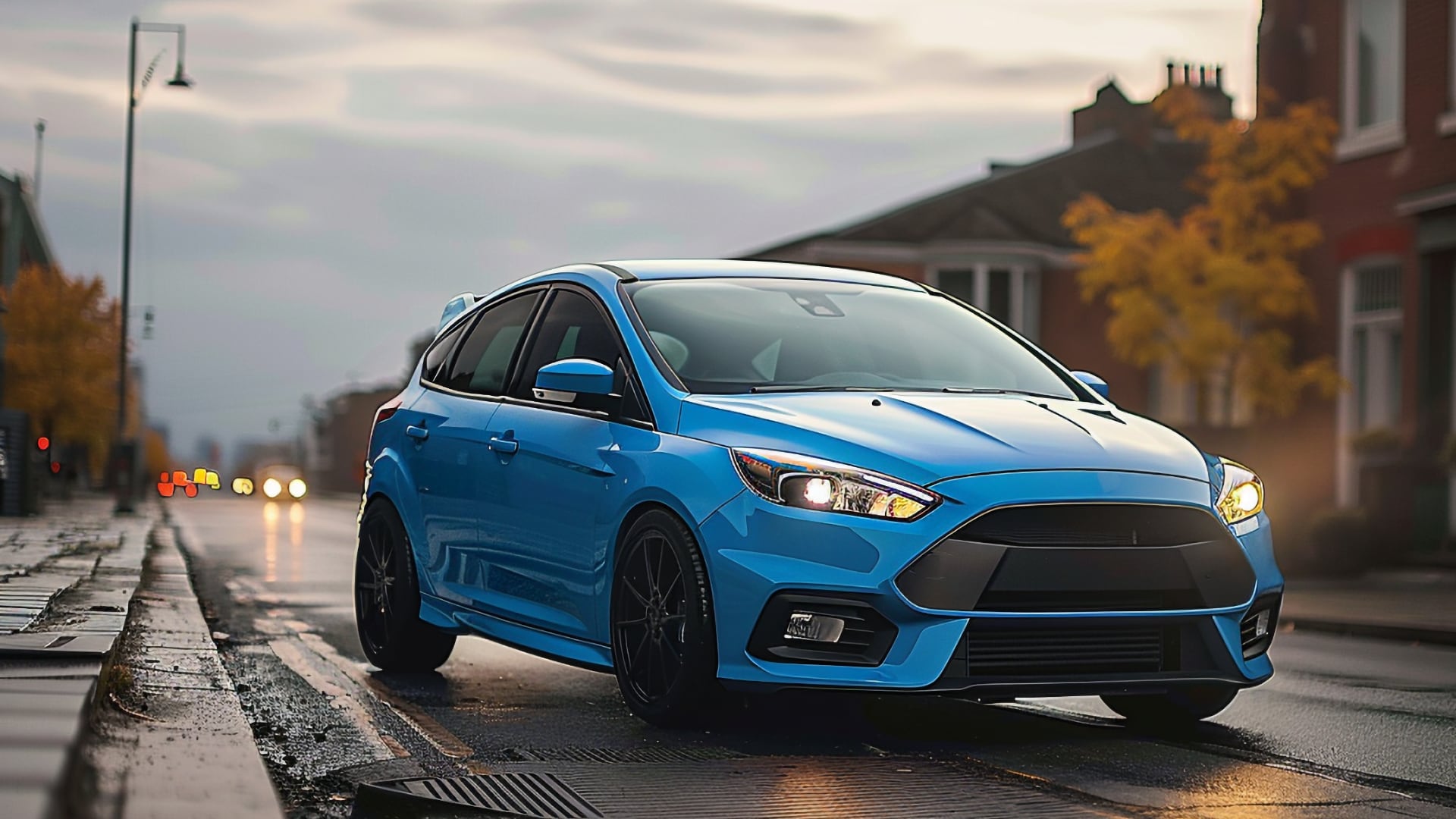
Credit: rerev.com
Frequently Asked Questions
Is The Ford Focus St Reliable?
The Focus ST can be reliable, especially 2017 and 2018 models. Early years (2013–2015) have more issues with the clutch, transmission, and electronics. Regular maintenance is key for long life.
If you plan to keep the car for many years, focus on service history and avoid cars with lots of owners. The more stable the ownership, the better the chance the car was cared for properly.
What Is The Best Year For The Ford Focus St?
The 2017 and 2018 Focus ST are considered the best. They have fewer mechanical problems, better electronics, and higher owner satisfaction compared to earlier models.
They also tend to hold their value better and are easier to sell when you’re ready to move on.
How Long Does The Focus St Engine Last?
With proper care, the 2.0L EcoBoost engine can last over 150,000 miles. Regular oil changes and stock tuning help engine life. Modifications or neglect can shorten its lifespan.
Some owners have reached 200,000 miles with minimal issues, but this requires staying on top of maintenance and fixing small problems early.
Are Focus St Models Expensive To Maintain?
Maintenance costs are moderate for a performance car. Clutch or turbo repairs can be expensive ($1,500+), but routine service is similar to other compact cars. Modified or neglected cars may cost much more.
If you can do basic repairs yourself, you’ll save money. Still, it’s smart to set aside an emergency fund for unexpected repairs.
Should I Buy A Used Focus St With Modifications?
It depends on the quality of the modifications. Light upgrades (like exhaust or intake) are usually fine. Heavily tuned cars or those with unknown parts are riskier. Stock cars are safest for reliability.
If buying a modified car, ask for receipts and details about the work. Avoid cars with DIY wiring or missing emissions equipment, as these can cause legal or reliability issues later.
If you choose wisely and inspect carefully, a Ford Focus ST can offer years of sporty, practical fun. Avoid the trouble years, focus on maintenance, and you’ll enjoy every drive.