

The Hyundai Tucson is one of the most popular compact SUVs in the United States and across the globe. With its attractive design, practical size, and competitive price, many families and solo drivers have chosen the Tucson for city and highway driving.
However, not every year of the Hyundai Tucson has been a winner. Some model years are known for reliability issues, expensive repairs, or poor driving experiences. If you’re thinking about buying a used Hyundai Tucson, knowing which years to avoid can save you a lot of trouble and money.
This guide will give you a clear look at the Hyundai Tucson years to avoid, explain why these years are problematic, and provide tips on how to pick a reliable used Tucson. You’ll also learn about the best alternatives and what to check before making a purchase.
Whether you’re a first-time buyer or adding another car to your family, this article will help you make a smarter choice.
Why Some Hyundai Tucson Years Are Best Avoided
Automakers try to improve their cars every year. But sometimes, new designs or parts cause problems. Some Hyundai Tucson years have more complaints, recalls, and expensive repairs. These issues can come from:
- Engine problems: Engine failures, excessive oil consumption, or stalling.
- Transmission issues: Rough shifting, slipping, or total failure.
- Electrical faults: Problems with sensors, infotainment, or wiring.
- Safety recalls: Defective airbags, brakes, or steering components.
- Build quality: Poor paint, rust, or interior wear.
Real-world data from repair shops, recall records, and owner reviews reveal which model years are riskier. The worst years often show more issues before 100,000 miles, leading to high repair costs.
Overview Of Hyundai Tucson Generations
The Hyundai Tucson has gone through several generations since its debut in 2004. Each generation brought new features and designs, but also its own set of challenges.
| Generation | Years | Key Changes |
|---|---|---|
| 1st Generation | 2005–2009 | Compact design, basic engines, early safety tech |
| 2nd Generation | 2010–2015 | Modern styling, improved MPG, more features |
| 3rd Generation | 2016–2020 | Better engines, advanced safety, upgraded interiors |
| 4th Generation | 2022–present | Bold design, hybrid options, hi-tech cabin |
Understanding which generation a model year belongs to helps you spot patterns in reliability and features.
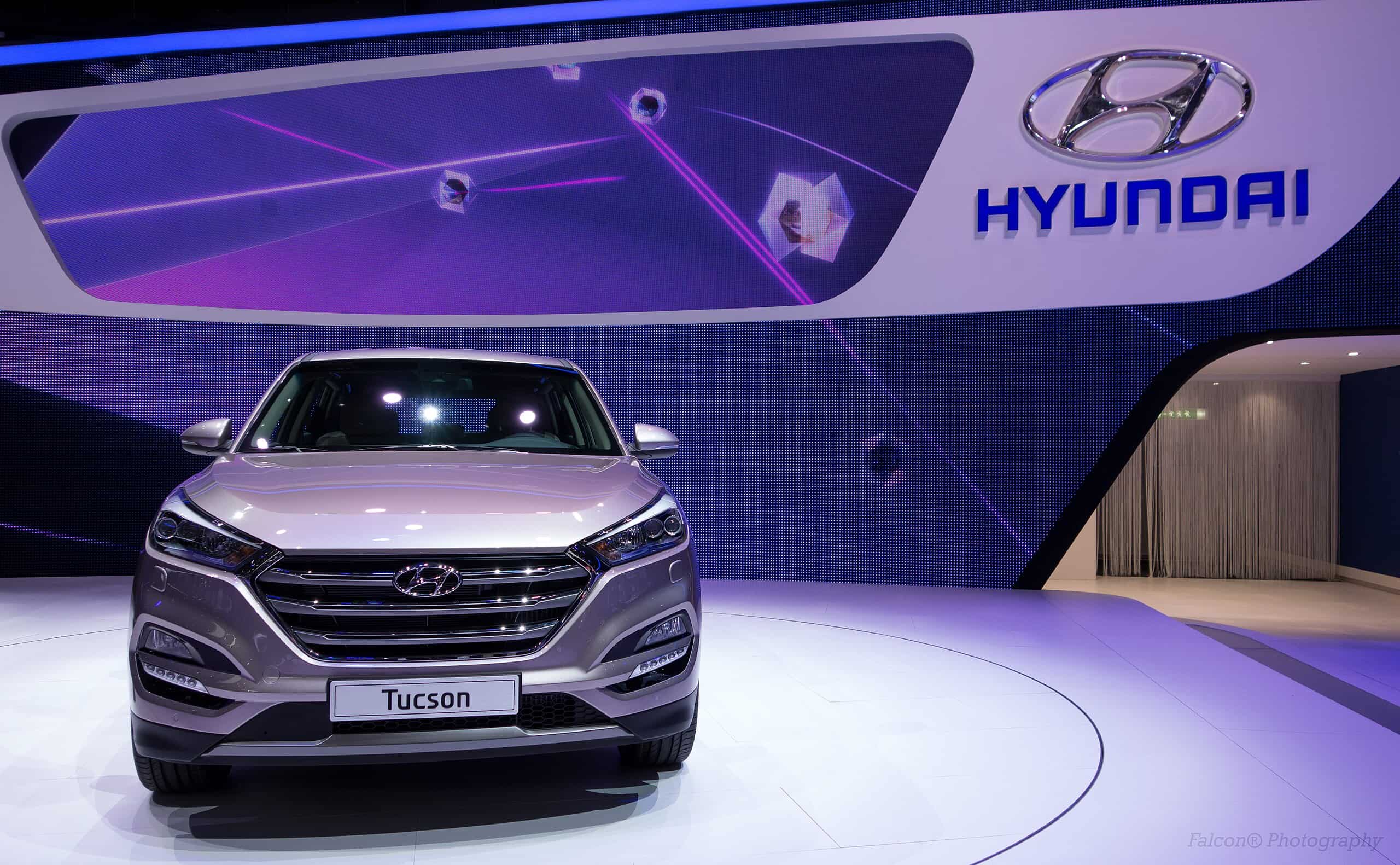
Credit: 247wallst.com
Hyundai Tucson Years To Avoid (with Reasons)
Some Tucson model years have much higher rates of complaints and repairs. Below, you’ll find the Tucson years experts and owners recommend avoiding, with details about their main problems.
2010 Hyundai Tucson
The 2010 Tucson was the first year of the second generation. Many buyers were excited by its new look, but it quickly gained a reputation for several problems:
- Transmission failure: Owners report the automatic transmission slipping or failing, sometimes before 100,000 miles. Repair can cost $2,000–$4,000.
- Engine problems: Some units experience sudden engine shutdowns or rough running.
- Airbag light issues: The airbag warning light can come on due to faulty sensors, making repairs costly and affecting safety.
- Electrical gremlins: Problems with the radio, dashboard lights, and power windows are common.
Non-obvious insight: The 2010 model used a new 2.4L engine that, in some cases, suffered from oil leaks not visible until major damage occurred.
2011 Hyundai Tucson
The 2011 Tucson continued to struggle with reliability:
- Engine stalling: Sudden loss of power, especially when accelerating.
- Poor fuel economy: Many owners report worse MPG than advertised.
- Paint and trim problems: Early fading or peeling paint, as well as loose interior trim.
Non-obvious insight: Hyundai issued technical service bulletins for the 2011 Tucson, but not all dealers performed these fixes unless customers complained.
2012 Hyundai Tucson
The 2012 model year still faced some of the same old issues:
- Faulty air conditioning: AC systems often failed, requiring expensive repairs.
- Transmission hesitation: Delayed or harsh shifts, which can make city driving stressful.
- Water leaks: Reports of water entering the cabin during heavy rain, leading to mold and odors.
2015 Hyundai Tucson
Although some improvements came in 2013–2014, the 2015 Tucson saw a spike in certain problems:
- Electrical issues: Malfunctions with the navigation system, backup camera, and sensors.
- Brake system problems: Premature brake wear, sometimes before 30,000 miles.
- Steering troubles: Reports of the steering wheel locking or becoming stiff.
2016 Hyundai Tucson
The 2016 Tucson started the third generation, but it came with its own headaches:
- Transmission failures: The new 7-speed dual-clutch transmission (DCT) often hesitated, especially at low speeds. Some owners experienced total failure under warranty, but others paid out of pocket.
- Turbo lag: The new turbocharged engine had slow response at low speeds, making it hard to drive smoothly in traffic.
- AC system recalls: Faulty air conditioning compressors caused poor cooling and, in some cases, engine stalling.
- Fuel pump recall: Some vehicles were recalled due to possible stalling from a defective fuel pump.
Non-obvious insight: The DCT in the 2016 Tucson is not well-suited for stop-and-go city traffic, leading to more wear and complaints in urban areas.
2017 Hyundai Tucson
Many 2017 models continued to have dual-clutch transmission issues. Other common problems included:
- Engine hesitation: Delayed acceleration, which is dangerous during merging or crossing intersections.
- Infotainment glitches: Frozen screens and random resets.
- Premature battery failure: Owners replaced batteries as early as 24 months.
2018 Hyundai Tucson
While slightly better, the 2018 Tucson still had enough reported issues to be cautious:
- Transmission shuddering: Especially in turbo models with the DCT.
- Electrical system failures: Dashboard warning lights, power seat malfunctions, and radio problems.
- Brake pedal softness: Some drivers noticed longer stopping distances.
2019 Hyundai Tucson
The 2019 model had fewer issues, but two problems stand out:
- Engine knocking: Some 2.4L engines developed a knocking sound, which could lead to failure if ignored.
- Infotainment blackouts: The system sometimes shut off completely while driving.
Quick Reference: Tucson Years To Avoid
Here’s a summary of the key years you should be careful with:
| Model Year | Main Problems | Repair Cost Estimate |
|---|---|---|
| 2010 | Transmission, engine, airbags | $2,000–$4,500 |
| 2011 | Stalling, paint, trim | $1,000–$3,000 |
| 2012 | AC, transmission, water leaks | $1,200–$3,800 |
| 2015 | Electrical, brakes, steering | $800–$2,500 |
| 2016 | DCT, turbo lag, AC, fuel pump | $1,500–$4,200 |
| 2017 | DCT, infotainment, battery | $1,200–$3,200 |
| 2018 | Transmission, electrical, brakes | $1,000–$2,800 |
| 2019 | Engine, infotainment | $900–$2,500 |
Hyundai Tucson Years With Fewer Issues
Not every Tucson is risky. Some model years stand out for their reliability and lower ownership costs.
- 2014 Tucson: After updates to engines and transmissions, this year is praised for fewer complaints and better build quality.
- 2020 Tucson: Benefited from years of improvements, with few reported problems.
- 2022–present: The latest models have modern tech and safety, with early data showing good reliability.
When shopping for a used Tucson, these years are generally safer, but always check individual vehicle history.
Common Hyundai Tucson Problems By Year
While some issues are unique to specific years, others repeat across generations. Here’s what you need to watch for:
Engine Problems
- Oil consumption: Some engines burn oil quickly, needing top-ups between oil changes.
- Knocking or ticking sounds: This can warn of serious internal damage.
- Stalling: A sudden loss of power can leave you stranded.
Transmission Issues
- DCT hesitation: The dual-clutch transmission (2016–2018) is not as smooth as a traditional automatic.
- Slipping or hard shifts: Sometimes due to software, but can mean hardware failure.
Electrical System Faults
- Infotainment resets: Touchscreens freezing or rebooting.
- Battery drain: Electronics stay on when the car is off, leading to dead batteries.
Air Conditioning And Heating
- Compressor failure: Loss of cooling, usually expensive to fix.
- Weak airflow: Clogged filters or faulty fans.
Brakes And Steering
- Premature brake wear: Pads and rotors need replacement early.
- Steering vibration or noise: Can signal worn components.
Experience-based tip: Many Tucson owners find that regular maintenance can prevent small issues from becoming big repairs, but some years have problems that maintenance alone cannot avoid.
How To Identify A Risky Used Tucson
When shopping for a used Tucson, don’t rely only on model year. Use these steps to spot a car with hidden problems:
- Check the VIN: Use the vehicle’s VIN to check for open recalls or major accidents.
- Review service history: Ask for maintenance records. Gaps may hide neglect.
- Have a pre-purchase inspection: A trusted mechanic can spot leaks, worn parts, or signs of past repairs.
- Test drive in all conditions: Listen for strange noises, check smoothness of shifting, and test the AC.
- Look for warning lights: If the check engine, airbag, or transmission lights are on, walk away.
Alternatives To Risky Tucson Years
If you want a compact SUV but worry about Tucson reliability, consider these alternatives:
- Honda CR-V: Known for strong engines and high resale value.
- Toyota RAV4: Very reliable and holds value well.
- Mazda CX-5: Fun to drive and has a high-quality interior.
- Subaru Forester: Standard all-wheel drive and good safety.
These models often have better long-term reliability, though prices may be a bit higher.
What To Check Before Buying Any Used Hyundai Tucson
Even in better years, used cars need careful checking. Here’s what to focus on:
Exterior
- Rust spots: Around wheel wells, doors, and undercarriage.
- Paint condition: Fading or peeling may point to poor repairs.
Interior
- Electronic features: Test the radio, navigation, windows, and seats.
- AC and heat: Make sure both work in all settings.
Under The Hood
- Fluid levels and color: Engine oil, transmission fluid, and coolant should be clean and topped up.
- Belts and hoses: Look for cracks or leaks.
On The Road
- Smooth acceleration and braking: No jerks or hesitations.
- Steering feel: Should be responsive, without vibrations or noises.
Straight-to-the-point tip: Always get a used car inspected by a mechanic before you buy, even if it looks perfect.
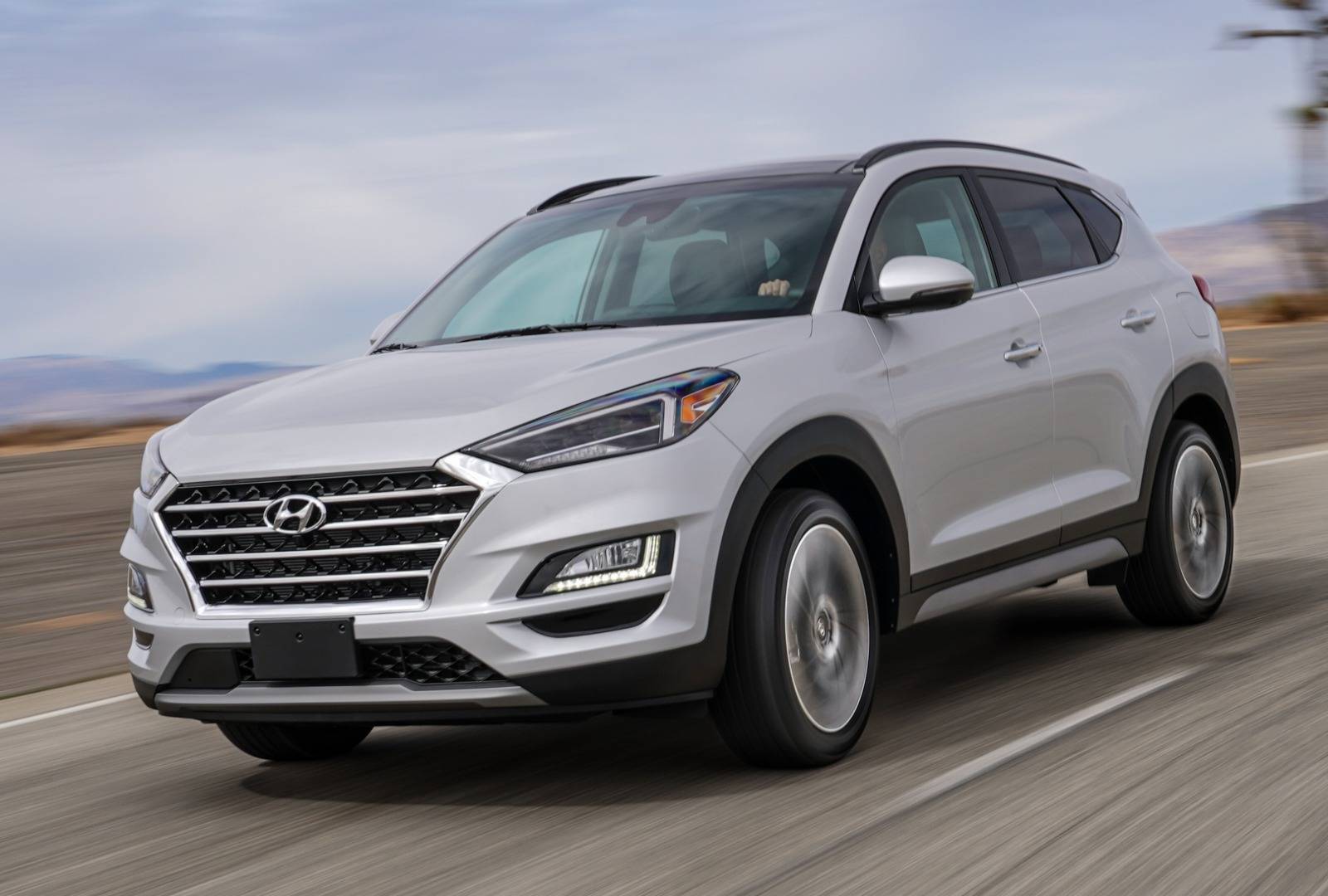
Credit: carbuzz.com
Recalls And Safety Warnings For Hyundai Tucson
Recalls are common in the auto industry, but some Tucson years have more serious safety recalls than others.
- 2016–2017: Fuel pump and engine recalls, increasing risk of stalling.
- 2010–2012: Airbag sensor recalls, affecting crash safety.
- 2015: Brake system recalls.
To stay safe, always check if the car you want has had all recall repairs completed. You can search for recalls using your VIN on the NHTSA website or through Hyundai’s official recall lookup.
Cost Of Ownership By Model Year
The true cost of owning a Hyundai Tucson depends on maintenance, repairs, and depreciation. Some years can cost much more in repairs.
Here’s a quick comparison:
| Model Year | Estimated Annual Repair Cost | Depreciation Rate (5 Years) |
|---|---|---|
| 2010 | $700 | 52% |
| 2014 | $450 | 45% |
| 2016 | $600 | 49% |
| 2020 | $390 | 41% |
Older, problem-prone years may seem cheaper to buy, but higher repair costs can quickly erase your savings.

Credit: www.youtube.com
Why Do Some Tucson Years Have More Problems?
Several reasons explain why some Hyundai Tucson years are riskier:
- First-year redesigns: New engines, transmissions, or features often have bugs.
- Supplier changes: Sometimes, Hyundai switched parts suppliers, leading to quality drops.
- Cost cutting: To keep prices low, Hyundai sometimes used cheaper materials or skipped quality checks.
Calm expert advice: The best Tucson years are usually ones made after big problems are fixed, not just after a full redesign.
Should You Avoid All Used Hyundai Tucsons?
Not at all. The Tucson has many strong years and offers good value. But you must be careful with the model years listed above. If you find a well-cared-for Tucson from a better year, it can serve you well for many miles.
Important: Even in risky years, some cars may be problem-free if they were gently driven and maintained. But the risk is higher, so avoid these unless you get a great deal and can handle possible repairs.
How Hyundai Responded To Problems
Hyundai has improved its quality over time. In response to complaints, they have:
- Extended warranties: Some Tucson owners received extra coverage for engines and transmissions.
- Recall campaigns: Hyundai fixed many safety problems for free.
- Updated parts: Later years often used stronger or more reliable components.
Non-obvious insight: Some Hyundai dealerships are more proactive about recalls and technical fixes than others. Always ask about the car’s service history at a Hyundai dealer, not just a used car lot.
Tips For Buying A Used Hyundai Tucson
If you decide to buy a used Tucson, follow these steps for the best results:
- Pick a good year: Choose 2014, 2020, or a newer model if possible.
- Get a vehicle history report: This will show accidents, title issues, and maintenance.
- Ask about recalls: Confirm that all recall work has been done.
- Test everything: Don’t just drive around the block; check all features.
- Budget for repairs: Even reliable years can need new brakes, tires, or batteries.
Final Thoughts
The Hyundai Tucson is a smart choice for drivers who want a compact, stylish, and affordable SUV. However, some years bring more headaches than others. The 2010, 2011, 2012, 2015, 2016, 2017, 2018, and 2019 Tucson models have enough serious problems that many experts recommend skipping them. Instead, focus on years with fewer complaints, like 2014, 2020, and 2022 or later. Always check a car’s history, inspect it carefully, and have a mechanic give their opinion before buying.
A little research now can save you thousands in the future. Make your choice with confidence, and you’ll enjoy your Tucson for years to come. For more on vehicle reliability, see this Consumer Reports Hyundai Tucson page.
Frequently Asked Questions
What Is The Most Reliable Hyundai Tucson Year?
Many experts agree that the 2020 Hyundai Tucson is among the most reliable. It benefits from years of improvements and has very few common problems reported by owners. Other good years are 2014 and 2022.
How Many Miles Will A Hyundai Tucson Last?
With proper maintenance, a Hyundai Tucson can last 180,000 to 220,000 miles. However, Tucson models from the years to avoid may need major repairs before reaching these numbers.
Are Older Hyundai Tucsons Cheap To Maintain?
Older Tucsons can be cheap to buy, but repair costs are often higher, especially in years with common engine or transmission problems. Always factor in possible repair bills when buying an older model.
Is The Hyundai Tucson Expensive To Repair?
Compared to some rivals, the Tucson’s repair costs are average. However, certain years (like 2010 or 2016) can become expensive if the engine or transmission fails. Routine parts like brakes and filters are affordable.
Which Tucson Engine Is The Most Reliable?
The 2.0L naturally aspirated engine found in some 2014–2020 models is seen as the most reliable. It has fewer reports of oil consumption or major failures compared to the 2.4L or turbocharged engines.