

Buying a used Nissan Leaf can be a smart way to enter the world of electric vehicles (EVs) without spending too much money. The Leaf is one of the world’s most popular EVs, and for good reason: it offers reliable, affordable, and eco-friendly driving. But not every Nissan Leaf is created equal. Some years have proven much better than others. If you’re thinking about a used Leaf, it’s important to know which years to avoid—and why.
Many buyers focus on price, looks, or mileage. But when it comes to the Leaf, battery health, technology updates, and recalls matter just as much. Some model years are known for battery problems, weak range, or expensive repairs. Others are praised for improvements and reliability.
This article will give you clear, practical advice on which Nissan Leaf years to avoid, which are considered safe bets, and how to make a smart decision. You’ll get data, real-world examples, and expert tips—so you can buy with confidence.
Why Model Year Matters For The Nissan Leaf
The Nissan Leaf has been in production since 2010, but not every year is the same. Early models were pioneers, but they came with growing pains. As the Leaf evolved, Nissan made important updates to battery technology, safety features, and driving range.
Key Factors That Change By Year
- Battery Chemistry and Range: Early Leafs used a battery that degraded faster, especially in hot climates. Later models improved battery chemistry and offered more miles per charge.
- Charging Technology: Fast charging and home charging options improved over the years.
- Safety and Recalls: Some years faced more recalls and reliability issues.
- Interior and Tech Features: Infotainment, comfort, and driver-assist systems were added or upgraded in newer models.
Understanding these changes helps you avoid common pitfalls—like buying a car with an outdated battery or lacking must-have features.
Nissan Leaf Generations And Key Updates
It helps to know the three main generations of the Leaf. Each brought important changes.
| Generation | Years | Key Changes |
|---|---|---|
| First Gen | 2011–2017 | Original design, 24 kWh battery, later upgraded to 30 kWh |
| Second Gen | 2018–2022 | New look, 40 & 62 kWh batteries, ProPILOT Assist added |
| Third Gen | 2023–Present | Facelift, better safety, improved tech, small range updates |
Each generation has its strengths and weaknesses. The first generation is affordable but has battery issues. The second generation improves range and reliability. The third generation is the most refined, but higher prices mean fewer used options.
Years To Avoid: Common Nissan Leaf Problems By Year
Some Nissan Leaf years are known for problems that can lead to expensive repairs or frustration. Let’s look at the most commonly avoided years and why they stand out.
2011–2012: Early Adopter Pitfalls
The 2011 and 2012 Nissan Leaf models were the very first releases. They helped start the EV revolution, but they came with serious issues:
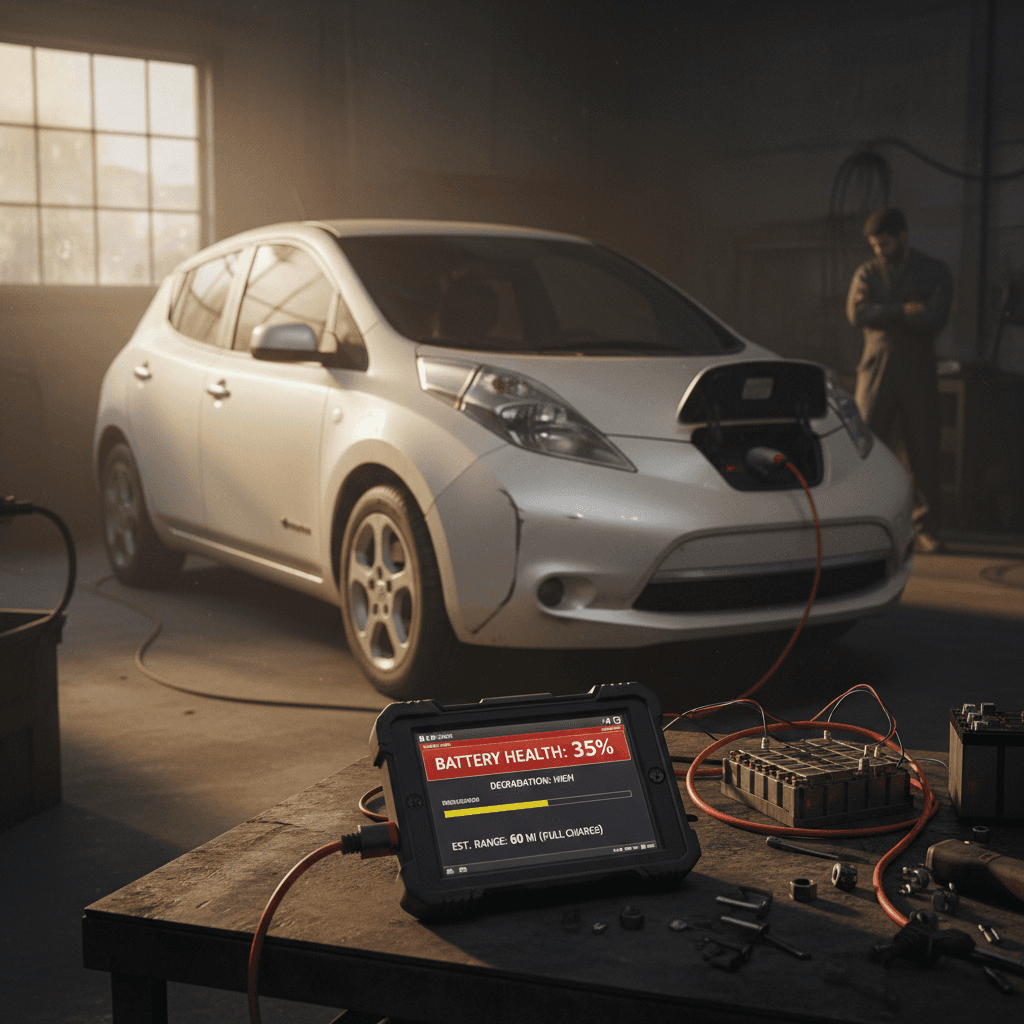
- Rapid battery degradation: The original 24 kWh battery lost range quickly, sometimes dropping below 60 miles per charge within a few years.
- No battery cooling system: These models lacked an active cooling system, making them vulnerable in hot climates (like Arizona, Texas, California).
- Limited range: Even when new, EPA-rated range was about 73 miles—a challenge for longer commutes.
- Software bugs: Owners reported glitches with displays and charging systems.
- Early recalls: Some early Leafs were recalled for airbag and brake system concerns.
A used 2011 or 2012 Leaf may seem cheap, but the risk of battery replacement (often $5,000 or more) makes them poor choices for most buyers.
2013–2015: Slight Improvements But Still Risky
Nissan made changes in 2013, like building the Leaf in the US and updating some features. But problems remained:
- Battery chemistry still weak: The 24 kWh battery continued to degrade faster than rivals.
- Limited range improvements: EPA range increased slightly to 84 miles, but still not enough for many.
- Quality control issues: Some owners reported issues with brakes, power loss, and charging system failures.
- Small infotainment updates: But tech features still lagged behind later models.
If you want a worry-free EV, these years are still risky—especially if you need more than 60–70 miles of range, or live in a hot area.
2016–2017: 30 Kwh Battery—a Mixed Blessing
Nissan offered a 30 kWh battery option in 2016 and 2017, promising more range. But new problems appeared:
- Battery failures: The 30 kWh battery had higher rates of complete failure compared to the older 24 kWh pack.
- Warranty claims: Nissan faced multiple warranty claims and had to replace some batteries.
- Range increases to 107 miles: Good on paper, but real-world range often much less after a few years.
- Battery recall (2016): Some 2016 models were recalled for faulty battery modules.
If you see a used Leaf from 2016 or 2017, ask for a battery health report and check if the battery was replaced under warranty.
2018: Second Generation, First Year Hiccups
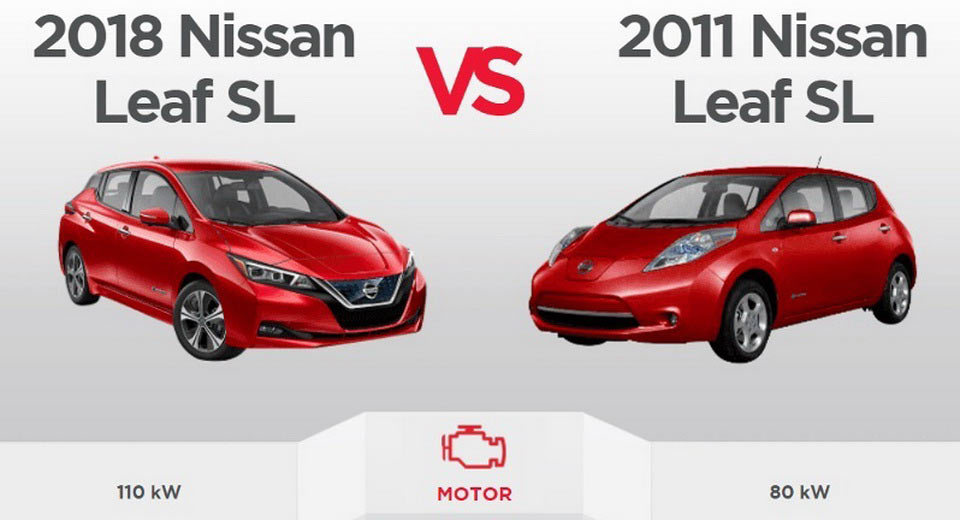
The 2018 Nissan Leaf kicked off the second generation with a fresh look, more power (147 hp), and a 40 kWh battery. But as with most first-year redesigns, issues cropped up:
- Software bugs: Some owners reported touch screen freezes and safety system glitches.
- Battery recall: A recall affected 2018 Leafs for potential power loss during driving.
- Build quality issues: Early models sometimes had fit-and-finish problems not seen in later years.
- Battery degradation: Less common than before, but still faster than rivals like the Chevy Bolt.
If you want a second-gen Leaf, most experts suggest choosing 2019 or newer for better reliability.
Better Years: Recommended Nissan Leaf Years
Not every Leaf has problems. Some years stand out for reliability, battery life, and value. If you want a used Leaf, these are usually the safest bets.
2019–2022: Reliable And Improved
These second-generation Leafs have several advantages:
- Improved battery chemistry: The 40 kWh and 62 kWh batteries degrade more slowly.
- More range: EPA range up to 226 miles (Leaf Plus).
- Better tech: ProPILOT Assist, Apple CarPlay, Android Auto, and more.
- Fewer recalls: Most early bugs were fixed.
- Stronger resale value: These models hold value better thanks to longer range and improved reputation.
Most owners report high satisfaction, especially with the Leaf Plus (62 kWh).
2023–present: Latest And Greatest
The 2023 Leaf is a refresh, not a full redesign, but it adds:
- Sharper looks: Updated front end and wheels.
- Standard safety features: Automatic emergency braking, blind spot warning, and more.
- Longer warranty: 8-year/100,000-mile battery warranty.
These are still expensive on the used market, but they offer the best blend of range, features, and peace of mind.
Credit: www.carscoops.com
Battery Health: The Most Important Factor
For any used Nissan Leaf, battery health is the make-or-break issue. Unlike a gas car, the battery is the most valuable (and expensive) part. Here’s what you should know:
Battery Degradation Explained
All EV batteries lose capacity over time, but early Leaf models degrade faster. Nissan’s batteries use passive air cooling, which isn’t as effective as the liquid cooling used by rivals like Tesla or Chevrolet. Heat, fast charging, and age all speed up degradation.
Signs of battery wear:
- Reduced range (drops below EPA rating)
- Fewer “bars” on the dashboard battery meter
- Frequent charging needed
Checking Battery Health
Before buying, ask for a battery health report or use a tool like LeafSpy (an app that reads battery data). Look for:
- State of Health (SOH): Aim for 85% or higher for most needs.
- Number of bars: The Leaf shows 12 bars when new. Below 10 bars means significant wear.
If the battery is weak, replacement can cost $5,000–$10,000 (sometimes more than the car is worth).
Comparing Battery Range By Year
Here’s a quick look at how official EPA range numbers changed over time:
| Model Year | Battery Size | EPA Range (miles) |
|---|---|---|
| 2011–2012 | 24 kWh | 73 |
| 2013–2015 | 24 kWh | 84 |
| 2016–2017 | 30 kWh | 107 |
| 2018–2019 | 40 kWh | 151 |
| 2019–Present (Leaf Plus) | 62 kWh | 215–226 |
Real-world range is often lower, especially for older batteries.
Common Problems By Model Year
Let’s look at the most frequent complaints and issues for each major Leaf era. This helps you spot red flags when shopping.
First Generation (2011–2017)
- Battery degradation: Most common complaint, especially in hot climates.
- Charging port failures: Some owners needed expensive repairs.
- Heater problems: The PTC heater used in early Leafs sometimes fails, leading to poor cabin heat.
- Poor resale value: Early Leafs lose value quickly due to battery concerns.
Second Generation (2018–2022)
- Software glitches: Touchscreens and driver aids may act up.
- Charging issues: Some owners reported problems with public fast charging stations.
- Recalls: 2018 models had a recall for sudden power loss.
- New battery, new worries: While better, the 40 kWh battery still degrades faster than best-in-class rivals.
Third Generation (2023–present)
- Minor build issues: Mostly cosmetic, like trim fit or rattles.
- Limited range for base models: The standard Leaf still has less range than some rivals.
What To Check Before Buying A Used Nissan Leaf
You can avoid most problems—and most “bad years”—by doing smart checks before you buy.
Essential Steps
- Get a battery health report: Ask for official Nissan service records or use the LeafSpy app.
- Check range: Test drive and see how many miles a full charge gives you.
- Look for recalls: Check the VIN for open recalls at the NHTSA website.
- Review charging history: Frequent fast charging can speed up battery wear.
- Inspect for leaks or water damage: The Leaf’s battery is sealed, but flood cars do exist.
- Test all electronics: Make sure all displays, climate controls, and charging systems work properly.
Common Buyer Mistakes
- Ignoring battery health: Don’t assume “low miles” means a good battery.
- Skipping a range test: Always confirm real-world range.
- Focusing only on price: The cheapest Leaf may come with expensive problems.
How Climate Affects Leaf Reliability
One insight often missed: climate matters a lot for Nissan Leaf battery life. Early models are especially sensitive to heat.
Hot Climates
- Faster battery wear: Arizona, Texas, California, Nevada—owners report losing battery bars quickly.
- Shorter lifespan: A 2012 Leaf in Phoenix may have half the range of one in Seattle.
Cold Climates
- Slower battery wear: Cool temperatures slow down degradation.
- Range drops in winter: All EVs lose range in the cold, but the Leaf’s cabin heater is energy-hungry.
If you live in a hot area, avoid early Leafs and always check battery health.
Nissan Leaf Recalls And Service Campaigns
Recalls show how well a carmaker responds to problems. The Nissan Leaf has had several recalls, especially in the early years.
Notable Recalls
- 2011–2012: Airbag sensors, brake system, and battery module recalls.
- 2016: 30 kWh battery recall for faulty modules.
- 2018: Power loss recall, plus some airbag and brake software updates.
You can check recall history using the VIN at the official NHTSA site.
Nissan Leaf Vs. Other Used Evs
Some buyers wonder: if older Leafs have issues, should I consider a different used EV? Here’s a quick comparison of popular used EVs in the same price range.
| Model | Typical Used Price (USD) | EPA Range (miles) | Common Issues |
|---|---|---|---|
| Nissan Leaf (2015) | $7,000–$10,000 | 84 | Battery wear, short range |
| Chevy Bolt EV (2017) | $15,000–$18,000 | 238 | Recall for battery fire risk |
| Fiat 500e | $8,000–$12,000 | 87 | Limited parts, small size |
| BMW i3 | $13,000–$17,000 | 81–153 | Expensive repairs, unique parts |
The Leaf is often the cheapest, but range and battery health are bigger concerns than with most rivals.
Credit: recharged.com
Real-world Owner Experiences
Numbers and data are important, but real stories from Leaf owners can teach a lot. Here are some insights you won’t find in brochures.
Hidden Costs
- Battery replacement: Many buyers don’t realize how expensive battery swaps are. Even with Nissan’s discounted programs, a new battery can cost more than the car’s value.
- Range anxiety: Owners of early Leafs often plan trips carefully and sometimes can’t use highways if range is too low.
- Charging inconvenience: Not all public stations are compatible with the Leaf’s CHAdeMO plug (especially in the US).
Unexpected Benefits
- Low maintenance: The Leaf needs very little maintenance compared to gas cars—no oil changes, fewer moving parts.
- Incentives: Some states offer rebates for used EV purchases, making a newer Leaf more affordable.
Upgrades And Aftermarket Options
Some buyers try to “fix” a weak Leaf by upgrading the battery or adding features.
Battery Upgrades
- Third-party battery swaps: Companies like EVs Enhanced offer larger, better batteries for older Leafs. But the cost can be high, and not every shop is skilled.
- Nissan official replacements: Available, but pricey.
Tech Upgrades
- Infotainment swaps: Some owners install newer screens or CarPlay modules.
- Heated seats/steering: Can sometimes be retrofitted to base models.
If you’re considering upgrades, always factor in total cost—you might be better off buying a newer Leaf instead.
Final Advice: Making The Right Choice
Choosing a used Nissan Leaf is all about balancing price, range, battery health, and features. If you must buy an older Leaf, focus on battery condition, not just mileage. If you can afford a newer model, the 2019–present Leafs offer much better range, reliability, and tech.
The biggest mistake beginners make is underestimating battery degradation and overestimating real-world range. Always do a full battery check, test drive, and research climate effects in your area. Don’t rush—even a “cheap” used EV can become an expensive headache if you choose the wrong year.
Frequently Asked Questions
Which Nissan Leaf Years Should I Definitely Avoid?
The 2011, 2012, 2013, 2014, and 2016 Nissan Leaf models are considered most risky due to rapid battery degradation, lack of cooling, and expensive repair issues. 2016 is especially risky due to 30 kWh battery failures.
How Much Does It Cost To Replace A Nissan Leaf Battery?
Battery replacement can cost between $5,000 and $10,000, depending on battery size, labor, and location. Sometimes, a replacement costs more than the car’s value, especially for older models.
What Is The Best Used Nissan Leaf Year For Reliability?
2019, 2020, 2021, and 2022 Nissan Leafs (especially the Leaf Plus) are the most reliable, thanks to improved battery chemistry, better range, and fewer recalls.
Can I Upgrade An Old Leaf’s Battery To Get More Range?
Yes, some shops offer battery upgrades for older Leafs. However, costs are high, and not every technician has experience. Sometimes, buying a newer Leaf makes more sense financially.
Does The Nissan Leaf Have Problems With Charging Infrastructure?
The Leaf uses a CHAdeMO fast charging port, which is less common in the US than the CCS standard used by other EVs. This can limit your options at some public charging stations.
If you approach your Leaf purchase with research and caution, you can enjoy affordable, green driving for years. But always remember: battery health is king—and some Nissan Leaf years are best left on the lot.

Credit: www.copilotsearch.com