

If you’ve ever heard the term “Jeep death wobble,” you might wonder if it’s just a scary nickname or a real problem. For many Jeep owners and buyers, the death wobble is a serious concern. This sudden, violent shaking can turn a pleasant drive into a frightening experience. Understanding which Jeep model years are most at risk—and why—can help you avoid costly mistakes and stay safe on the road. Let’s dive deep into the Jeep death wobble, identify the riskiest years, and explain what every Jeep owner should know.
What Is The Jeep Death Wobble?
The Jeep death wobble describes a rapid, uncontrollable vibration in the front suspension, usually at highway speeds. It feels like the whole front end of your Jeep is shaking violently. The steering wheel can jerk back and forth, making the vehicle almost impossible to control until you slow down or stop. While the name sounds dramatic, it’s a genuine mechanical issue that has affected thousands of Jeep owners.
Many confuse death wobble with simple vibrations or tire imbalance. But death wobble is much more severe. It is not just uncomfortable—it can be dangerous, especially if it happens in traffic or at high speeds. The problem is most common in solid front axle Jeeps, like the Wrangler, due to their unique suspension design.
Why Does Death Wobble Happen?
Understanding the root causes of death wobble helps you spot risky model years. The most common reasons include:
- Worn suspension components: Parts like track bars, tie rods, ball joints, and bushings can wear out or loosen over time.
- Improper alignment: If the front wheels are not properly aligned, they can amplify vibrations.
- Lift kits or aftermarket parts: Modifications can change the suspension geometry, making death wobble more likely if not installed correctly.
- Tire and wheel issues: Out-of-balance or oversized tires can trigger the wobble.
One thing often missed by beginners: Death wobble is not caused by a single part failing. It’s usually a combination of small problems that add up. For example, a loose track bar bolt plus worn bushings and a slight tire imbalance can all contribute.
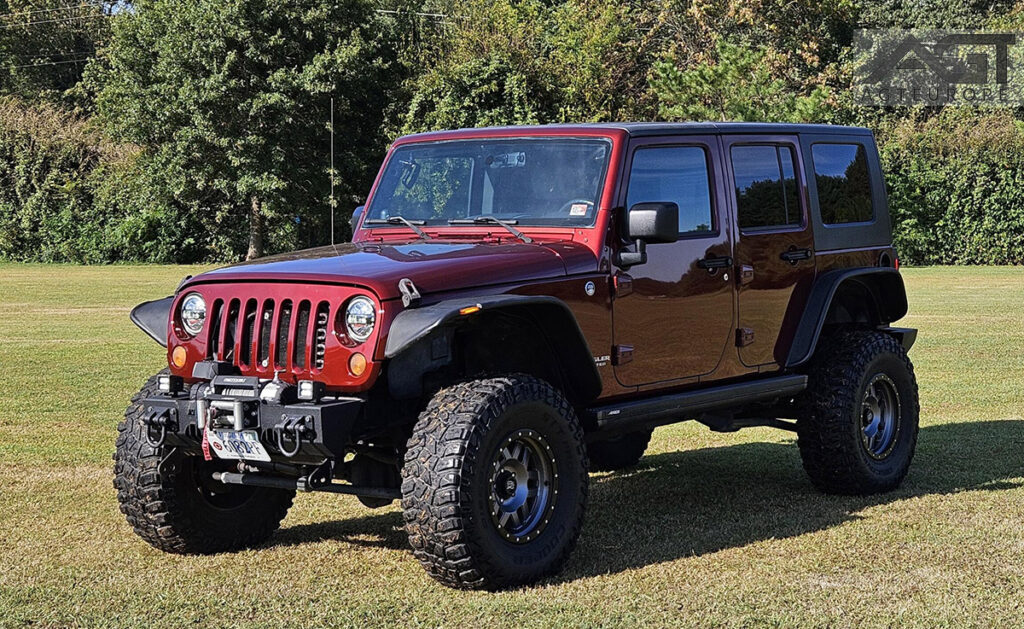
Credit: agtauto.com
Jeep Models And Years Most Prone To Death Wobble
Not all Jeeps are equally at risk. Let’s break down which models and years have the worst reputation for death wobble, based on owner reports, recalls, and expert data.
Jeep Wrangler (tj, Jk, Jl)
The Wrangler is the model most often associated with death wobble, mainly because of its solid front axle design. Here’s how the risk breaks down by generation:
| Model | Years | Death Wobble Risk |
|---|---|---|
| Wrangler YJ | 1987–1995 | Low |
| Wrangler TJ | 1997–2006 | Medium |
| Wrangler JK | 2007–2018 | High |
| Wrangler JL | 2018–Present | Medium to High |
Key model years to avoid: 2007–2018 (JK generation) and early 2018–2020 JL models.
Why These Years?
- JK (2007–2018): This generation has the highest number of death wobble complaints. The front track bar bracket and bushings are weak spots, and the factory steering damper is often blamed.
- JL (2018–2020): Early JL Wranglers continued to show issues, especially before Jeep updated the steering damper in mid-2019.
Jeep Grand Cherokee
The Grand Cherokee shares some suspension parts with Wranglers but uses an independent front suspension in newer models. Death wobble is less common, but not impossible, especially in older models.
| Model | Years | Death Wobble Risk |
|---|---|---|
| Grand Cherokee ZJ | 1993–1998 | Medium |
| Grand Cherokee WJ | 1999–2004 | Medium |
| Grand Cherokee WK & Later | 2005–Present | Low |
Years to watch: 1993–2004.
Jeep Cherokee (xj, Kl)
The classic Cherokee XJ has a similar suspension to the Wrangler and can suffer death wobble, especially if modified.
| Model | Years | Death Wobble Risk |
|---|---|---|
| Cherokee XJ | 1984–2001 | Medium to High |
| Cherokee KL | 2014–Present | Low |
Main concern: 1984–2001 XJ models, especially those with worn or aftermarket parts.
Jeep Comanche, Wagoneer, And Others
Some older models like the Comanche (MJ) and Wagoneer also used solid axles, so they can develop death wobble if not maintained, but these are less common on the road today.
The Most Problematic Jeep Years For Death Wobble
Based on thousands of owner reports, recall data, and NHTSA complaints, these are the Jeep model years with the highest death wobble risk:
- 2007–2018 Wrangler JK: Most frequent death wobble complaints.
- 2018–2020 Wrangler JL: Early models before factory upgrades.
- 1997–2006 Wrangler TJ: Common with high mileage or lifts.
- 1984–2001 Cherokee XJ: Especially with worn parts or poor modifications.
- 1993–2004 Grand Cherokee (ZJ, WJ): Can develop with age and use.
Important insight: The risk is highest in Jeeps with over 60,000 miles or those with aftermarket suspension parts. Many cases also happen after a minor fender bender or hitting a big pothole.
Jeep Death Wobble Recalls And Fixes
Jeep has issued several recalls and technical service bulletins (TSBs) over the years for steering and suspension problems related to death wobble.
- In 2019, Jeep released a new steering damper for the JL Wrangler to address owner complaints.
- The JK generation received TSBs about track bar bracket welds and steering stabilizer upgrades.
- However, no recall completely eliminates death wobble, because the issue can result from many different causes.
If you’re buying a Jeep in a risky year, check if these upgrades have been done. Owners can sometimes get the fixes for free under warranty or a TSB.
Common Myths And Misunderstandings
Myth 1: “It’s only the steering damper.”
Many believe changing the steering damper will solve death wobble. This part can hide symptoms, but it rarely fixes the root cause. If suspension parts are worn, the problem will return.
Myth 2: “Only lifted Jeeps have this problem.”
While lift kits can make death wobble more likely, many stock Jeeps have experienced it—especially in the JK generation.
Myth 3: “Newer Jeeps don’t have death wobble.”
Even new models can suffer, especially if parts are loose from the factory or after hitting a pothole.
Non-obvious insight: Sometimes, a single loose bolt (especially on the track bar) is enough to trigger severe death wobble. Always check torque specs and use a torque wrench.
How To Spot A Jeep At Risk
If you’re shopping for a used Jeep, these steps can help you avoid a headache:
- Check for service records. Look for recent suspension work, steering damper upgrades, or TSB repairs.
- Inspect suspension parts. Worn bushings, loose bolts, or cracked brackets are red flags.
- Test drive at highway speeds. If the owner refuses, be cautious.
- Check for modifications. Lift kits, oversized tires, or aftermarket track bars can increase risk if not installed correctly.
- Review online forums. See if the model year and mileage have common issues.
Most buyers overlook the importance of checking the track bar mount for cracks or oval-shaped holes. These can be expensive to repair and often cause recurring wobble.
How To Fix Death Wobble (if It Happens)
If you already own a Jeep and experience death wobble, don’t panic—there are clear steps to fix it.
1. Inspect And Tighten Everything
Start with the front suspension and steering. Use a torque wrench to check:
- Track bar bolts (both frame and axle ends)
- Tie rod ends
- Control arm bolts
- Steering box bolts
Loose bolts are a common cause.
2. Replace Worn Parts
Look for:
- Cracked or worn bushings
- Ball joints with play
- Bent track bars or control arms
Replace any parts with excessive wear.
3. Wheel Alignment And Balance
Get a professional wheel alignment and balance all four tires. Even a small imbalance can trigger or worsen death wobble.
4. Steering Damper Upgrade
While not a true fix, a new or upgraded steering stabilizer can help mask small vibrations. But don’t rely on this alone.
5. Professional Inspection
If the problem remains, visit a Jeep specialist. They can check for frame or bracket damage, which is hard to spot without experience.
Helpful tip: Always use high-quality replacement parts. Cheap bushings or track bars are more likely to fail again.
How Jeep Owners Minimize Death Wobble Risk
Many Jeep owners enjoy years of trouble-free driving by following these habits:
- Regular inspection: Check suspension and steering parts every oil change.
- Proper torque: Use a torque wrench, not just hand tools.
- Quality parts: Avoid low-quality aftermarket parts for critical suspension components.
- Limit aggressive modifications: Extreme lift kits or very large tires often lead to problems.
- Keep tires properly inflated. Under-inflated or mismatched tires can cause vibrations.
Pro tip: After off-roading or hitting a big pothole, re-torque all front suspension bolts. Many cases of death wobble start after these events.
Comparison: Stock Vs. Modified Jeeps And Death Wobble
Let’s compare the risk of death wobble in stock vs. modified Jeeps:
| Jeep Type | Death Wobble Risk | Common Causes |
|---|---|---|
| Stock (Factory) | Medium | Worn parts, loose bolts |
| Lifted (2–4 inch lift) | High | Suspension geometry changes, poor installation |
| Oversized Tires | High | Imbalance, extra stress on suspension |
| Aftermarket Track Bar | Medium to High | Poor fit, weak bushings |
Bottom line: Modifications can raise your risk, but even stock Jeeps are not immune.
What Jeep Owners Say: Real Experiences
Thousands of owners have shared their death wobble stories. Here are a few examples:
- 2012 Wrangler JK owner: “At 55 mph, the whole front end started shaking so bad I thought I’d lose control. Dealer replaced the track bar and damper—problem gone.”
- 2019 Wrangler JL owner: “My new Jeep wobbled at 8,000 miles. The dealer swapped the steering damper for the updated part, which helped.”
- 2000 Cherokee XJ owner: “After installing a 3-inch lift, the wobble started. Tightening all bolts and getting a proper alignment fixed it.”
Many owners mention that the problem returns if they don’t check bolts and bushings regularly.
Jeep’s Response And Manufacturer Solutions
Jeep (now part of Stellantis) acknowledges death wobble as a concern but often describes it as a “vibration” rather than a defect. In response to owner complaints and lawsuits:
- Jeep released upgraded steering dampers for JK and JL models.
- Technical bulletins were sent to dealers with step-by-step repair procedures.
- Some lawsuits have pushed Jeep to cover repairs under warranty, but not all.
Crucial fact: No Jeep model is officially recalled solely for death wobble, because the root cause can be maintenance-related, not a design flaw.
Credit: agtauto.com
Should You Avoid Jeeps Prone To Death Wobble?
If you love off-roading or open-air driving, the Wrangler and Cherokee are hard to beat. But if you want a worry-free daily driver, choosing the right year is key.
Best advice: Avoid high-mileage JK Wranglers (2007–2018) unless they have full service records and recent suspension work. Early JL models (2018–2020) should have the upgraded steering damper. Classic Cherokees and older Grand Cherokees are fine if well-maintained, but always inspect before buying.
Another insight: Many buyers overlook the importance of an independent mechanic’s inspection. Spending $100 can save you thousands in repairs and peace of mind.
Alternatives For Jeep Buyers
If death wobble worries you, some Jeep models and years are much less likely to have issues:
- Wrangler YJ (1987–1995): Leaf spring suspension is simpler and less prone to wobble.
- Grand Cherokee WK (2005–2010) and newer: Independent front suspension is more stable.
- Cherokee KL (2014–present): Modern suspension, lower risk.
Alternatively, consider other SUVs with independent suspension if you rarely off-road.
Jeep Death Wobble Lawsuits And Owner Rights
Over the years, Jeep has faced several class-action lawsuits related to death wobble. Results vary:
- Some owners received extended warranties or free repairs for steering parts.
- Others had to pay out of pocket, especially if the vehicle was modified.
- The National Highway Traffic Safety Administration (NHTSA) continues to monitor complaints but has not forced a full recall.
If you experience death wobble, file a complaint with the NHTSA and contact your dealer. Keep records of all repairs, as they may help in warranty or legal claims.
For more on NHTSA complaints, visit the NHTSA official website.
Frequently Asked Questions
What Is The Main Cause Of Jeep Death Wobble?
The main cause is a combination of worn suspension parts, especially the track bar, ball joints, and bushings. Loose bolts or poor alignment can make it worse. Death wobble is rarely caused by a single part—it’s usually several small issues together.
Which Jeep Years Should I Avoid If I’m Worried About Death Wobble?
The riskiest years are 2007–2018 Wrangler JK, 2018–2020 Wrangler JL (before the steering damper upgrade), 1997–2006 Wrangler TJ with high mileage or lifts, and 1984–2001 Cherokee XJ. Always inspect before buying.
Can Death Wobble Be Completely Fixed?
Yes, in most cases, death wobble can be fixed by tightening all bolts, replacing worn parts, and getting a proper alignment. However, if there is frame or bracket damage, repairs can be expensive.
Is Death Wobble Covered By Jeep’s Warranty?
Some repairs, like steering dampers and track bars, may be covered under the factory warranty or technical service bulletins. But if your Jeep is modified or out of warranty, you may have to pay for repairs.
Are Other Vehicles Besides Jeeps At Risk For Death Wobble?
Any vehicle with a solid front axle (like some old Ford, Dodge, or Ram trucks) can experience death wobble, but it’s most common in Jeeps due to their suspension design.
Choosing the right Jeep model year can make all the difference in avoiding death wobble. With careful inspection, proper maintenance, and understanding what to look for, you can enjoy your Jeep for years—without the shake.

Credit: www.cjponyparts.com