

The Honda Element Years to Avoid: A Practical Guide for Buyers
The Honda Element is known for its unique boxy shape, roomy interior, and flexible features. Many drivers love its easy-to-clean surfaces, spacious cargo area, and reliable performance. But not all Honda Element years are equal. Some models have issues that can lead to expensive repairs, frustrating breakdowns, or safety concerns. If you’re thinking about buying a used Honda Element, knowing which years to avoid can save you money and stress.
This guide explains which Honda Element years you should be careful with, why they have problems, and what to look for instead. You’ll find real-world examples, clear comparisons, and expert tips to help you make a smart decision. Whether you want a daily driver, a camping vehicle, or a family car, understanding the trouble spots will help you choose the best Honda Element for your needs.
Honda Element Overview: What Makes It Special
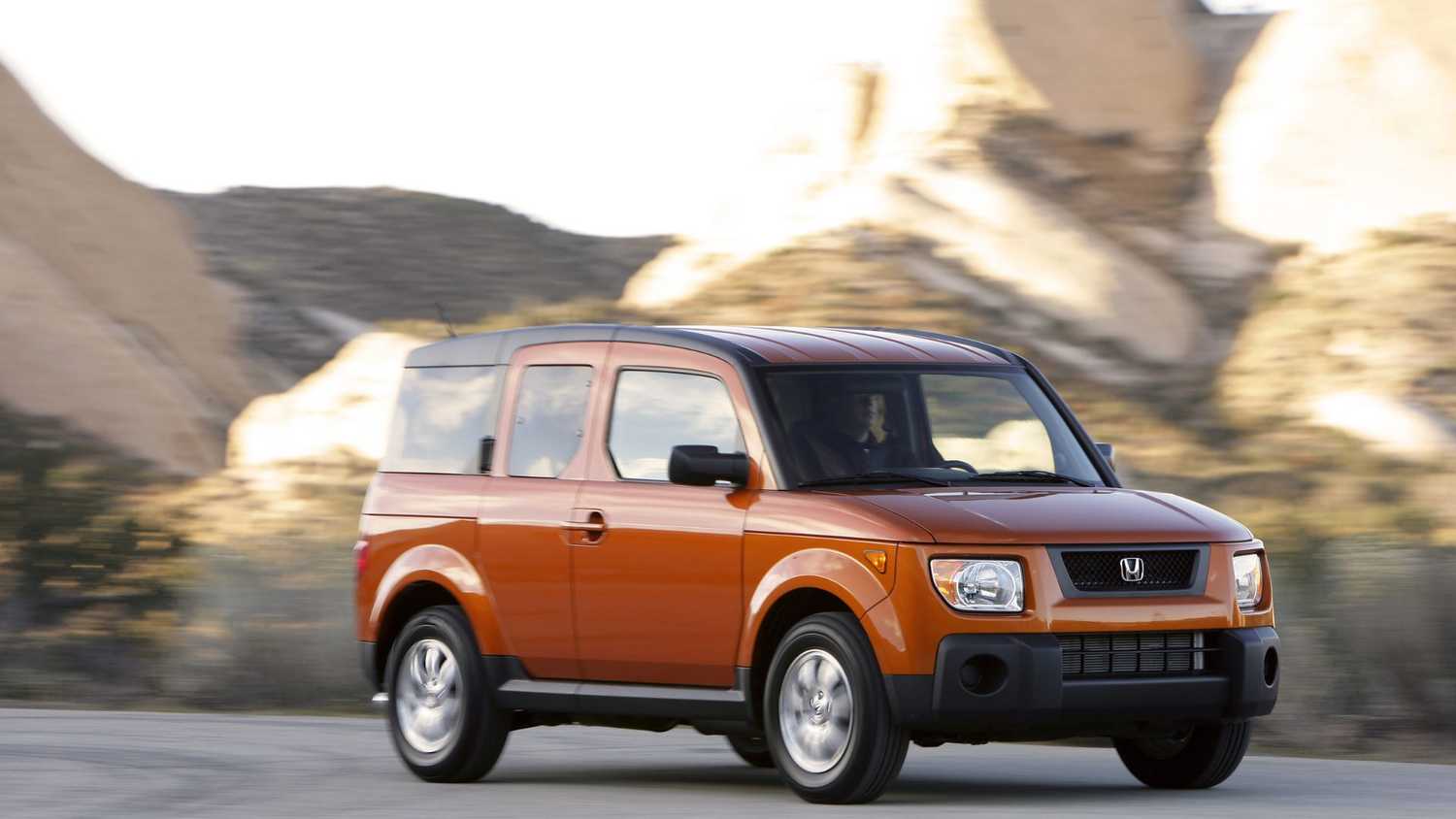
The Honda Element was first launched in 2003 and quickly became popular for its practical design. The car was made for active people, with features like suicide rear doors, water-resistant seats, and a flat cargo floor. It’s easy to pack gear, clean up messes, and customize for different uses. Many owners praise its reliability and low maintenance costs.
The Element stands out for its modular interior, which means you can fold, flip, or remove the rear seats to create a sleeping area, haul bikes, or load tall items. The wide-opening doors make it easy to load large objects, and the durable flooring resists stains and scratches. This makes it a favorite for pet owners, sports enthusiasts, and campers.
Production ran from 2003 to 2011. All models have a 2.4-liter four-cylinder engine, but there are differences in trim, features, and safety across the years. Some years are known for lasting over 200,000 miles with regular care. Others, however, can be trouble.
Another special feature is the high roofline. Even tall adults can sit comfortably, and the upright driving position gives good visibility. The Element’s combination of car-like handling and SUV practicality is rare, especially for its price range.
Which Honda Element Years To Avoid
Not every Honda Element is a good buy. Some years are linked with mechanical problems, recalls, and lower owner satisfaction. The main years to avoid are:
- 2003
- 2004
- 2007
- 2008
Let’s look closely at why these years stand out and what problems they have.
2003 Honda Element
The first model year, 2003, brought many new ideas, but it also came with several issues. Owners have reported:
- Airbag recall: The 2003 Element was affected by the Takata airbag recall, which became a major safety issue in later years.
- Transmission problems: Some drivers experienced rough shifting or transmission failure, especially in higher-mileage cars.
- Paint and body issues: Early models often suffer from peeling paint and rust, especially in northern climates.
- Door lock failures: The unique rear doors sometimes don’t latch properly, causing frustration and potential safety risks.
A few owners also mention wind noise at highway speeds and rattles from the dashboard, which can be annoying on long trips. While these aren’t safety issues, they reduce the overall driving experience.
2004 Honda Element
The 2004 model improved in some areas, but it still had significant problems:
- Continued airbag issues: The Takata recall affected this year as well.
- Electrical faults: Owners reported trouble with power windows, locks, and dashboard lights.
- Suspension wear: Some Elements developed worn ball joints and bushings sooner than expected, leading to expensive repairs.
Some drivers also complain about premature brake wear and a “soft” brake pedal feel. This can increase stopping distances and raise safety concerns, especially in city driving.
2007 Honda Element
By 2007, Honda made several updates, but new problems appeared:
- Engine oil leaks: Many 2007 Elements suffer from oil leaks around the engine block and valve cover gasket.
- Paint quality: Fading and peeling paint remained an issue, especially on the roof and hood.
- Airbag recall: Takata airbag problems continued, and some owners had trouble getting repairs from dealers.
Another issue was with the power steering pump, which can become noisy or fail, leading to heavier steering and higher repair bills. Some owners also noticed squeaks from the suspension over bumps, hinting at worn bushings.
2008 Honda Element
The 2008 model is known for:
- More airbag recall headaches: Multiple recalls led to long waits for replacement parts.
- Electrical glitches: Problems with sensors, battery drains, and dashboard warning lights.
- Water leaks: Some owners reported leaks around the windows and doors, causing mold and damage inside.
A few 2008 models also had problems with the starter motor failing, which left some drivers stranded. This is less common but worth checking if you’re considering this year.
Why These Years Are Risky
A combination of safety recalls, mechanical failures, and body quality issues make these years less reliable. Repairs can be costly, and some problems are hard to fix completely. If you value reliability and want to avoid surprises, it’s best to skip these model years.
Buying a vehicle from one of these years may also reduce your resale options, as many buyers are aware of these issues and look for later models. Even if the price seems good, the risk of ongoing problems can outweigh the savings.
Data Comparison: Problem Frequency By Year
The number of complaints and recalls gives a clear picture of which years are riskier. Here’s a summary based on data from owner reports and official recalls:
| Model Year | Number of Complaints | Major Recalls | Common Issues |
|---|---|---|---|
| 2003 | 350+ | Takata airbag, transmission | Airbag, transmission, paint, door locks |
| 2004 | 220+ | Takata airbag | Airbag, electrical, suspension |
| 2007 | 140+ | Takata airbag | Oil leaks, paint, airbag |
| 2008 | 110+ | Takata airbag | Airbag, electrical, water leaks |
| 2011 | 45+ | Minor recalls | Minimal issues |
As you can see, the 2003 and 2004 years have the most complaints and major recalls. The 2007 and 2008 models also show higher rates of trouble compared to later years.
More recent years, like 2010 and 2011, have far fewer issues. This shows Honda improved the design and addressed earlier problems as the model matured. If you’re comparing different Elements, this kind of data can help you make a confident choice.
Common Honda Element Problems Explained
Even outside the main years to avoid, some issues affect many Elements. Here’s what to watch for:
Airbag Recalls
The Takata airbag recall is one of the biggest safety problems. Airbags can explode with too much force, sending metal parts into the cabin. The recall affected millions of vehicles, and Honda Element models from 2003–2010 were included.
Some repairs took months to complete because of parts shortages, leaving cars unsafe to drive. Always check the recall status and ask for repair records before buying.
Paint And Rust
Many Elements suffer from peeling paint and rust, especially on the roof, hood, and wheel wells. This is more common in older models and cars used in cold, wet climates.
If you see bubbling under the paint or orange spots, the metal underneath may be corroding. While repainting helps, rust can spread if not treated early. In some cases, repairing severe rust can cost more than the car is worth.
Engine Oil Leaks
Some years, especially 2007, have issues with oil leaks from the engine block and valve cover. Leaks can lead to low oil levels, engine damage, and expensive repairs.
A slow oil leak might not be noticed right away, but it can cause the engine to run low on oil, leading to overheating or even engine failure if ignored.
Water Leaks
Certain models, especially 2008, develop leaks around doors and windows. Water inside the car can cause mold, ruined upholstery, and electrical problems.
Moldy smells or wet carpets are a warning sign. Fixing leaks often means replacing door seals or resealing windows, which can be time-consuming.
Transmission Issues
Early models, especially 2003, sometimes develop transmission faults. Symptoms include rough shifting, slipping gears, or complete transmission failure.
In some cases, transmission repairs can cost $1,500 or more. Test driving and checking maintenance records can help you spot risky vehicles.
Electrical Problems
Many owners report trouble with power windows, door locks, dashboard lights, and sensors. Electrical issues are more common in 2004 and 2008 Elements.
Sometimes a simple fuse replacement fixes the problem, but wiring issues can be harder to diagnose and repair, especially as the car ages.
Credit: blog.1aauto.com
Which Honda Element Years Are Best?
If you want a reliable, long-lasting Element, these years are generally recommended:
- 2005
- 2006
- 2009
- 2010
- 2011
These models have fewer complaints, better build quality, and less risk of major recalls.
Data Table: Honda Element Reliability By Year
Here’s a quick comparison of the best years for reliability:
| Model Year | Owner Satisfaction | Major Complaints | Estimated Longevity |
|---|---|---|---|
| 2005 | High | Minor paint | 200,000+ miles |
| 2006 | High | Minor electrical | 200,000+ miles |
| 2009 | Very High | Few issues | 220,000+ miles |
| 2010 | Very High | Minimal issues | 220,000+ miles |
| 2011 | Very High | Minimal issues | 220,000+ miles |
Choosing one of these years gives you a better chance of getting a reliable vehicle with fewer headaches.
Another advantage of these later years is improved crash safety. Honda added more airbags and updated the structure, making the Element safer in a collision. If you plan to use your Element for family trips or daily commuting, these safety upgrades are important.
What To Check Before Buying A Used Honda Element
If you’re looking at a used Element, careful inspection is key. Here’s what to check:
- Recall History: Ask the seller for recall records. Make sure all airbag recalls and other safety repairs were completed.
- Paint and Rust: Look for peeling paint, rust spots, and bubbling on the roof, hood, and wheel wells.
- Engine Oil Leaks: Inspect under the car and around the engine for signs of oil leaks.
- Transmission Performance: Test drive the car and check for smooth shifting and normal gear changes.
- Electrical System: Try all power windows, door locks, dashboard lights, and sensors.
- Water Leaks: Check carpets, door seals, and window edges for signs of water entry or mold.
- Suspension and Steering: Listen for clunks or squeaks when driving over bumps.
Practical Inspection Tips
- Bring a flashlight to check under seats and inside door panels.
- Ask for maintenance records. Consistent oil changes and repairs mean a healthier car.
- If possible, have a mechanic inspect the car before buying. They can spot hidden issues.
You can also check the tire wear pattern. Uneven wear may suggest suspension or alignment problems. Test all the seat belts to ensure they retract properly—sometimes, seat belt retractors weaken with age and can be expensive to replace.
Many buyers skip these steps and regret it later. Spending a bit more time up front can save thousands in repairs.
Credit: carbuzz.com
Honda Element Trim Levels And Features
The Element was offered in several trim levels. Understanding the differences can help you choose the best model for your needs:
- DX: Basic features, manual windows, no cruise control.
- EX: Power windows, cruise control, upgraded audio.
- LX: Mid-level features, often more affordable.
- SC: Sportier look, unique wheels, upgraded interior.
Later models (2007–2011) added more safety features, like side airbags and improved crash ratings. The SC trim is popular with younger drivers for its unique styling.
Comparison Table: Trim Features
| Trim | Key Features | Best For |
|---|---|---|
| DX | Basic equipment, manual windows | Budget buyers |
| LX | Power windows, basic audio | Daily drivers |
| EX | Cruise, upgraded audio, side airbags | Family use |
| SC | Sport wheels, custom interior | Style seekers |
If you want more comfort and safety, the EX and SC trims are best. Budget buyers often choose the DX or LX.
One detail many miss: all-wheel drive (AWD) was optional on most trims except the SC, which is front-wheel drive only. If you need better traction for snow or off-road adventures, look for an AWD model.
Real-world Owner Experiences
Many Element owners share their stories online. Here are a few examples:
- Mike, 2003 Element owner: “After 120,000 miles, I started having transmission trouble. The dealer said it was a common issue. Fixing it cost almost $2,000.”
- Sara, 2007 Element owner: “I love the space and easy-clean seats. But the engine started leaking oil at 90,000 miles. It’s a known problem, and I had to replace the gasket.”
- Tom, 2011 Element owner: “I bought my Element used with 80,000 miles. It’s reliable, and I haven’t had any major problems. Just normal maintenance.”
These stories show that some years have recurring issues, while others deliver solid performance.
Another owner, Linda, shared that her 2005 Element has over 210,000 miles and is still running strong. She credits regular oil changes and fixing minor problems quickly. This shows how good maintenance can make a big difference, even for older cars.
Credit: rerev.com
Non-obvious Insights For Buyers
Most buyers focus on recalls and mechanical issues, but there are other factors to consider:
- Insurance Costs: Elements from years with high recall rates can have higher insurance premiums. Insurers look at safety risks and repair costs.
- Resale Value: Models with fewer complaints and better reliability (like 2009–2011) hold their value better. Elements from 2003–2004 often sell for less, and may be harder to resell.
- Parts Availability: The Element was discontinued in 2011. Some parts for older models, especially for airbag repairs, can be hard to find and expensive.
Another overlooked detail: aftermarket support. There are fewer custom accessories compared to popular SUVs, but some companies make camper kits, bike racks, and pet barriers specifically for the Element. If you want to convert your Element for camping or business, check if the right accessories are available for your model year.
Many buyers don’t realize that the cost of ownership goes beyond the purchase price. Considering insurance, resale, and parts access is smart planning.
How To Avoid Common Buyer Mistakes
Buying a used Element can be rewarding, but mistakes are easy to make. Here’s how to avoid them:
- Don’t skip the test drive: Always drive the car before buying. Listen for noises, check shifting, and test all features.
- Don’t ignore recalls: Make sure all safety recalls are fixed. Unrepaired airbag recalls can be dangerous.
- Don’t buy sight unseen: Photos online can hide rust, leaks, and wear. Inspect in person or hire a trusted mechanic.
- Don’t rush the process: Take time to compare several cars. Prices, condition, and features vary widely.
Another tip: run a vehicle history report using services like Carfax or AutoCheck. This can reveal accident damage, title issues, or odometer rollbacks.
Many buyers regret not checking these points. Taking a careful, step-by-step approach helps you avoid costly surprises.
Alternative Vehicles To Consider
If you like the Element but worry about its trouble years, there are other options:
- Honda CR-V: Similar reliability, more conventional styling, and better parts availability.
- Toyota RAV4: Good cargo space, strong reliability, and popular with families.
- Subaru Forester: All-wheel drive, roomy interior, and good for outdoor activities.
Another model to consider is the Kia Soul. While smaller, it offers good cargo flexibility and modern features at a lower price point. Each of these alternatives has different strengths—test driving them can help you see what fits your lifestyle best.
These vehicles offer similar practicality but may have fewer issues. Comparing them can help you find the best fit.
Where To Find Reliable Information
Before you buy, check trusted sources for owner reviews, recall information, and detailed specs. Sites like the National Highway Traffic Safety Administration (NHTSA), Consumer Reports, and Edmunds are good places to start. They provide data on recalls, repairs, and real-world reliability.
You can also visit online forums dedicated to Honda Element owners. These communities often share tips, repair guides, and honest opinions that you won’t find in official reviews.
Frequently Asked Questions
Which Honda Element Year Is The Most Reliable?
Most experts agree that the 2010 and 2011 Honda Elements are the most reliable. They have fewer complaints, improved safety features, and lower risk of expensive repairs.
How Can I Check If A Honda Element Has Been Recalled?
You can check recall status by entering the car’s VIN on the NHTSA website or at a local Honda dealer. Always confirm that all recalls, especially airbag recalls, have been fixed.
Is The Honda Element Expensive To Maintain?
Overall, the Element is affordable to maintain compared to other SUVs. However, models from years with known issues (like 2003 or 2007) can have higher repair costs, especially for transmission or engine leaks.
Are Honda Element Parts Still Available?
Most common parts are available, but some airbag repair parts and specific trim pieces can be hard to find for older models. It’s easier to get parts for Elements from 2005–2011.
What’s The Best Trim For Daily Use?
The EX trim is popular for daily driving. It offers power windows, cruise control, and improved safety features. The SC trim is good for drivers who want a sportier look.
Making Your Honda Element Decision
Buying a used Honda Element can be a smart move if you know what to look for. Avoiding the risky years (2003, 2004, 2007, 2008) can help you find a reliable, long-lasting vehicle. Remember to check for recalls, inspect for leaks and rust, and choose a model with good maintenance history.
Later years, especially 2009–2011, offer better reliability and value.
Take your time, ask questions, and use trusted sources. With careful research, you’ll find the right Element for your needs—and enjoy many miles of flexible, practical driving.