

Buying a used BMW 3 Series can be exciting, but not every model year delivers the legendary reliability and performance you might expect. The 3 Series is known for its sharp handling, upscale feel, and driving enjoyment. Yet, some years come with costly issues that can make ownership stressful and expensive.
If you’re thinking about getting a used 3 Series, knowing which years to avoid is essential. This guide gives you a detailed look at the three most problematic BMW 3 Series years, why they’re risky, and how to make a confident, informed decision.
Why Some Bmw 3 Series Years Should Be Avoided
Every car model has its ups and downs. Even a brand like BMW, famous for engineering, has faced quality problems in certain years. The reasons often come down to:
- New technology with bugs
- Cost-cutting on parts
- Engine or transmission changes
- Recurring reliability issues
Some model years suffered from multiple recalls, high repair costs, and user complaints. Avoiding them can save you thousands of dollars and many headaches. Let’s explore the three main BMW 3 Series years you should avoid.
Bmw 3 Series Years To Avoid: The Three Most Troubled
1. 2007 Bmw 3 Series (e90/e92/e93)
The 2007 model year was part of the fifth-generation E90 (sedan), E92 (coupe), and E93 (convertible) family. At launch, these models brought modern styling and advanced features. But under the surface, several major issues made this year a risky choice.
Common Problems With 2007 Models
- High-Pressure Fuel Pump (HPFP) Failure: Many 335i models used a turbocharged N54 engine. These engines suffered from frequent HPFP failures, often leaving owners stranded.
- Turbocharger Wastegate Rattle: The N54’s twin turbos often developed a metallic rattle, which could lead to expensive turbo replacement if ignored.
- Valve Cover and Gasket Leaks: Oil leaks from these areas were common and could damage other engine parts.
- Electronic Issues: Faulty sensors, window regulators, and iDrive glitches added to repair bills.
- Steering Lock Malfunctions: Some cars failed to start because of a steering wheel lock defect.
Why 2007 Is A Year To Avoid
The 2007 3 Series stands out for engine reliability issues that can cost thousands to fix. The N54 engine, while powerful, is notorious for expensive repairs. Many owners reported repeated breakdowns, even after replacing failed parts. The cost of a single turbocharger replacement or HPFP job can rival the car’s value. Even non-turbo models saw issues with fuel injectors and electronics.
Real-world Repair Costs
Repairs on 2007 models often go beyond typical maintenance:
- Turbocharger replacement: $3,000–$4,500
- HPFP replacement: $1,200–$2,000
- Valve cover gasket: $500–$1,200
- Window regulator: $300–$450
The cumulative effect is that 2007 models can turn into “money pits,” especially as they age.
Reliability Ratings And Recalls
Data from sources like Consumer Reports and CarComplaints show the 2007 3 Series has more complaints than most years. Recalls focused on fuel pumps, airbags, and electrical systems. Owners described sudden loss of power on the highway or frequent check engine lights.
Not-so-obvious Insights
- Early N54 Engines: The first versions of the N54 engine (used in 2007) are more failure-prone than later updates.
- Warranty Expiry: Many major repairs started after the original warranty ended, making costs fully the owner’s responsibility.
2. 2008 Bmw 3 Series (e90/e92/e93)
The problems of 2007 did not disappear overnight. The 2008 3 Series kept many of the same engines and systems. In fact, some reliability issues became even more visible as cars aged.
Persistent Issues In 2008
- HPFP and Turbo Problems Continue: The N54 engine’s issues persisted, and BMW’s fixes weren’t always effective.
- Water Pump and Thermostat Failures: Electronic water pumps, introduced in these models, failed without warning. Overheating could quickly ruin the engine.
- Timing Chain Rattle (328i N52 Engines): The less powerful N52 also developed timing chain noises, leading to costly repairs.
- Sunroof Drains Clogging: This design flaw led to water leaks inside the car, damaging electronics and interiors.
- More iDrive Problems: The infotainment system often froze or failed, requiring expensive dealer resets or replacements.
Why 2008 Remains Risky
The 2008 3 Series not only kept the N54’s issues, but also added more electronic problems. Water pump failures could leave you stranded with an overheated engine. Repairs for these failures are difficult and expensive. Issues like sunroof leaks are hard to spot in a test drive but can cause mold and electrical shorts later.
Repair Costs For 2008 Models
- Water pump/thermostat replacement: $1,000–$1,800
- Timing chain repair: $1,500–$2,500
- IDrive unit replacement: $1,200–$2,000
- Sunroof drain repair: $300–$600
Reliability Data And Owner Complaints
Consumer Reports reliability scores for 2008 dropped further, especially for engine, cooling, and electrical categories. CarComplaints marked 2008 as a “Clunker” year with high reports of severe engine issues.
Two Insights For Shoppers
- Electronic Water Pump Risks: Unlike older belt-driven pumps, the electronic pump can fail suddenly with no warning. Always budget for a replacement.
- Sunroof Leak Damage: Water leaks may not show up right away—inspect under carpets and in the trunk for water stains.
3. 2012 Bmw 3 Series (f30)
The 2012 model year introduced the sixth-generation F30 3 Series. It brought turbocharged four-cylinder engines, new electronics, and a lighter chassis. While the car felt modern and efficient, early F30s came with new problems.
Trouble Spots In 2012 Models
- Timing Chain Tensioner Failure (N20/N26 Engines): The new turbo four-cylinders suffered from weak timing chain guides and tensioners. If they fail, the engine can be destroyed.
- Oil Consumption Issues: Many owners noticed their cars burning oil quickly, even with low mileage.
- Steering and Suspension Noises: Early F30s developed clunks or squeaks from the front end, often requiring control arm or bushing replacement.
- Electric Power Steering Glitches: Some cars lost steering assist suddenly, especially in cold weather.
- Infotainment Bugs: The updated iDrive system suffered from Bluetooth dropouts, screen freezes, and slow response.
Why 2012 Is A Problem Year
The biggest risk is the N20 engine’s timing chain problem. If the timing chain fails, the engine can be ruined—this is not a minor fix. BMW did update the part in later years, but 2012 models remain at higher risk. Oil burning and steering problems add to the cost of ownership.
Repair Costs For 2012 Models
- Timing chain/tensioner replacement: $2,000–$3,500
- Suspension/control arm repair: $700–$1,200
- Infotainment module replacement: $1,100–$1,800
Reliability And Owner Feedback
2012 F30 models have more engine complaints than later years. Many owners faced big repair bills before reaching 100,000 miles. CarComplaints and Consumer Reports rate the 2012 year below average for engine and electronics.
Hidden Insights
- No Recall for Timing Chain: BMW did not issue a full recall for this engine flaw. Many owners only discovered the risk after warranty expired.
- N20 Engine Used Across Models: The same engine was used in other BMWs, so parts can be in high demand, sometimes raising repair costs.

Credit: www.copilotsearch.com
Comparison: 2007 Vs 2008 Vs 2012 Bmw 3 Series
To help you see the differences between these years, here’s a side-by-side look at the main issues, engines, and risks:
| Model Year | Main Engine(s) | Most Serious Problems | Average Repair Cost | Reliability Rating |
|---|---|---|---|---|
| 2007 | N54 Turbo I6, N52 I6 | HPFP failure, turbo rattle, oil leaks | $2,000–$5,000/year | Low |
| 2008 | N54 Turbo I6, N52 I6 | HPFP, water pump, electronics | $2,500–$6,000/year | Very Low |
| 2012 | N20 Turbo I4, N55 I6 | Timing chain, oil burning, steering | $2,000–$4,500/year | Low |
This table highlights how each year’s main engine led to expensive, recurring problems. Each year also suffered from electronic or steering glitches that were hard to predict.
Other Bmw 3 Series Years With Caution Flags
While 2007, 2008, and 2012 are the top years to avoid, a few other years also deserve caution:
- 2006: First year of the E90, with early bugs and teething problems.
- 2013: Early F30s still had timing chain and electronics issues.
- 2011: Last year of the E90, with some lingering engine and water pump problems.
Still, these years are not as problematic as the “big three” discussed above.

Credit: www.bmwblog.com
What Makes These Years Stand Out As The Worst?
It’s not just one issue that makes a BMW 3 Series year worth avoiding. It’s the combination of:
- Frequent breakdowns: Not just small things, but major engine or transmission failures.
- High repair costs: Many repairs require hours of labor and expensive parts.
- No reliable fixes: Even after replacing bad parts, new problems can appear.
- Low resale value: Buyers know about these issues, so values drop quickly.
Here’s a closer look at how the worst years compare to better years:
| Year | Common Repairs (per 100 cars) | Owner Satisfaction | Market Value Retention (5 years) |
|---|---|---|---|
| 2007 | 42 | Below Average | 60% |
| 2008 | 45 | Poor | 55% |
| 2012 | 38 | Below Average | 58% |
| 2014 | 21 | Above Average | 68% |
Notice how better years have lower repair rates and keep their value longer.
Key Warning Signs When Shopping Used
Before buying any used BMW 3 Series, especially from the risky years, look for:
- Service history gaps: Missing records may hide major repairs.
- Check engine light: Never ignore this, especially on turbo models.
- Unusual noises: Listen for rattles (timing chain/turbo) or whines (water pump).
- Oil stains: Check under the engine and on the ground after parking.
- Electronics glitches: Test all windows, iDrive functions, and lights.
If you see multiple warning signs, walk away—even if the price seems attractive.
Bmw 3 Series Years Worth Considering
Not every 3 Series is trouble-prone. Some years stand out for better reliability and lower ownership costs:
- 2009–2011 (E90/E92/E93): Later models fixed many turbo and electronics issues.
- 2014–2017 (F30): Updated timing chain parts and electronics are more reliable.
- 2019 onward (G20): The newest generation brings improved engines and tech, but prices are higher.
Choosing these years can offer the classic 3 Series driving feel with fewer surprises.
Smart Buying Tips For Used Bmw 3 Series
If you’re set on a used 3 Series, here are some tips to minimize risk:
- Get a Pre-Purchase Inspection (PPI): Have a BMW specialist check the car, focusing on engine, electronics, and suspension.
- Review Service Records: Prefer cars with full BMW dealer or specialist service history.
- Look for Recent Repairs: Cars with new water pumps, timing chains, or fuel pumps are less risky.
- Avoid Early Turbo Models (N54): If possible, go for naturally aspirated (non-turbo) engines or the improved N55/N20 engines from later years.
- Consider a Warranty: Even on used cars, extended warranties can save thousands if major parts fail.
- Test All Electronics: Spend time testing every button, screen, and feature, not just the engine.
- Buy from Reputable Sellers: Private sellers may not know all the car’s history. Certified Pre-Owned (CPO) cars can offer extra peace of mind.
The Real Cost Of Ownership For Problem Years
One thing many buyers forget is the total cost of ownership. It’s not just about buying the car—it’s about ongoing maintenance, surprise repairs, and potential downtime. For the risky years, here’s what you might expect over five years:
- 2007 Model: $8,000–$15,000 (including major engine repairs, electronics, and regular maintenance)
- 2008 Model: $9,000–$18,000 (turbo and water pump issues add up quickly)
- 2012 Model: $7,500–$14,000 (timing chain, oil, and steering repairs plus maintenance)
These numbers are much higher than for reliable Japanese or Korean sedans. Even compared to newer BMWs, the worst years stand out for their unpredictability.
Why Do Some 3 Series Years Still Sell Well?
Despite their risks, some buyers still choose these years. Why? The answer is simple: price. Many 2007, 2008, and 2012 3 Series are now cheap on the used market. They offer high-end features, strong engines, and classic BMW style for a low upfront cost.
However, the lower price often hides bigger expenses ahead. Unless you have a large repair budget and access to BMW specialists, these years rarely make sense for most buyers.
Understanding Bmw’s Approach To Reliability
BMW often focuses on performance and innovation before reliability. Many of the worst years introduced new engines or technology, hoping to stay ahead of rivals. While this keeps the 3 Series exciting, it also means more risk for early adopters.
The company has improved after 2012, but always research the specific model year and engine before buying.
For further data on BMW’s reliability history, see the official BMW 3 Series Wikipedia page.
Frequently Asked Questions
What Is The Most Reliable Bmw 3 Series Year?
The 2014–2017 BMW 3 Series (F30 generation) is generally seen as the most reliable. These models fixed earlier engine and electronics issues, and have fewer major recalls. Maintenance is still important, but major breakdowns are less common.
Are All Turbocharged 3 Series Models Unreliable?
Not all turbo models are bad, but early N54 engines (2007–2010) have high failure rates. Later turbos like the N55 and improved N20 (after 2014) are more reliable. Always check if key repairs were done before buying.
Is The Bmw 3 Series Expensive To Maintain?
Yes, compared to Honda or Toyota, the BMW 3 Series costs more to maintain. Expect higher parts prices, more complex repairs, and the need for specialist mechanics. Budget at least $1,200–$2,000 per year for regular maintenance on older models.
Can I Buy A 2007, 2008, Or 2012 Bmw 3 Series If It Has Full Service Records?
A full service history helps, but it does not guarantee reliability. The main risks—engine, water pump, timing chain—can still happen even if the car was well cared for. Only buy if you’re ready for unexpected costs.
What Should I Check Before Buying A Used Bmw 3 Series?
- Engine sound (listen for rattles/taps)
- Oil leaks under car and around engine
- All electronics: Windows, iDrive, lights, air conditioning
- Service history (look for major repairs)
- Test drive: Check steering, brakes, and transmission
Always get a pre-purchase inspection from a BMW specialist before finalizing the deal.
—
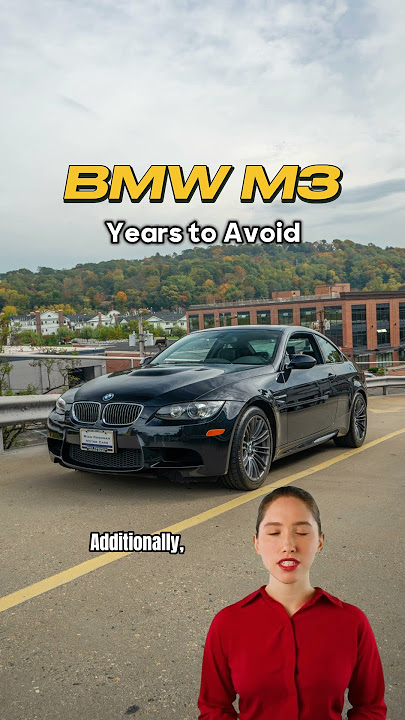
Choosing the right BMW 3 Series year can make the difference between enjoyable ownership and endless frustration. The 2007, 2008, and 2012 models are best avoided due to their serious engine and electronics problems. If you want a reliable 3 Series, focus on later E90 or newer F30 models, and always check the car’s history and condition.
With careful research and the right inspection, you can enjoy the classic BMW experience without nasty surprises.
Credit: m.youtube.com