

The Honda Crosstour looked like the answer for drivers who wanted the comfort of a sedan and the space of an SUV. With its sporty lines and hatchback practicality, it seemed to promise the best of both worlds. But not every Crosstour lived up to that promise.
Some years had more problems than others—issues that owners still talk about today. If you’re thinking of buying a used Honda Crosstour, knowing which model years to avoid can save you money, time, and frustration.
In this guide, you’ll learn which Crosstour years have the most complaints, what problems you might face, and which years are more reliable. You’ll also get insights that many first-time buyers miss. Whether you’re a car enthusiast or just want a dependable ride, this article will help you make a smart decision.
The Honda Crosstour Story
The Honda Crosstour was first launched for the 2010 model year. It was based on the Accord platform, with a unique fastback design and more ground clearance. At first, it was called the Accord Crosstour, but in 2012 Honda dropped “Accord” from the name. Production ran until 2015, when Honda discontinued the model due to low sales.
The Crosstour aimed to compete with vehicles like the Toyota Venza and Subaru Outback. It offered two engine options: a 2.4L four-cylinder (added later) and a 3.5L V6. You could choose front-wheel drive or all-wheel drive, depending on the year and trim.
Despite Honda’s reputation for reliability, the Crosstour had some rough spots. Certain years suffered from mechanical problems, electronic glitches, and interior issues. Understanding which years are trouble-prone can help you avoid costly repairs.
Crosstour Years To Avoid: Quick Overview
Some Crosstour years are best left alone if you want to avoid headaches. Based on owner reports, expert reviews, and recall data, the following years stand out as the worst for reliability:
- 2010 Honda Crosstour
- 2012 Honda Crosstour
- 2013 Honda Crosstour
These years show the highest number of complaints, especially for major problems. Let’s look at each year in detail and see what went wrong.
2010 Honda Crosstour: First-year Growing Pains
The 2010 model was the first Crosstour to hit the market. Like many first-year vehicles, it had more than its share of teething problems.
Common Problems
- Engine issues: Some owners reported excessive oil consumption and engine misfires. These can lead to expensive repairs if not caught early.
- Electrical glitches: Problems with the battery draining quickly, faulty sensors, and malfunctioning dashboard lights were common.
- Visibility concerns: The sloping rear window made it hard to see out the back. Rear visibility was a safety issue, especially when backing up.
- Interior quality: Early Crosstours had rattling dashboards and poor-quality materials that wore out faster than expected.
Real-world Example
One owner from California reported that their 2010 Crosstour engine started burning oil at just 70,000 miles. The dealer recommended an engine rebuild, costing over $3,000. This was not an isolated case—many owners faced similar problems.
Why It’s A Year To Avoid
The 2010 Crosstour combined new design, new features, and new problems. Honda improved many issues in later years, but the 2010 model still stands out as the most problematic.
2012 Honda Crosstour: Reliability Drops Again
After a decent 2011, reliability dropped for the 2012 Crosstour. This year had a surprising number of complaints, especially for a car that was supposed to be mature.
Main Complaints
- Transmission problems: Some drivers reported harsh shifting, delayed engagement, and shuddering at low speeds.
- Electrical system: Issues with the navigation system freezing and the audio system failing were common.
- Paint quality: Many 2012 Crosstours suffered from peeling or fading paint, especially in warmer climates.
- Brake wear: Faster-than-normal brake pad and rotor wear increased maintenance costs.
Data Snapshot
Here’s a look at owner complaints for the 2012 Crosstour compared to neighboring years:
| Model Year | Number of NHTSA Complaints | Major Problem Area |
|---|---|---|
| 2010 | 96 | Engine, Electrical |
| 2011 | 42 | Minor Electrical |
| 2012 | 89 | Transmission, Paint |
| 2013 | 61 | Steering, Suspension |
Hidden Downside
While not every 2012 model had transmission issues, when they occurred, repairs could cost $2,000 or more. Some owners replaced transmissions before 100,000 miles—a rare event for a Honda.
Why It’s A Year To Avoid
The 2012 Crosstour stands out for unexpected transmission failures and costly electrical repairs. Paint problems also reduce resale value and appearance.
2013 Honda Crosstour: Persistent Steering And Suspension Issues
Honda updated the Crosstour for 2013 with a refreshed look and added safety features. But beneath the surface, problems remained.
Key Issues
- Steering problems: Some owners experienced sudden loss of power steering, often while driving at highway speeds.
- Suspension noise: Clunks and rattles from the front end were common, especially on rough roads.
- Infotainment glitches: Touchscreen freezing and slow response times frustrated drivers.
- Sunroof leaks: Water leaks through the sunroof or around the windshield led to mold and electrical damage in some cases.
Data Table: Steering And Suspension Complaints (2012–2015)
| Year | Steering Complaints | Suspension Complaints | Other Major Issues |
|---|---|---|---|
| 2012 | 9 | 7 | Paint, Transmission |
| 2013 | 18 | 14 | Infotainment, Sunroof |
| 2014 | 4 | 3 | Minor |
| 2015 | 2 | 1 | Very Minor |
Not-so-obvious Insight
A few 2013 Crosstour owners reported steering suddenly locking up during turns—a rare but dangerous problem. Replacing the electric power steering system often cost over $1,500, and not every repair shop had the right experience with this system.
Why It’s A Year To Avoid
The 2013 Crosstour brought new features but also serious steering and suspension problems. These issues are expensive to fix and can affect safety.
Other Years: Are They Safe Bets?
While 2011, 2014, and 2015 Crosstours had fewer complaints, it’s fair to ask if they’re truly reliable.
2011 Honda Crosstour
This year saw fewer issues, mainly minor electrical glitches and some complaints about interior noise. Most problems were fixed under warranty. If you find a well-maintained 2011 with service records, it’s usually a safer choice.
2014–2015 Honda Crosstour
These final years are widely seen as the most reliable. Honda had ironed out many early problems:
- Fewer mechanical issues: Major systems like engine and transmission were more robust.
- Refined interior: Better materials and fewer rattles.
- Improved electronics: Updated infotainment and navigation were more stable.
- Safety features: More standard safety tech, including lane departure warning (2015).
Still, no used car is perfect. Always check service history and consider a pre-purchase inspection.
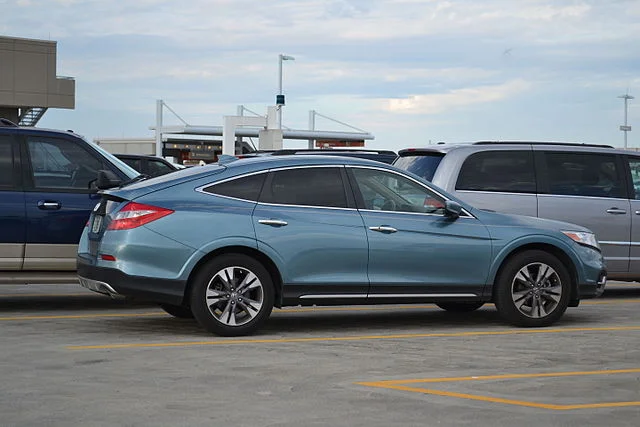
Credit: www.copilotsearch.com
Why These Years Had More Problems
It’s not just bad luck that certain Crosstour years were worse than others. There are real reasons behind the trouble.
First-year Flaws
The 2010 Crosstour was a brand-new model. Automakers often face unexpected problems in the first production year. Designs are unproven, and manufacturing bugs slip through.
Mid-cycle Changes
The 2012 model year saw updates to engines and transmissions. Sometimes, these changes introduce new issues. Honda’s switch to newer automatic transmissions in 2012 led to more failures.
Rushed Technology
2013 brought new infotainment and safety features. But these systems weren’t always reliable. Touchscreens and navigation units often failed, leaving owners frustrated.
Cost-cutting Moves
Some owners noticed lower-quality paint and interior parts in certain years. Cost-cutting can help the company’s bottom line but hurts long-term durability.
Common Honda Crosstour Problems (all Years)
Even the best Crosstour years have a few common problems. Knowing these helps you spot trouble before buying.
Oil Consumption
Some V6 engines, especially in early years, use more oil than normal. Always check the oil level regularly. Running low can damage the engine.
Rear Visibility
The Crosstour’s unique shape creates a small rear window and thick pillars. Backing up can be tricky, even with a camera. Test-drive in a parking lot to see if visibility is comfortable for you.
Interior Rattles
Squeaks and rattles are common, especially in 2010–2012 models. Some are easy to fix, others may require removing panels.
Infotainment Freezes
Owners of 2012–2013 models often had problems with the touchscreen and navigation. A hard reset sometimes helps, but not always.
Paint Problems
White and red Crosstours are especially prone to peeling paint, mainly from 2012–2013. Repainting costs can add up, so check the paint carefully.
What To Check When Buying A Used Crosstour
A careful inspection is essential when buying any used car, but especially for a Crosstour from the years to avoid.
Mechanical Inspection
- Engine: Check for oil leaks, listen for knocking sounds, and look for blue exhaust smoke (a sign of burning oil).
- Transmission: Test for smooth shifting during a long test drive. Any hesitation or “clunk” is a red flag.
- Steering and Suspension: Turn the wheel fully in both directions and listen for clunks or stiffness.
- Brakes: Feel for vibration or grinding, which can mean worn parts.
Electronics And Interior
- Test every button, screen, and window.
- Check the backup camera and navigation for freezing or error messages.
- Try the sunroof and look for water marks on the headliner.
Exterior And Paint
- Inspect the roof, hood, and trunk for peeling or fading paint.
- Check for rust around the wheel wells and under the doors.
Service Records
- A full service history is a good sign.
- Avoid any car with a history of major engine or transmission repairs unless you have proof of quality work.
How The Crosstour Compares To Rivals
Choosing a used Crosstour isn’t your only option. How does it stack up against similar vehicles?
| Vehicle | Engine Options | Reliability | Common Issues | Resale Value |
|---|---|---|---|---|
| Honda Crosstour | 2.4L I4, 3.5L V6 | Mixed (varies by year) | Engine, Transmission, Paint | Moderate |
| Toyota Venza | 2.7L I4, 3.5L V6 | High | Electronics, Minor Engine | High |
| Subaru Outback | 2.5L H4, 3.6L H6 | High | Head Gasket, CVT | High |
| Ford Edge | 3.5L V6, 2.0L EcoBoost | Average | Transmission, Electronics | Moderate |
Insights From The Comparison
- The Toyota Venza is often more reliable and holds value better, but may cost more used.
- The Subaru Outback offers great all-wheel drive but can have head gasket issues in older models.
- The Ford Edge provides similar size but doesn’t match Honda’s reputation for build quality.
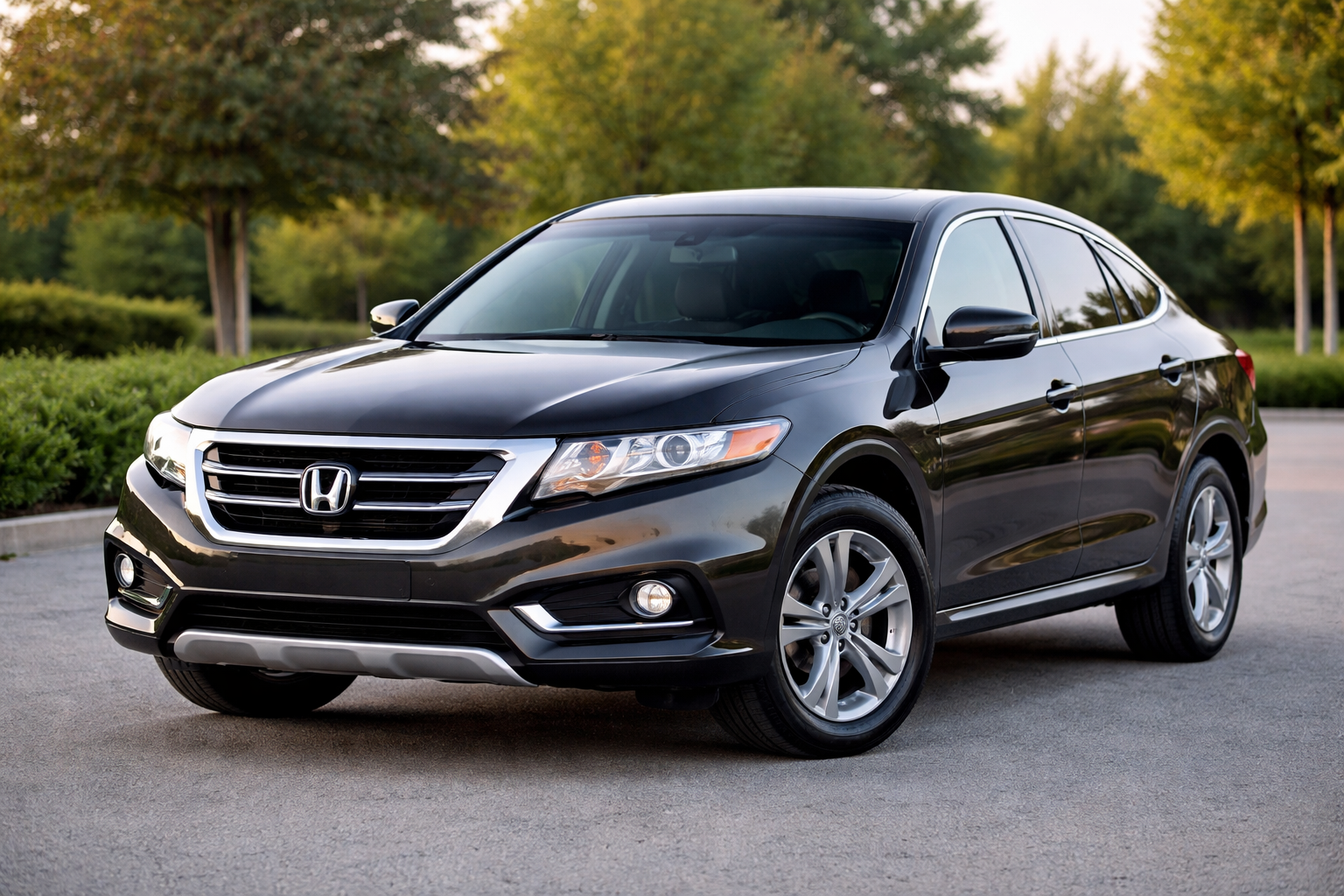
Credit: rerev.com
Two Non-obvious Insights Most Buyers Miss
- Insurance Costs: The Crosstour’s unique design makes some parts harder to find and more expensive to repair after an accident. This can lead to higher insurance rates—especially for 2010–2013 models. Always get a quote before buying.
- Resale Value Drops: Crosstours from years with known problems lose value faster. Even if you get a good deal now, you may lose more when you sell later. Safer years (2014–2015) retain value better.
How To Find A Good Used Crosstour
If you still want a Crosstour, there are ways to minimize risk.
- Shop later years: Focus on 2014 and 2015 models.
- Get a pre-purchase inspection: Spend $100–$200 for a mechanic to check everything.
- Look for one-owner cars: These are often better maintained.
- Avoid modified vehicles: Stick to stock, unmodified Crosstours for the best reliability.
- Check for recalls: Make sure all recall work was done. The dealer can check using the VIN.

Credit: www.consumerreports.org
Who Should Buy A Crosstour?
The Honda Crosstour is best for drivers who want:
- A higher ride than a sedan, but not a full SUV
- Honda’s V6 power and smooth ride
- Unique styling that stands out
However, if you want the lowest risk and best resale value, you might prefer a Toyota Venza or Subaru Outback.
Final Thoughts
The Honda Crosstour is a unique car that blends sedan comfort with SUV versatility. But not every year is a smart buy. The 2010, 2012, and 2013 models stand out as years to avoid due to serious mechanical and quality issues. If you want a Crosstour, focus on 2014 or 2015 models and always check service history.
For many buyers, a used Crosstour can be a good value—but only if you pick the right year and inspect carefully. Don’t rush the process, and don’t ignore warning signs. A little extra homework now can save you a lot of trouble later.
If you want more background on Honda’s reliability or model history, you can find detailed data at the Wikipedia Honda Crosstour page.
Frequently Asked Questions
What Are The Worst Honda Crosstour Years To Avoid?
The 2010, 2012, and 2013 Honda Crosstour models have the most complaints and costly problems. Issues include engine trouble, transmission failure, and electrical glitches.
Are There Any Reliable Honda Crosstour Years?
Yes, the 2014 and 2015 Crosstours are considered the most reliable. They have fewer complaints, improved electronics, and better build quality.
What’s The Biggest Problem With The Honda Crosstour?
The biggest problems are engine oil consumption and transmission failure, especially in early models. Paint peeling and infotainment freezes are also common complaints.
How Does The Honda Crosstour Compare To The Toyota Venza?
The Toyota Venza is usually more reliable and holds value better. However, the Crosstour offers a sportier drive and Honda’s V6 engine. Both have strong safety records.
Is The Honda Crosstour Expensive To Maintain?
Maintenance costs are average for Honda, but repairs can be expensive in bad years. Transmission and engine repairs may cost several thousand dollars if problems occur. Always check service history before buying.