

The Porsche 911 is a dream car for many people, and the 991 generation is loved for its speed, style, and advanced technology. But not every 991 is perfect. Some years have more problems than others. If you’re thinking about buying a Porsche 991, it’s smart to know which years are best to avoid, what issues you might face, and how to make a safe choice.
This guide explains everything in simple language so you can feel confident about your next step.
What Is The Porsche 991?
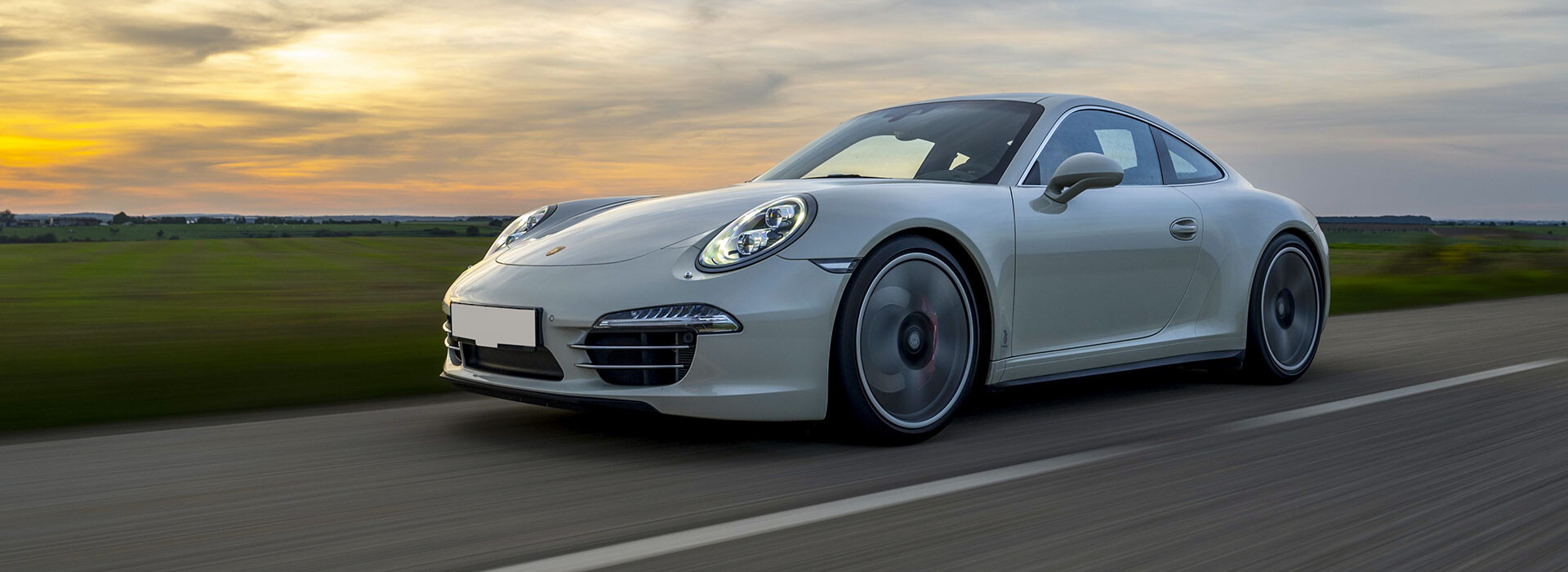
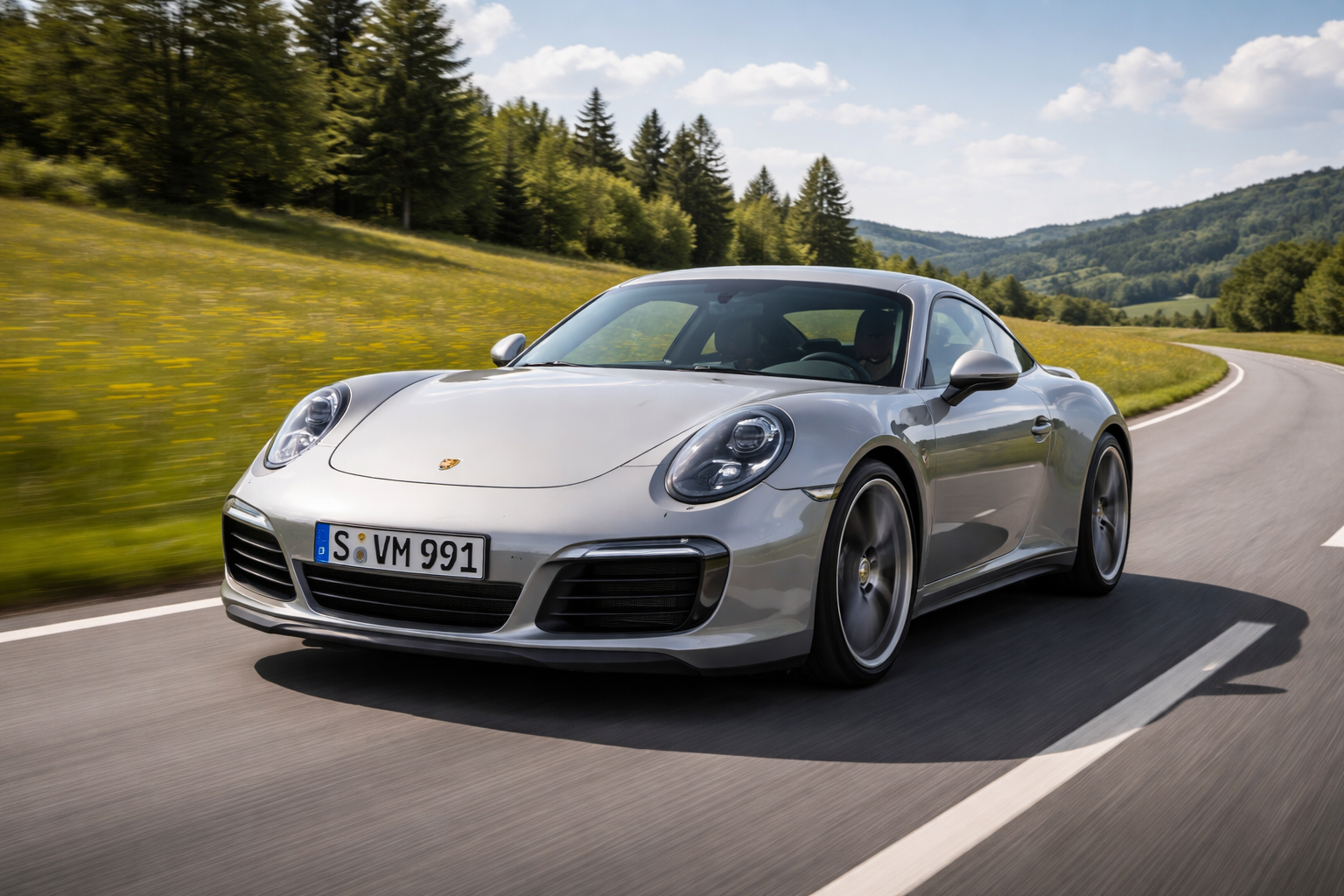
The Porsche 991 is the seventh generation of the famous 911 sports car. It was made from 2012 to 2019. The 991 replaced the older 997 model and brought many changes. It has a wider body, a new chassis, better suspension, and more technology inside.
For many fans, the 991 looks modern but still keeps the classic 911 shape.
There are many types of 991 models: Carrera, Carrera S, Targa, Turbo, GTS, GT3, GT2 RS, and more. Some are rear-wheel drive, others have all-wheel drive. Some have manual gearboxes, others are automatic (PDK).
Why Are Some Porsche 991 Years To Avoid?
Not all 991s have the same reliability. Some years had new engines, transmissions, or systems that caused problems at first. Porsche often fixes these in later years, but early buyers sometimes face expensive repairs.
Also, some models get driven very hard by their owners. Sports cars are often used for track days or spirited driving, which can wear out parts faster.
Porsche 991 Production Years Breakdown
Understanding the timeline helps you see which years had big changes or new technology:
- 991.1 (2012–2016): First version of the 991. Mostly naturally aspirated engines (no turbo) except the Turbo models.
- 991.2 (2017–2019): Facelift with more turbocharged engines, updated electronics, and some mechanical improvements.
Each period has unique features—and some unique problems.
Porsche 991 Years To Avoid: Key Years And Why
While the 991 is generally reliable, most experts and owners agree that some years are riskier:
1. Early 991.1 Models (2012–2013)
These were the first years of the 991. Whenever a car company releases a new model, the first years often have “teething problems. ” This means small design or quality issues that are only discovered after cars are sold.
Common Problems In 2012–2013 991s
- Coolant Leaks: Some cars developed leaks from coolant pipes or the water pump. These can cause overheating and expensive repairs if not fixed quickly.
- Electrical Gremlins: Early 991s sometimes have strange electrical issues. These can include warning lights, problems with the infotainment system, or keyless entry faults.
- PDK Transmission Issues: The dual-clutch PDK gearbox is fast and smooth, but some early versions had rough shifting or even needed expensive repairs.
- Engine Oil Leaks: Oil leaks from engine seals or the rear main seal are not common, but they cost a lot to fix if they happen.
Real-world Example
A 2012 Carrera S owner reported a leaking water pump just after 45,000 miles. It was a $2,000 repair at a Porsche dealer. Another 2013 991 Carrera driver had dashboard warning lights that the dealer traced to a faulty wiring harness—another expensive fix.
2. 2014–2015 991 Gt3: Engine Recall
If you dream of a 991 GT3, pay extra attention to the 2014 and early 2015 models. In 2014, Porsche had to recall all 991 GT3s from those years because of a serious engine fire risk. The problem was with a connecting rod bolt that could break, damaging the engine and, in rare cases, causing a fire.
What Porsche Did
Porsche replaced engines in affected cars, but not all cars were fixed perfectly. Some owners reported engine failures even after the recall.
Should You Avoid All 2014–2015 Gt3s?
Not necessarily, but you should:
- Check if the car had the recall done (ask for paperwork)
- Get a pre-purchase inspection from a Porsche specialist
- Be ready for higher maintenance costs
3. First-year 991.2 (2017)
The 991.2 brought new turbocharged engines for most models (except GT3/GT2). While these engines are strong and efficient, the first year (2017) sometimes had:
- Turbo Wastegate Rattle: Annoying noises from the turbo system, which can be expensive to repair.
- Infotainment Bugs: The updated Porsche Communication Management (PCM) system sometimes freezes or restarts randomly.
- Software Glitches: Early 991.2s had some software problems affecting the engine, gearbox, or electronics. Most can be fixed with an update, but not all owners did it.
4. 2016–2019 991s: Still Good, But Check History
These are not “bad” years, but as with any used Porsche, check for:
- Hard Track Use: Cars used for racing or many track days may have hidden wear.
- Maintenance Gaps: Skipped services can cause big problems later.
Why Do These Problems Matter?
Porsche repairs are expensive. Even a small part can cost hundreds or thousands of dollars. If you buy a 991 from one of the “years to avoid,” you could face:
- More time in the shop
- Higher repair costs
- Lower resale value
Some cars are fine—especially if the previous owner took great care of them. But as a buyer, it’s safer to avoid years with more reported problems.
What Are The Best Porsche 991 Years To Buy?
If you want the safest bet, most experts recommend:
- 2015–2016 991.1 (after early problems were fixed)
- 2018–2019 991.2 (last and most refined versions)
These years have fewer reported problems, updated technology, and often better reliability.
How To Check If A Porsche 991 Is A Good Buy
Not all cars from the “bad” years have problems. Some are trouble-free if cared for well. Here’s how to protect yourself:
1. Get A Pre-purchase Inspection (ppi)
Always pay for a Porsche specialist to check the car before you buy. They will:
- Check for leaks, worn parts, and hidden damage
- Scan the car’s computer for error codes
- Test drive for unusual noises or shifting
A PPI costs a few hundred dollars but can save you thousands.
2. Ask For Service Records
A good owner keeps every service receipt. These records show if oil changes, brakes, and recalls were done on time.
3. Check For Recalls
Search the car’s VIN (Vehicle Identification Number) on the [NHTSA website](https://www.nhtsa.gov/recalls) or Porsche’s own site. Make sure all recalls were completed.
4. Look For Signs Of Hard Use
- Worn tires or brakes at low miles may mean track use
- Scratches on seat bolsters or pedals show lots of use
- Aftermarket modifications can be a red flag, unless done by experts
5. Read Owner Forums
Websites like Rennlist, 6speedonline, and Porsche Club forums are full of real owners sharing their experiences. Search for the model year you want and read about common problems and what to check.
Credit: www.pcarwise.com
Common Porsche 991 Problems (all Years)
Even the best 991 can have issues as it ages. Here are some to watch for:
Engine Issues
- Oil leaks: Most common at high mileage. Look for drips under the engine.
- Timing chain tensioner: Rare, but if it fails, it can damage the engine.
Transmission
- PDK (automatic): Needs regular fluid changes. Expensive to repair if it fails.
- Manual gearbox: Clutch wear is normal, but expensive to replace.
Suspension And Brakes
- Worn bushings or shocks: Can cause clunks or poor handling.
- Brake rotor wear: Especially on cars used for track days.
Electronics
- PCM (infotainment): Freezing, slow boot-up, or Bluetooth pairing problems.
- Sensors: Parking sensors and backup cameras can fail.
Unique 991.1 Vs 991.2 Differences
Some buyers want a naturally aspirated engine (no turbo), which is only in the 991. 1 Carrera and Carrera S. The 991. 2 Carrera models are all turbocharged, which gives more power and better fuel economy but feels different to drive.
- 991.1: More classic engine sound, simpler electronics, but possible early issues.
- 991.2: More powerful, better technology, fewer early problems, but some owners dislike the turbo engine’s feel.
Credit: www.elephantracing.com
Two Non-obvious Insights For Buyers
1. Watch For Over-rev Reports
Porsches record “over-revs” in their computer. These are times when the engine was revved too high—often during missed shifts or aggressive driving. Too many over-revs (especially in “range 4–6”) mean the engine might be damaged. Ask the seller for a “DME report” showing this data.
2. Don’t Assume Low Miles Means Safe
A low-mile 991 that’s been sitting for years can have old, dried seals and gaskets. Sometimes a car with regular use and good service is better than a “garage queen” that’s been ignored.
Should You Buy A Porsche 991 From A Dealer Or Private Seller?
Both options have pros and cons.
- Dealer: May offer limited warranty or certified pre-owned. Higher price, but more peace of mind.
- Private Seller: Lower price, but you must do more homework. Ask lots of questions and always get an inspection.
Credit: rerev.com
How To Spot A Well-cared-for 991
- Clean, detailed service records
- No strange noises on a cold start or test drive
- All recalls and software updates completed
- No warning lights on the dashboard
- Interior and exterior show normal, not excessive, wear
What About Porsche’s Certified Pre-owned (cpo) Program?
Buying CPO from a Porsche dealer gives you extra protection. The car has been inspected and comes with a warranty. It costs more, but for some buyers, the peace of mind is worth it—especially with a complex sports car like the 991.
When Is It Ok To Buy From The “years To Avoid”?
If you find a 2012–2013 or 2014 GT3 with perfect service history, all recalls done, and a clean inspection, it could still be a good buy. You may get a lower price because of the reputation, but you must be extra careful and set aside money for possible repairs.
Final Thoughts
The Porsche 991 is a fantastic car, but not every year is the same. Early models (2012–2013) and the 2014–2015 GT3 have known issues that can lead to big bills. Later models (2015–2019) are more reliable and have better technology.
Take your time, do your research, and always get a professional inspection. A well-cared-for 991 will give you years of driving joy. But a neglected one from the wrong year can quickly become a headache.
If you need more details on recalls or want to check a specific car’s history, visit the [NHTSA recall database](https://www.nhtsa.gov/recalls) for up-to-date information.
Remember: In the world of used Porsches, knowledge is power. Choose wisely and enjoy the ride!