

Buying a car is a big decision, especially when you want something reliable, efficient, and easy to maintain. The Honda CR-V Hybrid is a popular choice for people who want a practical SUV with better fuel economy. But, like all vehicles, not every year of the CR-V Hybrid is created equal. If you’re thinking about buying a used Honda CR-V Hybrid, knowing which years to avoid can save you money, time, and headaches. This guide will help you understand which model years have had the most problems, what those issues are, and how to make a smart choice.
Understanding The Honda Cr-v Hybrid
The Honda CR-V has been a top-selling compact SUV for years. Honda introduced the hybrid version in 2020, promising more miles per gallon and lower emissions. The CR-V Hybrid offers a smooth ride, spacious interior, and advanced safety features. Its hybrid system combines a gasoline engine with an electric motor to improve fuel efficiency.
But, as with any new technology, early models sometimes have more problems. Automakers often fix these issues in later years, making some CR-V Hybrids a better buy than others.
Why Some Honda Cr-v Hybrid Years Should Be Avoided
Not all model years are equal. Some have more complaints, recalls, or design flaws. The main reasons to avoid certain CR-V Hybrid years include:
- Frequent mechanical issues: Problems with the hybrid system, transmission, or engine.
- Electrical and infotainment troubles: Issues with displays, audio systems, or sensors.
- Safety recalls: Airbag or brake problems can affect your safety.
- Poor owner satisfaction: Low ratings from drivers who have owned these models.
By looking at data from sources like the National Highway Traffic Safety Administration (NHTSA), Consumer Reports, and owner forums, you can see patterns in which years have the most trouble.

Credit: www.youtube.com
Honda Cr-v Hybrid Years To Avoid
Based on owner feedback, expert reviews, and reliability ratings, the main years to be cautious about are 2020 and, to a lesser extent, 2021. These models were the first CR-V Hybrids in the US, and they suffered from more issues than later versions.
Let’s look at the details for each problematic year:
2020 Honda Cr-v Hybrid
The 2020 CR-V Hybrid was Honda’s first hybrid SUV in the US. It brought new technology and features, but also some teething problems.
Common Problems In 2020
1. Electrical System Glitches
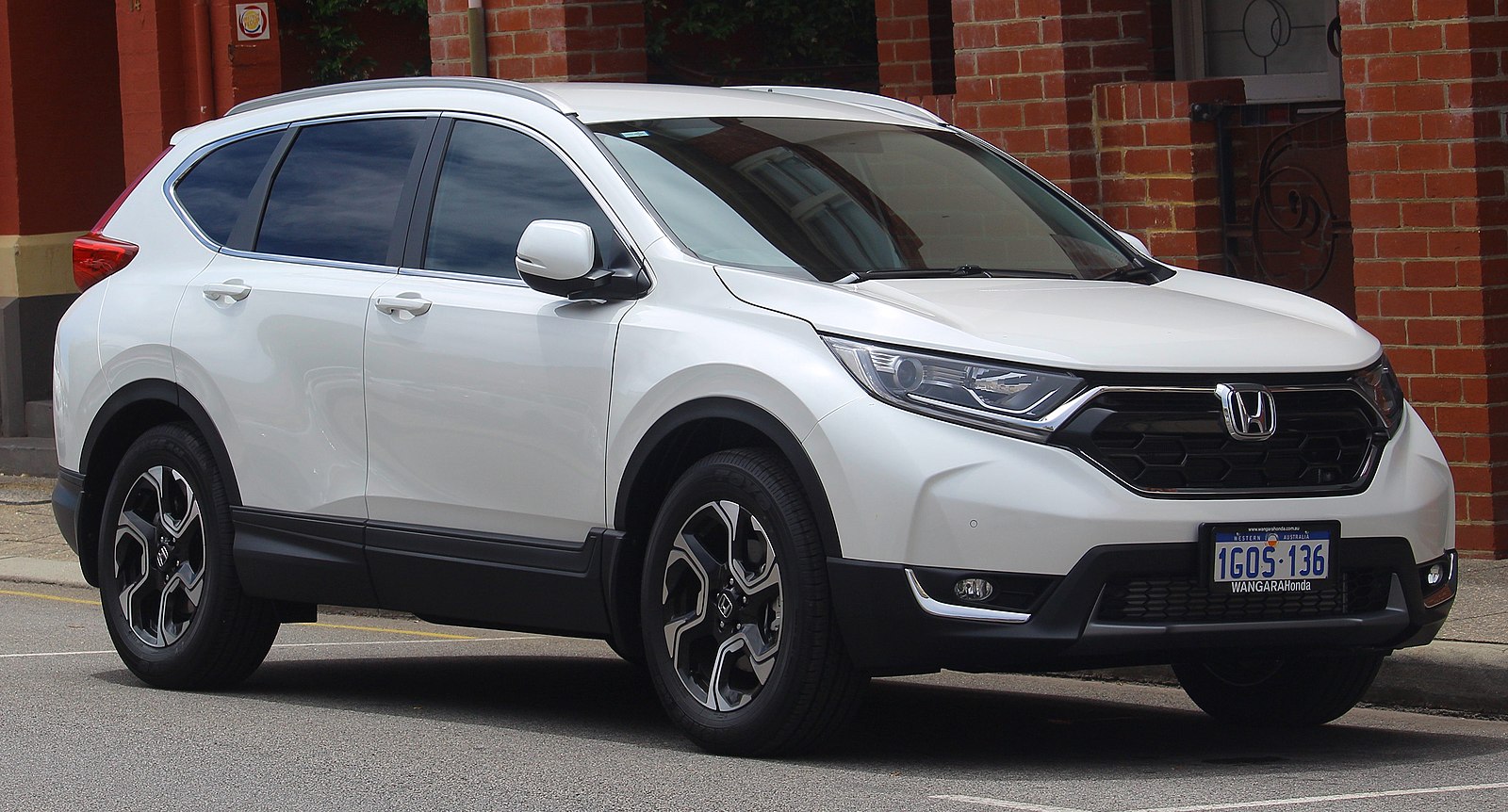
Many owners reported trouble with the infotainment system. The screen would freeze, the backup camera sometimes failed, and audio stopped working. These problems were often intermittent but annoying.
2. Brake System Issues
Some drivers experienced sudden brake warnings or found the brakes felt “grabby” at low speeds. In rare cases, the car’s “collision mitigation braking system” (CMBS) triggered unexpectedly.
3. Fuel Economy Shortfalls
Although Honda claimed a combined 38 mpg, many owners reported real-world averages closer to 33-35 mpg. For a hybrid, this was disappointing.
4. Hybrid Battery Concerns
A few drivers noticed the hybrid battery draining quickly or not charging properly, especially in cold weather.
5. Recalls And Technical Service Bulletins (tsbs)
The 2020 CR-V Hybrid had several recalls, including issues with the fuel pump and software glitches.
Owner Experience
While most 2020 CR-V Hybrids were reliable, the frequency of these problems was higher than in later years. The first year of a new model often has more bugs, as real-world use exposes issues not found in testing.
2021 Honda Cr-v Hybrid
The 2021 CR-V Hybrid saw improvements, but some of the earlier issues remained.
Notable Problems
- Infotainment and Display Issues: Although fewer, some 2021 owners still faced screen freezes and audio dropouts.
- Brake System Warnings: A handful of users continued to report odd brake warnings or “phantom” braking.
- Hybrid System Minor Bugs: Reports of warning lights and hybrid system messages, often fixed by software updates.
Fewer Complaints
Compared to 2020, the 2021 model had fewer complaints. Honda started fixing problems, but some issues lingered, especially for early 2021 builds.
Are Later Cr-v Hybrids Better?
Yes. The 2022 and 2023 CR-V Hybrids have better reliability scores and fewer complaints. Honda addressed most of the early issues, making these models a safer bet for buyers.
Key Problems In Honda Cr-v Hybrids (2020–2021)
To help you spot red flags, here’s a closer look at the main trouble areas for the 2020–2021 CR-V Hybrid.
Hybrid System Issues
Some owners experienced:
- Battery management problems: The car’s computer sometimes failed to maintain battery charge.
- Warning lights: “Check hybrid system” messages appeared, sometimes without real faults.
- Cold weather performance: The hybrid battery didn’t hold charge as well in winter, leading to reduced mpg.
Infotainment And Electronics
Problems included:
- Touchscreen freezing: The display would lock up, requiring a restart.
- Bluetooth and audio drops: Calls would disconnect, or music would stop suddenly.
- Backup camera failures: The camera occasionally did not activate, impacting safety.
Brake System Anomalies
Reports involved:
- Unexpected braking: The collision avoidance system sometimes braked for no reason.
- False alarms: Brake warnings appeared without cause.
- Low-speed “grabby” brakes: The brakes felt too sensitive at parking lot speeds.
Fuel Economy
- Lower-than-advertised mpg: Many drivers got less than the EPA estimate, especially in city driving or cold weather.
Recalls And Technical Service Bulletins
- Software updates: Honda released updates to fix infotainment and hybrid system bugs.
- Fuel pump recall: Affected some 2020 models, causing stalling.
Credit: www.copilotsearch.com
Comparison: Problem Years Vs. Reliable Years
Here’s a quick comparison of problematic versus more reliable CR-V Hybrid years.
| Model Year | Main Issues | Owner Satisfaction | Recalls |
|---|---|---|---|
| 2020 | Infotainment, brakes, hybrid system, fuel pump | Below Average | Multiple |
| 2021 | Infotainment, brakes (less common) | Average | Few |
| 2022 | Minor issues | Above Average | Rare |
| 2023 | Few issues | High | Rare |
What Makes A Cr-v Hybrid Year “bad”?
A “bad” model year is not just about a few complaints. Here’s what tends to make certain years worth avoiding:
- High repair costs: Problems that require expensive parts or labor.
- Frequent recalls: Multiple recalls mean more potential headaches.
- Low resale value: Models known for issues often lose value faster.
- Safety concerns: Problems with brakes, airbags, or electronics can be dangerous.
Signs Of A Problematic Cr-v Hybrid
When shopping for a used CR-V Hybrid, look for these warning signs:
- Check engine or hybrid system lights: Persistent warning lights on the dashboard.
- Infotainment glitches: Freezing screens or audio that cuts out.
- Recall history: Ask the seller if all recall work has been done.
- Service records: Incomplete or missing records can hide a troubled past.
Real-world Owner Stories
To illustrate, here are a few examples from owners of the 2020 and 2021 CR-V Hybrid:
- A driver in Minnesota noticed hybrid battery drops during cold winters, causing the car to use more gas than expected.
- Several owners posted online about the display screen going dark while driving, making it hard to use navigation or see the backup camera.
- One owner experienced three recalls in the first year, including a fuel pump replacement and a software update for the hybrid system.
These stories show that early CR-V Hybrids, while not terrible, had more annoyances and repairs than later models.
Honda’s Response To Early Cr-v Hybrid Problems
Honda has worked to fix these issues:
- Software updates: Dealers updated the car’s computers to fix bugs.
- Recall repairs: Honda replaced faulty parts at no charge.
- Improved design: Later CR-V Hybrids have better electronics and battery management.
If you’re considering a 2020 or 2021, check that all updates and recalls were completed.
How To Check A Used Cr-v Hybrid For Problems
Buying a used car always involves risk, but you can lower it with these steps:
- Run a vehicle history report: Services like Carfax can show accidents, recalls, and service history.
- Ask for maintenance records: Look for proof of regular oil changes and recall work.
- Test all features: Try the infotainment, backup camera, and all electronics.
- Drive in different conditions: Test brakes, acceleration, and battery performance if possible.
- Get a pre-purchase inspection: A trusted mechanic can spot hidden issues.
Key Differences: 2020–2021 Vs. 2022–2023 Cr-v Hybrid
What changed in later models? Here’s a breakdown:
| Feature | 2020–2021 CR-V Hybrid | 2022–2023 CR-V Hybrid |
|---|---|---|
| Infotainment System | Frequent freezes and bugs | More stable, fewer issues |
| Hybrid Battery | Some performance drops in cold | Improved management, more reliable |
| Brake System | Occasional “phantom” braking | Refined, rare complaints |
| Fuel Economy | Lower than EPA estimate for some owners | Closer to EPA, more consistent |
| Recalls | Multiple | Few |
What To Look For In A Good Cr-v Hybrid Year
If you want a reliable CR-V Hybrid, here’s what to prioritize:
- Later model years: 2022 or newer have fewer problems.
- Service records: Well-maintained cars last longer.
- Certified Pre-Owned (CPO): These cars are inspected and come with extended warranties.
- Low mileage: Fewer miles usually mean less wear and tear.
Cost Of Ownership: Problem Years Vs. Reliable Years
One way to understand the real impact of a “bad” model year is to compare costs.
| Model Year | Average Repair Costs (First 3 Years) | Typical Resale Value Loss (%) |
|---|---|---|
| 2020 | $900–$1,200 | 30% |
| 2021 | $700–$1,000 | 26% |
| 2022 | $500–$800 | 22% |
| 2023 | $400–$700 | 18% |
*Note: These figures are based on average owner reports and may vary by location and car condition.*
Common Mistakes When Buying A Used Cr-v Hybrid
Many buyers make these errors:
- Ignoring recall history: Not all sellers fix recalls before selling.
- Skipping a test drive: Problems with electronics or brakes often show up while driving.
- Overpaying for early models: 2020–2021 models are sometimes priced high due to low mileage, but may cost more in repairs.
- Not checking warranty status: Later models may still be under factory warranty, adding peace of mind.
Expert Tips For Finding A Reliable Cr-v Hybrid
- Research each VIN: Check the individual car’s history, not just the model year.
- Contact a Honda dealer: They can confirm if all recall work was done.
- Look for CPO vehicles: These usually have fewer problems and come with extra coverage.
- Be ready to walk away: If a car seems off or the seller is not transparent, don’t rush.
Non-obvious Insights Most Buyers Miss
- Hybrid battery warranty: Honda typically offers an 8-year/100,000-mile warranty on hybrid batteries. If you buy a 2020–2021, check if the battery is still covered. This can save you thousands if the battery fails.
- Software updates matter: Some early CR-V Hybrid bugs are fixed with dealer software updates, not hardware. Always ask if the car has the latest updates.
- Climate impacts performance: In cold states, the hybrid system works harder and may have more issues. If you live in a cold climate, ask about winter performance.
- Insurance costs can vary: Early hybrids sometimes cost more to insure due to higher repair rates.
Comparing Cr-v Hybrid To Other Hybrid Suvs
If you’re not set on a Honda, it’s smart to see how the CR-V Hybrid stacks up against rivals.
- Toyota RAV4 Hybrid: Known for better reliability and higher mpg in early years.
- Ford Escape Hybrid: Good mpg, but earlier models (before 2021) also had some bugs.
- Kia Sorento Hybrid: Larger, but newer to the market, so less long-term data.
Overall, the CR-V Hybrid is competitive, but Toyota’s hybrid tech has a longer, more reliable track record.
For more details on hybrid SUV reliability, check the Consumer Reports Honda CR-V Hybrid page.
Should You Avoid All Early Cr-v Hybrids?
Not necessarily. Many 2020 and 2021 owners had few or no problems. But, if you want the least risk and best value, focus on 2022 or newer. If you find a well-maintained 2020 or 2021 with all recalls and software updates done, it can still be a good buy—just be extra careful with your checks.

Credit: www.pauletteauto.com
Alternatives To The Honda Cr-v Hybrid
If you decide the early CR-V Hybrids aren’t for you, some alternatives include:
- Toyota RAV4 Hybrid: Top-rated for reliability, resale value, and mpg.
- Hyundai Tucson Hybrid: Modern tech, strong warranty, fewer early bugs.
- Ford Escape Hybrid: Good value but check for recalls and software updates.
- Subaru Crosstrek Hybrid: Smaller, but known for all-wheel drive and ruggedness.
What To Do If You Already Own A 2020 Or 2021 Cr-v Hybrid
If you already have one of these models, here’s how to keep it running smoothly:
- Stay up to date on recalls: Check your VIN on the NHTSA website regularly.
- Do all software updates: Visit your Honda dealer for the latest updates.
- Follow maintenance: Regular oil changes, battery checks, and brake inspections help prevent problems.
- Document everything: Keep all service receipts. This helps if you need warranty work or want to sell the car.
Frequently Asked Questions
Is The 2020 Honda Cr-v Hybrid A Bad Car?
The 2020 CR-V Hybrid is not a “bad” car, but it had more issues than later models. Problems included infotainment glitches, brake system warnings, and lower than expected fuel economy. If you buy one, make sure all recalls and software updates have been done.
What Is The Most Reliable Year For The Honda Cr-v Hybrid?
The most reliable years so far are 2022 and 2023. These models have fewer complaints, better owner satisfaction, and improved hybrid system performance.
Should I Buy A Used 2021 Honda Cr-v Hybrid?
You can buy a 2021 CR-V Hybrid, but check its history carefully. Make sure the car has all recall work completed and a record of regular maintenance. Consider a Certified Pre-Owned model for extra peace of mind.
What Is The Biggest Problem With Early Cr-v Hybrids?
The biggest issues were with the infotainment system, occasional brake warnings, and hybrid battery management—especially in cold weather. Most of these problems are less common in 2022 and newer models.
How Does The Cr-v Hybrid Compare To The Toyota Rav4 Hybrid?
The Toyota RAV4 Hybrid is often rated higher for reliability and fuel economy, especially in early years. The CR-V Hybrid offers a quieter ride and a more spacious back seat, but the RAV4 Hybrid has a longer track record for trouble-free performance.
When you’re searching for a used Honda CR-V Hybrid, being aware of which years to avoid can help you find a car that’s reliable, efficient, and enjoyable. Take your time, do your homework, and don’t hesitate to walk away if a deal doesn’t feel right.
With the right research and attention to detail, you can enjoy all the benefits of a hybrid SUV—without the headaches.