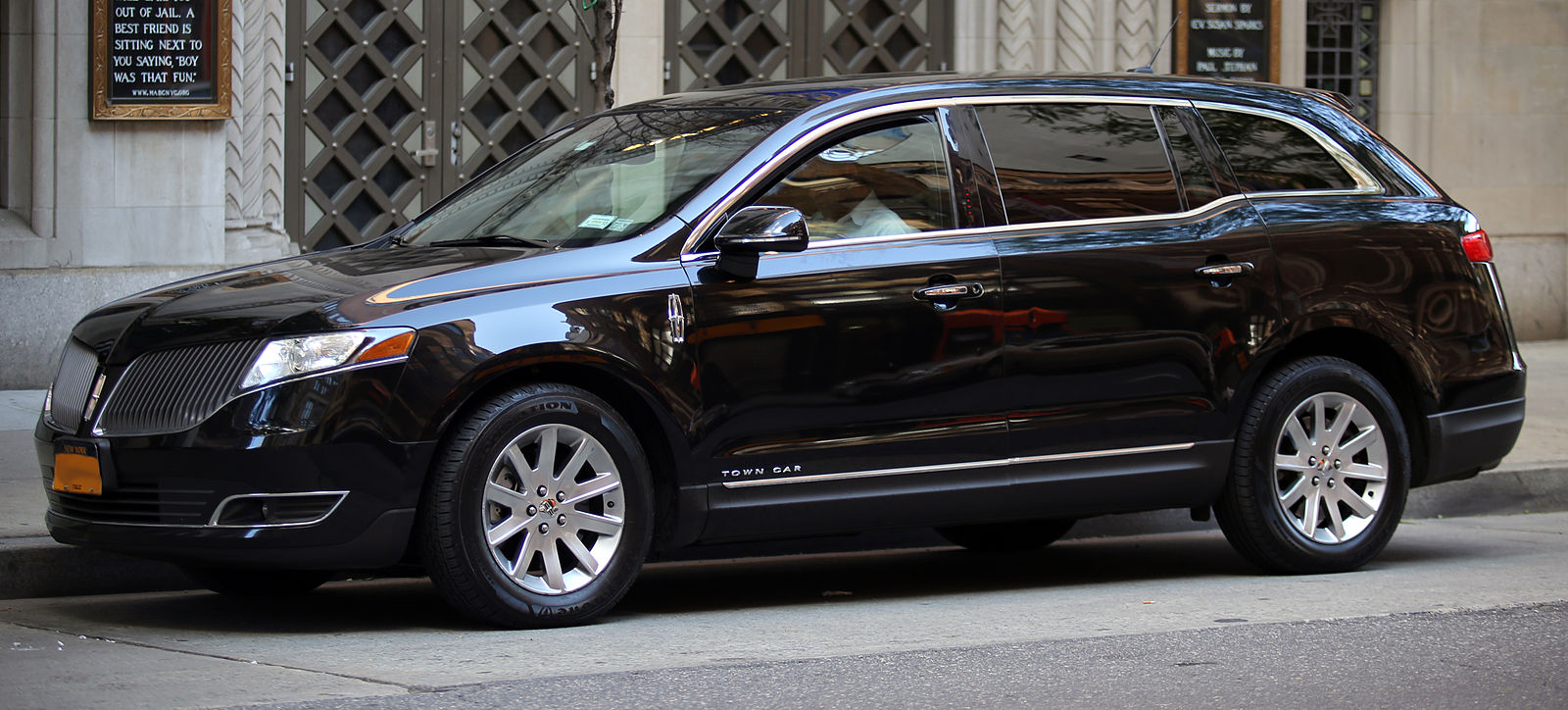
For decades, the Lincoln Town Car stood as the symbol of American luxury sedans. Large, smooth, and comfortable, this car became the first choice for chauffeurs, executives, and families who wanted a soft, quiet ride. Even after its production stopped in 2011, many people still look for used Town Cars because of their reputation for reliability and long life. But not every year is the same. Some Lincoln Town Car years have costly problems or design flaws that make them risky choices. If you’re thinking about buying a used Town Car, knowing which years to avoid could save you thousands of dollars and a lot of frustration.
Let’s explore which Lincoln Town Car years you should avoid, why these years are problematic, and what better alternatives are available. Along the way, you’ll learn how to spot hidden issues, make a smarter buying decision, and keep your Town Car running smoothly for years to come.
Why The Lincoln Town Car Stands Out
Before looking at the trouble spots, it helps to understand why people love the Town Car. This full-size sedan, produced from 1981 to 2011, was famous for its body-on-frame construction, soft suspension, and strong V8 engine. It offered a quiet ride and plenty of space, making it perfect for long trips or professional drivers. Many Town Cars easily cross 200,000 miles with basic maintenance.
Another reason for its popularity is affordability. A used Town Car, if chosen wisely, often costs less than newer cars with similar comfort. Parts are widely available, and many mechanics know how to work on them.
However, some model years have more problems than others. These issues can mean expensive repairs or even safety risks. Understanding which years to avoid is key to getting the best value.
Lincoln Town Car Generations: A Quick Overview
The Town Car saw three main generations during its production run:
- First Generation (1981–1989): Classic boxy design, basic tech, but strong and simple.
- Second Generation (1990–1997): Rounded shape, more modern features, and improved comfort.
- Third Generation (1998–2011): Updated styling, better safety, and improved ride, but also some new problems.
Each generation has its strengths and weaknesses. Most buyers today look at the second and third generations, as the first generation is now rare and mainly of interest to collectors.

Credit: www.carparts.com
Years To Avoid: The Most Problematic Lincoln Town Cars
Buying the wrong year can turn your dream car into a nightmare. After reviewing owner reports, mechanic feedback, and reliability scores, some Town Car years stand out for the wrong reasons.
1. 2003 Lincoln Town Car
The 2003 model year is often cited as the worst year for the Town Car. Many owners report problems that are both expensive and frustrating.
Common Issues:
- Air suspension failure: The rear air suspension bags often leak or fail, leading to a sagging back end. Replacing these can cost over $1,000.
- Electrical problems: Faulty instrument clusters, power window failures, and unpredictable warning lights are common.
- Transmission issues: Some cars experience rough shifting or total transmission failure.
- Steering defects: Reports of the steering column making loud noises or even failing.
Why to Avoid: The 2003 model has more complaints and recalls than almost any other Town Car year, according to sources like CarComplaints.com and the National Highway Traffic Safety Administration (NHTSA). Repairs are costly, and problems often show up suddenly, even on low-mileage vehicles.
2. 1999 Lincoln Town Car
This year marks the first of the third generation and brought several teething issues as Lincoln updated the platform.
Common Issues:
- Intake manifold cracks: The plastic intake manifold is prone to cracking, which can cause coolant leaks and engine overheating.
- Suspension problems: Air ride issues are frequent, similar to 2003.
- Electrical gremlins: Problems with power seats, windows, and climate controls.
Why to Avoid: Many 1999 models suffered from early design faults that Lincoln fixed in later years. The intake manifold problem, in particular, can cause engine damage if not repaired promptly.
3. 2001 Lincoln Town Car
The 2001 model continued some of the problems from 1999 and 2000, making it another risky buy.
Common Issues:
- Fuel system failures: Some cars have faulty fuel pumps or leaking fuel rails, raising the risk of breakdown or even fire.
- Transmission slipping: Owners report transmissions that slip or fail at surprisingly low mileage.
- Window regulator failures: The power windows often stop working due to broken regulators.
Why to Avoid: While not as bad as 2003, the 2001 year still has a high number of complaints and expensive repairs.
4. 2006–2007 Lincoln Town Car
These years are later in the third generation, but they’re not free of trouble.
Common Issues:
- Electrical issues: Problems with door locks, lights, and dashboard electronics are common.
- Steering shaft failure: Some cars have steering shafts that develop play or even disconnect, creating a serious safety risk.
- Rust problems: Several owners report premature rust on undercarriage and suspension components.
Why to Avoid: These issues can be expensive to fix and may impact the car’s safety.
5. 1990–1992 Lincoln Town Car
Early second-generation Town Cars have aged poorly compared to later models.
Common Issues:
- Rust and corrosion: Chassis, doors, and trunk areas often suffer from rust.
- Transmission and engine wear: These years see more major engine and transmission failures due to aging parts and design weaknesses.
- Outdated safety features: Lacks modern airbags and electronic safety systems.
Why to Avoid: Unless you’re buying as a project or for nostalgia, it’s best to avoid these older models.
Data Comparison: Problem Years Vs. Reliable Years
To help you visualize the differences, here’s a look at how problematic years compare with more reliable choices.
| Model Year | Reported Major Issues | Average Repair Cost | Reliability Rating (1-5) |
|---|---|---|---|
| 1999 | Intake manifold, suspension, electronics | $1,500 | 2.0 |
| 2001 | Fuel system, transmission, window regulators | $1,400 | 2.5 |
| 2003 | Air suspension, electrical, transmission | $1,900 | 1.5 |
| 2006 | Electrical, steering, rust | $1,300 | 2.8 |
| 2007 | Electrical, steering, rust | $1,250 | 3.0 |
| 2004 | Minor electronics | $800 | 4.1 |
| 2005 | Minor suspension | $850 | 4.0 |
| 2010 | Few reported problems | $600 | 4.5 |
| 2011 | Few reported problems | $650 | 4.6 |
As you can see, the 2003 model year stands out with the lowest reliability and highest repair costs. In contrast, late third-generation models like 2010 and 2011 offer much better reliability and lower maintenance costs.
Credit: www.copilotsearch.com
Common Problems In Bad Years
Understanding what goes wrong in these years helps you spot trouble before buying. Here are the most serious issues found in the years to avoid:
Air Suspension Failures
Many Town Cars use rear air suspension for a smoother ride. But in problem years, the rubber air bags crack or leak, especially after 8–10 years. When this happens, the car sags in the back and rides poorly. Air suspension repairs can cost $1,000–$2,000, much more than traditional coil springs.
Non-obvious insight: Some owners switch to coil spring conversions to avoid future air suspension problems. This makes the ride a bit firmer but saves money long-term.
Electrical System Gremlins
Faulty wiring, bad switches, and weak alternators are common in several bad years. Issues include:
- Power windows and seats not working
- Dashboard lights flickering or going dark
- Central locking system failures
Electrical problems are often hard to diagnose, leading to repeated repair bills.
Transmission Trouble
Automatic transmission problems are a big concern in certain years. Symptoms include:
- Rough or delayed shifting
- Slipping gears
- Complete transmission failure
Repairs or replacements often cost $1,500–$3,000. Some transmission issues are due to poor maintenance, but certain years seem more prone to failure even with regular fluid changes.
Intake Manifold Cracks
The 4.6L V8 engine in some years used a plastic intake manifold that’s known to crack. When this happens, coolant can leak into the engine, causing overheating and potential engine damage. The only fix is to replace the manifold with a newer, improved version.
Non-obvious insight: Some aftermarket intake manifolds are stronger than the original Ford part, so using these in repairs can prevent future leaks.
Fuel System Defects
Fuel pump and fuel rail problems can leave you stranded or, in rare cases, create a fire hazard. Town Cars from the early 2000s are especially at risk, so check for any recalls before you buy.
Rust And Corrosion
Older Town Cars, especially those from northern states, can suffer from severe rust on the undercarriage, door bottoms, and trunk. Rust repairs are expensive and often not worth it on low-value cars.
Signs Of Trouble: What To Watch For When Buying
If you’re set on a Lincoln Town Car, it’s important to inspect carefully. Here’s what to check:
- Air Suspension: Start the car and watch the rear end. If it sits low or rises slowly, the air suspension may be leaking.
- Dashboard Lights: Any warning lights staying on (check engine, ABS, airbag) can signal expensive problems.
- Test All Electronics: Try every window, door lock, seat, and radio control. Malfunctioning switches or motors are common.
- Transmission: During a test drive, check for smooth shifting. Any jerking, hesitation, or slipping is a red flag.
- Underbody Rust: Look under the car for rusty frame parts or holes in the floor and trunk.
- Engine Leaks: Check for coolant leaks near the intake manifold, especially on 1999–2001 cars.
Even if a car looks and drives well, a full mechanic inspection before buying is highly recommended.
Lincoln Town Car Years That Are Safe Bets
Not all Town Cars have major problems. Some years are known for excellent reliability and lower ownership costs.
Best Years To Buy
- 2004–2005: These years had most of the earlier problems fixed. Air suspension issues are less common, and electronics are more reliable.
- 2008–2011: The last years of production, these models benefit from years of gradual improvement. They’re more likely to have good safety features and few mechanical problems.
- 1997: The last year of the second generation, it had most bugs worked out and is often praised for reliability.
What Makes These Years Better?
- Improved intake manifolds that don’t crack as easily
- Fewer electrical problems
- Better build quality and corrosion protection
- Updated safety features
These Town Cars can still rack up high mileage with only basic maintenance.
Cost Of Ownership: Problem Years Vs. Good Years
Here’s a comparison of typical annual maintenance and repair costs for problematic and reliable Lincoln Town Car years.
| Model Year Range | Annual Maintenance & Repair Cost | Common Major Repairs |
|---|---|---|
| 1999–2003 | $1,200–$2,000 | Suspension, transmission, intake manifold, electronics |
| 2004–2007 | $800–$1,200 | Minor suspension or electrical issues |
| 2008–2011 | $600–$900 | Routine maintenance, few major repairs |
As the table shows, owning a Town Car from a “bad” year can cost you double or even triple compared to a reliable model.
Buying Tips: How To Get A Good Lincoln Town Car
If you want a Town Car, these steps will help you avoid expensive mistakes:
- Choose the right year: Aim for 2004–2005 or 2008–2011. Avoid the years listed earlier unless you have proof of recent repairs.
- Check the service history: Look for receipts showing recent work on suspension, transmission, and intake manifold.
- Consider fleet vehicles: Many Town Cars were used as limos or airport shuttles. While mileage may be high, these cars often have excellent maintenance records.
- Inspect for rust: Even newer Town Cars can rust if they spent time in snowy areas.
- Budget for repairs: Even the best Town Car is 10+ years old now. Plan for at least $800–$1,000 a year in basic maintenance and repairs.
- Get a pre-purchase inspection: Have a trusted mechanic look the car over before you buy.
Lincoln Town Car Vs. Other Luxury Sedans
You might wonder how the Town Car stacks up against other used luxury sedans, especially in terms of reliability and ownership cost.
| Model | Reliability | Average Repair Cost/Year | Comfort Rating |
|---|---|---|---|
| Lincoln Town Car (2008–2011) | Excellent | $700 | Very High |
| Cadillac DTS (2008–2011) | Good | $900 | High |
| Mercedes-Benz E-Class (2008–2011) | Average | $1,300 | Very High |
| Lexus LS430 (2008–2011) | Excellent | $800 | High |
Key insight: While Mercedes and Lexus offer great comfort, repair costs can be much higher and parts are often more expensive. The Town Car gives a unique mix of comfort and low running costs, especially if you choose a reliable year.
Should You Avoid High-mileage Lincoln Town Cars?
Many buyers worry about high mileage. The Town Car is famous for lasting 200,000 miles or more, but only with good care. If you find a high-mileage car from a “bad” year, check for proof that major repairs have already been done.
If not, expect to pay for them soon.
On the other hand, a well-maintained, newer Town Car with 150,000+ miles can be a smart buy, often outlasting newer, more complex luxury cars.
Practical tip: Look for cars with regular oil changes, transmission fluid service, and recent suspension repairs. Avoid cars with missing or suspicious service records.
The Town Car’s Role In The Used Car Market
Despite its age, the Lincoln Town Car remains popular among buyers who value ride comfort, space, and traditional American design. Prices for good-condition models have started rising as fewer low-mileage examples are left. Choosing the right year can give you a reliable luxury car for less than most modern sedans.
Some buyers even choose Town Cars for ride-sharing or private transport services, thanks to their durable mechanical parts and roomy interiors. If you plan to use a Town Car for commercial purposes, picking a reliable year is even more important.
Common Mistakes When Shopping For A Town Car
- Ignoring service records: Skipping the history check is a recipe for trouble.
- Focusing only on price: A cheap Town Car from a bad year can cost more in repairs than a more expensive, better year.
- Assuming all Town Cars are the same: Each year has its unique issues; some are much more costly than others.
- Not checking for recalls: Some years had recalls for fuel systems or steering. Make sure these have been addressed.
- Skipping the mechanic inspection: Even if the car seems perfect, hidden problems can be expensive to fix.
What To Do If You Already Own A “bad” Year
If you already have a Town Car from a problematic year, all is not lost. Here’s how to protect your investment:
- Address known issues early: Fix air suspension, intake manifold, and transmission problems before they get worse.
- Switch to coil springs: If your air suspension fails, consider a coil spring conversion to save on future repairs.
- Stay on top of fluids: Regularly change engine oil, transmission fluid, and coolant.
- Fix rust quickly: Treat small rust spots before they spread.
- Use quality replacement parts: Some aftermarket parts are more durable than the originals, especially for the intake manifold and suspension.
Taking care of these areas can add years to your Town Car’s life and reduce unexpected costs.

Credit: www.reddit.com
Frequently Asked Questions
What Is The Worst Year For The Lincoln Town Car?
The 2003 Lincoln Town Car is widely considered the worst year due to serious air suspension failures, electrical problems, and expensive transmission issues. Owner complaints and repair costs are much higher than average for this model year.
Is It Worth Buying A High-mileage Lincoln Town Car?
A high-mileage Town Car can be a good buy if it has a complete service history and major repairs (like suspension and intake manifold) have already been done. These cars are built to last, but skipped maintenance can lead to big bills.
How Long Can A Lincoln Town Car Last?
With good care, many Town Cars reach 200,000–300,000 miles. Routine maintenance and timely repairs are the keys to a long life.
Are Air Suspension Problems Common In All Town Cars?
Air suspension issues are more common in certain years, especially 1999–2003. Later models improved the system, but any Town Car with air suspension will eventually need repairs or replacement.
Where Can I Find More Detailed Reliability Data On The Lincoln Town Car?
For deep data on recalls, owner reports, and reliability statistics, visit the NHTSA website.
The Lincoln Town Car remains a smart choice for those who want a classic, comfortable ride. By avoiding the problem years and focusing on well-maintained models, you can enjoy everything this iconic sedan has to offer—without the headaches.