The Mercury Grand Marquis has been a familiar sight on American roads for decades. Known for its roomy interior, smooth ride, and classic styling, the Grand Marquis built a loyal following among drivers seeking comfort and reliability. However, not every year of the Grand Marquis lived up to its reputation.
Some model years are best avoided due to common problems, expensive repairs, or poor performance. If you’re thinking about buying a used Grand Marquis, knowing which years to avoid can save you time, money, and frustration.
In this article, you’ll find a detailed guide to the Grand Marquis years you should steer clear of, what issues they faced, and how to identify a safer model. We’ll also share useful data, practical tips, and answer the most common questions buyers have.
By the end, you’ll know how to make a smart choice that keeps you on the road—and out of the repair shop.
Mercury Grand Marquis: A Brief History
The Mercury Grand Marquis began as a luxury trim of the Mercury Marquis in 1975. By 1983, it became its own model, quickly gaining popularity among families, fleet operators, and police departments. The car’s strengths included a powerful V8 engine, rear-wheel drive, and a reputation for long-lasting mechanical components.
Over its production run, the Grand Marquis went through several redesigns. Some years were praised for their reliability and comfort, while others suffered from engineering flaws, recalls, and poor build quality. Understanding the context behind these changes is key to knowing which years to avoid.
Key Generations
- 1975-1982: Grand Marquis as a trim level
- 1983-1991: First generation as standalone model
- 1992-1997: Second generation, new body and features
- 1998-2002: Third generation, improved safety and technology
- 2003-2011: Final generation, last major updates
The most problematic years come from the late 1990s through the end of production in 2011.
Grand Marquis Years To Avoid: The Main Problem Years
Not all Grand Marquis models are equal. Some years are notorious for costly mechanical issues, unsafe recalls, or disappointing performance. Let’s look at the specific years you should avoid and why.
1999-2001: Hidden Engine And Transmission Trouble
Cars from 1999, 2000, and 2001 often face engine problems and transmission failures. Many owners report:
- Engine stalling without warning
- Rough shifting or slipping transmission
- Faulty intake manifolds
A common issue in these years is the plastic intake manifold used in the 4.6L V8 engine. This part is prone to cracking, leading to coolant leaks and overheating. Repairing it can cost $600 to $900, and ignoring it can result in engine failure. The transmission, too, is known for sudden failures, especially at higher mileage.
2003-2005: Electrical And Suspension Nightmares
The 2003, 2004, and 2005 Grand Marquis saw major changes, but not all were improvements. Problems include:
- Faulty air suspension
- Electrical shorts leading to power loss
- Dashboard and instrument cluster failures
The air suspension system, meant to improve ride comfort, often develops leaks or compressor faults. Replacing it is expensive and many owners switch to traditional coil springs. Electrical issues are also widespread, causing unpredictable power loss, malfunctioning lights, and unreliable dashboard displays.
2006-2007: Safety Recalls And Abs Issues
Models from 2006 and 2007 have several recalls and safety complaints. The most serious involve:
- Faulty ABS (anti-lock braking system)
- Airbag malfunctions
- Steering problems
ABS system failures can make braking unsafe, especially in slippery conditions. Affected vehicles had recalls, but some repairs were not effective. Airbag sensors are another weak point, sometimes failing to deploy or deploying accidentally. Steering components also wear out early, making the car feel loose or unpredictable.
2008-2011: Aging Design And Poor Reliability
The last years of the Grand Marquis—2008, 2009, 2010, and 2011—are not recommended for buyers seeking reliability. Issues include:
- High oil consumption
- Engine misfires
- Poor build quality as Mercury prepared to end production
These years show increased reports of engine problems, including burning oil and rough idle. Many owners mention rattling interiors, failing electronics, and a general drop in quality. With Mercury closing down in 2011, parts support also became weaker.
Data Comparison: Problem Years Vs Reliable Years
To help you see the difference, here’s a comparison table showing common complaints and recall numbers for problematic Grand Marquis years versus more reliable years.
| Model Year | Main Complaints | Recall Count | Average Repair Cost | Owner Rating (out of 5) |
|---|---|---|---|---|
| 1999 | Engine, Transmission | 4 | $950 | 2.9 |
| 2003 | Suspension, Electrical | 5 | $720 | 3.0 |
| 2006 | ABS, Airbag | 6 | $790 | 2.7 |
| 2008 | Engine, Electronics | 3 | $680 | 3.1 |
| 2002 | Minor Electrical | 2 | $430 | 4.2 |
| 2005 | Suspension, Electrical | 4 | $650 | 3.3 |
| 2011 | Engine, Interior | 2 | $670 | 3.0 |
| 1998 | Minor Cooling | 1 | $390 | 4.5 |
As seen above, the years to avoid have higher repair costs, more recalls, and lower owner ratings.
Why These Years Have More Problems: Understanding The Causes
Most car buyers don’t realize that some Grand Marquis years were rushed or made with cost-cutting changes. Here are two non-obvious reasons behind the trouble years:
- Supplier Changes: Mercury changed suppliers for parts like intake manifolds and electrical systems in the late 1990s and early 2000s. These new parts were cheaper but less reliable, leading to more failures.
- End-of-Production Issues: From 2008 onward, Mercury was winding down production. Quality control slipped, and some cars left the factory with minor defects that later became big problems.
Another factor is that the Grand Marquis platform, shared with the Ford Crown Victoria, received fewer updates as time went on. This meant older technology, weaker safety features, and less reliable electronics in late models.
Most Common Problems In Grand Marquis Years To Avoid
To help you spot trouble, here’s what owners of bad years often face:
Engine And Transmission Problems
- Intake manifold cracks: Coolant leaks, overheating, engine damage
- Transmission slipping: Sudden loss of power, rough shifting
- High oil consumption: Frequent top-ups, risk of engine wear
Suspension And Steering Issues
- Air suspension leaks: Car sags, poor ride, expensive repair
- Steering looseness: Hard to control, unsafe at speed
Electrical And Safety Concerns
- Dashboard failures: Gauges stop working, warning lights on
- ABS malfunctions: Brakes lock up or don’t respond
- Airbag faults: No deployment in a crash, accidental deployment
Interior And Build Quality
- Rattling panels: Noisy ride, feels cheap
- Broken switches: Windows, locks, seats stop working
Many of these issues require expensive repairs. For example, fixing a cracked intake manifold can cost nearly $1,000, and replacing an air suspension system can run $1,200 or more.
How To Spot A Problem Grand Marquis When Buying Used
If you’re shopping for a used Grand Marquis, here’s how to avoid buying a lemon:
- Check the model year: Avoid 1999-2001, 2003-2005, 2006-2007, and 2008-2011 if possible.
- Look for recall records: Ask the seller for maintenance and recall history. Avoid cars with unresolved recalls.
- Inspect for leaks: Check under the hood for coolant leaks and cracked intake manifolds.
- Test suspension: Bounce the car at each corner. If it sags or feels too soft, the air suspension may be failing.
- Try all electronics: Make sure windows, locks, dashboard, and lights work.
- Drive test: Listen for unusual noises, feel for rough shifting, and check for steering looseness.
A good mechanic can spot many issues before you buy. If you must consider a problematic year, demand proof of recent repairs.
Comparing Grand Marquis With Other Used Sedans
If you’re unsure about the Grand Marquis, it helps to compare it to similar cars. Here’s a quick data table comparing reliability, repair costs, and owner satisfaction with two other large sedans: the Ford Crown Victoria and the Chevrolet Impala.
| Model | Reliability (1-5) | Average Repair Cost | Owner Satisfaction (%) | Main Issues |
|---|---|---|---|---|
| Grand Marquis | 3.2 | $650 | 68 | Engine, Suspension |
| Crown Victoria | 3.8 | $600 | 75 | Transmission, Cooling |
| Chevrolet Impala | 3.0 | $750 | 65 | Electrical, Steering |
The Crown Victoria is often more reliable and cheaper to fix than the Grand Marquis, especially in problematic years. The Impala has more electrical and steering issues. If you want a big sedan, consider the Crown Victoria as an alternative.
Which Grand Marquis Years Are Safe To Buy?
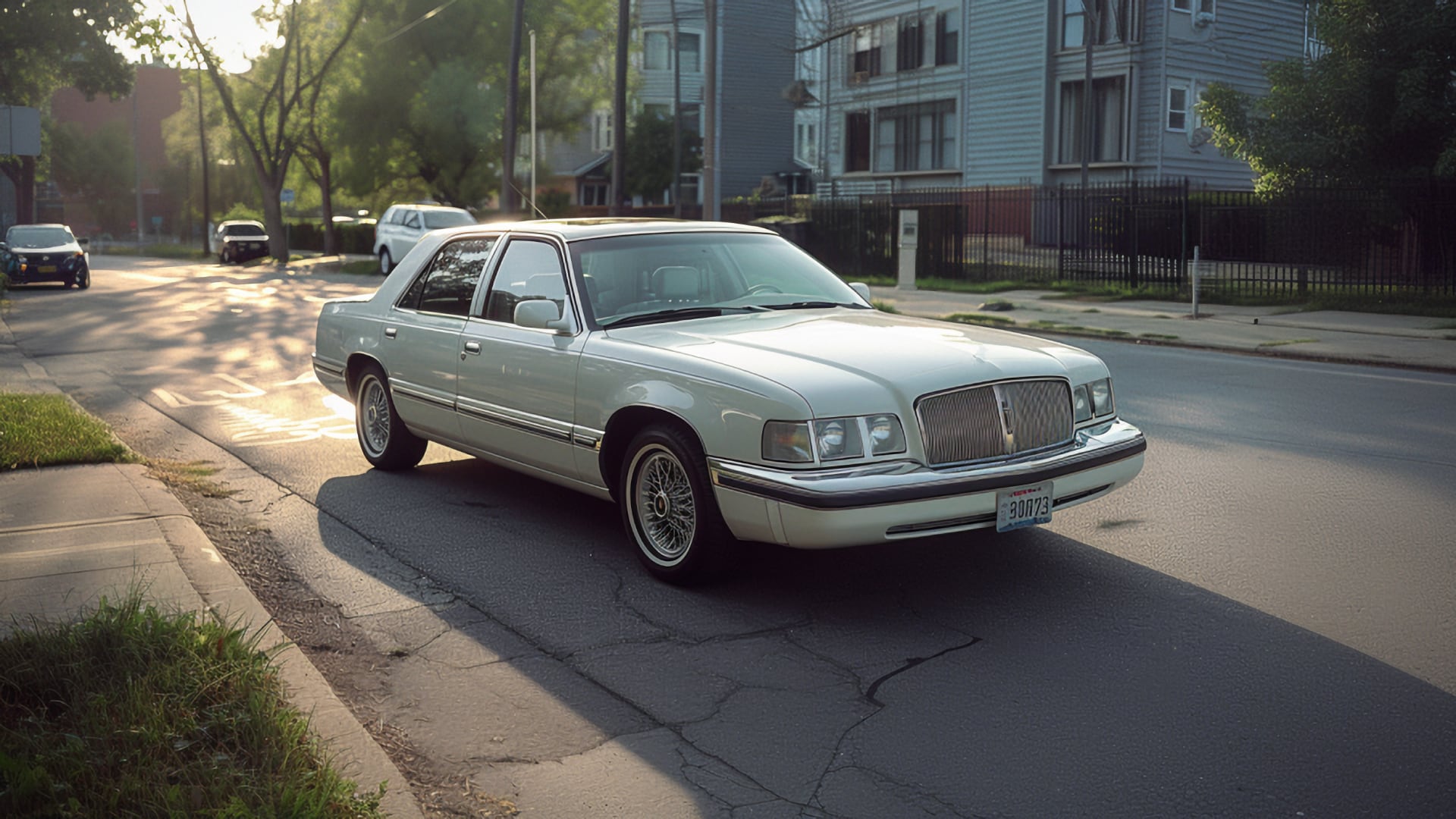
While this article focuses on years to avoid, some Grand Marquis models are still good choices. The most reliable years are 1998, 2002, and 2004, with fewer complaints and lower repair costs. These years have:
- Improved intake manifold design
- Simpler suspension setup
- Fewer electrical problems
If you find a Grand Marquis from these years with low mileage and clear maintenance history, it can be a solid, affordable car.
Credit: rerev.com
Practical Tips For Buying A Used Grand Marquis
Buying a used Grand Marquis can be a smart move if you follow some practical steps:
- Check VIN: Use services like Carfax to review accident, recall, and repair history.
- Avoid high mileage: Cars with over 150,000 miles often have more expensive repairs.
- Inspect for rust: The Grand Marquis is prone to rust around wheel wells and under the doors.
- Ask about intake manifold: If it’s been replaced, the car is less likely to have engine trouble.
- Test drive: Always drive the car before buying. Listen for knocks, rattles, or rough shifting.
- Negotiate price: Use known issues as leverage to lower the price.
One insight many buyers miss is that some sellers replace air suspension with traditional springs. This fix is cheaper and more reliable, but you should check the ride quality before buying.
Common Buyer Mistakes To Avoid
Many buyers make simple mistakes when shopping for a used Grand Marquis. Avoid these to save money and headaches:
- Ignoring recall history: Not all recalls are fixed. Ask for proof.
- Trusting low price too much: Cheap cars often hide expensive problems.
- Skipping mechanic inspection: Always get a professional check before buying.
- Buying late-model cars for “newer” features: The 2008-2011 models have more issues and fewer improvements.
- Missing signs of rust or leaks: These can lead to expensive repairs soon after purchase.
If you avoid these mistakes, your chance of getting a reliable Grand Marquis increases.
Maintenance Costs: What To Expect
One reason the Grand Marquis is popular is its low maintenance cost compared to other large sedans. However, problem years can be expensive. Here’s a table showing typical maintenance costs for different years.
| Model Year | Annual Maintenance Cost | Major Repair Frequency | Common Repairs |
|---|---|---|---|
| 1999 | $950 | 1 in 2 years | Intake, Transmission |
| 2003 | $720 | 1 in 3 years | Suspension, Electrical |
| 2008 | $680 | 1 in 2 years | Engine, Electronics |
| 2002 | $430 | 1 in 4 years | Minor Electrical |
| 1998 | $390 | 1 in 5 years | Cooling |
Older or problematic years can cost twice as much for maintenance as the best years.
The Role Of Recalls And Technical Service Bulletins
Recalls are not always a bad sign—they show the manufacturer is fixing problems. But too many recalls, or unresolved issues, signal a model to avoid. Technical Service Bulletins (TSBs) are instructions sent to dealers for repairs. High numbers of TSBs, especially for engine, suspension, or electrical systems, indicate ongoing problems.
For example, the 2003 Grand Marquis has over 40 TSBs for electrical issues alone. If you’re shopping, ask the seller about recalls and TSBs and check online databases.
Credit: www.carlogos.org
How Mileage Affects Reliability
Mileage is a big factor in Grand Marquis reliability. The 4.6L V8 engine is strong, but weak parts (like the intake manifold) wear faster. Cars over 150,000 miles usually need:
- Suspension rebuilds
- Transmission work
- Cooling system repairs
A low-mileage Grand Marquis from a reliable year can last over 200,000 miles with proper care. But a high-mileage car from a trouble year may need $2,000+ in repairs soon.
Expert Advice: When To Walk Away
Sometimes, the best decision is not to buy. Here’s when you should walk away:
- Seller refuses a mechanic check
- Car has unresolved recalls
- Engine or transmission feels rough
- Heavy rust under the car
- Dashboard lights are on (check engine, ABS, airbag)
Many buyers think small problems are easy to fix, but in Grand Marquis trouble years, repairs can snowball. If you see more than one major issue, look for another car.

Credit: www.pauletteauto.com
Frequently Asked Questions
What Are The Worst Grand Marquis Years To Avoid?
The worst Grand Marquis years are 1999-2001, 2003-2005, 2006-2007, and 2008-2011. These models suffer from engine, transmission, suspension, and electrical issues. They also have more recalls and higher repair costs.
Are Any Late-model Grand Marquis Reliable?
Late-model Grand Marquis (2008-2011) are less reliable due to aging design and weaker quality control. If you want a newer car, check for full maintenance history and avoid high-mileage examples. The 2002 and 2004 models are safer choices.
How Can I Check If A Grand Marquis Has Recall Issues?
You can check for recalls using the car’s VIN at the official NHTSA website or ask the seller for service records. Make sure all recalls are fixed before buying. For extra guidance, see the NHTSA Recall Database.
Is The Grand Marquis Expensive To Maintain?
Maintenance costs are moderate for reliable years, about $400-$700 per year. Problem years (like 1999, 2003, and 2008) can cost over $900 annually. Major repairs (intake manifold, suspension, transmission) can reach $1,000 or more.
Is The Grand Marquis A Good Choice For Non-native English Speakers?
Yes, the Grand Marquis is simple to drive and easy to find parts for older models. But avoid the trouble years listed above. Ask for help with paperwork and maintenance records to make sure you get a safe, reliable car.
Buying a used Grand Marquis can be rewarding if you know what to look for. By avoiding the worst years and focusing on reliable models, you’ll enjoy a classic sedan with comfort, style, and value. Use this guide to make your next car purchase a smart one.