

Buying a used car can feel risky, especially when you want a reliable brand like Acura. Acura is Honda’s luxury division, known for comfort, advanced features, and generally strong reliability. But even the best brands have some years that are less dependable than others. If you’re thinking about buying a used Acura, it’s smart to know which Acura years to avoid and why. This guide will help you understand the most problematic Acura models and years, what issues they faced, and how you can make a safe choice.
Acura has produced many standout vehicles, but some years stand out for the wrong reasons—recalls, high repair costs, or persistent mechanical problems. Knowing these can save you money, stress, and time. Even if a car looks great on the outside, hidden problems can turn your dream car into a costly headache.
Let’s take a close look at which Acura years you should think twice about, what problems they had, and how you can spot a good used Acura.
Why Some Acura Years Are Best Avoided
Not all Acuras are created equal. Some years have suffered from design or manufacturing problems. These issues might lead to expensive repairs, safety risks, or even leave you stranded. Most common problems come from:
- Transmission failures in certain models
- Engine troubles, like oil leaks or excessive oil consumption
- Electrical system glitches
- Premature wear of key parts (suspension, brakes, etc.)
- Airbag recalls due to faulty inflators
Car makers often fix problems in later years, but unlucky buyers of “bad years” deal with the fallout. Buying from a year with known problems means higher risk, even if the car seems well maintained.
Acura Models With Years To Avoid
Here’s a breakdown of the main Acura models and the years you should be careful with. Some models have just one or two bad years; others have a streak of trouble. Let’s look at each, with examples and data to help your search.
Acura Tl
The Acura TL was a popular midsize luxury sedan, but not every year was smooth sailing.
Worst Years For The Tl
- 2003–2004: These years are infamous for transmission failure. Owners report slipping gears, rough shifting, and total breakdowns—sometimes before 100,000 miles. Replacing a TL’s transmission can cost $3,000 or more.
- 2010–2012: These later models faced steering issues and power steering leaks. Some drivers noticed vibration or loss of steering control.
Problems In Detail
The 2003 and 2004 TLs suffered from a faulty 5-speed automatic transmission. The issue was so common that Honda/Acura extended some warranties, but not all vehicles were covered. Transmission failure often happened suddenly, sometimes causing safety concerns.
From 2010–2012, the main issue was with the power steering pump and hose, which would leak fluid and reduce steering assist. This could be dangerous, especially at low speeds or during parking.
Acura Mdx
The Acura MDX is a top-selling SUV, but a few years are known for headaches.
Mdx Years To Avoid
- 2001–2005: Early models are plagued by transmission failure and torque converter problems.
- 2010–2013: These years had suspension problems and premature brake wear.
Data And Examples
For 2001–2005, the MDX used a similar transmission as the TL, and many owners experienced failure around 100,000 miles. Some owners replaced the transmission more than once.
From 2010–2013, MDX models were known for worn-out front struts and fast-wearing brakes. This led to higher maintenance costs—sometimes $1,200 or more for suspension repairs within the first 70,000 miles.
Acura Rdx
The Acura RDX is a compact SUV that generally scores well for reliability, but a few years stand out for problems.
Rdx Years To Be Wary Of
- 2016: This year saw a spike in engine stalling and acceleration hesitation complaints.
- 2019: The latest RDX redesign had issues with transmission shifting, infotainment system failures, and electrical problems.
Specific Issues
The 2016 RDX sometimes suffered from the engine stalling at stop lights or after cold starts. Owners also reported a delay in acceleration, which could be dangerous when merging.
The 2019 RDX, while packed with tech, had a dual-clutch transmission that sometimes shifted harshly or hesitated. Its new infotainment system would freeze or reboot, and some vehicles had problems with the backup camera or electronic safety features.
Acura Tlx
The Acura TLX replaced the TL and TSX in 2015, but not all years are reliable.
Tlx Years To Avoid
- 2015–2017: Early TLX models had issues with jerky transmission shifts, stalling, and electrical system bugs.
Details
Many 2015–2017 TLX owners complained about the 9-speed automatic transmission. It would shift roughly, hesitate, or even lurch forward unexpectedly. Acura released software updates, but not all cars were fully fixed.
Some vehicles also suffered from battery drain and warning lights for the transmission or engine, sometimes requiring dealer visits and part replacements.
Acura Rl
The Acura RL was the brand’s flagship sedan. It’s usually reliable, but a few years are best skipped.
Rl Years To Avoid
- 2005: This year was hit by electrical problems and navigation system failures.
More Info
The 2005 RL introduced a new navigation and audio system, but owners quickly found that the electronics could fail. This often meant losing navigation, radio, or even climate control. Repairs were expensive, sometimes over $1,500 for a single fix.
Acura Integra (older Models)
The Acura Integra was loved for its sporty feel and reliability, but not every year was trouble-free.
Integra Years With Issues
- 1994–1995: Some of the automatic transmissions in these years were prone to failure.
What Went Wrong
While many Integras from the 1990s are reliable, some 1994 and 1995 models had automatic transmissions that would slip or fail completely. Manual versions were mostly unaffected.
Acura Zdx
The ZDX was a unique crossover, but it had a short production run.
Zdx Year To Avoid
- 2010: The first year had electrical system failures and suspension issues.
Details
Early ZDXs sometimes had problems with their adaptive suspension system or with the electronics that controlled the audio and navigation.
Acura Ilx
The Acura ILX is an entry-level sedan introduced in 2013.
Ilx Year To Avoid
- 2013: The first-year model had starter motor failures and transmission shifting problems.
More
The 2013 ILX had reports of the car failing to start because of a weak starter motor. Some owners also reported the transmission not shifting smoothly.
Acura Years To Avoid: Quick Reference Table
Here’s a side-by-side look at the key Acura models and the years most often flagged as risky:
| Model | Years to Avoid | Common Issues |
|---|---|---|
| TL | 2003–2004, 2010–2012 | Transmission failure, steering problems |
| MDX | 2001–2005, 2010–2013 | Transmission, suspension, brakes |
| RDX | 2016, 2019 | Engine stalling, transmission, infotainment |
| TLX | 2015–2017 | Transmission, electrical bugs |
| RL | 2005 | Electrical, navigation |
| Integra | 1994–1995 | Transmission (auto) |
| ZDX | 2010 | Electrical, suspension |
| ILX | 2013 | Starter motor, transmission |
Common Acura Problems: What To Watch For
Not all issues are equal. Some Acura problems are expensive, others are just annoying. Here’s what you’re most likely to see in the years to avoid:
- Transmission Failure: Sudden loss of drive, rough or slipping shifts, warning lights. Repairs can be $2,500–$4,000.
- Steering Issues: Fluid leaks, loss of power assist, vibration when turning.
- Suspension Wear: Clunking sounds, rough ride, uneven tire wear.
- Electrical Bugs: Dead battery, warning lights, non-working infotainment or navigation.
- Engine Trouble: Stalling, rough idle, high oil consumption, leaks.
Some of these problems show up in the first 70,000–100,000 miles, others take longer.
Credit: www.copilotsearch.com
Comparison: Acura Vs Other Luxury Brands
How do Acura’s problem years compare to its rivals like Lexus, BMW, or Audi? Here’s a snapshot:
| Brand | Problem Years | Most Common Issues | Repair Cost Range |
|---|---|---|---|
| Acura | 2001–2005, 2010–2013 (varies by model) | Transmission, electrical, suspension | $1,000–$4,000 |
| Lexus | 2007–2011 ES, RX | Oil leaks, dashboard melt, water pump | $800–$2,500 |
| BMW | 2007–2011 3 Series, X5 | Cooling system, electrical, turbo issues | $1,500–$5,000 |
| Audi | 2009–2012 A4, Q5 | Oil consumption, timing chain, electronics | $1,500–$6,000 |
Insight: Acura generally has fewer years with serious problems than German rivals, and repair costs are often lower. But transmission issues in some Acura years can be just as expensive as those in European brands.
How To Spot A Good Used Acura
If you want an Acura but want to avoid the risky years, here’s how to boost your chances of getting a great car:
1. Look For Models Outside The “avoid” List
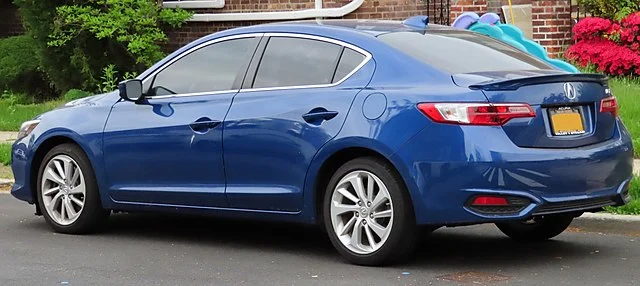
Start your search with years that are not listed above. For example, the 2007–2008 TL or 2014–2018 MDX are usually much more reliable.
2. Check Maintenance Records
A well-documented service history is a good sign. Ask for oil change and transmission service records. Acura engines and transmissions last longer with regular maintenance.
3. Get A Pre-purchase Inspection
Before you buy, have a trusted mechanic check the car. They can spot things like transmission slipping, leaks, or electrical problems before you commit.
4. Test All Electronics
On a test drive, check every button and feature: navigation, backup camera, air conditioning, power seats, and all warning lights. Some Acura years have hidden electrical bugs.
5. Research Recalls
Check if the car has any open recalls—especially for airbags, transmission, or electronics. You can do this free at the NHTSA website.
6. Prefer One-owner Cars
Cars with a single owner are often better maintained and have fewer hidden issues.
7. Avoid High-mileage Risk Years
A 2004 TL with 180,000 miles is a higher risk than a 2015 TLX with the same mileage, because the older TL is from a problem year.
8. Pay Attention To Price
If the price looks too good to be true, it might be a sign of hidden problems. Ask why it’s lower than similar cars.
Acura Years With Strong Reliability
While this article focuses on Acura years to avoid, it’s helpful to know some of the best years too. Here are a few models and years with a strong reputation:
- Acura TL (2007–2008): Fewer transmission issues, reliable V6 engine.
- Acura MDX (2014–2018): Improved suspension and transmission, good resale value.
- Acura RDX (2013–2015, 2017–2018): Reliable turbo and V6 engines, few major complaints.
- Acura ILX (2016–2020): Improved starter, better electronics.
- Acura RLX (2014–2020): Flagship sedan with few serious problems.
The Cost Of Ignoring Problem Years
Choosing a risky Acura year can mean thousands in extra costs. Here’s a real-world look at what owners have faced:
| Model/Year | Average Major Repair | Mileage When Issues Appear |
|---|---|---|
| TL 2003–2004 | $3,200 (transmission) | 90,000–120,000 miles |
| MDX 2001–2005 | $2,800 (transmission/torque converter) | 100,000–130,000 miles |
| TLX 2015–2017 | $1,500 (transmission module, software) | 40,000–60,000 miles |
| RDX 2019 | $1,100 (infotainment fix) | 20,000–40,000 miles |
Credit: www.reddit.com
Two Non-obvious Insights Most Buyers Miss
- Software Updates Can Make a Big Difference: Many Acura transmission and electronic issues can be improved or fixed with dealer software updates. However, not all used cars get these updates—especially if the previous owner skipped dealer visits. Ask the seller if all updates were done, and check with the dealer using the VIN.
- Some Problems Are Model-Specific, Not Year-Specific: For example, the TL’s transmission issues mostly affect the V6 automatic, not the manual version. Similarly, the MDX’s problems often hit the 5-speed automatic, not later 6-speed models. Always check the engine and transmission type before judging a year.
What Matters Most When Choosing A Used Acura
When shopping for a used Acura, focus on these critical factors:
- Transmission Type: Automatics from certain years had more problems.
- Maintenance History: Well-kept cars are less likely to fail.
- Model and Year: Some combinations are much riskier than others.
- Current Condition: Check for warning lights, leaks, or rough shifting.
- Recalls and Updates: Make sure all factory fixes are done.
Buying a used car is always a balance of risk and budget. Acura’s best years offer luxury and value, but the wrong year can cost you thousands.
Where To Get More Data
Sites like the National Highway Traffic Safety Administration (NHTSA), CarComplaints.com, and the Acura Owners Forum are good places to check for up-to-date complaint data, recall news, and owner reviews.
If you want to dig deeper into Acura’s history and reliability, the official Acura Chronology offers model-by-model histories.
Should You Avoid All Problem Years?
Not always. Some problem years have been fixed by previous owners. If you find a car with documented repairs—like a new transmission or recent recall work—it might still be a good deal. Always have a mechanic check the car before you buy.
Also, cars from the “years to avoid” may still be reliable if they were well maintained, driven gently, and updated regularly. But you must be more cautious and prepared for possible repairs.

Credit: www.pauletteauto.com
Frequently Asked Questions
Is Acura A Reliable Car Brand Overall?
Yes, Acura is known for strong reliability, especially compared to German luxury brands. Most Acura models last over 200,000 miles with proper maintenance. However, a few years and models had serious issues, mainly with transmissions and electronics.
How Can I Check If A Used Acura Has Had Recall Work Done?
You can use the NHTSA VIN lookup tool to see if a car has any open recalls. Just enter the vehicle’s VIN on the NHTSA website. The dealer can also check recall status and update history.
Are Acura Transmission Problems Still Common Today?
Most modern Acuras (2016 and newer) have fewer transmission issues. The main problems were in early 2000s models and some 2015–2017 TLX and 2019 RDX vehicles. Regular maintenance and software updates help reduce risk.
Is It Safer To Buy A Certified Pre-owned Acura?
Yes. Certified pre-owned (CPO) Acuras are inspected by the dealer, updated with the latest software, and often come with extended warranty coverage. This reduces the chance of buying a car with hidden problems.
What’s The Best Way To Avoid Buying A Problem Acura?
Always get a pre-purchase inspection by a trusted mechanic, check for maintenance records, and research known issues for the specific model and year. Avoid cars from the years listed above unless they have documented repairs or updates.
Finding the right used Acura takes a bit of research and patience. By knowing which years to avoid, you can enjoy luxury, reliability, and value for years to come.