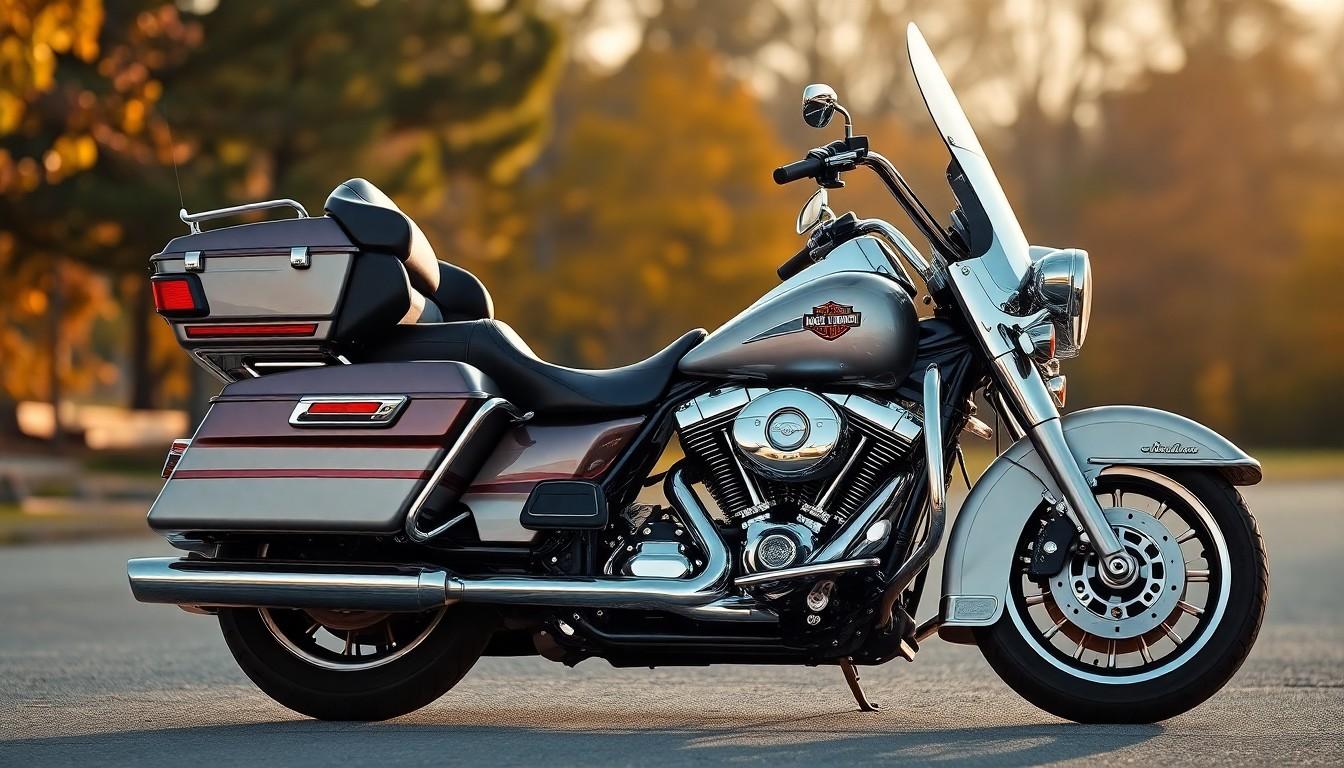
The Harley-Davidson Electra Glide is an iconic motorcycle, famous for its comfort, touring ability, and classic American style. Many riders dream of owning one, but not every Electra Glide year is equal. Some models have known problems, design flaws, or costly issues that can ruin your riding experience.
If you’re thinking about buying a used Electra Glide, knowing which years to avoid can save you headaches and money.
This article goes deep into the Electra Glide history, highlighting specific model years with common troubles. You’ll learn why these years are risky, what problems to look out for, and which alternatives are smarter choices. We’ll also share real owner experiences, expert advice, and practical tips for making a confident decision.
Whether you’re a beginner or a seasoned rider, this guide will help you choose wisely and enjoy the open road.
Understanding The Electra Glide Legacy
The Electra Glide was first introduced in 1965, marking a big step in Harley-Davidson’s touring lineup. It became known for its large fairings, comfortable seats, and strong engines. Over the decades, Harley made many changes, from engine upgrades to electronic improvements. But not all updates were successful. Some years brought innovation, while others introduced problems.
Main Features That Made Electra Glide Popular
- Comfortable touring seat
- Large front fairing for wind protection
- V-twin engines with classic Harley sound
- Advanced suspension for smooth rides
- Electronic features like cruise control and infotainment on newer models
These features made the Electra Glide a favorite for long journeys and cross-country trips. However, the push for new technology sometimes led to reliability issues, especially in certain years.
Key Electra Glide Years To Avoid
Many riders agree that some Electra Glide years are better skipped. Based on owner reports, expert reviews, and service data, these are the years most often flagged for problems. We’ll break down each problematic year, explain the main issues, and help you understand why they’re risky.
1. 2008 Electra Glide
The 2008 model is one of the most discussed years to avoid. Harley introduced the 6-speed transmission and new electronics, but these upgrades came with troubles.
- Engine Heat Problems: The Twin Cam 96 engine runs very hot, especially in summer or heavy traffic. Many riders report discomfort and even burns.
- Transmission Issues: The new 6-speed transmission was not fully refined. Owners report clunky shifting and false neutrals.
- Electrical Glitches: Problems with the electronic throttle control and wiring are common.
Many owners had to spend extra money on cooling upgrades or electrical repairs. For new buyers, these hidden costs can be a nasty surprise.
2. 2014 Electra Glide
Harley launched the Project Rushmore update in 2014, aiming for better performance and technology. While some features were great, others caused headaches.
- Touchscreen Infotainment Problems: The new Boom! Box system was buggy. Owners complain about freezes, poor Bluetooth connection, and software crashes.
- Paint and Chrome Issues: Quality control slipped. Many bikes had peeling paint and flaking chrome.
- Compensator Failure: The engine compensator, which helps reduce vibration, often failed early, leading to expensive repairs.
If you value reliable electronics and finish quality, 2014 is best skipped.
3. 2017 Electra Glide
The 2017 Electra Glide brought the Milwaukee-Eight engine. While this engine was smoother, early models had several issues.
- Oil Leaks: Many bikes developed oil leaks from the head gasket or rocker boxes. This often happened within the first few thousand miles.
- Engine Ticking Noise: A loud ticking noise from the valvetrain worried many owners, though it was often not dangerous.
- Recall for Clutch Problems: Harley recalled many 2017 bikes for clutch failures. If not fixed, the bike could lose power or stall.
Buying a 2017 model means checking for recall repairs and signs of oil leaks.
4. 1999–2003 Electra Glide (twin Cam Early Years)
The Twin Cam 88 engine arrived in 1999. It was powerful, but the first years had big problems.
- Cam Chain Tensioner Wear: The cam chain tensioners wore out fast, causing engine damage. Harley did not fix this until later years.
- Plastic Shoes Breaking: The tensioner shoes were made of plastic and often broke apart, leading to expensive engine repairs.
- Oil Pump Issues: Weak oil pumps could not deliver enough oil, risking engine failure.
If you’re considering a 1999–2003 Electra Glide, make sure the engine was updated or rebuilt. Otherwise, repairs can cost thousands.
5. 2007 Electra Glide
This year saw the introduction of the Twin Cam 96 engine and electronic throttle control.
- Stalling and Throttle Lag: Many riders report sudden stalling, slow throttle response, and dangerous lag.
- Excessive Heat: Like the 2008 model, this engine runs very hot.
- Early Compensator Failure: The engine compensator often failed, causing vibration and noise.
While not as problematic as 2008, the 2007 Electra Glide is still considered risky.
6. 2009 Electra Glide
Harley updated the frame and suspension in 2009, but some issues persisted.
- Frame Weld Problems: Weak welds led to cracks, especially after long rides or heavy loads.
- Rear Suspension Weakness: The new suspension was not strong enough for two-up riding.
- ABS Brake Issues: The anti-lock brake system sometimes failed without warning.
For riders who travel with passengers or cargo, these problems can be dangerous.
7. 2010 Electra Glide
This year had more electronic upgrades, but some were unreliable.
- Electrical System Trouble: The wiring harness was prone to shorts, causing random failures.
- Battery Drain: Many owners report batteries draining fast, even when parked.
- Fuel Pump Failure: Some bikes had faulty fuel pumps that stopped working after a few years.
Electrical issues are hard to diagnose and expensive to fix, making 2010 a risky year.
8. 2006 Electra Glide
The last year of the Twin Cam 88 engine saw more problems.
- Cam Chain Tensioner Wear: Still an issue, even after years of complaints.
- Transmission Trouble: Shifting problems and gear noise were common.
- Starter Motor Failure: The starter motor often failed early, leaving riders stranded.
If you find a 2006 Electra Glide, check for engine upgrades and starter repairs.
Comparing Electra Glide Years: Problem Frequency
To help you see the differences, here’s a comparison of common issues in the problematic years.
| Model Year | Engine Trouble | Electrical Issues | Transmission Problems | Compensator Failure |
|---|---|---|---|---|
| 1999–2003 | High | Low | Medium | Low |
| 2006 | High | Low | High | Low |
| 2007 | High | Medium | Medium | High |
| 2008 | High | High | High | Medium |
| 2009 | Medium | Medium | Low | Low |
| 2010 | Medium | High | Low | Low |
| 2014 | Low | High | Low | High |
| 2017 | Medium | Low | Low | Medium |
This table shows that engine and electrical problems are most common in the years to avoid. Transmission and compensator issues also appear, but less often.
Why These Years Are Risky: Technical Details
Understanding the technical reasons behind these issues can help you spot trouble when shopping.
Cam Chain Tensioner Problems
The Twin Cam engines (1999–2006) used plastic cam chain tensioner shoes. These shoes wore out quickly, sometimes in less than 20,000 miles. When they break, metal parts rub together, causing expensive engine damage. Harley switched to hydraulic tensioners in later models, solving the problem.
Engine Heat Issues
The Twin Cam 96 engine (2007–2008) runs hotter because of higher compression and emissions controls. The frame design traps heat, making the bike uncomfortable in slow traffic. Some owners installed aftermarket coolers, but this only partly helps.
Electronic Failures
Harley added more electronics every year. The Boom! Box infotainment in 2014 was unreliable, with software bugs and connection problems. The electronic throttle control (2007–2010) often failed, causing sudden stalls or loss of power.
Compensator Failure
The engine compensator absorbs vibrations and smooths power delivery. In 2014, Harley switched to a new design, but it wore out fast. When the compensator fails, riders feel strong vibration and hear loud noises. Replacement is costly.
Frame And Suspension Issues
The 2009 Electra Glide got a new frame and suspension. But weak welds and soft rear shocks led to cracks and poor handling, especially when carrying passengers.
Owner Experiences: Real Stories
Hearing from real Electra Glide owners can help you understand the impact of these problems.
- Steve from Texas (2008 Electra Glide): “After riding for 30 minutes, the engine heat was unbearable. I burned my leg more than once. The transmission was clunky, and the electronics failed twice.”
- Lisa from California (2014 Electra Glide): “The Boom! Box froze every time I tried to use GPS. Chrome started peeling after two years. I spent more fixing electronics than riding.”
- Mike from Florida (2003 Electra Glide): “My cam chain tensioner broke at 18,000 miles. I had to rebuild the engine. It was expensive and stressful.”
- Sarah from Ohio (2017 Electra Glide): “Oil leaks showed up early. The dealer fixed it under warranty, but I still worry every ride.”
These stories show that small issues can turn into big expenses and lost riding time.
How To Spot Problem Years When Buying Used
If you’re shopping for a used Electra Glide, knowing how to spot risky models is key. Here are some practical steps:
- Check the VIN (Vehicle Identification Number): This shows the model year and engine type.
- Ask for Service Records: Look for proof of cam chain tensioner upgrades, recall repairs, and engine rebuilds.
- Inspect for Heat Damage: Check for melted plastic, burned paint, or faded chrome near the engine.
- Test Electronics: Make sure the infotainment, throttle, and wiring work. Look for error messages or dead screens.
- Look for Oil Leaks: Inspect under the bike and around the engine for fresh oil or stains.
- Ask About Compensator Replacement: If the seller replaced the compensator, it’s a good sign.
If the owner can’t show proof of repairs, consider walking away.
Better Electra Glide Years: Safer Choices
Some Electra Glide years are known for reliability and better performance. If you want to avoid trouble, aim for these models.
- 2004–2005 Electra Glide: Harley improved the Twin Cam engine and fixed some tensioner issues.
- 2011–2013 Electra Glide: Electronics were more stable, and engine heat was reduced.
- 2015–2016 Electra Glide: Project Rushmore bugs were fixed, making these years safer.
- 2018–2020 Electra Glide: The Milwaukee-Eight engine was refined, with fewer oil leaks and better electronics.
These years offer smoother rides, fewer repairs, and more enjoyment.
Comparing Reliable Vs Unreliable Years
Here’s a table comparing reliable and risky Electra Glide years based on owner satisfaction and repair costs.
| Year Range | Owner Satisfaction | Average Repair Cost | Main Problems |
|---|---|---|---|
| 1999–2003 | Low | $2,000–$5,000 | Engine failure, cam chain |
| 2004–2005 | Medium | $1,000–$2,500 | Minor engine issues |
| 2007–2008 | Low | $1,500–$3,000 | Heat, electronics |
| 2011–2013 | High | $500–$1,500 | Minor electronics |
| 2014 | Low | $1,000–$4,000 | Infotainment, compensator |
| 2015–2016 | High | $500–$1,000 | Minor bugs |
| 2017 | Medium | $1,000–$2,000 | Oil leaks, clutch |
| 2018–2020 | High | $500–$1,000 | Minor leaks |
This table shows that buying a newer or mid-2000s Electra Glide can save you money and trouble.
Credit: autorepairlebanontn.com
Non-obvious Insights Most Beginners Miss
- Recall Repairs Are Not Automatic: Many buyers think all recalls are fixed by dealers. In reality, some owners never bring their bikes in, so recall repairs may be missing. Always check for recall completion.
- Aftermarket Upgrades May Hide Problems: Sellers often add aftermarket coolers, tensioners, or electronics to mask original issues. Ask for receipts and proof of professional installation.
- Low Mileage Is Not Always Good: Bikes with very low miles may have old, brittle parts. Sitting unused can cause seals to dry up, batteries to fail, and electronics to corrode. Look for bikes with regular use and maintenance.
These tips can help you spot hidden risks and make smarter choices.
Common Buyer Mistakes
- Ignoring Service History: Many buyers focus only on looks and price. Without a full service history, you risk buying a bike with hidden engine or electrical problems.
- Skipping Test Rides: Always test ride the bike. Listen for strange noises, check for smooth shifting, and watch for warning lights.
- Trusting Sellers Without Proof: Never rely on verbal promises. Ask for documents and check VIN reports.
Taking your time and doing your homework can save you thousands in repairs.
Practical Tips For Safe Electra Glide Buying
- Research Model Year Before Visiting: Know the risky years and what problems to check for.
- Bring a Mechanic or Experienced Friend: A second set of eyes can spot trouble you miss.
- Check for Warranty or Extended Coverage: Some dealers offer limited warranties on used bikes.
- Negotiate Price Based on Issues: If you find minor problems, use them to negotiate a lower price.
- Join Online Forums for Advice: Sites like HDForums or Harley Owners Group offer honest reviews and help.
These steps help you avoid common mistakes and make a confident purchase.
What To Do If You Already Own A Risky Year
Owning a problematic Electra Glide doesn’t mean you’re stuck. Here’s how you can minimize trouble:
- Get Regular Maintenance: Follow Harley’s service schedule. Oil changes, cam chain checks, and electronic updates are critical.
- Upgrade Weak Parts: Install hydraulic cam chain tensioners, aftermarket coolers, and better electronics.
- Check for Recalls: Visit your dealer to see if any recalls apply. Get them fixed for free.
- Monitor for Warning Signs: Watch for engine noise, heat, leaks, or electrical glitches. Fix problems early.
Proactive care can extend your bike’s life and reduce repair costs.

Credit: www.youtube.com
Should You Buy A Used Electra Glide?
If you love the Electra Glide’s style and comfort, a used model can be a great value. But choosing the right year is key. Avoiding the years listed above protects you from expensive, frustrating problems. Focus on models with proven reliability, solid service records, and smart upgrades.
If you’re unsure, consider speaking with a local Harley dealer or joining rider forums. Expert advice and real owner experiences can help you make a confident decision. For more technical details and history, visit the official Harley-Davidson page: Harley-Davidson Electra Glide.
Frequently Asked Questions
What Is The Worst Electra Glide Year For Engine Problems?
The 1999–2003 Electra Glide is widely considered the worst for engine trouble due to cam chain tensioner failures. Many bikes from these years needed expensive engine rebuilds.
Are Newer Electra Glide Models More Reliable?
Yes, 2018–2020 Electra Glide models are more reliable. The Milwaukee-Eight engine is improved, electronics are stable, and common problems are reduced.
How Can I Check If Recall Repairs Are Done?
Ask for dealer records or check the VIN with Harley-Davidson’s recall website. Dealers can confirm if recall work was completed.
Is Buying A Low-mileage Electra Glide Always Safe?
No, low mileage can mean the bike sat unused. This can lead to dried seals, battery failure, and old electronics. Look for regular use and maintenance.
What Upgrades Can Make A Risky Electra Glide Safer?
Upgrading to hydraulic cam chain tensioners, installing aftermarket oil coolers, and updating electronics can reduce risks. Professional installation is important for reliability.
Buying an Electra Glide can be a dream come true—but only if you choose the right year. With careful research and smart buying, you can enjoy the classic Harley ride with peace of mind.

Credit: www.roadrunner.travel