

The Nissan Rogue is a popular compact SUV, known for its comfort, fuel efficiency, and practical design. Many families and commuters choose the Rogue for its reasonable price and versatile features. But not every Rogue model year delivers the same reliability or satisfaction.
Some years have standout performance, while others are marked by frequent problems and expensive repairs. If you’re thinking about buying a used Nissan Rogue, it’s essential to know which years to avoid and why. This guide gives you a clear, detailed look at the Nissan Rogue years to avoid, the reasons behind their issues, and tips to help you make a smarter purchase.
Why Some Nissan Rogue Years Are Problematic
Not all car models remain consistent year after year. Automakers introduce new technology, update engines, or change designs. Sometimes these changes improve the vehicle, but other times they create unexpected problems.
The Nissan Rogue has seen several design updates since its debut in 2007. Some of these were successful, but others led to reliability issues, especially with the transmission, electrical system, and build quality. Understanding the background of these problems helps you avoid costly mistakes.
Common Issues In Problematic Rogue Years
- Transmission failures
- Air conditioning and heater defects
- Electrical system glitches
- Engine problems
- Poor interior quality
- Premature rust or paint issues
Many of these issues appear only after the vehicle has covered some miles, which is why they are more obvious in used models. Repairing these faults can be expensive, and sometimes the car spends more time in the shop than on the road.
Nissan Rogue Generations Overview
Before diving into the years to avoid, it’s helpful to understand the main generations of the Nissan Rogue. Each generation brought changes in design, mechanics, and technology.
| Generation | Model Years | Main Changes |
|---|---|---|
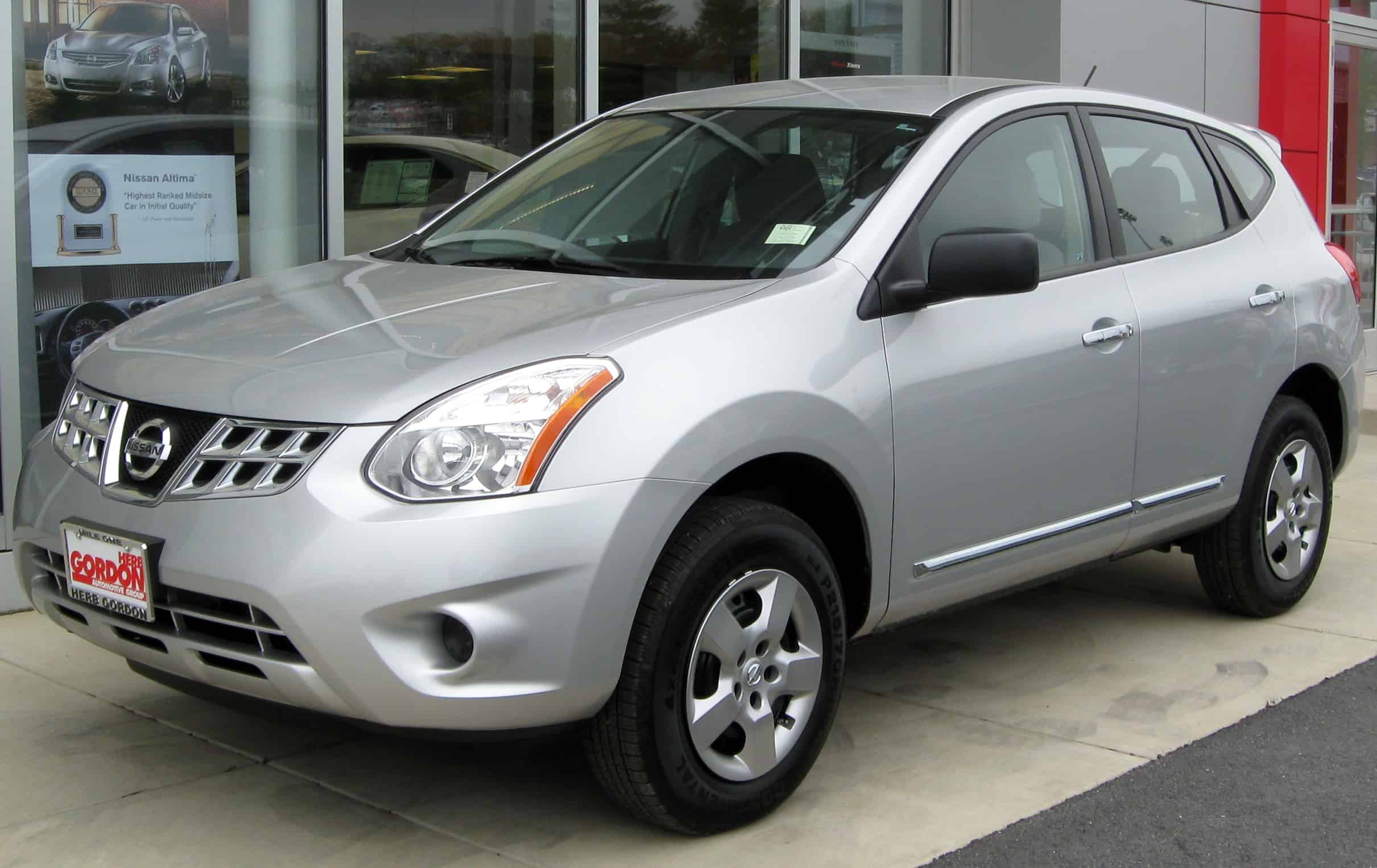
| First Generation | 2008–2013 | Debut, CVT transmission, compact crossover design |
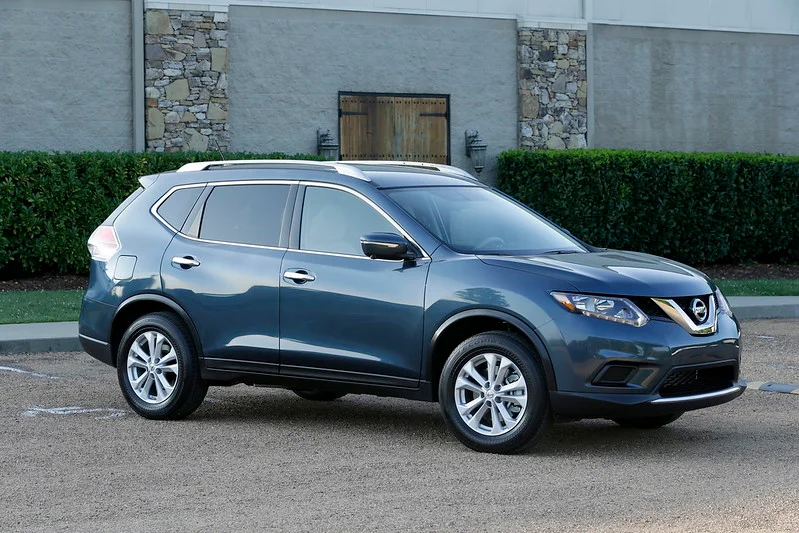
| Second Generation | 2014–2020 | Updated styling, more tech, hybrid option (2017–2019) |
| Third Generation | 2021–present | Major redesign, new engine, improved safety features |
Problems tend to cluster in certain years, especially during major redesigns or when new technology is introduced.
Nissan Rogue Years To Avoid
Some Rogue years are best left off your shopping list. These model years have a higher rate of owner complaints, more frequent repairs, and, in some cases, expensive recalls.
2008–2009: The Early Transmission Trouble
The first Nissan Rogue models (2008 and 2009) were ambitious but suffered from serious transmission problems. The main issue was the CVT (continuously variable transmission), which failed at relatively low mileage. Owners reported rough shifting, delayed acceleration, and, in some cases, complete transmission failure.
- Transmission replacements can cost $3,000 to $4,000 or more.
- Many issues started appearing under 100,000 miles, which is early for a modern vehicle.
- Nissan later extended the CVT warranty, but many owners still paid out of pocket.
Other complaints included electrical issues (like faulty sensors and lights) and premature rust around the rear wheel wells.
Non-obvious insight: Many transmission failures happened outside the standard warranty. So even low-mileage used 2008–2009 Rogues can be risky if the extended CVT warranty no longer applies.
2011–2014: Persistent Cvt And Interior Issues
While some improvements were made, 2011–2014 Rogue models continued to struggle with CVT reliability. Owners frequently cited:
- Jerky acceleration and sudden loss of power
- Transmission overheating leading to limp mode
- Unusual noises (whining or clunking) from the transmission
In addition to drivetrain troubles, these years also saw interior quality complaints. Cheap plastic trim, loose panels, and malfunctioning power accessories were common.
2014 marked the debut of the second-generation Rogue, but the first production year came with its own set of bugs. Many owners noted infotainment system failures and air conditioning problems.
2017: The Hybrid Headache
Nissan introduced a hybrid version of the Rogue for 2017, hoping to attract eco-conscious buyers. Unfortunately, the 2017 Rogue Hybrid struggled with both transmission and battery issues.
- Hybrid battery failures sometimes occurred as early as 30,000 miles.
- The hybrid system could cause the car to stall or refuse to start.
- Replacement battery packs were expensive and hard to find.
Even the standard 2017 Rogue faced electrical system glitches, especially with the automatic emergency braking and sensors.
Practical tip: Hybrid Rogues from 2017–2019 had limited production and support. Repairs are often more costly and parts are less available than for non-hybrid models.
2013–2016: Air Conditioning And Heater Problems
Many owners of 2013–2016 Rogues reported air conditioning and heater failures. These were not just comfort problems—sometimes, the defroster would stop working, creating a safety issue in cold or rainy weather.
- Compressor failure was the most common fault, often requiring full replacement.
- Blower motor and resistor issues led to weak or non-working fans.
- Repairs often cost $800–$1,500.
Example: Some drivers noted the AC would blow only hot air, regardless of settings, especially after 60,000 miles.
2018–2019: Electrical Gremlins
As more advanced technology appeared in the Rogue, so did more electrical problems. The 2018 and 2019 models had a surge of complaints about:
- Malfunctioning automatic emergency braking (AEB)
- Faulty door sensors that triggered false alerts
- Keyless entry and ignition failures
- Infotainment system glitches
These electrical problems could cause the car to stop suddenly, fail to start, or display confusing warning lights. In some cases, Nissan issued recalls, but not all affected cars were fixed.
Non-obvious insight: Even minor electrical glitches can affect resale value. Many dealers are aware of these issues and will offer less on trade-ins for these years.
Years With Fewer Problems
Not all Nissan Rogue models are risky. Some years are generally more reliable, with fewer complaints and lower repair costs.
| Model Year | Reliability Score (out of 5) | Common Praise |
|---|---|---|
| 2010 | 3.5 | Simple tech, fewer recalls |
| 2015 | 4.0 | Improved ride comfort |
| 2020 | 4.2 | Better safety features |
| 2021–2022 | 4.5 | Major redesign, strong reliability |
The 2020 and newer models have shown strong improvement, especially after the third-generation redesign. These years offer better technology, improved safety, and fewer recurring issues.
Detailed Look At Major Problems In Rogue Years To Avoid
Cvt Transmission Failures
The single most common and expensive issue in problematic Rogue years is the CVT transmission. Nissan’s CVT aimed to improve fuel efficiency, but early designs were not durable. Symptoms include:
- Whining or grinding noises
- Delayed response or slipping
- Sudden power loss
Most owners experienced transmission trouble between 60,000 and 120,000 miles—much earlier than the expected life for a transmission.
Repair costs: Replacing a Rogue CVT usually costs $3,000–$4,500. Even with Nissan’s extended warranty, many repairs were not fully covered.
Insight: Used Rogues from 2008–2014 with “new transmission installed” in the listing may mean the original failed. Always ask for service records.
Air Conditioning And Heater Failures
2013–2016 models frequently needed expensive HVAC repairs. Problems included:
- The AC compressor stopping completely
- The fan working only on certain speeds, or not at all
- The AC blowing hot air regardless of settings
Often, the only fix was replacing the compressor and related parts, which is not a simple or cheap job.
Electrical System And Sensor Glitches
Starting with the 2014 redesign, Nissan added more advanced tech—like automatic emergency braking, blind spot monitoring, and keyless entry. Unfortunately, these systems sometimes failed due to weak sensors or poor wiring.
- False collision alerts or sudden stops
- Key fob not recognized by the car
- Infotainment system freezing or rebooting
These problems are not only annoying but can also affect safety and resale value.
Interior And Build Quality Problems
Especially in the 2011–2014 Rogues, many owners complained about:
- Rattling or loose panels
- Cheap plastics that scratch easily
- Malfunctioning window and seat controls
While not as serious as transmission or electrical failures, these quality issues can make the car feel older and less pleasant to drive.
How To Spot Problem Years When Shopping Used
Avoiding a bad Nissan Rogue is possible if you know what to check. Here’s a practical approach:
- Check the VIN for Recalls: Use the car’s VIN at the official NHTSA recall database to see if the vehicle has outstanding recalls.
- Ask for Maintenance Records: Look for proof of regular servicing, especially for the transmission and HVAC system.
- Test Drive for Transmission Issues: Pay attention to shifting smoothness and listen for any whining or clunking sounds.
- Test All Electronics: Try every button, sensor, and feature, including air conditioning, infotainment, and door locks.
- Inspect the Interior: Look for worn-out controls, loose trim, or signs of water damage.
Non-obvious insight: Many used Rogues were sold as rental cars. These often have higher-than-average wear and may not have received the best maintenance. Always check the vehicle history report for previous rental use.
Alternative Compact Suvs To Consider
If you’re worried about Nissan Rogue problem years, there are other compact SUVs with better reliability records.
| Model | Typical Price (Used) | Known Strengths |
|---|---|---|
| Toyota RAV4 | $15,000–$28,000 | Excellent reliability, strong resale value |
| Honda CR-V | $14,000–$29,000 | Spacious, low maintenance costs |
| Mazda CX-5 | $13,000–$27,000 | Sporty feel, good reliability |
| Subaru Forester | $13,500–$26,500 | Standard AWD, good safety scores |
These alternatives are widely available and offer different strengths. For example, the Toyota RAV4 and Honda CR-V are famous for long-term reliability, while the Mazda CX-5 is known for a more engaging drive.
Practical Tips For Buying A Used Nissan Rogue
Choosing a used Nissan Rogue can still be a smart choice if you do your homework. Here are some practical steps:
- Avoid the risk years: Steer clear of 2008–2009, 2011–2014, 2017 (especially hybrid), and 2013–2016 for AC/heater problems.
- Look for newer models: The 2020 and later Rogues have fewer issues and better safety.
- Have the car inspected: Always get a pre-purchase inspection by a trusted mechanic, focusing on transmission, HVAC, and electronics.
- Read owner reviews: Check real-world experiences on forums and sites like Edmunds or NHTSA.
- Factor in resale value: Problematic years often have lower resale, so you may lose more money when you sell.
Common mistake to avoid: Don’t be tempted by a very low price on a risky model year. The money you save upfront can disappear quickly in repairs.
Credit: 247wallst.com
Nissan Rogue Recalls And Service Bulletins
Some problem years were subject to official recalls or technical service bulletins (TSBs). A recall means a safety risk, while a TSB is advice to dealers about common faults.
Notable recalls include:
- 2014–2016: Electrical short in the harness could cause engine stalling.
- 2017: Brake actuator defects on some models.
- 2018–2019: AEB (automatic emergency braking) false activation.
Always check if a used Rogue has had all recall work completed. You can verify this at the NHTSA website or by contacting a Nissan dealer.
For more details on recalls and service bulletins, visit the official NHTSA database.
Understanding Nissan’s Extended Cvt Warranty
Because of the high number of CVT failures in early Rogues, Nissan extended the transmission warranty for certain years. This covered some repairs up to 10 years or 120,000 miles. However, the warranty has now expired for most older models.
Key points to remember:
- Extended warranty does not transfer automatically to all owners.
- Not all vehicles qualified—check with Nissan using the VIN.
- If a used Rogue is still under this warranty, it’s a safer bet.
Practical tip: Always ask the seller for documentation about warranty repairs or transmission replacements.
Credit: www.copilotsearch.com
Cost Of Ownership: Problem Years Vs. Reliable Years
Let’s compare the total cost of ownership between a problematic Rogue year and a more reliable one:
| Item | 2013 Rogue (Problem Year) | 2021 Rogue (Reliable Year) |
|---|---|---|
| Purchase Price (Used) | $9,000 | $24,000 |
| Annual Repairs (avg.) | $1,100 | $400 |
| Major Repairs (5 years) | $3,500 (transmission, AC) | $500 (minor) |
| Resale Value (after 5 yrs) | $3,000 | $13,000 |
At first, the older Rogue looks cheaper. But over five years, the higher repair costs and lower resale value make the newer, more reliable model a better investment.
The Role Of Regular Maintenance
Some Nissan Rogue problems are made worse by poor maintenance. Regular fluid changes, especially for the CVT, are essential. Nissan recommends changing the CVT fluid every 60,000 miles, but more frequent changes can help.
- Use only Nissan-approved CVT fluid.
- Never skip scheduled services.
- Keep records—these help resale value and warranty claims.
Non-obvious insight: Many used Rogues for sale have missed scheduled CVT fluid changes, which increases the risk of failure.

Credit: lemonlawfirm.com
Owner Satisfaction And Long-term Value
Despite the problem years, the Nissan Rogue remains a popular choice. Owners who choose the right model year and keep up with maintenance often report:
- Good fuel economy (25–32 mpg)
- Comfortable ride for families
- Safe handling and good crash test ratings
However, satisfaction drops sharply for owners who experience major transmission or electrical faults.
Example: J.D. Power gives the 2021 Rogue a high dependability score, while the 2013 Rogue scores much lower.
What To Do If You Already Own A Problem Year
If you already own a Nissan Rogue from a problematic year, don’t panic. Here’s what you can do:
- Stay on top of maintenance: Change the CVT fluid, check the air conditioning system, and fix electrical issues early.
- Watch for warning signs: Address transmission noises or slipping immediately—early repairs are often less expensive.
- Consider an extended warranty: Third-party warranties can cover future repairs if you plan to keep the car.
- Know when to sell: If repair bills are adding up, selling before a major breakdown can save you money.
- Join owner forums: Communities like Nissan Forums can offer advice and shared experiences.
Practical tip: If your Rogue is still under an extended Nissan warranty, get all repairs done at a dealer to maximize coverage.
Frequently Asked Questions
Which Nissan Rogue Years Have The Worst Transmission Problems?
The 2008–2009 and 2011–2014 Rogues have the most reported transmission failures, mainly due to the unreliable CVT design. These models often need expensive transmission replacements before 120,000 miles.
Are Newer Nissan Rogues (2020 And Later) Reliable?
Yes, the 2020 and newer Rogues are much more reliable. The third-generation redesign improved the engine, transmission, and safety technology. Owner complaints and recall rates dropped significantly.
Is The Nissan Rogue Hybrid A Good Choice?
The 2017–2019 Rogue Hybrid models have more problems than the regular versions. Battery and hybrid system failures are common, and repairs can be expensive due to limited parts availability.
How Do I Check If A Used Rogue Has Had Recall Work Done?
You can use the car’s VIN at the official NHTSA website to check for open recalls. You can also ask a Nissan dealer to check their records before you buy.
What Is The Best Alternative To A Problematic Nissan Rogue?
The Toyota RAV4 and Honda CR-V are top alternatives. Both offer strong reliability, good resale value, and similar features to the Rogue.
Choosing the right Nissan Rogue year is about more than price or appearance. With the right research and careful inspection, you can avoid costly mistakes and enjoy a reliable, comfortable SUV for years to come.