The Toyota Sienna has long been a trusted choice for families seeking a reliable, roomy, and comfortable minivan. With its reputation for longevity and practicality, many buyers look to the Sienna as a smart investment. However, not every year of the Toyota Sienna is built the same. Some model years have known issues that can cause headaches and unexpected costs. Knowing which Toyota Sienna years to avoid can save you money, frustration, and time in the long run.
This guide explores the Sienna’s history, highlighting specific years and why they’re less reliable than others. You’ll discover what problems to look for, how to spot them, and tips for buying a quality used Sienna. Even if you’re not a car expert, this article will help you make a confident decision.
Why Some Sienna Years Are Best Avoided
Toyota’s reputation for building reliable cars is well deserved, but even they have off years. The Sienna, produced since 1997, has seen various generations, redesigns, and updates. Some years stand out for mechanical problems, expensive repairs, or recalls. These issues can be due to design flaws, changes in manufacturing, or the introduction of new technology that wasn’t quite ready.
Common reasons certain Sienna years are less desirable include:
- Transmission failures
- Engine problems
- Faulty sliding doors
- Expensive electronic repairs
- Recurring recalls
While all cars can develop problems over time, avoiding years with widespread or serious issues makes ownership much easier.
Toyota Sienna Generations At A Glance
It helps to understand the different generations of the Sienna, since problems often cluster around specific redesigns.
| Generation | Model Years | Key Features |
|---|---|---|
| First (XL10) | 1998-2003 | 3.0L V6, FWD, compact for its class |
| Second (XL20) | 2004-2010 | 3.3L/3.5L V6, more space, AWD option |
| Third (XL30) | 2011-2020 | Refined design, advanced tech, AWD standard |
| Fourth (XL40) | 2021-present | Hybrid only, modern safety features |
Knowing which generation you’re considering helps you focus on the right set of potential issues.
The Toyota Sienna Years To Avoid
After reviewing owner complaints, expert reviews, and recall data, a few Sienna model years stand out as ones you should think twice about. Here’s a closer look at each, with details on the main problems and what they mean for you.
1. 2004 Toyota Sienna
The 2004 model marked the start of the second generation. While it brought a bigger, more comfortable cabin and available all-wheel drive, it also introduced several persistent issues.
Major problems:
- Sliding door failures: Many owners report power sliding doors that jam, stop working, or won’t latch securely. Repairs can cost $1,000 or more.
- Transmission issues: Some 2004 Siennas develop hard shifting or complete transmission failure, often before 100,000 miles.
- Rust problems: Premature rusting, especially on the rear tailgate and underbody, can lead to expensive repairs.
Why avoid: These mechanical failures and rust problems can add up, making the 2004 model less reliable and more costly than later years.
2. 2007-2009 Toyota Sienna
These years fall in the middle of the second generation. While they improved on some earlier problems, they created new ones.
Major problems:
- Oil leaks: The 3.5L V6 engine (introduced in 2007) is known for a leaking oil line, which can cause sudden oil loss and engine damage if not fixed quickly.
- Sliding door issues: Power doors still break frequently, sometimes without warning.
- Dashboard cracking: Reports of dashboards that crack or become sticky in hot weather.
Why avoid: The oil line issue is serious; engine repairs are expensive. Door and dashboard problems add to long-term costs.
3. 2011 Toyota Sienna
The 2011 Sienna kicked off the third generation. It introduced new features and a fresh look but also brought several teething problems.
Major problems:
- Transmission hesitation: Many drivers complain about hesitation, jerking, or hard shifting, especially at low speeds.
- Wind noise: Poor window seals lead to excessive noise on the highway.
- Faulty brakes: Some owners report premature brake wear or a “soft” brake pedal, sometimes leading to costly repairs.
Why avoid: Persistent transmission complaints make this year a risky bet, especially if you value smooth driving.
4. 2015 Toyota Sienna
Although not as notorious as earlier years, 2015 Sienna models have their own unique concerns.
Major problems:
- Electrical issues: Problems with power doors, rearview cameras, and infotainment systems are common.
- Windshield problems: There are reports of the windshield cracking easily.
- A/C failures: Owners note frequent air conditioning breakdowns, leading to expensive repairs.
Why avoid: Electrical and comfort issues can be difficult and costly to diagnose and repair, affecting both convenience and resale value.
5. 2017 Toyota Sienna
While the 2017 Sienna is generally reliable, it’s included here due to a few specific issues that are more common than in other years.
Major problems:
- Transmission shudder: Some drivers experience shuddering or hesitation during acceleration.
- Infotainment glitches: Problems with the touchscreen freezing or failing.
- Water leaks: There are occasional reports of water entering the cabin, especially after heavy rain.
Why avoid: These issues are less widespread but can still lead to frustration and repair bills if you’re unlucky.
Common Problems In Sienna Years To Avoid
Even if you don’t buy one of the “avoid” years, it helps to know which problems are common, so you can check for them before buying any used Sienna.
Transmission Troubles
Transmission problems show up mostly in the 2004, 2011, and 2017 models. Symptoms include:
- Hard shifting
- Hesitation
- Shuddering
- Complete failure
Repairs can cost $3,000 or more. Always test drive and check for smooth gear changes.
Sliding Door Failures
The Sienna’s power sliding doors are convenient but prone to:
- Stuck or slow movement
- Broken cables
- Doors not latching
Repairs often cost $800–$1,500. Check all doors thoroughly.
Engine Oil Leaks
Especially in the 2007–2009 models, oil leaks can cause major engine damage. Look for:
- Oil spots under the car
- Low oil warning lights
- Burning oil smells
Ask for maintenance history showing the oil line was replaced.
Dashboard Cracking
This cosmetic issue is common in hot climates. Cracked or sticky dashboards are unsightly and costly to fix.
Electrical And Infotainment Glitches
Later models (2015+) sometimes have:
- Malfunctioning touchscreens
- Non-working rearview cameras
- Sensor or wiring issues
Repairs can be tricky and expensive.
Sienna Years With The Most Recalls
Recalls show how many problems a manufacturer has had to fix after cars are sold. More recalls usually mean more headaches for owners.
Here’s a comparison of major recall years:
| Model Year | Number of Recalls | Main Recall Issues |
|---|---|---|
| 2004 | 7 | Sliding door, fuel system, airbag |
| 2007 | 5 | Oil line, power door, airbag |
| 2011 | 8 | Transmission, brake, airbag |
| 2015 | 6 | Electrical, brakes, airbags |
| 2017 | 3 | Transmission, infotainment |
While not all recalls are serious, a high number often points to more widespread concerns.
How To Spot A Problematic Used Sienna
If you’re considering a used Sienna from one of the years above, extra caution is wise. Here’s how to spot potential issues before you buy:
1. Get A Pre-purchase Inspection
Always have a trusted mechanic inspect the vehicle. They can check for signs of:
- Transmission wear
- Oil leaks
- Rust and underbody problems
- Sliding door function
- Dashboard condition
- Electronic system health
This small investment can save you thousands.
2. Review The Maintenance Records
Ask for service records. Look for:
- Regular oil changes
- Transmission service
- Evidence of recall work or part replacements
- Sliding door repairs
A well-documented history means the owner cared for the van.
3. Test All Features
Spend extra time on:
- Power doors (open and close several times)
- Infotainment system (try the touchscreen, camera, and speakers)
- A/C and heating
- Windows, locks, and mirrors
If anything works inconsistently, it could be a sign of bigger electrical problems.
4. Drive At Different Speeds
Test the van in city traffic and on the highway. Watch for:
- Transmission hesitation or shuddering
- Wind noise
- Brake feel
- Unusual vibrations
Don’t rush this part; issues sometimes appear only under certain conditions.
5. Check For Recalls
Use the VIN (Vehicle Identification Number) on the National Highway Traffic Safety Administration (NHTSA) website to check for open recalls. Make sure any recalls have been fixed before you buy.
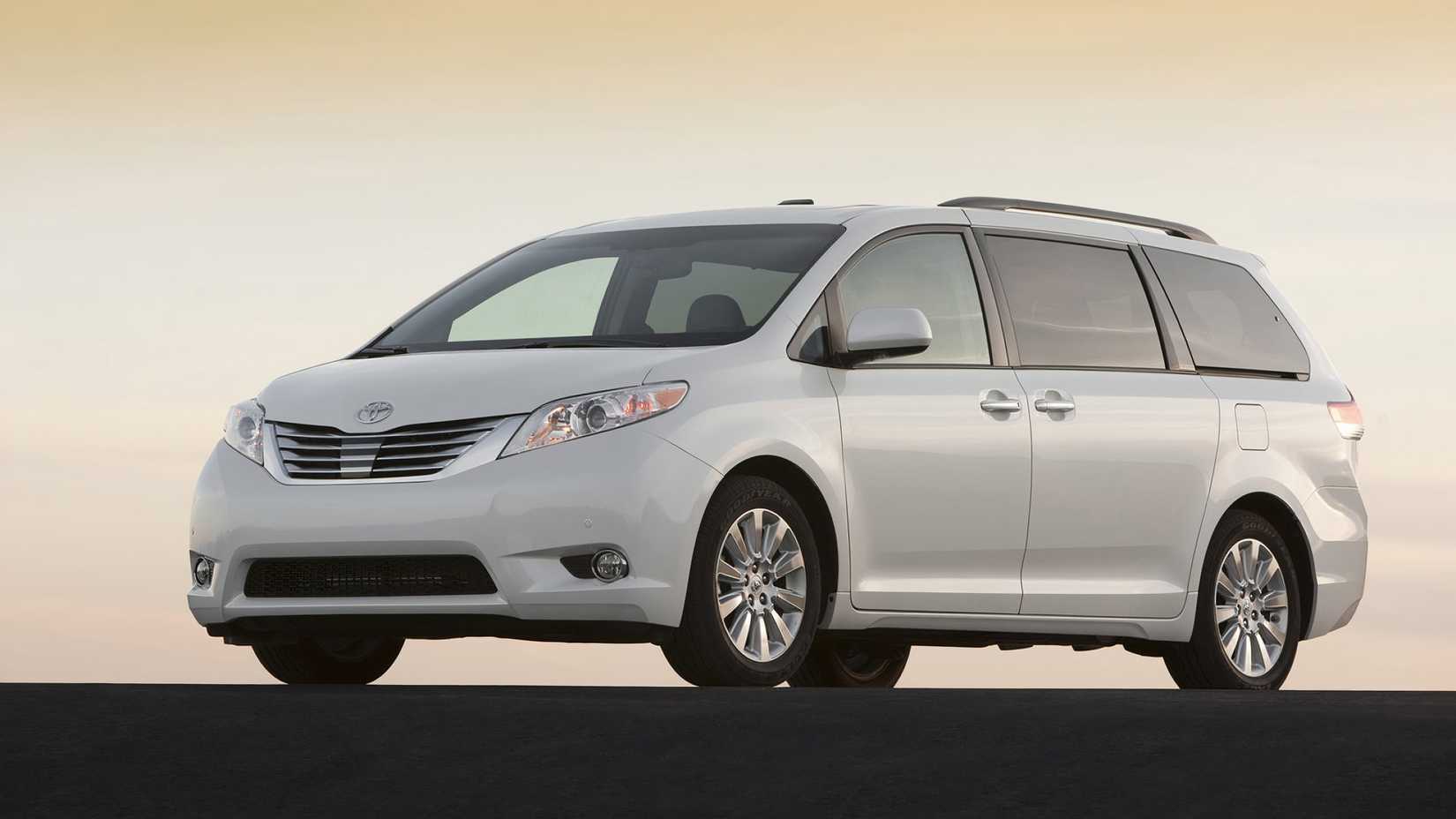
Credit: carbuzz.com
Sienna Years Worth Considering
Not all Siennas are trouble-prone. In fact, many years are extremely reliable and make excellent used buys. If you want peace of mind, focus on these well-rated years.
Best Sienna Years (based On Reliability)
- 2006: Last year of the first 3.3L V6, fewer oil leaks than later models.
- 2010: End of the second generation, most issues resolved.
- 2014: Updated third-generation model with improved safety and fewer complaints.
- 2018-2020: Late third-gen models with refined powertrains and fewer electrical problems.
- 2021+: Fourth generation, hybrid only, excellent fuel economy and advanced tech.
Siennas from these years have strong reliability records and fewer expensive problems.
Real Owner Experiences
Numbers and recalls are helpful, but real-world stories show how problems affect daily life. Here are a few examples from Sienna owners:
- Mary (2004 Sienna): “Our sliding door stopped working at 85,000 miles. The dealer quoted over $1,000 to fix it. We decided to leave it, but it’s a big hassle with kids.”
- Jose (2008 Sienna): “Engine started making noise, and then suddenly lost oil. Mechanic found a burst oil line. Luckily, we caught it before engine damage, but repairs still cost $600.”
- Liam (2011 Sienna): “Transmission shuddered every time I tried to accelerate from a stop. Dealer said it was ‘normal’ but it never felt right. Traded it in for a newer model.”
These stories highlight how even one problem can change your ownership experience.

Credit: www.copilotsearch.com
What To Do If You Already Own A “bad Year” Sienna
If you already have a Sienna from a year with known issues, don’t panic. Many owners enjoy years of trouble-free driving with regular maintenance. Here are steps to minimize risks:
- Stay up to date on recalls. Visit the NHTSA website and enter your VIN.
- Follow the maintenance schedule. Don’t skip oil changes, transmission service, or brake checks.
- Fix small issues early. Catching problems like oil leaks or electrical glitches early prevents bigger, more expensive repairs.
- Consider extended warranties. If you plan to keep the van a long time, extra coverage can provide peace of mind.
- Document everything. Keep all service and repair receipts; it can help with resale and warranty claims.
How Toyota Responded To Sienna Problems
Toyota is known for strong customer service and has issued many recalls and service bulletins to address Sienna issues. For example:
- Sliding door recall: Toyota recalled over 700,000 Siennas (2011–2016) for power sliding doors that could open unexpectedly.
- Oil line repair program: Free repairs for the 2007–2009 oil line issue were offered for affected vehicles.
- Transmission updates: Software updates were released for transmission hesitation, but not all owners found them effective.
Toyota’s willingness to address problems is a plus, but repairs can still be inconvenient and time-consuming.
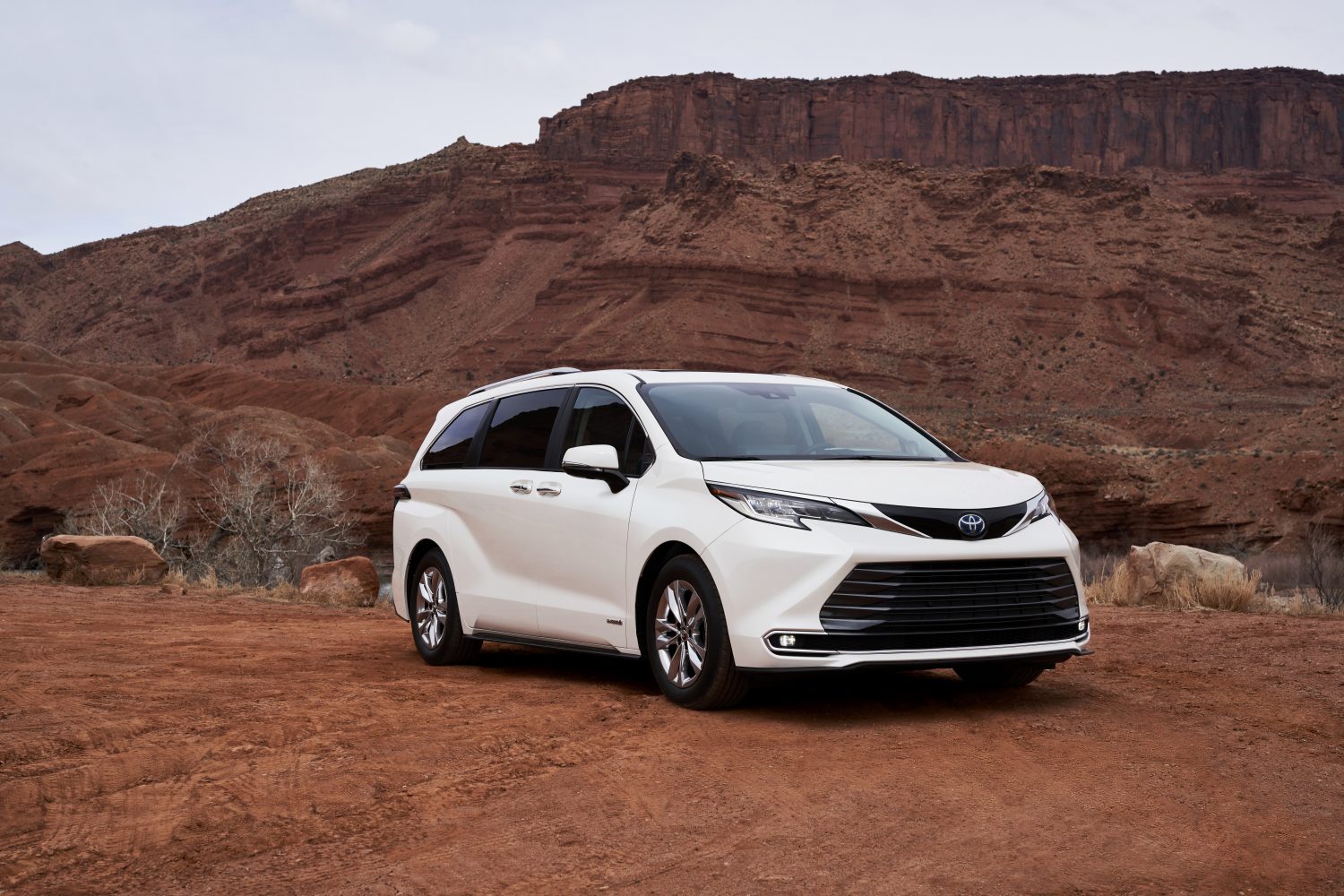
Credit: www.motorbiscuit.com
How The Sienna Compares To Other Minivans
If you’re unsure about the Sienna, comparing it to rivals can help. Here’s how the Sienna stacks up against the Honda Odyssey and Chrysler Pacifica, two top competitors.
| Feature | Toyota Sienna | Honda Odyssey | Chrysler Pacifica |
|---|---|---|---|
| Reliability | Very good (except problem years) | Good, but some years with transmission issues | Average, more recalls |
| Sliding Doors | Prone to failure (some years) | Occasional issues | Generally reliable |
| Fuel Economy | Hybrid available (2021+) | No hybrid | Plug-in hybrid available |
| Resale Value | High | High | Lower |
The Sienna stands out for its hybrid powertrain (since 2021) and strong resale value. However, be careful with the years that have known reliability problems.
What Really Matters When Choosing A Used Sienna
Focusing only on price or mileage can be a mistake. Here’s what matters most:
- Model year and generation: Some years are simply better than others.
- Maintenance history: A well-cared-for van is more important than one with low miles but poor service.
- Known issues: Research common problems for the year you’re considering.
- Number of previous owners: Fewer owners often means better care.
- Accident history: Avoid vans with major accident or flood damage.
Don’t be afraid to walk away if a Sienna seems risky or overpriced.
Hidden Insights Most Buyers Miss
- Low mileage isn’t always better. A Sienna with higher mileage but regular service can outlast a low-mile van that’s been neglected or used for short city trips (which are harder on engines and transmissions).
- Recalls are not always fixed. Many buyers assume all recalls are done, but records show a significant number of used Siennas on the market still have open recalls. Always check with Toyota or the NHTSA.
- Sliding door issues can recur. Even after repair, power sliding doors may develop problems again. Some owners choose to disable the power function to avoid repeated breakdowns.
- Hybrid Siennas have different concerns. The 2021+ hybrid models are very reliable but may have higher repair costs if the battery or hybrid system needs service outside warranty.
Common Mistakes When Buying A Used Sienna
- Skipping the test drive. Never buy without a thorough drive, including highway speeds.
- Ignoring warning lights. If the check engine or other warning lights are on, get them checked before buying.
- Assuming all Siennas are trouble-free. Reputation is good, but every car must be judged on its own history and condition.
- Not budgeting for repairs. Even the best Siennas may need brakes, tires, or A/C service as they age.
- Overpaying for a “bad year.” Don’t pay top dollar for a model with known issues, even if it looks clean.
Should You Ever Buy A Sienna From A Problem Year?
It’s not always a dealbreaker if you find a good Sienna from a year with issues. Consider buying if:
- It has complete service records.
- Known issues have been fixed (with receipts).
- You get a good price that reflects the risk.
- You budget for possible repairs.
Sometimes, the best deals are on cars with a “bad” reputation but a great maintenance history.
Keeping Your Sienna Reliable For Years
Once you buy your Sienna, regular care makes all the difference:
- Change oil and fluids on time.
- Inspect sliding doors and latches regularly.
- Update software and fix recalls quickly.
- Store the van in a garage if possible (helps prevent rust and dashboard cracking).
- Drive gently to reduce wear on the transmission and engine.
A well-maintained Sienna can easily last 200,000 miles or more.
Where To Find Reliable Data On Used Siennas
Don’t rely only on dealer claims or online ads. Good sources for Sienna reliability and recalls include:
- NHTSA.gov: Official recall and safety info.
- CarComplaints.com: Real owner complaints and problem trends.
- Consumer Reports: Detailed reliability ratings.
- Toyota’s own site: Service bulletins and recall lookups.
For more detailed data and owner feedback, check the Edmunds Toyota Sienna page.
Frequently Asked Questions
Which Toyota Sienna Years Are The Most Reliable?
The most reliable Sienna years are 2006, 2010, 2014, 2018–2020, and 2021+. These models have fewer complaints and better owner reviews. They’re a safe bet if you want minimal repairs and strong resale value.
How Many Miles Will A Toyota Sienna Last?
With proper maintenance, a Toyota Sienna often lasts 200,000 to 250,000 miles or more. Many owners report reaching 300,000 miles. Regular oil changes, transmission service, and quick repairs are key to long life.
Are Newer Siennas (2021 And Up) Better Than Older Models?
Yes—the 2021 and newer Siennas use a hybrid engine, which offers excellent fuel economy and fewer moving parts. They also come with advanced safety features. However, repair costs for hybrid systems may be higher if issues arise outside the warranty.
What Is The Biggest Problem With The Toyota Sienna?
The most common major issue is sliding door failure (especially power doors in 2004–2015 models). Transmission and engine problems also appear in some years. Always check these systems before buying a used Sienna.
Is The Toyota Sienna A Good Family Car?
Absolutely. The Sienna is known for its spacious interior, comfortable ride, and top safety ratings. If you choose a reliable year and maintain it well, it’s one of the best minivans for families.
Making a smart choice with the Toyota Sienna means understanding its history, researching the exact year, and inspecting each vehicle carefully. With this guide, you can avoid the problem years and enjoy everything this versatile minivan has to offer.