

The GMC Yukon has been a popular full-size SUV in America for decades. Many families and adventure-seekers love its powerful engine, roomy interior, and strong towing ability. But not every Yukon year is a good choice. Some models have serious problems that can cost you time and money.
If you’re thinking about buying a used GMC Yukon, knowing which years to avoid is essential. This guide gives you practical advice, clear data, and real examples so you can make a smart, confident purchase.
Why Some Gmc Yukon Years Are Risky
When you buy a used SUV, you want reliability and value. But some Yukon model years are known for frequent breakdowns, expensive repairs, and frustrating issues. These problems usually come from poor design choices, low-quality parts, or rushed production. Owners report issues to websites and agencies, and over time, certain years stand out as much riskier than others.
Key reasons some Yukon years are problematic:
- Engine failures leading to costly repairs
- Transmission issues causing rough shifting or total breakdown
- Electrical faults affecting safety and comfort
- Suspension and steering problems reducing driving quality
Not every bad Yukon year has the same issues. Some suffer from multiple problems, while others have one major flaw. Understanding which years to avoid—and why—can help you pick a safer, more reliable SUV.
It’s important to realize that even well-known brands can produce vehicles with defects. For the Yukon, some years had parts sourced from new suppliers, or rushed updates to meet changing regulations. These decisions sometimes led to weak points in the vehicle.
For example, a change in engine design might improve fuel economy but cause oil leaks or increased wear. Even small changes can create big headaches, especially if they were not thoroughly tested before release.
Another detail many buyers miss is the effect of climate and local conditions. Some Yukon years have issues that are worse in certain states. For example, AC failures and electrical problems are more common in hot, humid climates. Vehicles in colder regions may have more suspension and brake issues due to road salt and freezing temperatures.
Gmc Yukon Generations: An Overview
Before diving into specific years, it helps to understand Yukon generations. Each generation brings new features and improvements, but also new risks. Here’s a quick look at the Yukon’s history:
| Generation | Years Produced | Main Changes |
|---|---|---|
| 1st (GMT400) | 1992–1999 | Classic boxy design, basic tech |
| 2nd (GMT800) | 2000–2006 | Modern styling, new engines |
| 3rd (GMT900) | 2007–2014 | Refined ride, more luxury |
| 4th (K2UG) | 2015–2020 | Advanced tech, improved comfort |
| 5th (T1UG) | 2021–present | Independent rear suspension, new safety features |
Each generation has its own strengths and weaknesses. But within each, some years are much worse than others.
For example, the third generation (2007–2014) introduced more luxury, but also brought complex electronics that often failed. The fourth generation (2015–2020) added advanced tech, but new features meant more things could go wrong, especially in the first few years. The fifth generation (2021–present) uses independent rear suspension for smoother rides, but early models faced problems as GM worked out the kinks.

Credit: www.copilotsearch.com
Gmc Yukon Years To Avoid: Detailed List
After studying owner reports, repair statistics, and expert reviews, these Yukon years are widely considered the most problematic:
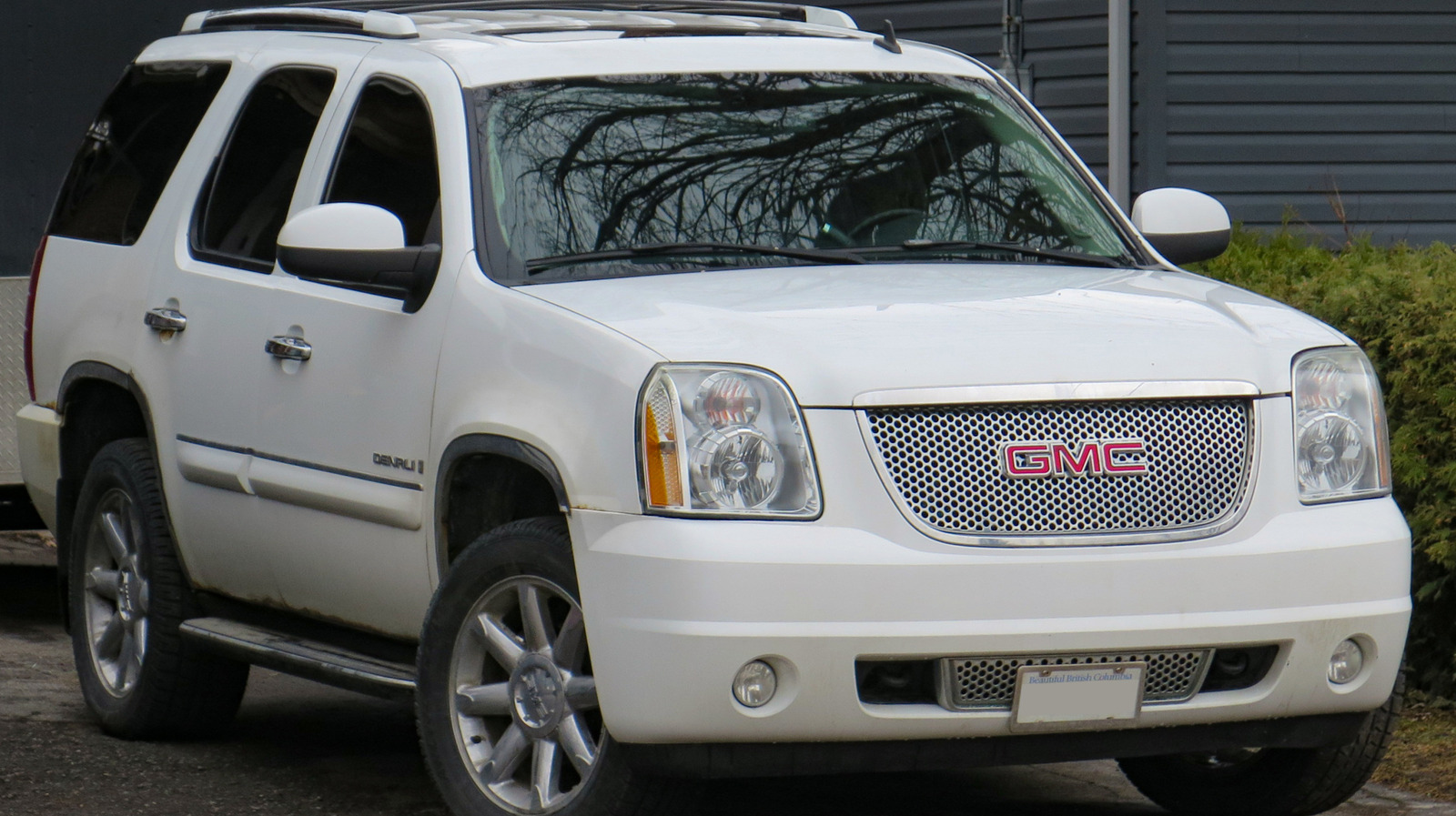
1. 2007
The 2007 Yukon is often called the worst year for this SUV. Owners report major engine problems, especially with the 5.3-liter V8. Many engines burn oil quickly, leading to early failure. The transmission is also unreliable, with rough shifting and breakdowns. Electrical issues, like faulty dashboards and sensors, are common.
It’s also worth noting that some 2007 Yukons have problems with rust, especially on door sills and the undercarriage. This is often linked to poor paint quality and weak rust protection. Owners report that even regular washing and care couldn’t prevent rust, leading to expensive body repairs.
2. 2008
This year continued many of the 2007 problems. The engine oil consumption issue remained, and some owners had to replace their engines before reaching 100,000 miles. Transmission failures and electrical glitches—such as broken door locks and malfunctioning gauges—also frustrated drivers. Air conditioning system problems were frequent, making summer drives uncomfortable.
A non-obvious insight is that many 2008 models also had problems with the fuel sending unit, causing inaccurate fuel readings. This can leave drivers stranded, thinking they have more fuel than they really do.
3. 2015
The fourth-generation Yukon brought new features but also new headaches. The electrical system is a major weak spot, with owners reporting flickering lights, malfunctioning infotainment screens, and dead batteries. The AC system often fails, especially in hot climates. Some buyers also found the seats uncomfortable, which might sound minor but impacts daily use.
In addition, the 2015 Yukon had issues with the power tailgate. It sometimes refused to open or close, especially in cold weather. This is not just inconvenient—it can make loading cargo difficult and costly to fix.
4. 2016
This year saw many of the same issues as 2015, with a few additions. The transmission is prone to jerky movements and sudden gear changes. The air conditioning remains unreliable, and brake system problems became more common. A number of owners experienced problems with the Magnetic Ride Control suspension, leading to expensive repairs.
Some 2016 models also had complaints about the steering wheel locking unexpectedly, especially when parked on a hill. This rare issue can be dangerous if not fixed.
5. 2017
While a bit improved, the 2017 Yukon still has frequent transmission complaints. The infotainment system is slow and sometimes stops working. The rear liftgate can fail, making it hard to access cargo. Some drivers noticed excessive vibration at higher speeds, which can signal bigger mechanical issues.
Another overlooked detail is the premature wear of interior materials. Seats and dashboard panels sometimes crack or fade, especially in sun-exposed regions.
6. 2018
2018 models improved in some ways, but engine issues and transmission problems lingered. The fuel pump is a weak spot, sometimes failing unexpectedly. Some owners reported the SUV stalling while driving—a serious safety concern. The AC system still causes trouble, and there are complaints about poor paint quality.
Some 2018 Yukons also had issues with the rear camera, which would stop working. This affects safety, especially when parking or reversing in tight spaces.
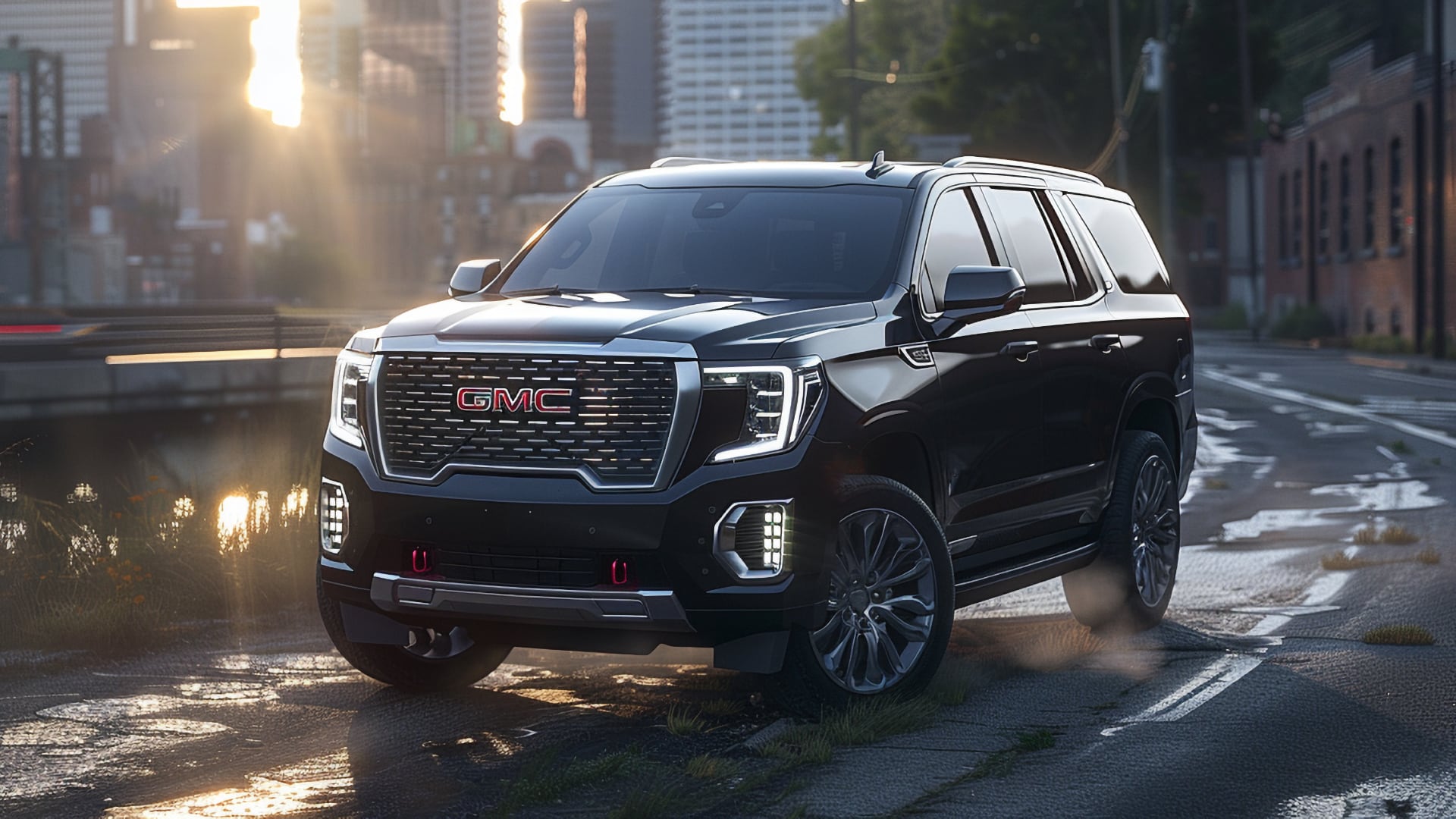
7. 2021
The newest generation brought big changes, but early models suffered teething problems. Electronic parking brake issues and infotainment system failures were common. Some buyers reported suspension noise and steering problems. There were recalls for fuel leaks and seat belt issues, raising safety concerns.
One non-obvious risk in 2021 models is software-related glitches. Because many functions are controlled by computers, even minor software bugs can stop key features from working, like lane assist or adaptive cruise control.
Common Problems In Bad Yukon Years
Understanding the specific issues can help you spot a risky Yukon before you buy. Here’s a breakdown of the most common problems:
Engine Oil Consumption
Models from 2007–2008 often burn oil quickly. This isn’t normal and can lead to engine damage if not fixed. Owners sometimes need to add oil every 1,000 miles, and repairs are expensive.
If ignored, low oil levels can cause engine overheating, loud knocking sounds, or even complete engine failure. Some owners replaced valve seals or piston rings, but in many cases, a full engine rebuild was needed.
Transmission Failures
Bad Yukon years have transmission problems like rough shifting, slipping gears, or total breakdown. Replacing a transmission can cost $2,000–$4,000. Some models also have “hard shift” symptoms, which feel jerky and uncomfortable.
It’s wise to check for delayed gear engagement or strange noises during a test drive. Transmission repairs are not only costly—they often require specialized mechanics, meaning longer wait times and higher labor costs.
Electrical Faults
Faulty wiring and weak electrical parts cause issues with dashboards, infotainment, and sensors. Sometimes, the vehicle won’t start or shows random warning lights. In newer models, the complex tech systems are even more likely to break.
For example, a simple sensor failure can trigger a “Check Engine” light and disable key features like cruise control or automatic headlights. Owners report chasing electrical gremlins for months, sometimes with no clear solution.
Air Conditioning Problems
A broken AC is more than just annoying—it can be costly to fix. In many bad Yukon years, the AC compressor and evaporator fail. This leads to weak cooling or no cooling at all. Repair bills often go over $1,000.
Some AC issues are caused by faulty blend door actuators, which control the flow of air. These parts are hidden behind the dashboard, making them expensive and time-consuming to replace.
Suspension And Steering Issues
Some Yukons have Magnetic Ride Control suspension. When it fails, the SUV rides rough and may bounce or sway. Steering problems, like loose or stiff steering, are also reported, especially in 2021 models.
A failed suspension system can affect tire wear and make the Yukon harder to control on turns or bumps. Replacing magnetic shocks often costs more than standard shocks, and sometimes must be done in pairs.
Brake System Faults
Bad brake boosters and worn pads can make stopping difficult. In certain years, the brake pedal may feel soft or sink to the floor. This is dangerous and should be fixed quickly.
Sometimes, failed brake boosters cause hissing noises or require extra force to stop the SUV. Ignoring brake issues increases the risk of accidents, especially in heavy traffic.
Yukon Reliability Ratings: A Comparison
To see how Yukon years compare, let’s look at average reliability scores:
| Model Year | Reliability Score (out of 5) | Main Issues |
|---|---|---|
| 2007 | 2.0 | Engine, transmission, electrical |
| 2008 | 2.5 | Engine, AC, electrical |
| 2015 | 2.8 | Electrical, AC, seats |
| 2016 | 2.7 | Transmission, AC, brakes |
| 2017 | 3.1 | Transmission, infotainment |
| 2018 | 3.3 | Engine, transmission, AC |
| 2021 | 3.0 | Electronics, suspension, recalls |
Years with scores below 3. 5 are risky for used buyers.
Scores are based on owner surveys, repair records, and expert analysis. Lower scores mean more frequent and severe problems, higher repair bills, and poor resale value.
Real Owner Experiences: What People Say
Numbers and data are useful, but real stories give you a clearer picture. Here are examples from Yukon owners:
- 2007 Yukon: “I loved the look and power, but after 70,000 miles, the engine started burning oil. Eventually, I had to replace it—cost me almost $4,000.”
- 2015 Yukon: “The infotainment screen froze in the middle of a road trip. I also had to fix the AC twice. I wouldn’t buy this year again.”
- 2016 Yukon: “Transmission was jerky from day one. Dealer said it was ‘normal,’ but after 40,000 miles, it failed completely.”
- 2021 Yukon: “Lots of recalls and the electronic parking brake stopped working. It’s a headache for a new car.”
These real-world reports show that problems aren’t just numbers—they affect daily life.
Some owners also mentioned how frequent trips to the dealer ruined their confidence. A 2016 Yukon owner shared, “I spent more time waiting for repairs than actually driving the SUV. It made every vacation stressful. ” These stories highlight the importance of research and caution.
Credit: www.slashgear.com
What Makes A Good Yukon Year?
If you want a reliable Yukon, look for years with high owner satisfaction, strong reliability scores, and fewer recalls. These models often have improved engines, better electronics, and tested parts. Good years are also easier to sell later, and they hold their value better.
Features of good Yukon years:
- Low repair costs
- Strong reliability ratings
- Few recalls
- Updated technology
- Comfortable ride
Some of the best Yukon years include 2009–2014 and 2019–2020. These models have fewer complaints and stronger performance.
For example, the 2014 Yukon is praised for smooth driving and reliable electronics. The 2020 model improved safety features and addressed earlier AC and suspension issues. Owners of these years report fewer breakdowns and easier maintenance.
Important Yukon Recalls
Recalls are official fixes for safety or quality issues. Bad Yukon years often have multiple recalls. Here are some notable examples:
- 2007–2008: Engine oil leaks, faulty airbags, electrical fires
- 2015–2016: AC system failures, brake booster problems, seat defects
- 2021: Fuel leaks, electronic parking brake, seat belt faults
Always check the recall history before buying any used Yukon. You can do this on the National Highway Traffic Safety Administration website.
Sometimes, even after a recall, the problem can persist if the repair was not done properly. Always ask for documentation showing that recall work was completed.
Cost Of Repairs: Bad Vs. Good Years
Repair costs matter a lot when choosing a used Yukon. Here’s a comparison of average repair expenses:
| Year | Average Annual Repairs | Major Repair Likelihood |
|---|---|---|
| 2007 | $1,700 | High |
| 2008 | $1,600 | High |
| 2015 | $1,400 | Medium |
| 2016 | $1,350 | Medium |
| 2017 | $1,200 | Medium |
| 2018 | $1,000 | Medium |
| 2019 | $700 | Low |
| 2020 | $650 | Low |
You can see that avoiding bad years saves money, even if the upfront price is higher.
It’s also good to know that major repairs, like engine or transmission replacements, often lead to more problems later. Once a Yukon needs heavy repairs, resale value drops and reliability may never fully recover.
How To Spot A Risky Yukon When Shopping
Buying a used Yukon can be tricky. Here are practical steps to avoid bad years:
- Check the VIN: Get a full history report. Look for accident history, recalls, and maintenance records.
- Test Drive: Listen for engine noise, feel the transmission, and test the AC. If anything feels off, walk away.
- Inspect the Electronics: Make sure the dashboard, infotainment, and sensors work perfectly.
- Look for Leaks: Check under the SUV for oil, coolant, or transmission fluid.
- Ask About Recalls: Dealers should show proof that recalls were fixed.
- Read Owner Reviews: Search online for real feedback from owners of the same year.
- Use a Trusted Mechanic: Before buying, have a mechanic check the Yukon for hidden issues.
These steps reduce your risk and help you avoid expensive mistakes.
If you see uneven tire wear or hear clunking noises during turns, these are signs of suspension or steering problems. Also, check all lights and switches, since electrical faults can be hard to spot until they stop working.
Non-obvious Insights Most Buyers Miss
Even careful buyers can overlook important details. Here are two key insights:
- Mileage Isn’t Everything: A low-mileage Yukon from a bad year can still have serious problems. Design flaws don’t disappear just because the SUV was driven less.
- Tech Features Can Be Risky: Advanced electronics in newer Yukons often fail early. Sometimes, fixing a broken infotainment or sensor costs as much as major engine repairs.
Many buyers focus on price or looks, but ignoring these details can lead to regret.
A third insight: Always ask about previous owners. Fleet or rental Yukons often have rough driving histories, leading to faster wear and more hidden issues.
Gmc Yukon Alternatives
If you’re worried about bad Yukon years, consider these alternatives:
- Chevrolet Tahoe: Shares many parts but has different reliability history.
- Ford Expedition: Known for strong engines and fewer electrical issues.
- Toyota Sequoia: Offers legendary reliability and lower repair costs.
Each alternative has pros and cons. Test drive and research before making your choice.
If you need more cargo space or a softer ride, the Ford Expedition is often praised. The Toyota Sequoia is less luxurious but much more dependable, making it a favorite for those who value durability.
Why Some Yukon Years Improve Over Time
Not every bad year stays bad forever. Sometimes, General Motors fixes problems in later production runs. For example, 2017 models had fewer complaints than 2015–2016 because improvements were made. Also, used SUVs with all recalls fixed and proper maintenance can be safer.
But, even with fixes, it’s risky to buy from a troubled year. Some problems can’t be fully repaired.
Another detail: aftermarket upgrades, like improved suspension parts or custom electronics, can solve some issues. But these upgrades add cost and may affect resale value.
Tips For Buying A Used Yukon
Here are helpful tips for a smoother experience:
- Buy from a reputable dealer: They often fix recalls and offer warranties.
- Ask for service records: More records mean better care.
- Check the price: If the price is much lower than average, ask why.
- Avoid first-year models: New generations often have more problems.
Researching and being patient pays off.
It also helps to compare several Yukons from different years and dealers. Don’t rush—take time to review options and ask questions about previous repairs, accident history, and recall work.
Faqs: Frequently Asked Questions
What Is The Worst Gmc Yukon Year?
The 2007 Yukon is widely considered the worst year. It suffers from engine failures, transmission breakdowns, and electrical issues. Repair costs are high, and owner satisfaction is low.
Are Newer Yukons More Reliable?
Newer Yukons, especially 2019–2020 models, have fewer complaints and stronger reliability. But 2021 models had early problems with electronics and recalls. Always check reviews and recall history.
Is It Safe To Buy A Yukon With High Mileage?
High mileage increases the risk, especially in bad years. Even with good maintenance, design flaws can lead to expensive repairs. It’s safer to buy from reliable years with full service records.
How Can I Check For Recalls On A Used Yukon?
You can check recalls using the VIN on the National Highway Traffic Safety Administration website or at the dealer. Make sure all recalls were fixed before buying.
What Are The Best Gmc Yukon Years?
The best years are 2009–2014 and 2019–2020. These models have strong reliability, fewer complaints, and lower repair costs. They hold value better and are safer choices.
Making Your Choice With Confidence
Buying a used GMC Yukon should be exciting, not stressful. By avoiding the risky years—especially 2007, 2008, 2015, 2016, 2017, 2018, and 2021—you protect yourself from expensive repairs and daily frustration. Use data, owner reviews, and expert advice to guide your decision.
Remember, the right Yukon gives you power, comfort, and reliability for years.
If you need more details, visit the official GMC site for specs, recalls, and updates. With careful research and smart choices, you can enjoy all the benefits of a Yukon without the risks.
Choose wisely, drive confidently, and enjoy the road ahead.
Credit: rerev.com