

The Chevy Avalanche once stood out as a unique full-size truck, blending the practicality of a pickup with the comfort of an SUV. From its debut in 2002 to its farewell in 2013, the Avalanche attracted drivers who wanted versatility without giving up style. But, like any vehicle line, not every model year delivered a smooth ride. Some years are known for costly problems that left owners frustrated and reaching into their wallets.
If you’re considering a used Chevy Avalanche, knowing which years to avoid can save you time, money, and headaches. This guide will help you understand which model years are best skipped, why these years are problematic, and what to look for if you want the best Avalanche experience.
Along the way, you’ll find real-world data, key insights often missed by beginners, and practical advice for making a smart purchase.
Why Model Year Matters With Used Chevy Avalanches
Car shoppers often focus on mileage or price, but the model year can be just as important—sometimes more so. Each Avalanche year brings its own mix of features, improvements, and unfortunately, issues. Some years saw design flaws or unreliable parts that were later fixed in newer models. Others fell victim to rushed production or supply chain shortcuts.
For the Avalanche, the difference between a reliable daily driver and a constant repair project often comes down to the year it was built. Problems can range from transmission failures to electrical gremlins—issues that aren’t always obvious during a quick test drive. That’s why it pays to know the years most owners regret.
Chevy Avalanche Overview: Quick History
The Avalanche debuted in 2002 as a bold mix between a pickup and an SUV, built on the Chevy Suburban platform. It offered a signature “midgate” that allowed the rear cab wall to fold down for extra cargo space—a feature that set it apart from other trucks.
- 2002-2006: First generation. Known for innovative features but also for some early teething problems.
- 2007-2013: Second generation. Improved styling and comfort, but some mechanical issues persisted.
Sales peaked early, but by 2013, shifting market trends and rising competition led Chevy to discontinue the Avalanche. Today, it remains popular on the used market, especially for those wanting a truck that stands out.
The Worst Chevy Avalanche Years To Avoid
Not every Avalanche is a troublemaker, but several years have earned reputations for headaches and expensive repairs. Let’s look at the most problematic years and why they’re best avoided.
1. 2002 Chevy Avalanche
The first model year seemed exciting, but many owners quickly discovered problems.
- Cladding Problems: The 2002 featured plastic body cladding that faded and peeled quickly, making the truck look years older than it was.
- Transmission Issues: Reports of early transmission failure, sometimes before 100,000 miles. Repairs cost $2,000–$3,500.
- Electrical Issues: Problems with dashboard lights, instrument clusters, and other electronics are common.
- Brake and ABS Sensor Faults: The ABS system can fail, leading to expensive diagnostic and repair work.
Why Beginners Miss This: Many focus on price and overlook faded cladding or minor electrical glitches, not realizing these can signal bigger, hidden problems.
2. 2003 Chevy Avalanche
While Chevy worked to fix some issues from 2002, the 2003 model year brought its own challenges.
- Transmission Still a Weak Spot: Many owners experienced hard shifting or total transmission failure.
- Dashboard and Instrument Cluster Failures: Speedometer and fuel gauge malfunctions are common, leading to safety concerns.
- Cladding Issues Remain: Although improved, fading and peeling still occur.
Real-World Example: Owners often report the speedometer getting stuck at 60 mph or refusing to move, making highway driving risky.
3. 2004 Chevy Avalanche
By 2004, some problems continued to haunt the Avalanche.
- Electrical System Glitches: Power windows, locks, and mirrors often fail, sometimes all at once.
- Transmission and Transfer Case: These expensive components still suffered from premature wear.
- Excessive Oil Consumption: Some 2004 models burned oil quickly, forcing owners to top off between oil changes.
Insight: Many buyers overlook power accessory failures, but fixing multiple systems can add up to thousands of dollars.
4. 2005 Chevy Avalanche
The 2005 model year is slightly better, but still not trouble-free.
- Interior Quality Problems: Dashboard cracking is a known issue, and can cost $500–$1,000 to repair.
- Transmission Gremlins: Fewer reports, but still enough to be cautious.
- Fuel System Issues: Some trucks had fuel pump failures or inaccurate gas gauges.
Beginner Mistake: Assuming a “mid-generation” model is safe, when in fact the 2005 still shares many earlier design issues.
5. 2007 Chevy Avalanche
The first year of the second generation, 2007, should have brought improvements. But instead, it introduced new problems.
- Engine Troubles: Active Fuel Management (AFM) system caused excessive oil consumption, misfires, and even engine failure.
- Electrical Failures: Door locks, radio, and other features often stop working.
- Cracked Dashboard: Even with a redesign, dashboards still crack in hot climates.
- Transmission and Differential: More reports of hard shifting and failures.
Why It Matters: The 2007 model is often priced attractively, but hidden engine and electrical issues can cost more than you save.
6. 2008 Chevy Avalanche
Many 2007 problems continued into 2008.
- Engine Oil Consumption: AFM issues persisted, leading to engine damage.
- Electronic Faults: Owners reported failing windows, locks, and radios.
- Paint and Body: Peeling paint and rust, especially in northern climates, is common.
Non-Obvious Insight: Even trucks with low miles can have engine issues if short trips and city driving dominate their history.
7. 2011 Chevy Avalanche
After a few decent years, 2011 saw a spike in complaints.
- Transmission Failure: More owners reported gear slipping and total transmission loss, sometimes under 80,000 miles.
- Air Conditioning Problems: The A/C system is known to fail, sometimes requiring a full replacement.
- Electronics: Radio and navigation system failures are common.
Buyer Alert: These issues often appear just as the factory warranty expires, leaving owners with big repair bills.
8. 2012 Chevy Avalanche
As production wound down, reliability fell too.
- Engine and Transmission: AFM-related problems continued. Transmission issues remained frequent.
- Interior: Dashboard cracking, seat tearing, and electrical glitches persisted.
- Suspension: Some trucks developed suspension clunks and rattles.
Key Detail: Many 2012 models were used as work trucks, so wear and tear is often higher than average.
9. 2013 Chevy Avalanche
The last model year, 2013, is a mixed bag.
- Reliability Dip: Some quality control issues as Chevy prepared to end production.
- Electronic Failures: Door locks, seat motors, and infotainment glitches are common.
- Engine Issues: AFM and oil consumption still a problem.
Practical Note: Many 2013 Avalanches are “Black Diamond Edition,” which can be tempting for collectors—but they are not immune to the typical late-model issues.
Problem Comparison: Worst Years Vs. Best Years
It’s easy to get lost in the details, so here’s a quick comparison of the main trouble spots for Avalanche years you should avoid, versus the best years.
| Model Year | Main Issues | Average Repair Cost |
|---|---|---|
| 2002 | Cladding, transmission, electrical | $2,500 |
| 2003 | Transmission, instrument cluster | $2,700 |
| 2007 | Engine (AFM), electronics | $3,000 |
| 2013 | Electronics, engine, interior | $2,800 |
| 2006 | Minor electrical | $1,200 |
| 2010 | Few issues | $950 |
Note: Repair costs are averages and can vary by location and the exact problem.

Credit: techbullion.com
Why These Years Are So Problematic
Understanding the root causes helps you spot trouble before you buy. Most Avalanche issues come down to a handful of design and manufacturing problems:
- Poor Quality Control: Early and late model years often had less attention to detail, leading to more defects.
- Active Fuel Management (AFM): Introduced to save fuel, this system caused oil burning, misfires, and sometimes engine failure.
- Transmission Weakness: Avalanche transmissions, especially before 2009, are not as durable as competitors.
- Electrical Complexity: The Avalanche packed in a lot of tech, but with age, these systems are prone to glitches.
- Interior Materials: Dashboards and seats often crack, fade, or tear, especially in hot or sunny climates.
Insight: A good-looking Avalanche can still hide expensive mechanical or electronic issues. Always dig deeper than the surface.
Signs Of Trouble: How To Spot A Bad Avalanche
Even if you know which years to avoid, you might find an Avalanche from a “good” year with a troubled past. Here’s how to spot warning signs before you buy:
- Transmission Hesitation or Slipping
- Test drive at both low and highway speeds. Delayed shifting or slipping gears are red flags.
- Check Engine Light
- A persistent or flashing light can signal AFM or other engine issues.
- Electrical Glitches
- Try every window, lock, and seat control. If some don’t work, the repair bill can add up fast.
- Cracked Dashboard
- Even a small crack can lead to rattles and more damage over time.
- Unusual Noises
- Clunks or rattles from underneath can mean suspension or transfer case problems.
- Oil Smell or Low Level
- Check the oil. If it’s low or smells burnt, walk away.
- Service History Gaps
- Missing maintenance records often mean neglected repairs.
Pro Tip: Bring a trusted mechanic to inspect the truck before you commit. They can spot hidden problems you might miss.
Best Chevy Avalanche Years: The Safer Picks
While this article focuses on years to avoid, many people want to know which Avalanches are reliable. Here’s a quick look at the best years for dependability and value.
2006 Chevy Avalanche
The last year of the first generation, 2006, is often considered the most reliable.
- Fewer Electrical Problems: Most bugs from earlier years were fixed.
- Durable Engine and Transmission: These trucks often last well beyond 150,000 miles with regular maintenance.
- Less Cladding: Improved body panels resisted fading and peeling.
2009–2010 Chevy Avalanche
These years saw better reliability and fewer major complaints.
- AFM Issues Reduced: Chevy improved the system, leading to less oil consumption.
- Interior Quality: Fewer reports of dashboard cracks and seat wear.
- Electronics Improved: Most minor glitches were ironed out.
2011 Chevy Avalanche (some Exceptions)
While 2011 has transmission complaints, many are due to poor maintenance. Trucks with full service records are generally dependable.
- Updated Features: Modern infotainment and safety features.
- Improved Suspension: Smoother ride and fewer clunks.
Insight: Always check for regular transmission and oil changes, especially with 2009–2011 models.
What To Look For When Buying A Used Avalanche
If you find a promising Avalanche, use these tips to check for hidden problems and make a smart purchase.
1. Review Maintenance Records
Consistent oil changes, transmission service, and repairs show a truck has been cared for. Avoid trucks with gaps or missing records.
2. Inspect For Rust And Corrosion
Check the frame, underbody, and wheel wells—especially on trucks from snowy or coastal regions. Rust can spread quickly and is expensive to fix.
3. Test Every Feature
Avalanches are loaded with electronics. Make sure all windows, locks, seats, radio, and A/C work. Small fixes can become expensive fast.
4. Check For Aftermarket Modifications
Some owners add lift kits, oversized tires, or engine tuners. While these might look cool, they can shorten the life of the transmission and suspension.
5. Ask About Recalls
Check if all recalls have been completed. You can find this information by searching the VIN on the NHTSA website.
6. Get A Pre-purchase Inspection
A mechanic can uncover problems you might miss, especially with the transmission or AFM system.
Pro Tip: Trucks with a single owner, detailed service history, and no major accidents are the best bets.
Credit: rerev.com
Common Mistakes When Buying An Avalanche
Many buyers focus on low mileage or flashy features, but overlook critical issues. Here are mistakes to avoid:
- Ignoring Warning Lights: A check engine or ABS light is never “just a sensor.” Investigate before buying.
- Overlooking Maintenance: Skipped oil changes or transmission service can mean big repairs soon.
- Buying on Looks Alone: Fresh paint or new tires don’t fix deeper mechanical problems.
- Skipping the Test Drive: Always drive at highway speed and in city traffic to spot issues.
- Not Budgeting for Repairs: Older trucks, even reliable ones, need regular maintenance. Set aside money for unexpected repairs.
Non-Obvious Insight: Some sellers clear warning lights or reset codes just before selling. Ask for recent repair receipts and pay attention to how the truck drives.
How The Chevy Avalanche Compares To Other Trucks
The Avalanche isn’t the only unique truck-SUV blend. Here’s how it stacks up against popular rivals.
| Model | Strengths | Common Issues | Best Years |
|---|---|---|---|
| Chevy Avalanche | Versatile, comfortable, “midgate” feature | Transmission, AFM, electrical | 2006, 2009–2010 |
| Honda Ridgeline | Smooth ride, great reliability | Timing belt, minor electronics | 2008–2010, 2014+ |
| Ford Explorer Sport Trac | Compact size, V8 option | Timing chain, rust | 2008–2010 |
| Toyota Tundra CrewMax | Powerful V8, legendary reliability | Fuel pump, air injection | 2010–2013 |
Avalanche Insight: The Chevy Avalanche offers more comfort and cargo flexibility than most rivals, but its reliability varies much more by year.
Cost Of Ownership: How Bad Years Add Up
Choosing the wrong Avalanche can quickly become expensive. Here’s a breakdown of typical costs for models from problematic years:
- Transmission Replacement: $2,500–$3,500
- AFM Engine Repairs: $1,200–$4,000
- Electrical Fixes: $200–$2,000 (depending on the system)
- Dashboard Repair: $500–$1,000
- A/C System Repair: $800–$1,500
If you buy an Avalanche from a bad year, you could easily spend $4,000–$7,000 on repairs in the first two years, wiping out any savings from a lower purchase price.
Non-Obvious Tip: The Avalanche’s unique features (like the midgate) can mean special parts, which are harder to find and more expensive to replace than standard truck parts.
Resale Value: Impact Of Good Vs. Bad Years
Not all Avalanches hold value equally. Trucks from the most problematic years lose value faster because buyers know about their issues. Here’s a look at average resale prices for similar-mileage trucks, based on year.
| Model Year | Average Mileage | Resale Price |
|---|---|---|
| 2002 | 150,000 | $4,500 |
| 2006 | 140,000 | $7,000 |
| 2009 | 120,000 | $11,500 |
| 2012 | 110,000 | $13,000 |
| 2013 | 100,000 | $13,500 |
Key Detail: Even when priced lower, Avalanches from bad years can be tough to sell and usually get fewer offers.
Should You Avoid All Early Or Late Avalanches?
Not every early or late Avalanche is a bad buy, but the risks are higher. If you’re set on a 2002–2004 or 2011–2013 model, only consider trucks with:
- Full maintenance records
- Recent major repairs (transmission, engine, electronics)
- No accident history
- Clean title
Even then, expect to spend more time and money on repairs compared to the best years. For most buyers, sticking to 2006 or 2009–2010 is safer and less stressful.
Practical Advice: How To Buy An Avalanche Without Regret
- Set a Budget: Include $1,000–$2,000 for potential repairs.
- Use a Trusted Mechanic: Don’t skip the pre-purchase inspection.
- Check for Recalls: Verify all recall work is complete.
- Prioritize Service History: Trucks with consistent records are always a better bet.
- Shop in Rust-Free States: Trucks from dry, southern states last longer.
If you want more details on the Avalanche’s history and recall information, visit the Wikipedia page.
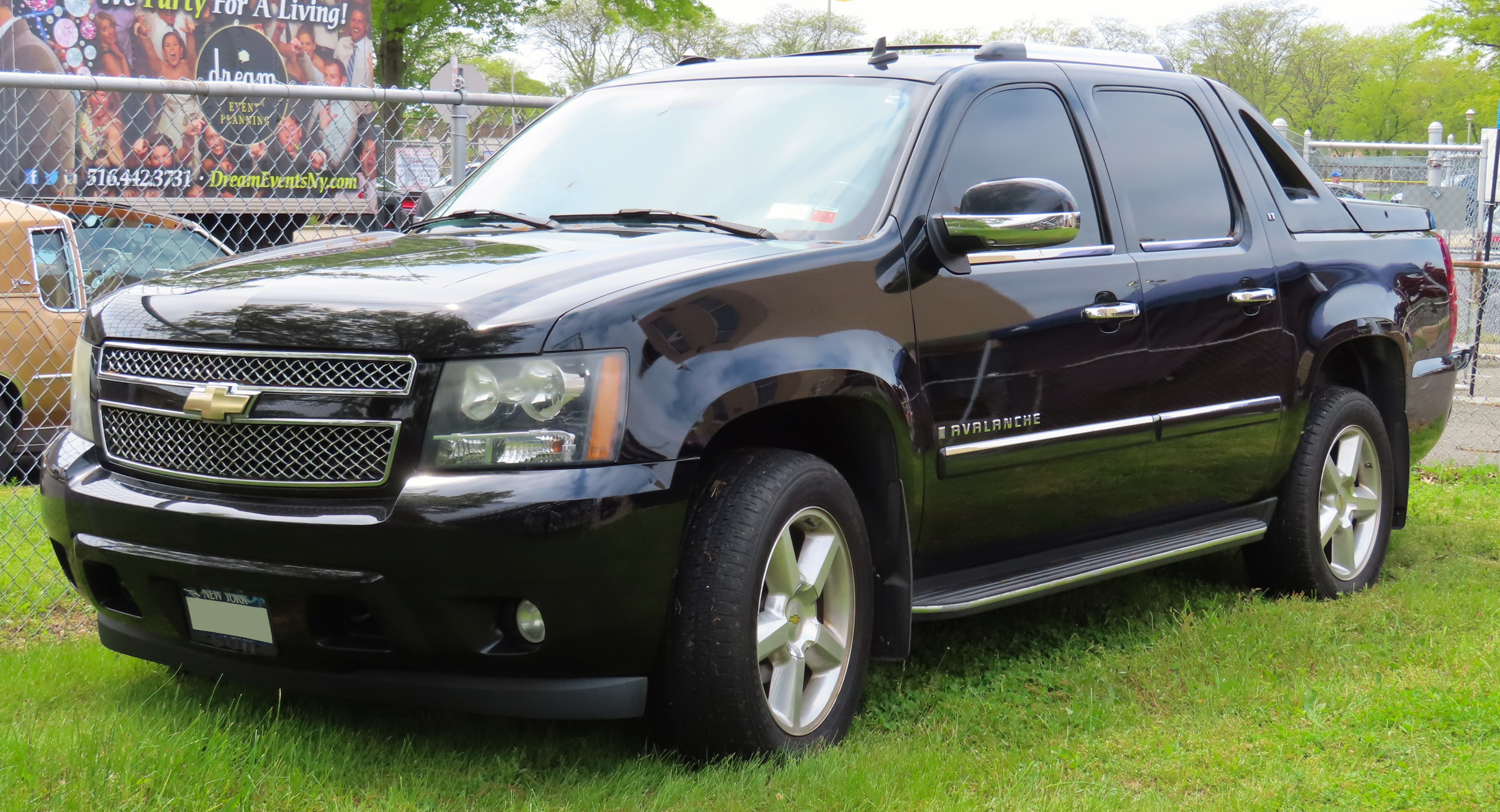
Credit: www.copilotsearch.com
Frequently Asked Questions
What Is The Best Year For A Chevy Avalanche?
Most experts and owners agree that 2006 is the best year for the Chevy Avalanche. It has the fewest reported problems and benefits from years of improvements made during the first generation. 2009 and 2010 are also excellent choices, with better reliability than earlier and later models.
Why Is The 2007 Chevy Avalanche Considered A Bad Year?
The 2007 model introduced the second generation but brought many problems. The biggest issue was the Active Fuel Management (AFM) system, which caused excessive oil consumption and engine failures. Electrical glitches and dashboard cracking were also common, making this year costly to own.
Are Chevy Avalanches Expensive To Repair?
Repair costs for the Avalanche can be high, especially for problematic years. Major repairs like transmission replacement can cost $2,500–$3,500, while engine or AFM problems can reach $4,000. Electronics and interior fixes add more costs. Choosing a reliable year and checking service history helps limit unexpected bills.
How Can I Tell If An Avalanche Has Afm Engine Issues?
Common signs of AFM problems include burning oil, misfiring, rough running, and a check engine light. If you notice blue smoke from the exhaust or need to add oil between changes, the truck may have AFM-related issues. Always test drive and ask about oil consumption before buying.
Is The Avalanche A Good Truck For Towing?
The Chevy Avalanche is a solid towing vehicle, with most models rated between 7,100 and 8,100 pounds. However, avoid years with transmission or engine problems, as these will affect towing reliability. For best results, pick a 2006 or 2009–2010 model and ensure all maintenance is up to date.
Chevy Avalanche ownership can be rewarding if you know which years to avoid and what problems to watch for. Armed with the right information and a careful approach, you can enjoy the Avalanche’s unique versatility without the stress of constant repairs.