If you’re considering a used Nissan Cube, you’re not alone. With its unique boxy design and practical features, the Cube stands out in the world of compact cars. But not every year of this model is a good buy. Some years have earned a reputation for problems, costly repairs, or poor reliability. Knowing which Nissan Cube years to avoid can save you money, time, and frustration down the road.
Let’s take a closer look at the Nissan Cube’s history, the years you should be cautious about, and what makes some years better than others. This guide will help you make a smarter choice, especially if you’re searching for a used vehicle that’s dependable, affordable, and fits your lifestyle.
Nissan Cube Overview
The Nissan Cube first appeared in Japan in 1998, but it didn’t hit the US market until 2009. Its quirky shape, roomy interior, and affordable price made it popular with drivers looking for something different from the typical hatchback or small SUV. The Cube was sold in the United States from 2009 to 2014.
Despite its strengths, the Cube’s history is not perfect. Some years suffer from mechanical issues, while others have better reputations for reliability. Understanding these patterns is key before making a purchase.
Key Features
The Cube is known for:
- Distinctive boxy look
- Spacious interior for its size
- Easy handling and parking
- Good fuel economy
- Affordable price point
But the real question is, which model years deliver these benefits without major headaches?
Nissan Cube Years To Avoid
Not every Nissan Cube is created equal. Certain years are known for serious issues that can lead to expensive repairs and poor ownership experiences. Here’s a closer look at the years you should approach with caution.
2009 Nissan Cube
The 2009 Nissan Cube was the first model year sold in the US. While it attracted attention for its unique design, it also brought several problems:
- Transmission failures: Many owners report CVT (Continuously Variable Transmission) issues. Repairs can cost over $3,000.
- Steering problems: Some drivers experience loss of power steering or weird noises when turning.
- Electrical glitches: Keyless entry malfunctions and dashboard warning lights are common.
- Excessive interior wear: Some interior parts, like the dashboard and door panels, wear out quickly.
This year stands out as the most problematic, especially when it comes to transmission reliability. While not every 2009 Cube will have problems, the risks are higher compared to other years.
2010 Nissan Cube
The 2010 Cube continued to struggle with CVT transmission problems. Although Nissan made some improvements, many owners still faced:
- Transmission replacements before 100,000 miles
- Noisy engine operation and vibration at idle
- Faulty air conditioning: AC failures and poor cooling are reported
This year also had a recall for faulty fuel pressure sensors, which could cause engine stalling. While less troublesome than 2009, the 2010 model is still a risky bet if you want long-term reliability.
2011 Nissan Cube
Nissan addressed some early issues by 2011, but the model was still not trouble-free:
- Transmission shudder: CVT problems persisted, though at a lower rate.
- Suspension noise: Owners mention clunking sounds over bumps.
- Airbag recalls: Some 2011 Cubes were recalled for faulty passenger airbags.
Although the 2011 model is better than previous years, the risk of major repairs remains higher than average.
2012–2014 Nissan Cube
By 2012, Nissan had improved manufacturing quality. These later models are generally more reliable, but there are still a few concerns:
- Occasional transmission complaints: Not as frequent as earlier years, but still present.
- Minor electrical issues: Power windows and locks sometimes fail.
- Parts availability: As the Cube was discontinued in 2014, some replacement parts can be harder to find.
In summary, the 2009, 2010, and 2011 Nissan Cubes are the years with the most significant issues, especially related to the transmission. While 2012–2014 models are better, they still require careful inspection before purchase.
Common Nissan Cube Problems
Understanding the common problems can help you spot red flags when shopping for a used Cube. Here are the main issues that affect problematic years:
Cvt Transmission Failures
The biggest complaint across several model years is the CVT transmission. Nissan’s CVT design in these years is known for:
- Slipping and jerking: The car may not accelerate smoothly.
- Loud whining noises: Especially when starting or accelerating.
- Complete failure: Often before 100,000 miles.
Repairs are expensive and sometimes require a full transmission replacement. Extended warranties sometimes cover these costs, but many owners end up paying out of pocket.
Electrical And Accessory Problems
Many early Cubes have electrical issues:
- Dashboard lights turning on without reason
- Power windows or locks failing
- Keyless entry not working
These problems are often due to faulty sensors or wiring, which can be frustrating and expensive to diagnose.
Airbag Recalls
Several Nissan Cube models (mainly 2011–2012) were part of major airbag recalls. Faulty sensors or modules could prevent airbags from deploying in a crash, increasing the risk of injury.
Interior Quality Concerns
While the Cube’s interior is roomy, the quality of materials in early models is sometimes disappointing. Expect:
- Peeling dashboard finishes
- Loose trim pieces
- Rapid wear on seat fabric
These issues are mostly cosmetic but can make the car feel older than it is.
Fuel System And Engine Stalling
2009 and 2010 Cubes had recalls related to fuel pressure sensors. If these fail, the car may stall unexpectedly—a dangerous situation, especially at speed.
Nissan Cube Model Year Comparison
To help visualize the differences, here’s a summary comparing the main issues and reliability ratings by year.
| Model Year | Major Issues | Transmission Reliability | Recalls | Recommended? |
|---|---|---|---|---|
| 2009 | Transmission, steering, electrical | Poor | Multiple | No |
| 2010 | Transmission, AC, fuel system | Poor | Several | No |
| 2011 | Transmission, airbag, suspension | Below Average | Some | Risky |
| 2012 | Electrical, minor transmission | Average | Few | Yes |
| 2013 | Minor electrical | Good | Few | Yes |
| 2014 | Minor electrical | Good | Few | Yes |
This table shows why the 2009–2011 models are years to avoid if you want to minimize risk and repair costs.
Nissan Cube Years Worth Considering
Not every Cube is a problem. In fact, the later years of production are much more reliable. Here’s why 2012, 2013, and 2014 Cubes are safer bets:
2012 Nissan Cube
The 2012 model saw improvements in transmission reliability and fewer complaints overall. Electrical issues were less severe, and the fuel system recall from earlier years was resolved.
2013 Nissan Cube
By 2013, the Cube had matured. Common strengths include:
- Better build quality
- Fewer transmission complaints
- Improved interior materials
While minor electrical issues still pop up, they are not deal-breakers for most buyers.
2014 Nissan Cube
The final year for the Cube in the US, 2014 models benefit from:
- Refined engineering
- Stable CVT transmission
- Lowest number of recalls
If you want a Cube, the 2014 version is the safest and most trouble-free choice.
Why Transmission Problems Are So Critical
You might wonder why CVT transmission problems matter so much. Here’s the reason: transmission failures are among the most expensive car repairs. For the Nissan Cube, especially in 2009–2011, the CVT can fail well before 100,000 miles. When this happens, costs often reach $3,000–$4,500 for a replacement. Even rebuilt transmissions can be risky, as the root design issues may remain.
What’s worse, early signs of CVT failure—like whining noises or shuddering—can be hard to spot during a short test drive. That’s why many buyers end up with costly surprises after purchase.
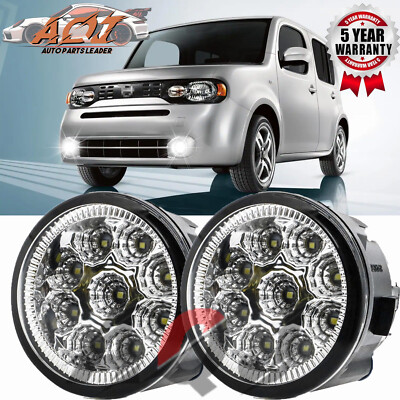
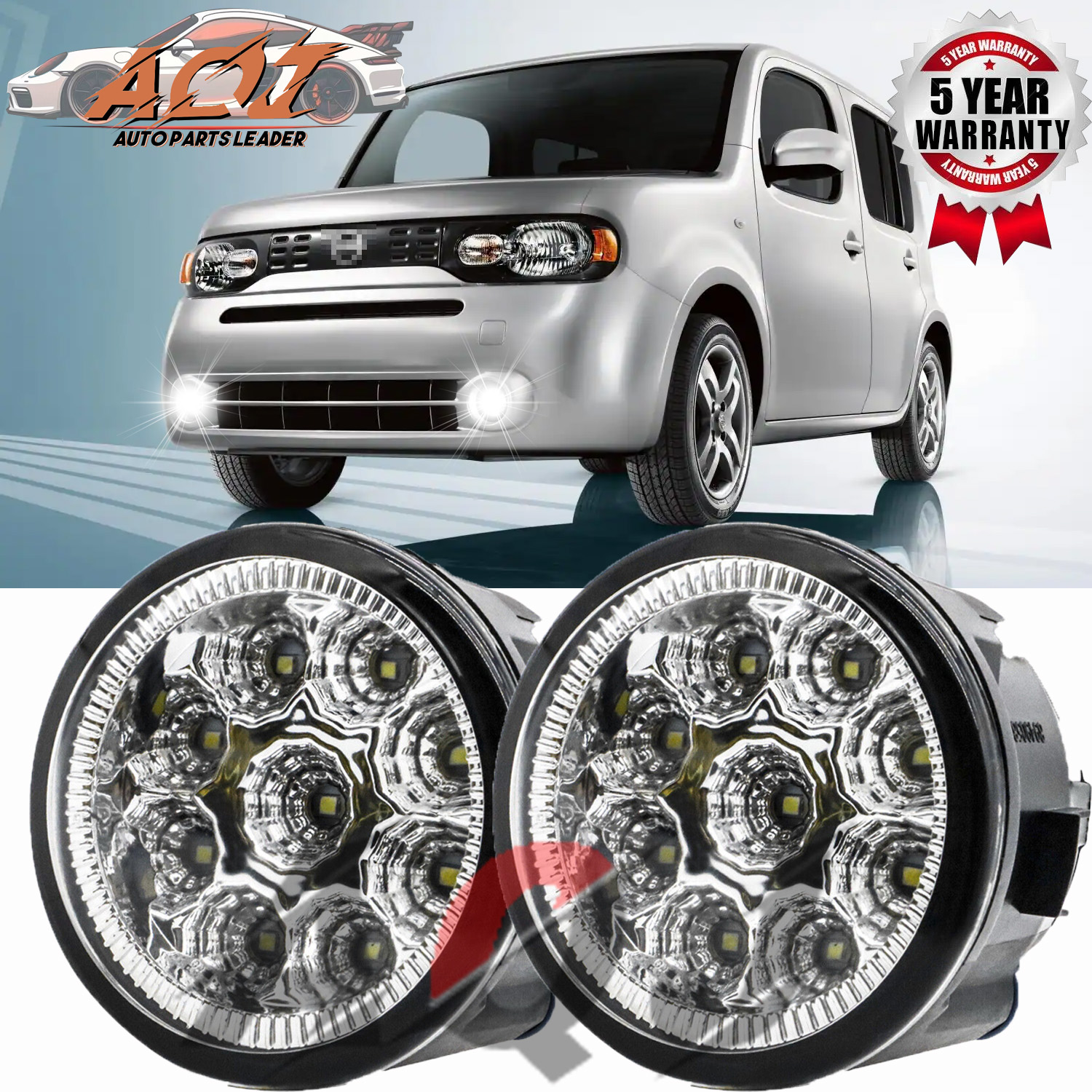
Credit: www.ebay.com
Other Factors To Consider Before Buying
Choosing the right Nissan Cube year is important, but you should also consider:
Mileage
A Cube with lower mileage (under 80,000 miles) is generally a better choice, but only if it’s been well maintained. High-mileage Cubes, especially from problematic years, can be ticking time bombs.
Maintenance History
Always ask for maintenance records. Regular oil changes, transmission fluid changes, and recall repairs are positive signs. If records are missing, walk away.
Location And Climate
Cubes from regions with harsh winters may have rust on the undercarriage. Look carefully at the body and frame. Rust is expensive to fix and can affect safety.
Aftermarket Parts And Modifications
Some owners modify their Cubes with aftermarket wheels, suspension, or audio systems. While this can add personality, poorly installed modifications may cause electrical or mechanical problems.
Availability Of Spare Parts
Since the Cube was discontinued in 2014, some unique parts (like body panels and trim) are harder to find. Mechanical parts, such as brakes and filters, are still available but always check part availability for the exact year you’re considering.
How The Cube Compares To Other Compact Cars
If you’re on the fence about the Cube, it’s smart to compare it with similar vehicles. Let’s see how the Cube stacks up against other compact hatchbacks from the same era.
| Model | Reliability Rating | Known Issues | Unique Features |
|---|---|---|---|
| Nissan Cube (2012–2014) | Above Average | Minor electrical | Boxy design, roomy |
| Kia Soul (2012–2014) | Good | Engine ticking noise | Funky style, good warranty |
| Honda Fit (2012–2014) | Excellent | Occasional electrical | Magic Seat, efficient engine |
| Scion xB (2012–2014) | Good | Paint quality | Spacious, reliable |
The Cube is competitive, but the Honda Fit and Kia Soul offer similar practicality with better long-term reliability.
Two Insights Many Buyers Miss
1. Nissan’s Cvt Warranty Extensions
Nissan extended the CVT warranty for some vehicles due to widespread failures. For the Cube, this means a used 2009–2011 model *may* have had a free transmission replacement if the previous owner acted in time. Always check the car’s VIN at a Nissan dealer to see if the CVT was replaced under warranty.
This can make a big difference in reliability.
2. Insurance And Resale Value
Cubes from the problematic years often have lower resale value and may cost more to insure because of their reliability history. Choosing a 2012–2014 model not only reduces risk but helps retain more value if you decide to sell later.
Tips For Buying A Used Nissan Cube
If you still want a Cube, here’s how to maximize your chances of getting a good one:
- Focus on 2012–2014 models: These years have the best track record.
- Request full maintenance history: Look for consistent oil changes and recall work.
- Test drive for at least 20 minutes: Listen for transmission noises or odd vibrations.
- Check for airbag recall completion: Use the VIN at the NHTSA website to verify.
- Inspect for rust and leaks: Especially in the wheel wells and under the car.
- Review the title: Avoid cars with salvage or rebuilt titles.
How To Spot A Failing Cvt Transmission
Transmission failure is the Cube’s most expensive and common issue. Here’s how to spot warning signs during a test drive or pre-purchase inspection:
- Whining or grinding noise: Listen during acceleration and deceleration.
- Jerky shifting or shudder: The car may feel like it’s vibrating at certain speeds.
- Delayed response: Slow to move when shifting from park to drive.
- Warning lights: Transmission or check engine lights on the dashboard.
If you notice any of these signs, it’s best to walk away or have a mechanic inspect the car before buying.
What Makes The Cube Special?
Even with its problems, the Cube has unique strengths:
- Easy to park: The square design and large windows make it simple to maneuver.
- Roomy interior: Surprising headroom and legroom for a compact car.
- Good city fuel economy: Around 25–31 mpg combined.
- Affordable to insure: If you choose a reliable year.
For drivers who want something different and value practicality, a well-chosen Cube is a fun and useful car.
Real-world Owner Experiences
Many owners love the Cube’s quirky personality and practicality. However, those who bought 2009–2011 models often regret not researching common issues first. Typical stories include:
- Transmission replaced at 70,000 miles (costing $3,500)
- Frequent electrical repairs for door locks and windows
- Interior rattles developing after a few years
On the other hand, owners of 2012–2014 Cubes report fewer serious problems, with some cars reaching over 150,000 miles with only basic maintenance.
Pros And Cons Of The Nissan Cube
Here’s a quick look at the key advantages and disadvantages:
| Pros | Cons |
|---|---|
| Unique design | Early models have major issues |
| Spacious interior | Harder to find parts (post-2014) |
| Affordable used prices | CVT transmission risk |
| Good fuel economy | Not as sporty as rivals |
| Easy to drive and park | Mixed resale value |
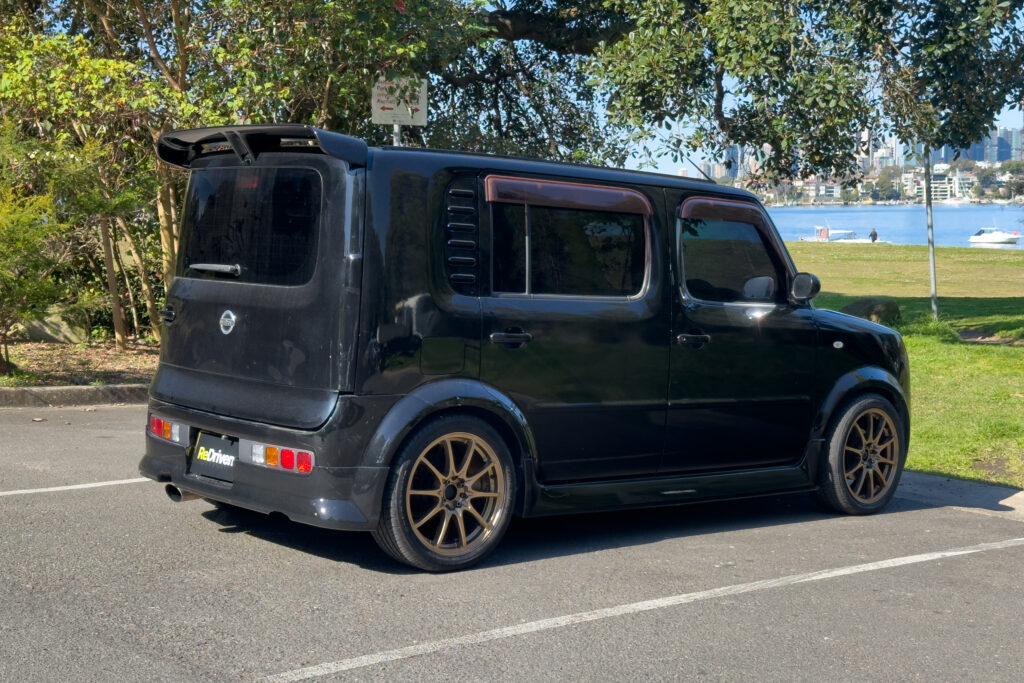
Credit: redriven.com
Should You Buy A Nissan Cube?
If you’re drawn to the Cube’s style and practicality, it can be a great choice—*if* you avoid the problem years. Focus on 2012–2014 models with good maintenance records and no signs of transmission trouble. Remember to factor in the cost and availability of replacement parts, especially as the Cube gets older.
If you’re still unsure, consider other reliable compact cars like the Honda Fit or Kia Soul. These offer similar practicality with fewer risks.
For more details on recalls and reliability, the official NHTSA website is an excellent source.
Frequently Asked Questions
Which Nissan Cube Year Has The Worst Transmission Problems?
The 2009 Nissan Cube has the worst record for CVT transmission failures. Many owners faced expensive repairs well before 100,000 miles. The 2010 model also struggles with similar issues.
Are Nissan Cubes Expensive To Maintain?
Maintenance costs for the Cube are generally moderate, especially for basic items like oil changes, brakes, and filters. However, transmission repairs can be very expensive in the problematic years, often costing several thousand dollars.
How Many Miles Will A Nissan Cube Last?
A well-maintained Cube from a reliable year (2012–2014) can easily reach 150,000–200,000 miles. Avoid high-mileage Cubes from 2009–2011 unless you have proof of a new transmission.
Is The Nissan Cube A Good Family Car?
For small families, the Cube offers a spacious interior and easy access. The rear seats are roomy for kids, and cargo space is decent for the class. However, safety features are basic compared to newer cars.
Why Did Nissan Stop Making The Cube?
Nissan ended Cube production in 2014 mainly due to low sales in the US and shifting consumer interest toward small SUVs and crossovers. The Cube’s unique style appealed to a niche audience, but not enough buyers.
Choosing the right Nissan Cube year can make all the difference. With the right research and careful inspection, you can enjoy all the Cube’s advantages without the pain of unexpected repairs.
Credit: www.ebay.com