The GMC Acadia is a popular midsize SUV that offers plenty of space, comfort, and features for families and adventure seekers. While many Acadia models have earned praise for their reliability and value, some years have struggled with serious problems. If you’re thinking about buying a used GMC Acadia, it’s important to know which years are best avoided, and why. In this article, you’ll find a detailed guide to Acadia years to avoid, common issues, practical tips, and comparison tables to help you make a confident decision.
Gmc Acadia Overview
The GMC Acadia was first introduced in 2007. It quickly became a strong competitor in the midsize SUV market, thanks to its roomy interior, flexible seating, and modern features. Over the years, GMC made changes to the Acadia, from the first generation (2007–2016) to the second generation (2017–present). Each generation brought improvements, but not every model year was problem-free.
The first-generation Acadia stood out with its large body, smooth ride, and the option for eight-passenger seating. It was one of the first crossovers to combine truck-like space with car-like handling. However, the early models also came with new technology and parts that were not yet fully proven.
As a result, many owners experienced issues that became clear only after several years on the road.
In 2017, the Acadia was redesigned. It became slightly smaller and lighter, making it easier to drive and more fuel efficient. The second generation also added more advanced features, including improved safety systems and infotainment. Despite these upgrades, the first year after redesign (2017) brought its own set of problems as GMC worked out the kinks of the new platform.
Why Some Gmc Acadia Years Should Be Avoided
Not all Acadia SUVs offer the same reliability. Some years are known for frequent repairs, expensive fixes, and frustrating issues. These problems can include transmission failures, engine troubles, electrical faults, and leaking components. Buying a problematic model year may lead to high repair bills and lost time.
Knowing which years to avoid helps you save money and stress.
One reason certain years are riskier is that automakers often use the early years of a new design to work out flaws. Problems may not be obvious when the car is new, but appear as the vehicle ages. For example, a timing chain may work fine for the first 60,000 miles, then begin to stretch or slip, leading to engine damage later.
Some buyers find out only after buying that their used Acadia is part of a “bad batch” known for recurring issues.
Another factor is how GMC responded to complaints. In some cases, fixes were delayed, or only partial solutions were offered. This left owners with repeated trips to the mechanic and higher costs than expected.
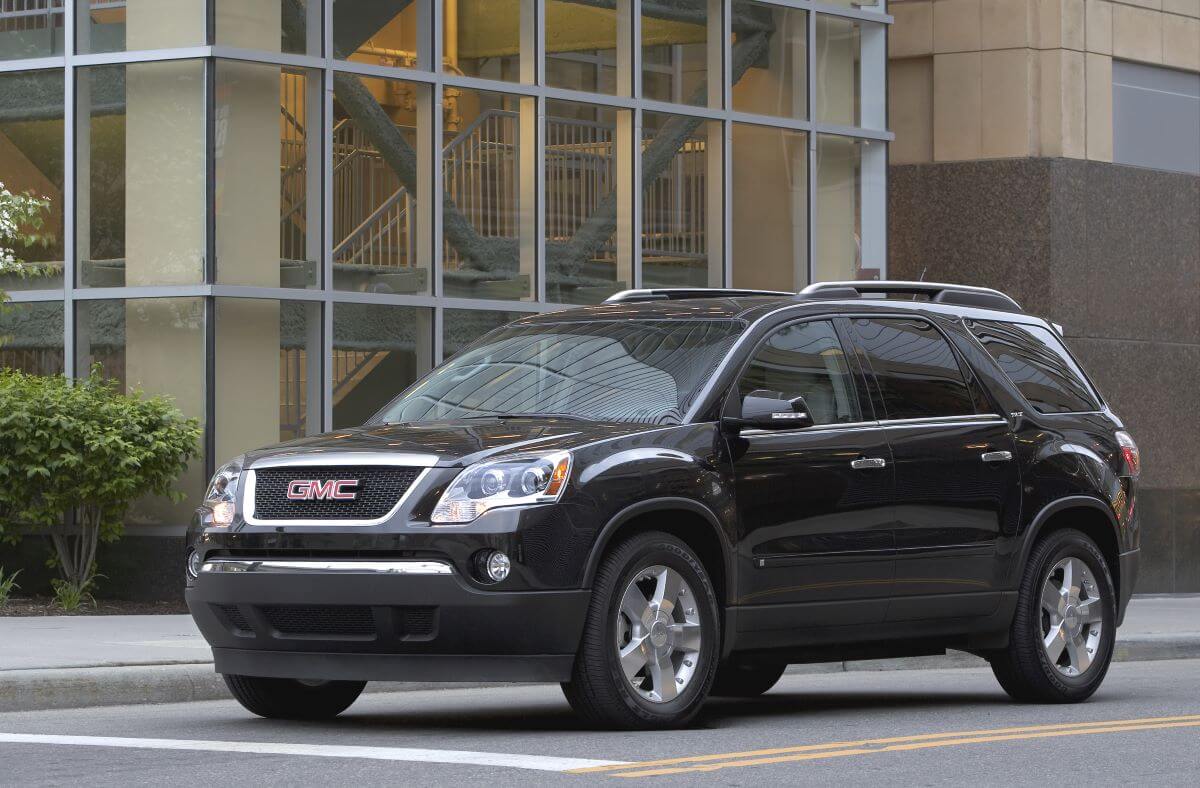
Credit: www.motorbiscuit.com
Most Common Gmc Acadia Problems
Before looking at the specific years to avoid, let’s explore the most frequent issues reported by owners and mechanics. These problems are often the reason why certain years are considered risky.
- Transmission failure: Many Acadia models have suffered from transmission problems, such as slipping, hard shifting, or total failure. Repairs can cost $3,000–$5,000. Sometimes the transmission fails so suddenly that it leaves drivers stranded, which is not just inconvenient but also a safety concern.
- Timing chain issues: The timing chain may stretch or fail, leading to engine damage and costly repairs. When the timing chain stretches, the engine may run poorly, misfire, or even fail to start. If ignored, it can lead to catastrophic engine failure, requiring a rebuild or replacement.
- Water pump leaks: Leaking water pumps can cause overheating and engine problems. Sometimes, the leak is small at first and may go unnoticed, but as coolant levels drop, the engine overheats, potentially causing head gasket failure or warped engine parts.
- Electrical faults: Issues with sensors, wiring, and the dashboard are common, affecting everything from warning lights to power windows. Some owners experience problems with the navigation system, backup camera, or keyless start—features that should make life easier, but instead become sources of frustration.
- AC system failures: Faulty air conditioning systems lead to comfort issues, especially in warmer climates. AC problems range from simple leaks in the lines to complete compressor failure. In some cases, repairs require removing the dashboard, which is labor-intensive and expensive.
- Power steering problems: Loss of power steering can make driving dangerous and uncomfortable. Early signs include whining noises or increased steering effort, especially at low speeds or when parking. Delaying repairs can cause the steering rack or pump to fail completely.
Another overlooked issue is premature rusting in some climates, especially around the liftgate and undercarriage. While not as common as mechanical issues, rust can reduce the value of your Acadia and lead to costly body repairs.
These issues are especially common in certain model years, as shown below.
Gmc Acadia Years To Avoid
Based on owner reports, mechanic advice, and industry data, there are several GMC Acadia years you should avoid if reliability matters most.
2007 Gmc Acadia
The 2007 Acadia was the first year of production, and it came with many teething problems. Owners frequently report:
- Transmission failures (often before 100,000 miles)
- Water pump and timing chain issues
- Electrical system glitches
- Early AC system problems
Repair costs for these issues can quickly add up, making the 2007 model one of the riskiest Acadia years.
Many owners found themselves facing repeated visits to the shop, sometimes for the same problem. The complexity of the new platform, combined with unproven parts, meant even routine maintenance became expensive. Some buyers also mentioned that recalls for this year did not always fully solve the underlying issues.
2008 Gmc Acadia
The 2008 Acadia continued to struggle with problems similar to the 2007 model. Key issues include:
- Persistent transmission failures
- Power steering leaks and failures
- Unreliable sensors and dashboard electronics
Many owners have faced expensive repairs, sometimes multiple times, making this year a poor choice for used buyers.
In addition, the 2008 Acadia sometimes developed leaks in the sunroof drains, leading to water damage inside the cabin. This type of issue is not only annoying but can cause mold and electrical shorts if not caught early.
2009 Gmc Acadia
While some improvements were made, the 2009 Acadia still had major reliability issues. Common complaints:
- Transmission problems remain frequent
- Timing chain failures, especially at higher mileage
- Electrical issues affecting windows, locks, and warning lights
The 2009 model is less risky than earlier years, but still well below average for reliability.
In some cases, owners reported that warning lights would come on unexpectedly, and dealerships sometimes struggled to diagnose the exact cause. This added frustration and cost, as trial-and-error repairs didn’t always fix the root issue.
2011 Gmc Acadia
The 2011 Acadia saw a spike in timing chain and engine problems, as well as transmission complaints. Owners report:
- Timing chain failures leading to engine damage
- Transmission issues, including hard shifting and failure
- Electrical faults affecting the dashboard and sensors
While not as problematic as 2007–2009, the 2011 model is still one to avoid unless you have maintenance records and warranty coverage.
It’s worth noting that some 2011 models experienced early battery drain issues, where the battery would die overnight due to parasitic electrical draw. This can be hard to diagnose and may leave you stranded unexpectedly.
2012 Gmc Acadia
The 2012 Acadia is another year with frequent timing chain, transmission, and AC system failures. Owners often face:
- Timing chain replacement costs ($2,000–$3,500)
- Transmission repairs ($3,000+)
- AC system breakdowns
This model year offers few improvements over earlier ones, so it’s best avoided.
One subtle problem with 2012 models is that AC leaks sometimes develop in hidden areas, making repairs more complicated and leading to repeated service visits. Some owners also mention issues with the liftgate struts failing early, making the rear hatch heavy and hard to open.
2013 Gmc Acadia
The 2013 Acadia continued to struggle with previous issues. Key complaints include:
- Transmission failures
- Timing chain problems
- Electrical faults and sensor errors
While some cosmetic upgrades were made, mechanical reliability was still lacking.
A few owners also reported problems with the infotainment system freezing or rebooting randomly. These issues can be distracting and may point to deeper electrical gremlins.
2017 Gmc Acadia
The 2017 Acadia marked the start of the second generation, but early models had problems:
- Electrical glitches, including faulty sensors
- AC system failures
- Transmission complaints (less frequent than first gen, but still notable)
Newer models show improvement, but the 2017 year had enough issues to warrant caution.
Some 2017 Acadias also developed problems with the start/stop system, where the engine would not restart smoothly after idling. This could be annoying in city traffic and sometimes required software updates or sensor replacements.
Data Comparison: Gmc Acadia Problem Frequency By Year
To visualize which years have the most reported problems, see the table below.
| Model Year | Transmission Issues | Timing Chain Issues | Electrical Problems | AC/Steering Issues |
|---|---|---|---|---|
| 2007 | High | High | High | Medium |
| 2008 | High | Medium | High | High |
| 2009 | High | High | Medium | Medium |
| 2011 | Medium | High | Medium | Low |
| 2012 | Medium | High | Medium | Medium |
| 2013 | Medium | Medium | Medium | Low |
| 2017 | Medium | Low | Medium | Medium |
High means a large number of owner complaints and frequent costly repairs. Medium means notable but not overwhelming issues. Low means fewer complaints, but problems still occur.
It’s important to remember that even “medium” issues can lead to high costs if neglected. For example, ignoring a small transmission slip can turn into a full breakdown over time.
Gmc Acadia Years That Are Generally Safe
While some years are best avoided, other Acadia models have shown improved reliability and fewer complaints.
- 2010
- 2014
- 2015
- 2016
- 2018
- 2019
- 2020–2022
These years have fewer reported problems, especially with transmission and timing chain. However, always check maintenance records and have a trusted mechanic inspect any used SUV.
It’s worth mentioning that no used SUV is perfect. Even in “safe” years, things like wear and tear, previous accidents, or skipped maintenance can lead to problems. That’s why records and inspections are so important.
Common Signs Of Gmc Acadia Problems
If you’re considering a used Acadia, watch for these warning signs:
- Warning lights on the dashboard (check engine, transmission, etc.)
- Strange noises during shifting or acceleration
- Leaks under the vehicle (water pump, steering fluid)
- Jerky or hard shifting when driving
- AC not cooling properly
- Electrical glitches (windows, locks, sensors)
You should also pay attention to uneven tire wear, which may signal suspension or alignment issues. If you notice a musty smell inside, check for signs of water leaks, especially around the sunroof or doors. Slow window operation or unresponsive buttons can be early hints of electrical trouble.
A thorough test drive and inspection can help spot problems before you buy.
Repair Costs: Gmc Acadia Problem Examples
To help you understand the financial risk, here’s a table showing typical repair costs for common Acadia issues.
| Problem | Average Repair Cost | Typical Mileage |
|---|---|---|
| Transmission Failure | $3,000–$5,000 | 80,000–120,000 miles |
| Timing Chain Replacement | $2,000–$3,500 | 90,000–130,000 miles |
| Water Pump Leak | $700–$1,200 | 70,000–110,000 miles |
| AC System Failure | $1,200–$2,000 | 60,000–100,000 miles |
| Electrical Faults | $400–$1,000 | Any mileage |
These numbers are based on owner reports and mechanic estimates. Actual costs can vary by location and shop.
Don’t forget that some of these repairs require the SUV to be out of service for several days, especially if parts are back-ordered or the work is complex. This can be disruptive for families who rely on their car daily.
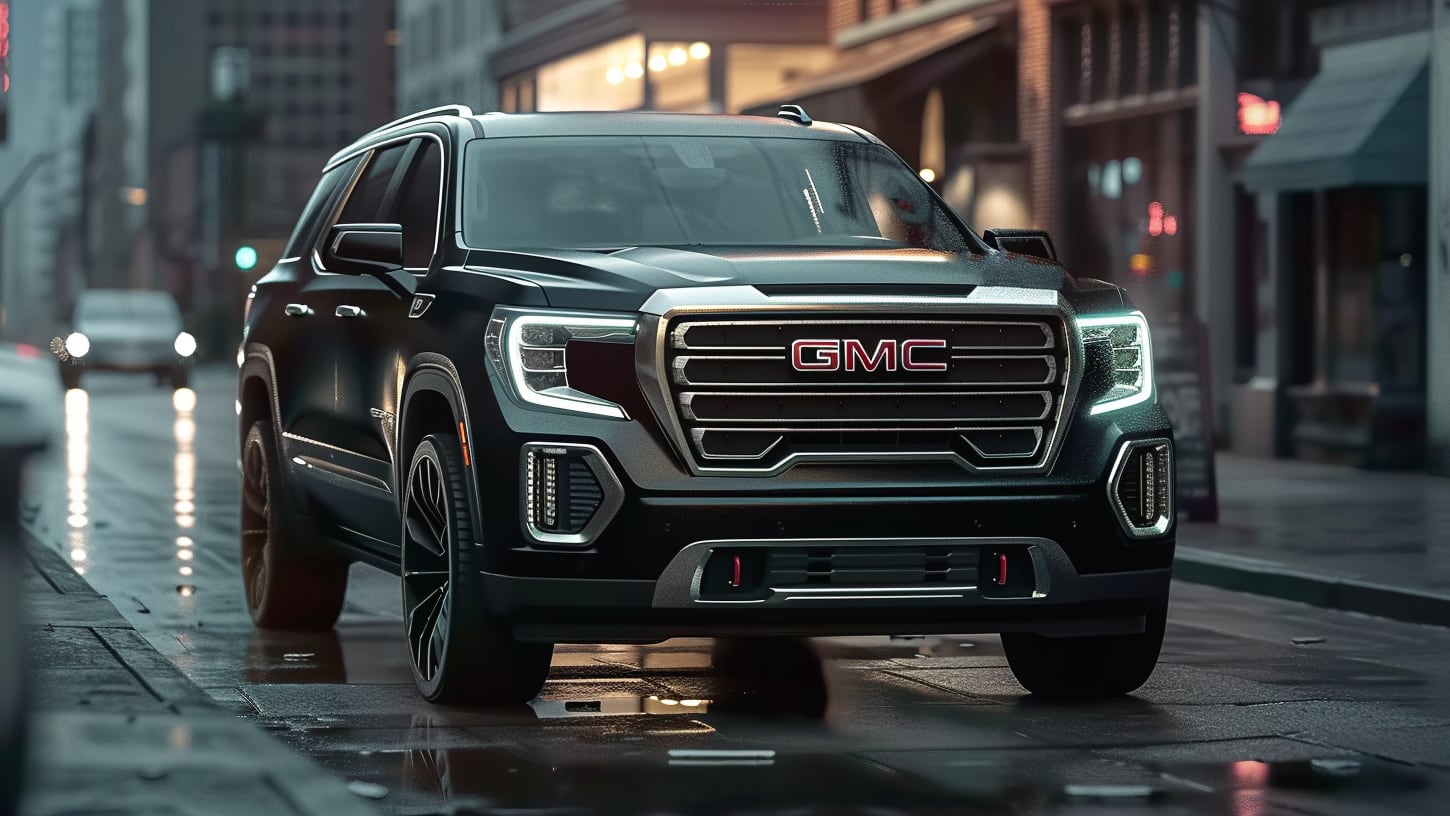
Credit: rerev.com
What Makes Certain Gmc Acadia Years Risky?
Several factors explain why some Acadia years are more likely to have problems:
- First-generation design flaws: The 2007–2012 Acadia models were new to the market. GMC had not fully solved transmission and timing chain issues, leading to widespread failures.
- Supplier changes: Some model years used different suppliers for key parts, like water pumps and sensors. Quality sometimes dropped, causing more breakdowns.
- Delayed improvements: GMC did not address all issues quickly. Some problems persisted for several years, especially in early first-generation models.
- Complex electronics: Later years added more features, but new technology also brought new electrical problems.
Another hidden risk is that some repairs, such as fixing a stretched timing chain, require the engine to be removed. This increases labor costs and the chance of other problems during reassembly.
How To Spot A Good Used Gmc Acadia
Buying a used Acadia can be safe if you follow these steps:
- Avoid risky years: Focus on safer model years (2014, 2015, 2016, 2018, and newer).
- Check maintenance records: Look for regular oil changes, transmission service, and timing chain replacements.
- Get a pre-purchase inspection: Have a trusted mechanic check the SUV for hidden problems.
- Test drive thoroughly: Listen for strange noises, feel for smooth shifting, and check all electronics.
- Ask about warranty coverage: Some dealerships offer extended warranties, which can protect against expensive repairs.
Also, look for signs of a well-cared-for interior and exterior. Faded paint, worn seats, or mismatched tires can suggest rough treatment or neglect. The more complete the service history, the more confident you can be in your purchase.
Comparison: Gmc Acadia Vs Other Midsize Suvs
How does the Acadia compare to other popular SUVs in reliability? Here’s a quick comparison of three popular models.
| Model | Reliability (Consumer Reports) | Major Issues | Repair Costs |
|---|---|---|---|
| GMC Acadia | Below Average (some years) | Transmission, timing chain | High (some years) |
| Toyota Highlander | Above Average | Few major issues | Low |
| Honda Pilot | Average | Transmission (older models) | Medium |
The Toyota Highlander is known for strong reliability, while the Honda Pilot is generally solid but has some transmission issues in older models. The Acadia’s reliability depends heavily on the model year.
Another midsize SUV to consider is the Ford Explorer. While popular, it also has some years with reliability concerns, mostly related to the transmission and turbocharged engine. Comparing several models and test driving each is the best way to find a vehicle that fits your needs and budget.
Non-obvious Insights For Used Acadia Buyers
Many buyers focus only on mileage and price, but there are two important points that often get overlooked:
- Software updates matter: GMC released several software updates for Acadia’s transmission and electronics. A used Acadia with all updates installed often has fewer problems. Ask the seller if updates have been applied.
- Climate affects reliability: Acadia models in hot or humid climates are more likely to develop AC and electrical issues. Try to buy from areas with milder weather if possible.
Another insight is to research common “hidden” problems for your target year on owner forums. For example, some years are known for premature seat wear or paint peeling—issues not always mentioned in official recalls but common among owners.
These details can make a big difference in long-term ownership satisfaction.
Practical Tips For Buying A Used Gmc Acadia
To help you avoid common mistakes, here are practical tips based on real-world experience:
- Don’t rely only on Carfax: While Carfax reports are useful, they may miss some repairs or accidents. Always ask for maintenance records and inspect the SUV yourself.
- Look for recalls: Check if the model year had major recalls and whether they were fixed. Ignoring recalls can lead to safety risks and expensive repairs.
- Test all electronics: Turn on every feature—windows, locks, radio, AC, sensors—during your test drive. Electrical problems are often missed until after purchase.
- Negotiate price based on risk: If you’re considering a risky year, ask for a lower price to offset possible repair costs.
- Ask about previous owners: SUVs with fewer owners tend to have better maintenance history.
If you find an Acadia with only one previous owner, regular maintenance, and all recalls addressed, it’s a much safer bet than a cheaper SUV with a patchy history.
How The Gmc Acadia Changed Over Time
The Acadia has gone through major changes since its launch. Understanding these changes can help you choose the right model.
- First generation (2007–2016): Larger, heavier, more seating. Suffered from transmission and timing chain issues.
- Second generation (2017–present): Smaller, lighter, improved handling. Early second-gen models (2017) had electrical and AC problems, but newer models are more reliable.
GMC responded to owner complaints by improving parts and software, but it took several years for reliability to catch up.
The second generation also introduced more advanced driver aids, such as lane-keeping assist and adaptive cruise control. If these features are important to you, focus on 2019 and newer models, as they tend to be more refined and trouble-free.

Credit: www.woodhousebuickgmc.com
Should You Buy A Used Gmc Acadia?
If you need a spacious, comfortable SUV and can avoid problematic years, the Acadia can be a good choice. However, if you choose a risky year, you may face high repair costs and frequent trips to the mechanic. Many buyers prefer the Toyota Highlander or Honda Pilot for better reliability, but Acadia models from 2014 onward are much improved.
Remember, the right used Acadia can offer a great balance of space, comfort, and features. Just make sure you do your homework and don’t rush the buying process.
What To Do If You Already Own A Risky Acadia Year
If you own a GMC Acadia from a risky year, there are steps to reduce problems:
- Follow strict maintenance schedules: Regular oil changes and transmission service can prevent some issues.
- Install software updates: Ask your dealer about updates for transmission and electronics.
- Replace parts early: Don’t wait for timing chain or water pump problems. Replacing them before they fail can save money.
- Keep records: Document all repairs and maintenance. This helps with resale and warranty claims.
Also, joining an owner’s forum can help you stay ahead of common problems. Owners often share solutions and tips for DIY maintenance that can save money and time.
Where To Find Reliable Gmc Acadia Information
Reliable information is key for buyers and owners. Trusted sources include:
- Owner forums (such as AcadiaForum.net)
- Official GMC dealer websites
- Consumer Reports reliability scores
- Mechanic reviews and inspection reports
For detailed recalls and technical bulletins, visit the official GMC website or the National Highway Traffic Safety Administration (NHTSA). For more in-depth statistics and recalls, check NHTSA.
You can also find video reviews and real-world owner experiences on platforms like YouTube, which often cover things overlooked by written reviews.
Frequently Asked Questions
What Are The Worst Gmc Acadia Years For Transmission Problems?
The worst years for transmission failure are 2007, 2008, and 2009. Owners report frequent breakdowns, often before 100,000 miles. Repairs are expensive and sometimes require full replacement. 2011 and 2012 also have notable transmission complaints, but not as severe as earlier models.
Is The 2017 Gmc Acadia Reliable?
The 2017 Acadia is better than first-generation models but still has electrical glitches and some AC system failures. Reliability improved in 2018 and newer models. If you buy a 2017, check for completed recalls and software updates.
How Can I Avoid Buying A Problematic Gmc Acadia?
To avoid buying a risky Acadia:
- Focus on safer years (2014, 2015, 2016, 2018, and newer)
- Check maintenance records and recall history
- Get a pre-purchase inspection
- Test drive and check all features
Avoid years with high owner complaints and expensive repairs.
Are There Any Gmc Acadia Years With No Major Problems?
No year is completely problem-free, but 2014, 2015, 2016, 2018, and newer have far fewer complaints and better reliability. Still, regular maintenance and inspection are important before purchase.
What Is The Average Lifespan Of A Gmc Acadia?
With proper maintenance, a GMC Acadia can last 150,000–200,000 miles. Risky years may suffer major failures earlier, especially with poor maintenance. Safer years and regular care can help the SUV reach higher mileage.
Buying a used GMC Acadia is a big decision. By understanding which years to avoid, common issues, and how to spot a good SUV, you can save money and enjoy reliable driving. Always research, inspect carefully, and choose wisely.