

The Toyota Highlander Hybrid has earned a strong reputation for reliability, comfort, and fuel efficiency. Since its debut in 2006, this midsize SUV has attracted families and commuters who want the practicality of a three-row crossover with the savings of hybrid technology.
But like any long-running vehicle model, not every year is created equal. Some Toyota Highlander Hybrid years have delivered a nearly trouble-free experience, while others have left owners frustrated with unexpected repairs and high costs.
If you’re thinking about buying a used Highlander Hybrid, it’s smart to know which years to avoid. This guide will help you make a confident choice by highlighting problematic model years, explaining common issues, and sharing what makes some years much better than others.
By the end, you’ll know which Toyota Highlander Hybrid years to avoid and why, plus how to spot a great deal on the used market.
How The Toyota Highlander Hybrid Evolved
The Toyota Highlander Hybrid was first introduced in 2006 as a response to rising fuel prices and growing interest in green technology. Its combination of a gas engine and electric motors allowed drivers to save on fuel without giving up space or comfort.
Over the years, Toyota has updated the Highlander Hybrid with new designs, better technology, and improved safety features.
- First Generation (2006–2007): The first Highlander Hybrid set the stage with a V6 engine and Toyota’s Hybrid Synergy Drive. It was one of the first SUVs to offer hybrid efficiency in a family-friendly package.
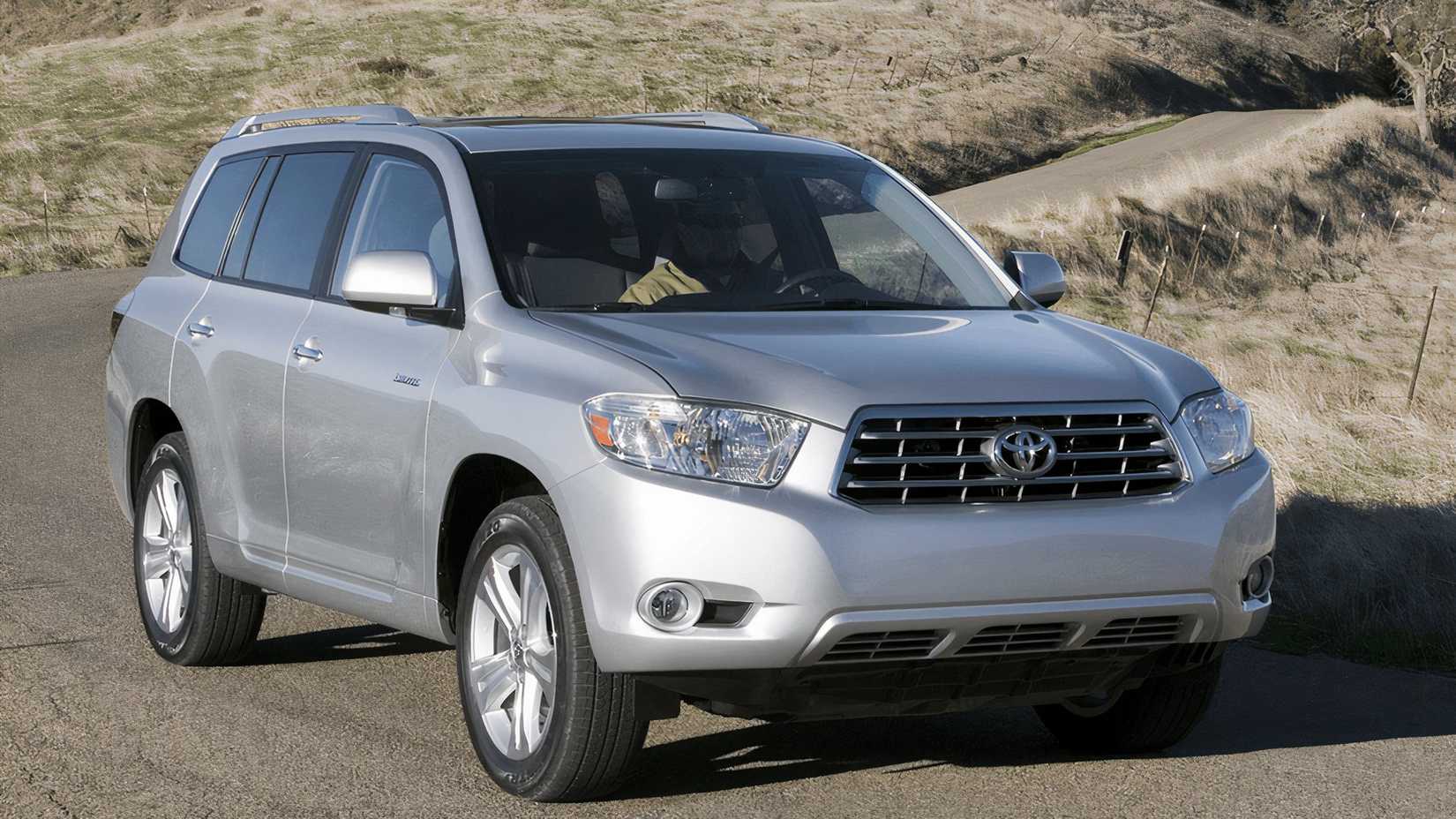
- Second Generation (2008–2013): Toyota improved the powertrain and added more advanced safety features. The exterior and interior also became more modern.
- Third Generation (2014–2019): These models brought more space, advanced technology, and improved ride quality. The hybrid system became more refined.
- Fourth Generation (2020–present): The newest Highlander Hybrids are more efficient than ever, with advanced infotainment and driver-assist features.
Understanding these generations is key because most major reliability problems are tied to specific generations and years.
Toyota Highlander Hybrid Years To Avoid
Not all Highlander Hybrids are equal when it comes to reliability. Some years have frequent issues that can mean costly repairs or frustrating ownership. Here are the main years experts and owners recommend avoiding, along with why they stand out for the wrong reasons.
2006–2007: Early Hybrid Hiccups
The first Highlander Hybrid models brought new technology to the SUV world, but with it came teething problems. Owners of 2006 and 2007 models reported several issues:
- Hybrid Battery Failure: Early hybrid batteries sometimes failed as soon as 70,000–100,000 miles, leading to repair bills over $3,000.
- Inverter Problems: The hybrid inverter, which manages the electric current, often failed and was expensive to replace.
- Braking Issues: Some drivers experienced a spongy brake pedal or sudden loss of braking power, mostly due to the hybrid braking system.
The hybrid technology was still new, and Toyota had not yet ironed out all the bugs. Many owners found themselves facing major repair costs that wiped out the fuel savings.
2008–2010: Transmission And Engine Concerns
The second generation brought a more powerful engine and better safety, but 2008–2010 Highlander Hybrid years had their own set of headaches:
- Transmission Problems: Some Highlander Hybrids from these years suffered from shuddering, slipping, or failure of the hybrid transmission. Repair costs can be more than $4,000.
- Oil Leaks: The 3.3L V6 engine was prone to oil leaks, especially from the valve cover gasket. Left unchecked, these leaks could lead to engine damage.
- Water Pump Failure: Premature water pump failure was another common problem, sometimes as early as 60,000 miles.
These years also had more electronics than earlier models, and some owners complained about navigation system glitches and failing sensors.
2013: Electrical Gremlins And Hybrid Woes
While not as problematic as the earliest models, 2013 stands out for an uptick in reports about:
- Electrical System Failures: Complaints ranged from dead batteries to malfunctioning power liftgates and infotainment systems.
- Hybrid System Warning Lights: Many owners saw the dreaded “Check Hybrid System” warning, which can be triggered by many different issues—from small sensor failures to expensive inverter or battery repairs.
By 2014, Toyota fixed many of these problems, but the 2013 Highlander Hybrid can still be a risky choice for buyers who want a trouble-free ride.
2020: New Generation, New Issues
The fourth-generation Highlander Hybrid, launched in 2020, brought excellent fuel economy and a more modern cabin. However, the 2020 model year was not perfect:
- Software Glitches: Early production vehicles had bugs in the infotainment system, causing freezing screens or Bluetooth failures.
- Build Quality Concerns: Some owners reported rattling trim or loose interior panels, possibly due to rushed production during a model changeover.
- Fuel Economy Shortfall: While EPA ratings were impressive, some 2020 owners found their real-world fuel economy was lower than expected.
These issues aren’t as severe as hybrid battery or inverter problems, but they can be annoying and lower the ownership experience.

Credit: www.youtube.com
Data Insights: Reliability By Model Year
To help you compare, here’s a summary of reported reliability issues by year, using data from sources like Consumer Reports, CarComplaints, and owner forums.
| Model Year | Main Problems | Average Repair Cost | Reported Complaints* |
|---|---|---|---|
| 2006–2007 | Hybrid battery, inverter, brakes | $2,500–$4,500 | High |
| 2008–2010 | Transmission, oil leaks, water pump | $1,200–$4,200 | Moderate–High |
| 2013 | Electrical, hybrid system warnings | $800–$3,000 | Moderate |
| 2020 | Infotainment, build quality, MPG | $500–$1,000 | Moderate |
*Reported complaints based on owner feedback and major reliability surveys.
Why These Years Stand Out
It’s important to understand why certain years are more problematic than others. Many issues come down to new technology or major design changes. When Toyota introduced the hybrid system, there was a learning curve. Later, as more electronics and features were added, new problems appeared. Sometimes, the first year of a new generation (like 2020) brings unexpected bugs that get fixed in later years.
Another factor is the cost of repairs. Hybrid-specific parts, such as the battery and inverter, are much more expensive than regular SUV parts. Even a small failure can mean a big bill, so reliability is extra important.

Credit: www.youtube.com
Which Toyota Highlander Hybrid Years Are Safe To Buy?
Now that you know which years to avoid, let’s look at the best years for a worry-free Highlander Hybrid experience. These years have fewer owner complaints, lower repair costs, and better long-term reliability.
- 2011–2012: Toyota improved the hybrid system and transmission. Most owners report smooth performance and few major repairs.
- 2014–2019: These models benefit from better build quality, updated technology, and a more robust hybrid system. They also offer better safety features.
- 2021–Present: After the initial glitches of 2020, Toyota quickly fixed most bugs. These Highlander Hybrids are among the most reliable and efficient yet.
If you want the best mix of value, features, and peace of mind, focus your search on these years.
Common Toyota Highlander Hybrid Problems Explained
Even in the best years, no vehicle is perfect. Here’s what to watch out for in the Highlander Hybrid, especially if you’re shopping used.
Hybrid Battery Replacement
The hybrid battery is a big part of what makes the Highlander Hybrid special, but it doesn’t last forever. Most batteries are good for 150,000–200,000 miles, but early models often failed sooner. Replacing a battery can cost $3,000 or more, though prices are coming down as more aftermarket options appear.
Pro Tip: If you’re buying a used Highlander Hybrid with over 100,000 miles, ask for the battery’s service history. A battery that’s already been replaced is a big plus.
Inverter Malfunctions
The inverter controls the flow of electricity between the battery and electric motors. If it fails, the car can lose power or go into “limp mode. ” Repairs often cost $2,000–$4,000.
Transmission Issues
Some Highlander Hybrids (especially 2008–2010) have had transmission problems. Symptoms include harsh shifting, slipping, or shuddering. These issues often get worse over time and can mean a full transmission replacement.
Braking System Quirks
Hybrid braking systems use both electric and hydraulic components. Some owners notice a spongy pedal feel or sudden changes in braking power. While not always dangerous, it can be unsettling.
Electrical And Infotainment Bugs
Modern Highlander Hybrids have more electronics than ever. Problems can include:
- Frozen infotainment screens
- Bluetooth pairing failures
- Random warning lights
While these issues are less expensive to fix than hybrid system problems, they can be frustrating.
Comparing Highlander Hybrid To Other Hybrid Suvs
If you’re considering a Highlander Hybrid, you might also look at similar vehicles. Here’s a side-by-side comparison of the Highlander Hybrid with two other popular hybrid SUVs: the Ford Explorer Hybrid and the Honda Pilot Hybrid (concept/coming soon).
| Model | Fuel Economy (MPG, Combined) | Reliability Score* | Average Repair Cost | Pros | Cons |
|---|---|---|---|---|---|
| Toyota Highlander Hybrid | 35–36 | 4.5/5 | $400–$700/year | Excellent reliability, good resale, family-friendly | Expensive hybrid repairs, third row tight for adults |
| Ford Explorer Hybrid | 27–28 | 3.5/5 | $500–$900/year | Strong towing, powerful engine | Lower MPG, more recalls, higher depreciation |
| Honda Pilot Hybrid* | Est. 30–32 | N/A | N/A | Spacious, predicted reliability | Not yet available, unknown real-world data |
*Reliability Score based on Consumer Reports and J. D. Power data.
Real-world Owner Experiences
Listening to actual Highlander Hybrid owners is a great way to spot patterns that don’t always show up in data. Here are some real experiences:
- Early Battery Failure: A 2007 owner shared, “We loved the car until the battery died at 90,000 miles. Dealer wanted $3,800 to fix it.”
- 2010 Transmission Trouble: Another driver wrote, “Our 2010 started shuddering at 70 mph. Dealer said it was the transmission. Cost us nearly $4,000.”
- 2015 Peace of Mind: A family with a 2015 Highlander Hybrid said, “We’ve put 120,000 miles on it with only regular maintenance. Couldn’t be happier.”
- 2020 Tech Frustration: One new owner reported, “Infotainment freezes almost every week. Dealer reset it, but it came back.”
These stories match the trends seen in reliability surveys: major hybrid repairs are rare in recent models, but early years can be risky.
How To Spot A Good Used Highlander Hybrid
If you’re shopping for a used Toyota Highlander Hybrid, follow these steps to avoid costly surprises:
- Check the Vehicle History: Look for accidents, flood damage, and major repairs. Services like Carfax can help.
- Ask About Hybrid System Warranty: Toyota’s hybrid components often have longer warranties—up to 8 years or 100,000 miles (or even longer in some states).
- Get a Pre-Purchase Inspection: A trusted mechanic can check for warning lights, battery health, and leaks.
- Test Drive Thoroughly: Listen for unusual noises, check the infotainment system, and pay attention to the brake feel.
- Review Service Records: Regular maintenance is key. Avoid cars with missing or spotty service history.
Hidden tip: Many buyers focus on mileage, but a well-maintained Highlander Hybrid with higher miles is often a better choice than a neglected low-mile car. Maintenance matters more than mileage.
The True Cost Of Ownership
While Highlander Hybrids are known for saving fuel, repairs can erase those savings if you pick the wrong year. Here’s a quick overview of average ownership costs by model year range:
| Year Range | Estimated Annual Maintenance | Major Repair Risk |
|---|---|---|
| 2006–2007 | $900–$1,400 | High (battery, inverter) |
| 2008–2010 | $800–$1,200 | Moderate (transmission) |
| 2011–2012 | $600–$900 | Low |
| 2014–2019 | $500–$800 | Very Low |
| 2020–2021 | $550–$850 | Low (tech bugs) |
Hybrid repairs are less likely in 2014–2019 and newer models, making them a smarter buy for most people.
Key Factors When Choosing A Used Highlander Hybrid
When you’re comparing different Highlander Hybrid years, focus on these factors:
- Battery Health: Replacement is expensive, so check the battery’s age and warranty status.
- Service History: Cars with full records are less likely to have hidden problems.
- Recalls Completed: Make sure all safety recalls have been addressed.
- Ownership Costs: Include insurance, taxes, and potential repairs in your budget.
A smart buyer looks past the sticker price and thinks about the total cost of owning the car over several years.
Practical Tips For A Longer-lasting Highlander Hybrid
If you already own a Highlander Hybrid or plan to buy one, here are some ways to keep it running smoothly:
- Follow the Maintenance Schedule: Don’t skip oil changes, brake fluid, or hybrid system checks.
- Drive Gently: Hard acceleration and braking put extra stress on the hybrid system.
- Keep the Battery Cool: Park in the shade or garage when possible. Heat shortens battery life.
- Watch for Warning Lights: Don’t ignore the “Check Hybrid System” message. Quick action can prevent bigger repairs.
Many owners get over 200,000 miles from their Highlander Hybrid with just basic care.
Credit: carbuzz.com
Frequently Asked Questions
Which Toyota Highlander Hybrid Year Is Most Reliable?
The 2014–2019 Highlander Hybrid models are considered the most reliable, with few major complaints and strong owner satisfaction.
Is It Worth Buying A Used Highlander Hybrid From The Years To Avoid?
Buying from the problematic years (2006–2007, 2008–2010, 2013, and 2020) is risky unless the car has full service records and recent hybrid system repairs. Even then, the chance of expensive repairs is higher.
How Long Does The Highlander Hybrid Battery Last?
Most Highlander Hybrid batteries last 150,000–200,000 miles. Early models sometimes failed sooner, but newer batteries are more robust.
Are Repairs On The Highlander Hybrid More Expensive Than Regular Suvs?
Yes. Hybrid-specific repairs (like the battery or inverter) cost more than regular SUV parts. Routine maintenance is similar, but major hybrid repairs are pricier.
Where Can I Find More Data On Highlander Hybrid Reliability?
Check owner forums, Consumer Reports, and authoritative sites like NHTSA for detailed reliability and recall information.
Choosing the right Toyota Highlander Hybrid year makes all the difference. If you avoid the trouble years and focus on well-maintained models from 2014 or newer, you’ll likely enjoy years of trouble-free driving, great gas mileage, and the comfort that Highlander owners love.
Take your time, do your research, and you’ll find an SUV that fits your needs without nasty surprises down the road.