The Lexus RX has built a reputation as one of the best midsize luxury SUVs on the market. Known for its smooth ride, reliability, and upscale features, the RX is a popular choice for families and professionals. But not every RX model year is perfect. If you’re thinking about buying a used Lexus RX, it’s important to know which years are best avoided. Some models have faced mechanical problems, poor reliability scores, or high repair costs that can turn your luxury dream into a headache.
This guide explains which Lexus RX years to avoid, why they have issues, and what you should look for when shopping. You’ll also find tips on what makes a good used RX, common mistakes to avoid, and direct comparisons between problematic and recommended years.
By the end, you’ll be ready to make a confident choice and get the most value from your purchase.
Why Lexus Rx Remains Popular
The Lexus RX has dominated the luxury SUV segment since its debut in 1998. Drivers love its comfortable interior, quiet cabin, and strong resale value. Over the years, Lexus has improved the RX with new technology and safety features, making it a reliable long-term investment for many owners.
However, like any vehicle, some model years have faced recalls, manufacturing issues, or design flaws. Even a brand with an excellent reputation like Lexus has had off years. Understanding the RX’s history can help you avoid costly mistakes and enjoy all the benefits this SUV can offer.
Lexus Rx Generations At A Glance
Before diving into the years to avoid, it helps to understand the RX’s different generations. Each generation brought new designs, engines, and technology—along with unique strengths and weaknesses.
| Generation | Years | Main Features |
|---|---|---|
| First | 1999-2003 | Debut, V6 engine, basic luxury features |
| Second | 2004-2009 | Redesign, RX 400h hybrid, improved safety |
| Third | 2010-2015 | RX 350/450h, better tech, more space |
| Fourth | 2016-2022 | Bolder styling, RX 350L, advanced safety |
| Fifth | 2023-present | Latest tech, turbo & hybrid options |
Most problems are found in the second, third, and early fourth generations. Newer models have fewer complaints thanks to better quality control and updated engineering.
Lexus Rx Years To Avoid: The Main Offenders
While the RX is generally reliable, certain years stand out for frequent issues. Here are the Lexus RX years to avoid, along with details on what went wrong.
1. 2007 Lexus Rx
The 2007 RX is often flagged by owners and mechanics as a year to avoid. The most common complaint is engine failure due to oil sludge build-up. This happens when oil circulation is poor, causing the engine to overheat and wear out prematurely. Many owners faced expensive repairs, sometimes needing a full engine replacement.
Other issues include:
- Dashboard melting: The dashboard can become sticky and shiny, making it hard to see and lowering resale value.
- Transmission problems: Some drivers reported rough or delayed shifting.
- Electrical glitches: Power windows and door locks may fail without warning.
While Lexus did respond to some complaints, repairs are not always covered by warranty. This year can be a risky buy unless you have proof of regular maintenance.
2. 2008 Lexus Rx
Like the 2007 model, the 2008 RX suffers from engine sludge and melting dashboards. Reports of premature engine failure are lower than 2007, but still significant. Owners also note:
- Premature brake wear: Brakes may need replacement much earlier than expected.
- Navigation system glitches: The touch screen can freeze or stop working.
- Suspension noise: Front suspension parts may wear out, leading to clunks and rattles.
If you’re considering a 2008 RX, have a trusted mechanic inspect the engine and electronics carefully. Repairs can get expensive if problems appear.
3. 2010 Lexus Rx 350
The 2010 RX 350 introduced a new body style, but also new problems. The most serious are excessive oil consumption and steering system issues.
Key complaints:
- Oil burning: Some engines use oil quickly, sometimes a quart every 1,000 miles. This can lead to engine damage if not checked regularly.
- Power steering failure: The steering may feel stiff or unresponsive. Replacing the steering column or rack can cost thousands.
- Braking system recalls: Some models were recalled for faulty brake actuators that could increase stopping distance.
These problems make the 2010 RX 350 a risky long-term buy unless all recall work has been done and there’s a clear service history.
4. 2016 Lexus Rx
The 2016 RX was the start of a new generation with bold styling and advanced tech. But early models had infotainment system bugs and transmission hesitation.
Issues include:
- Touchpad frustration: The infotainment touchpad is hard to use and can distract drivers.
- Transmission lag: Some owners notice hesitation or jerky shifting at low speeds.
- Paint peeling: A number of 2016 RXs have paint that chips or peels prematurely, especially on the hood and roof.
- Wind noise: The sharper design led to complaints of more road and wind noise at highway speeds.
While not as serious as engine failures, these problems can annoy owners and hurt resale value.
5. 2017 Lexus Rx
The 2017 RX continued with many of the same issues as 2016. The infotainment system remains unpopular, and some electronics are less reliable than earlier models.
Other noted problems:
- Bluetooth connection issues: Phones may disconnect or fail to pair.
- Advanced safety system glitches: Features like lane departure warning and adaptive cruise control can behave unpredictably.
- Climate control failures: Some owners report the AC or heater stops working correctly.
Again, these are not major mechanical failures, but they lower the driving experience and can lead to higher repair costs.
Why These Years Stand Out
When a luxury SUV has a bad year, it’s usually due to new technology, poor materials, or rushed production. Here’s why the above RX years are best avoided:
- 2007-2008: Engine sludge and melting dashboards are expensive to fix and can lower safety.
- 2010: Oil consumption and steering failures can shorten the life of the SUV.
- 2016-2017: Tech bugs and paint problems can cost more to fix than they seem, especially after warranties expire.
These issues are confirmed by owner complaints, recall records, and reliability ratings from sources like J. D. Power and Consumer Reports.
Rx Years With Notable Recalls And Lawsuits
Some RX years were subject to major recalls or even lawsuits. Here are a few examples:
- 2007-2008 dashboard melting: Owners joined class action lawsuits against Toyota/Lexus for sticky, unsafe dashboards.
- 2010-2011 brake actuator recall: Lexus recalled thousands of RX 350s for a brake issue that could increase stopping distance.
- 2016-2017 paint recall: Some RXs were part of a “Customer Support Program” for premature paint peeling, but not all owners received full coverage.
Before buying any used RX, check the VIN at the National Highway Traffic Safety Administration (NHTSA) website to see if all recalls have been addressed.
Lexus Rx Reliability By Year: Quick Comparison
To help you see the bigger picture, here’s a comparison of RX reliability ratings from J. D. Power and Consumer Reports. This table focuses on the model years most relevant to buyers today.
| Model Year | Reliability Score (out of 5) | Owner Complaints (NHTSA) |
|---|---|---|
| 2007 | 2.5 | 250+ |
| 2008 | 3.0 | 175+ |
| 2010 | 3.0 | 220+ |
| 2012 | 4.0 | 75 |
| 2015 | 4.5 | 60 |
| 2016 | 3.0 | 180+ |
| 2017 | 3.5 | 145+ |
| 2018 | 4.5 | 40 |
| 2020 | 5.0 | 20 |
Notice how the best years have fewer complaints and higher reliability scores. The years to avoid stand out for their low ratings and high numbers of owner complaints.
Common Issues In Lexus Rx Years To Avoid
Some problems are unique to a specific year, but many appear across several years. Here are recurring issues found in the worst Lexus RX models:
Engine Problems
- Oil sludge: Thick oil forms in the engine, blocking lubrication and causing overheating.
- Excessive oil consumption: Owners must add oil frequently between changes, risking engine damage if ignored.
- Premature engine failure: When oil problems aren’t fixed, the engine can seize or fail completely.
Dashboard And Interior Issues
- Melting dashboards: Heat and sunlight cause the dashboard to become sticky, shiny, and unsafe.
- Peeling interior trim: Leather and plastic parts may wear out quickly, hurting resale value.
Electronics And Infotainment
- Touchscreen failures: Navigation and audio screens can freeze or stop responding.
- Bluetooth and safety tech glitches: Features may work only sometimes, or not at all.
Transmission And Steering
- Transmission hesitation: Slow or rough shifting, especially at low speeds.
- Power steering issues: Stiff or unresponsive steering, sometimes needing expensive repairs.
Paint And Body
- Peeling paint: Especially on the roof and hood, leading to rust if ignored.
- Wind noise: Poor insulation or design changes let more noise into the cabin.
How To Spot A Problematic Lexus Rx
If you find a used RX from a risky year, you need to look for signs of trouble before buying.
- Check service records: Make sure oil changes were done on time—every 5,000 miles or less for older RXs.
- Inspect the dashboard: Look for sticky surfaces or shiny spots, especially on sunny days.
- Test electronics: Try the touchscreen, Bluetooth, navigation, and safety features.
- Drive at different speeds: Notice any hesitation, rough shifts, or steering problems.
- Look at the paint: Check for peeling, chipping, or fading, especially on horizontal surfaces.
A trustworthy seller should let you have the RX inspected by a mechanic. Walk away if the owner refuses or the SUV shows signs of major issues.

Credit: www.youtube.com
Which Lexus Rx Years Are Safe To Buy?
While this guide focuses on years to avoid, it’s also helpful to know which RX years are safe bets. Here are a few standout years for reliability and owner satisfaction:
- 2012 Lexus RX 350: Known for reliability, comfort, and fewer complaints. Technology is simple but works well.
- 2015 Lexus RX 350: Last year of the third generation, with refined features and strong resale value.
- 2018 Lexus RX 350: Improved infotainment, advanced safety, and very few major issues.
- 2020 Lexus RX 350: Top reliability scores, best safety tech, and refined driving experience.
These years have high reliability ratings and low numbers of serious complaints. Maintenance costs are predictable, and most owners report trouble-free driving.
Used Lexus Rx Buyer’s Guide
If you’re set on a used RX, here’s how to shop smart and avoid common mistakes.
1. Research The Model Year
Some RXs look similar but have different engines or features. Research the exact year and trim, so you know what to expect.
2. Check Recalls And Service History
Always check the VIN for open recalls. Ask for service records, especially proof of regular oil changes and repairs.
3. Inspect Carefully
Bring a trusted mechanic or use a pre-purchase inspection service. Look for leaks, dashboard issues, and test all electronics.
4. Budget For Repairs
Even reliable cars need repairs as they age. Set aside money for brakes, tires, and electronics, just in case.
5. Buy From A Reputable Seller
Certified pre-owned (CPO) RXs from Lexus dealers may cost more, but offer extra warranty coverage and peace of mind.
6. Avoid Suspiciously Cheap Deals
If the price is much lower than similar models, there’s often a reason. Flood damage, salvage title, or hidden problems can turn a cheap RX into an expensive mistake.
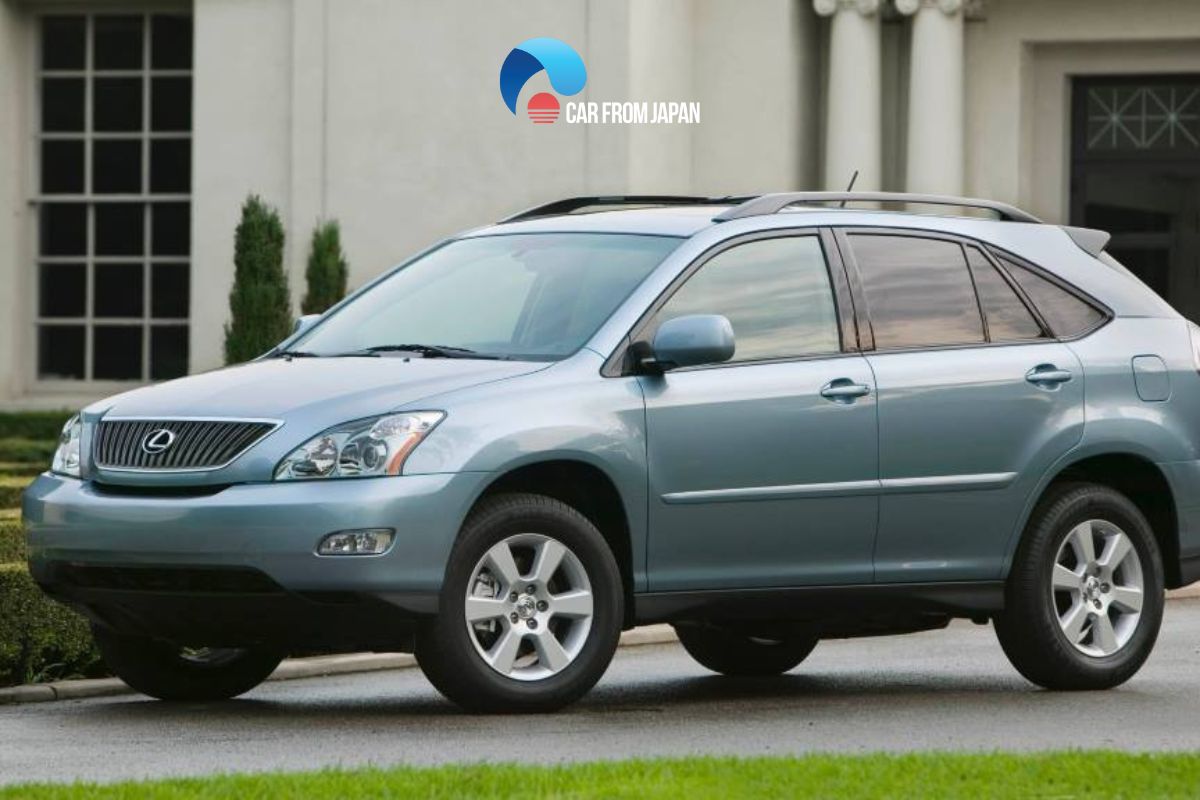
Credit: carfromjapan.com
How Lexus Rx Compares To Rivals
To see if the RX is the right SUV for you, let’s compare it to two other popular midsize luxury SUVs: the Acura MDX and BMW X5.
| Model | Reliability | Resale Value | Repair Costs |
|---|---|---|---|
| Lexus RX | Excellent | High | Low to moderate |
| Acura MDX | Very good | Moderate | Moderate |
| BMW X5 | Average | Moderate | High |
The RX stands out for its long-term reliability and lower repair costs. The Acura MDX is also a smart choice, while the BMW X5 offers more sporty handling but higher ownership costs.
Two Common Buyer Mistakes
Many used RX buyers make the same errors. Here’s how to avoid them:
- Ignoring the Model Year: Not all RXs are the same. A safe 2015 RX is very different from a risky 2010. Always check the year and known issues.
- Skipping the Inspection: Even a clean, low-mile RX can have hidden problems. Spending $100-$200 on an inspection can save you thousands later.

Credit: www.motorbiscuit.com
Non-obvious Insights For Used Lexus Rx Buyers
1. Hybrid Maintenance Costs
The RX hybrid models (like RX 400h and RX 450h) are reliable but have unique needs. The hybrid battery can last over 150,000 miles, but if it fails, replacement can cost $2,000–$3,000 or more. Few owners consider this when budgeting for a used hybrid RX.
2. All-wheel Drive Vs Front-wheel Drive
RX models come in both FWD and AWD. AWD is great for winter weather but adds weight and complexity. Maintenance is slightly higher for AWD models, and worn components like transfer cases can cost extra to repair. If you live in a mild climate, FWD may be a better, simpler choice.
How To Keep Your Lexus Rx Reliable
Once you buy your RX, you can maximize its lifespan with a few simple habits:
- Change oil every 5,000 miles (not just every 10,000 as some intervals suggest).
- Use high-quality synthetic oil to reduce sludge risk.
- Service the transmission every 60,000 miles, even if not required by Lexus.
- Park in the shade or use a sunshade to protect the dashboard and paint.
- Update software for the infotainment system if bugs appear.
These steps can prevent many of the problems seen in the RX years to avoid.
When To Walk Away From A Used Rx
Not every used RX is a good buy, even from a “good” year. Walk away if you notice:
- Unknown service history
- Dashboard or electronics not working
- Engine noises or smoke
- Transmission slipping or hesitation
- Paint bubbling or large rust spots
There are always other RXs available. Don’t settle for a vehicle with clear warning signs.
The Bottom Line
The Lexus RX is a top choice for a reliable, comfortable luxury SUV—but only if you pick the right year. The worst RX years (2007, 2008, 2010, 2016, and 2017) are known for engine, electronics, and cosmetic issues that can cost you time and money. But many RXs, especially from 2012, 2015, 2018, and newer, deliver years of low-cost, enjoyable driving.
Do your homework, get an inspection, and focus on well-maintained examples from the best years. That way, you’ll enjoy all the benefits of Lexus quality without the headaches.
For more data on car reliability, see the Consumer Reports Lexus RX page.
Frequently Asked Questions
Which Lexus Rx Year Is Most Reliable?
The 2015 Lexus RX 350 is considered one of the most reliable years. It has very few owner complaints, high reliability scores, and refined features. The 2012 and 2018 models are also excellent choices.
Is The Lexus Rx 350 Expensive To Maintain?
Compared to other luxury SUVs, the RX 350 has low to moderate maintenance costs. Regular oil changes, brakes, and tires are affordable. Major repairs are rare if you avoid the worst years and follow proper service intervals.
Do Lexus Rx Hybrids Have Battery Problems?
Most RX hybrids have durable batteries that last over 150,000 miles. However, replacing a failed hybrid battery can be expensive. Always check battery health and budget for possible replacement if buying a high-mileage hybrid RX.
What Is The Worst Year For The Lexus Rx?
The 2007 Lexus RX is often cited as the worst year due to engine sludge, dashboard melting, and high repair costs. Other bad years include 2008, 2010, 2016, and 2017.
Should I Buy A Used Lexus Rx With High Miles?
A well-maintained RX can last well over 200,000 miles. But high-mile RXs from years to avoid (like 2007-2008 or 2010) are risky. Focus on good years with full service records, and have a mechanic inspect before buying.