

The Dodge Nitro was an SUV that stood out for its bold design and rugged look. Built by Dodge between 2007 and 2012, it promised style and utility for families and adventurers alike. But, as with many vehicles, some model years of the Nitro have proven more troublesome than others. If you’re considering buying a used Dodge Nitro, knowing which years to avoid can save you from costly repairs and headaches. This guide dives deep into the Nitro’s history, highlights the years with the most problems, and gives honest advice for anyone thinking about bringing one home.
Why People Still Consider The Dodge Nitro
Many shoppers are drawn to the Dodge Nitro for its unique square shape, powerful stance, and affordable price on the used market. It offers more space than a typical compact SUV, and the available V6 engine gives it decent power for city and highway driving. The Nitro also has a towing capacity that suits small trailers, making it attractive to outdoor lovers. However, the Nitro’s strengths are often balanced by a reputation for reliability issues. Understanding the full story is essential before making a decision.
Overview Of Dodge Nitro Model Years (2007–2012)
The Dodge Nitro was produced over a short span, but each year had distinct changes and issues. Here’s a quick look at its timeline:
- 2007: First year, with lots of attention and some early teething problems.
- 2008: Minor updates, but some issues continued.
- 2009: Refinements and some reliability improvements.
- 2010: Introduction of the Heat, Detonator, and Shock trims, new tech features.
- 2011: Simplified lineup, some features dropped.
- 2012: Last year, with only a few units sold from remaining stock.
Not every year had the same level of problems, and the difference between a good and bad year can mean thousands in repair bills. Let’s dig into the specifics.
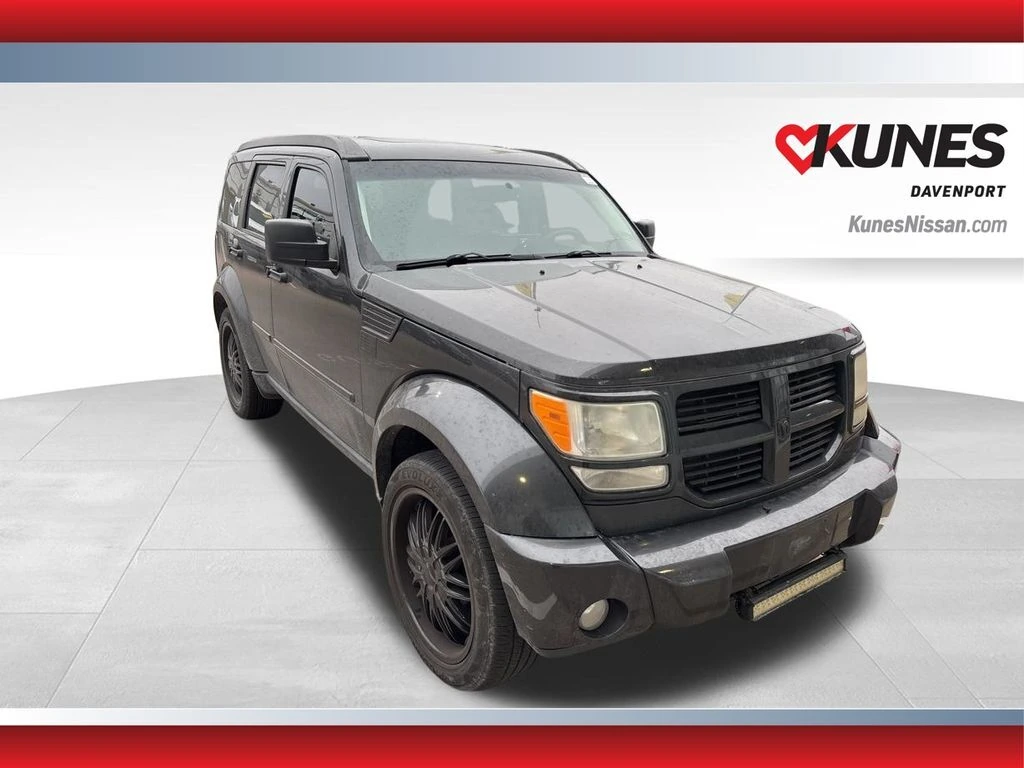
Credit: kuneshyundai.com
Dodge Nitro Years To Avoid: The Most Problematic Models
Some Dodge Nitro years are known for more frequent and expensive problems. Based on owner reports, mechanic feedback, and data from sources like CarComplaints, here are the key years to approach with caution.
1. 2007 Dodge Nitro
The 2007 model is often highlighted as the most troublesome. This was the launch year, and early production models faced several issues that weren’t fully resolved until later. Common complaints include:
- Transmission problems: Sudden shifting, rough engagement, or total failure.
- Electrical issues: Power locks, windows, and dashboard electronics often malfunction.
- Braking system failures: Premature wear, ABS light problems, and occasional brake lock-ups.
- Suspension noise: Clunks and rattles, especially in cold weather.
These issues don’t just cause inconvenience—they can be expensive to fix. For example, transmission repairs can exceed $3,000, and electrical issues may require multiple visits to a mechanic.
2. 2008 Dodge Nitro
The 2008 Nitro improved slightly but still had notable problems. Many 2007 issues carried over, and the following new complaints surfaced:
- TIPM failures: The Totally Integrated Power Module (TIPM) controls many electrical functions. Failures can cause random stalling, starting problems, or loss of power accessories.
- Water leaks: Some owners reported water entering the cabin, leading to mold and electrical shorts.
- Airbag warning lights: Unexplained dashboard warnings, sometimes linked to faulty sensors.
While fewer transmission failures were reported, the cost to fix TIPM issues could run between $800 and $1,500, not including related electrical repairs.
3. 2011 Dodge Nitro
By 2011, the Nitro was nearing the end of its run. However, this year is noted for:
- Heater core failures: Owners reported loss of heat or coolant leaks inside the cabin.
- Engine stalling: Random engine shut-offs, sometimes at highway speeds.
- Continued electrical gremlins: Problems with radio, windows, and lighting persisted.
The cost to repair a heater core can top $1,200 due to labor, and stalling can be tough to diagnose, requiring repeated service visits.
Why Not 2009 Or 2010?
The 2009 and 2010 models tend to fare better. While not perfect, these years had fewer major complaints and improved reliability. Some minor issues (like noisy suspension or small leaks) were still present, but big-ticket problems were less common.
Data Comparison: Dodge Nitro Problem Frequency By Year
To help visualize the difference between model years, here’s a summary of reported problems for each year, based on owner reports and mechanic data.
| Model Year | Common Problems | Severity | Average Repair Cost | Owner Complaints (CarComplaints.com) |
|---|---|---|---|---|
| 2007 | Transmission, Electrical, Brakes | High | $1,200–$3,500 | 400+ |
| 2008 | TIPM, Water Leaks, Airbags | High | $800–$2,500 | 300+ |
| 2009 | Minor Electrical, Suspension | Medium | $350–$1,000 | 150+ |
| 2010 | Minor Suspension, Noise | Medium | $400–$900 | 120+ |
| 2011 | Heater Core, Stalling, Electrical | High | $900–$2,000 | 200+ |
| 2012 | Few Data (Low Sales) | Low | N/A | Few |
Key insight: Early years (2007–2008) and 2011 show the most severe and costly problems. Middle years (2009–2010) are safer bets, though not perfect.
The Most Common Dodge Nitro Problems Explained
It’s important to know the specific problems that make certain Dodge Nitro years less reliable. Here’s a closer look at the main trouble areas and how they affect owners.
Transmission Failure
The transmission is responsible for shifting gears. Many 2007 and some 2008 Nitro owners experienced:
- Hard or delayed shifting
- Slipping out of gear while driving
- Complete loss of power to the wheels
This issue can leave you stranded, and repairs often require a full rebuild or replacement. Not all shops can do this work well, making the problem even more frustrating.
Electrical Gremlins And Tipm
The Totally Integrated Power Module (TIPM) is like the brain for many of the Nitro’s systems. When it fails, you may notice:
- Power windows or locks stop working
- Engine won’t start
- Random warning lights on the dash
- Radio and interior lights flicker or turn off
TIPM failures are often hard to diagnose, and repairs can be expensive. Some owners had to replace the module more than once.
Heater Core And Hvac Issues
The heater core is a small radiator inside the dashboard. When it leaks or fails, you might get:
- Wet carpet on the passenger side
- Sweet smell from the vents (coolant)
- No heat during cold weather
This repair is labor-intensive because it requires taking apart the dashboard. Some mechanics charge over $1,200 for the job.
Water Leaks And Interior Mold
Several Nitro years (especially 2008) had water leaks. These often came from:
- Poor door seals
- Sunroof drains clogging
- Leaky windshield seals
Water inside the car can damage electronics and cause unpleasant odors or mold. It’s not just an annoyance; it can also lead to electrical shorts.
Braking System Problems
Brakes are essential for safety. Some Nitros (especially 2007) had:
- Premature pad and rotor wear
- ABS warning lights
- Occasional loss of braking power
While not as expensive as a transmission, brake issues can be dangerous if not addressed promptly.
How The Dodge Nitro Compares To Similar Suvs
If you’re considering a used Nitro, it’s smart to see how it stacks up against other options like the Jeep Liberty, Ford Escape, and Chevrolet Equinox. Here’s a side-by-side comparison of key reliability factors.
| Vehicle | Model Years Overlap | Major Reliability Issues | Average Repair Cost (Major Issues) | Consumer Reliability Rating (out of 5) |
|---|---|---|---|---|
| Dodge Nitro | 2007–2012 | Transmission, Electrical, HVAC | $1,500–$3,500 | 2.5 |
| Jeep Liberty | 2007–2012 | Suspension, Window Regulators, TIPM | $1,000–$2,800 | 3.0 |
| Ford Escape | 2007–2012 | Transmission, Steering | $900–$2,500 | 3.5 |
| Chevrolet Equinox | 2007–2012 | Engine, Timing Chain | $1,200–$3,200 | 3.0 |
Takeaway: The Nitro is not alone in having reliability problems, but it has more severe transmission and electrical issues than most rivals. The Jeep Liberty is mechanically similar and shares some electrical problems. The Ford Escape generally rates higher, but its transmission can also be a weak spot.
Credit: www.ebay.com
Owner Experiences: Real Stories From The Road
Reading statistics is helpful, but real-world stories add valuable perspective. Here are a few experiences from Dodge Nitro owners:
- Mark, 2007 Nitro owner: “At 70,000 miles my Nitro wouldn’t shift out of second gear. The dealer wanted $3,200 for a rebuilt transmission. I fixed it, but then the power windows stopped working.”
- Angela, 2008 Nitro owner: “My Nitro started stalling at random times. After replacing the battery, alternator, and TIPM, the problem finally went away. But it took three mechanics and over $1,000.”
- Carlos, 2011 Nitro owner: “The heater stopped working in winter, and I had to pay $1,400 to get the heater core replaced. I love how the Nitro looks, but it’s been a headache.”
These stories highlight two non-obvious insights:
- Dodge Nitro repairs often require specialized knowledge, making it harder to find the right mechanic and increasing costs.
- Problems can be intermittent, meaning owners sometimes spend money on the wrong repairs before finding the real issue.
What To Look For When Buying A Used Dodge Nitro
If you’re still interested in a Dodge Nitro, you can reduce your risk by being careful during the buying process. Here’s what really matters:
- Ask for service records. A well-documented history shows the previous owner cared for the car and fixed problems.
- Inspect for water damage. Check the carpets, headliner, and trunk for signs of leaks or mold.
- Test all electronics. Make sure windows, locks, radio, and lights work every time.
- Drive at different speeds. Listen for transmission hesitation or rough shifting.
- Check for warning lights. If any dashboard light stays on, ask for a diagnosis before buying.
- Get a pre-purchase inspection. Have a trusted mechanic look for hidden problems, especially with the transmission and HVAC.
Don’t rush the process. Many buyers regret not checking these details before purchasing.
The Best Dodge Nitro Years: If You Still Want One
While some years should be avoided, other Dodge Nitros are less risky. Based on available data and owner feedback, the 2009 and 2010 models are the most reliable choices. Here’s why:
- Fewer major mechanical issues: Most problems in these years are minor and less expensive to repair.
- Parts availability: Since the Nitro shares many parts with the Jeep Liberty, repairs are more straightforward.
- Better value: Lower repair bills and fewer recalls make these models more cost-effective.
Still, even the best Nitro years require regular maintenance and attention to common trouble spots.
What Makes A Dodge Nitro Worth Owning?
Despite its faults, the Dodge Nitro has a loyal following. Here’s what some fans appreciate:
- Unique design: The boxy look stands out from today’s rounded SUVs.
- Solid V6 engine: It feels powerful for its size, especially in the 4.0L version.
- Towing ability: Up to 5,000 pounds (when properly equipped) is impressive in this class.
- Simple controls: The interior is easy to understand, with large buttons and clear gauges.
If these qualities matter most to you, and you’re prepared for possible repairs, a Nitro can be a good value. But it’s not the best choice for someone who wants a “set-it-and-forget-it” SUV.
Common Buyer Mistakes When Choosing A Dodge Nitro
Many problems can be avoided by sidestepping these common mistakes:
- Ignoring maintenance history: Buying a Nitro with no service records is risky.
- Skipping a pre-purchase inspection: This can lead to expensive surprises.
- Focusing only on price: The cheapest Nitros often need the most work.
- Not checking for recalls: Some issues (like airbag sensors) may be covered by recalls that were never done.
- Assuming all years are equal: As discussed, some years are much worse than others.
Smart buyers take their time and evaluate the whole package, not just the price tag.
How To Reduce The Risk If You Buy A Dodge Nitro
If you decide to buy a Dodge Nitro, especially one from a riskier year, you can still protect yourself:
- Buy from a reputable dealer or individual. Avoid cars with unclear histories.
- Invest in an extended warranty. This can save you thousands if a major component fails.
- Keep up with maintenance. Regular oil changes, fluid checks, and brake service go a long way.
- Address problems early. Small issues can become big (and expensive) if ignored.
- Join owner forums. These communities share tips, repair guides, and warnings about common problems.
Sometimes, simply staying ahead of maintenance prevents the most costly failures.
Dodge Nitro Recalls And Service Bulletins
Many Dodge Nitros were subject to recalls and service bulletins. These are official notices from Dodge about safety issues or defects. The most important recalls include:
- Electrical system (TIPM): Some Nitros were recalled for power module replacement.
- Airbag sensors: Faulty sensors could prevent airbags from deploying in a crash.
- Brakes: Certain models had brake hoses or components that could fail.
Before buying, check the vehicle’s VIN on the official NHTSA website to see if all recalls have been completed. This is a free service and gives peace of mind.
Cost Of Ownership: Dodge Nitro Vs. Rivals
The Dodge Nitro’s lower purchase price can be tempting. But what about long-term ownership costs? Here’s a comparison with similar SUVs.
| Vehicle | Average Annual Repair Cost | Major Repairs Likelihood (10 years) | Fuel Economy (MPG combined) | Insurance Cost (Annual Average) |
|---|---|---|---|---|
| Dodge Nitro | $650 | 37% | 18–20 | $1,200 |
| Jeep Liberty | $600 | 32% | 18–21 | $1,150 |
| Ford Escape | $500 | 28% | 21–23 | $1,000 |
| Chevrolet Equinox | $525 | 30% | 20–24 | $1,050 |
Insight: The Nitro costs more to repair and insure than many competitors, and its major repair likelihood is higher. Budget-minded buyers should consider these numbers before making a choice.

Credit: www.youtube.com
Tips For Long-term Dodge Nitro Reliability
If you already own a Nitro or plan to buy one, these practical tips can help extend its life and reduce repair costs:
- Change fluids regularly: This includes engine oil, transmission fluid, and coolant.
- Watch for leaks: Address any sign of fluid under the car immediately.
- Update the TIPM if needed: Early replacement can prevent bigger electrical failures.
- Use quality parts: Cheap replacements often fail sooner, especially for suspension and electrical components.
- Keep electrical contacts clean: Corrosion is common, especially in humid climates.
Proactive care makes a big difference, especially for higher-mileage Nitros.
Should You Avoid The Dodge Nitro Completely?
The Dodge Nitro is not the worst SUV ever made, but its reliability record means it’s not for everyone. If you value low maintenance and trouble-free driving, there are better choices in the same price range. But if you love its look and can handle possible repairs, a well-maintained 2009 or 2010 Nitro can still be a good deal.
For more technical details on the Nitro’s specifications and history, you can check the Dodge Nitro Wikipedia page.
Frequently Asked Questions
Is The Dodge Nitro A Reliable Suv?
The Dodge Nitro is less reliable than many competitors. Early models (especially 2007 and 2008) have frequent transmission, electrical, and heater core problems. Later years are better, but the Nitro still requires more repairs than average for its class.
What Year Dodge Nitro Is The Best To Buy?
The 2009 and 2010 Dodge Nitro models are the safest choices. These years have fewer major complaints and lower repair costs. However, a good maintenance history is always important, no matter the year.
How Many Miles Will A Dodge Nitro Last?
With regular care, a Dodge Nitro can last 150,000 to 200,000 miles. However, you may face expensive repairs after 100,000 miles, especially if earlier problems were not fixed on time.
Are Dodge Nitros Expensive To Fix?
Yes, the Nitro has above-average repair costs, mainly due to frequent transmission, TIPM, and heater core failures. Annual repair costs are around $650, but a single big repair can exceed $2,000.
Is The Dodge Nitro The Same As The Jeep Liberty?
The Dodge Nitro and Jeep Liberty share the same platform and many parts, but the Nitro has unique styling and some different features. Both can have similar reliability problems, especially with electrical and suspension components.
The Dodge Nitro’s bold look hides a complex ownership story. With the right information and careful buying, you can enjoy its strengths while avoiding its worst pitfalls. If you want an SUV that stands out—and you’re prepared for some extra maintenance—the Nitro could still be a fit for you.
Otherwise, consider more reliable alternatives for a smoother, less stressful ownership experience.