

Buying a BMW can be exciting. The brand is famous for luxury, strong engines, and a great driving feel. But not every BMW is a good buy, especially if you want to avoid big repair costs. Some years have more problems than others. If you’re thinking about a used BMW, it’s smart to know which years are risky. This guide will show you the BMW years to avoid, explain why they are trouble, and help you make a better choice.
BMWs are not just cars—they’re a symbol of style and performance. But sometimes, even the best brands get it wrong. Certain BMW models and years have issues that can turn your dream car into a headache. From engine failures to electronic problems, knowing what to avoid can save you time, money, and stress.
Let’s dive deep and learn which BMW years are best left alone, and what you should look for instead.
Why Some Bmw Years Are Risky
Every car company faces problems now and then. For BMW, some model years stand out for the wrong reasons. These years often have:
- Engine failures
- Electrical issues
- Expensive repairs
- Poor reliability ratings
But why do these problems happen in certain years? Several factors are involved. Sometimes, BMW introduces new technology that isn’t fully tested. Other times, cost-cutting or design mistakes lead to weak parts. Also, the first years of a new model are often less reliable, as problems are fixed in later versions.
Common Bmw Problems In Bad Years
Engine Issues
Some BMW engines are known for oil leaks, timing chain failures, or even complete engine breakdowns. For example, the N54 and N63 engines have a reputation for trouble. These problems can cost thousands of dollars to fix.
Electrical Faults
Many BMWs from certain years suffer from electrical glitches. This can mean windows that don’t work, navigation systems that freeze, or warning lights that won’t go off. Fixing electrical issues often needs specialized tools and knowledge.
Cooling System Problems
BMW cooling systems are often made with plastic parts. In bad years, these parts fail early, leading to overheating. Replacing radiators, water pumps, or thermostat housings is common—and expensive.
Transmission Failures
Some BMW models, especially in the early 2000s, have automatic transmissions that fail before 100,000 miles. Rebuilding or replacing a transmission can cost as much as $5,000 or more.
High Repair Costs
BMWs are not cheap to fix. Parts and labor are expensive, and some problems need a BMW specialist. Bad years make this worse, with more frequent and bigger repairs.

Credit: www.copilotsearch.com
Bmw Model Years To Avoid
Let’s look at which BMW years are best to skip, based on owner reports, expert reviews, and reliability data.
1. Bmw 3 Series (2007–2011)
The BMW 3 Series is one of the most popular BMWs. But the 2007–2011 models, especially with the N54 engine, are known for:
- High-pressure fuel pump failures
- Turbocharger issues
- Carbon buildup
- Water pump failures
Many owners report repeated trips to the shop. The 335i is particularly risky in these years. Repairs can add up fast.
2. Bmw 5 Series (2006–2008, 2011–2012)
The E60 5 Series (2006–2008) and the early F10 (2011–2012) models often show:
- Electrical problems (iDrive failures, dashboard glitches)
- Transmission issues
- Engine oil leaks
- Timing chain problems (especially 2011–2012)
The 528i and 535i from these years get the most complaints.
3. Bmw X5 (2007–2013)
The BMW X5 is a popular SUV, but these years are known for:
- Engine and transmission failures
- Coolant leaks
- Transfer case issues
- Electrical faults
The 2008 X5 is especially problematic, with many recalls and service bulletins.
4. Bmw 7 Series (2002–2008)
The big luxury 7 Series is expensive to fix. The 2002–2008 versions have:
- Air suspension failures
- Transmission problems
- Complicated electronics
- Oil leaks
Early E65 models are the worst, with high repair bills and poor reliability.
5. Bmw X3 (2007–2010)
These years of X3 can bring:
- Engine overheating
- Sunroof leaks
- Timing chain failures
- Transfer case problems
2007 and 2008 models are often listed as the worst.
6. Bmw 1 Series (2008–2011)
The 1 Series is fun to drive, but these years often have:
- Water pump failures
- Fuel pump problems
- Electrical glitches
The 135i, with its N54 engine, is especially risky.
7. Bmw X1 (2012–2014)
The early X1 had many problems:
- Timing chain issues
- Turbocharger failures
- Electrical faults
2012 is the worst year, with multiple engine and drivetrain complaints.
8. Bmw 6 Series (2004–2007)
These models suffer from:
- Electronic issues
- Convertible top failures
- Oil leaks
The 2004 and 2005 versions are especially problematic.
9. Bmw Z4 (2003–2005, 2007–2008)
The sporty Z4 from these years can have:
- Steering problems
- Roof mechanism failures
- Coolant system issues
Early models (E85) are less reliable than later ones.
10. Bmw X6 (2008–2012)
X6 models from these years often show:
- Engine and turbo issues
- Transmission failures
- Electrical problems
2008 and 2009 are the riskiest.
Comparison: Problem Rates By Bmw Model And Year
To help you see the risk, here’s a comparison of major problems reported by owners for key BMW models and years:
| Model | Years to Avoid | Main Problems | Repair Cost (Avg.) |
|---|---|---|---|
| 3 Series | 2007–2011 | Engine, Fuel System, Turbo | $2,000–$6,000 |
| 5 Series | 2006–2008, 2011–2012 | Electrical, Transmission, Timing Chain | $1,800–$5,500 |
| X5 | 2007–2013 | Engine, Cooling, Transmission | $2,500–$7,000 |
| 7 Series | 2002–2008 | Electronics, Suspension, Oil Leaks | $2,000–$8,000 |
| X3 | 2007–2010 | Timing Chain, Transfer Case | $1,800–$4,500 |
Not All Bmws Are Bad: Years You Can Trust
While many BMWs from the years above are best avoided, some models and years are much more reliable. Picking the right year can give you years of driving pleasure without constant repairs.
Reliable Bmw Years
- BMW 3 Series: 2012–2015 (F30 generation)
- BMW 5 Series: 2013–2016 (F10, after timing chain issues were fixed)
- BMW X5: 2014–2018 (F15 generation)
- BMW 1 Series: 2012–2013
- BMW Z4: 2009–2011 (E89 generation)
These years tend to have fewer problems, better parts, and improved technology.
Why Do Bmws Have So Many Issues In Certain Years?
Two main reasons stand out: new technology and cost-cutting. BMW often tries to be a leader in tech, adding features like turbochargers, direct injection, and advanced electronics. But new tech can mean more bugs.
Cost-cutting sometimes leads to using plastic parts in engines and cooling systems. These don’t last as long as metal parts. Also, some engines were designed to meet new emissions rules quickly, leading to weak spots.
Example: N54 Engine Problems
BMW’s N54 engine, used in many 2007–2010 models, is famous for its power—and its problems. Owners often report:
- High-pressure fuel pump failures
- Wastegate rattle
- Carbon buildup on valves
These issues can appear early and cost a lot to fix. Many owners love how the engine drives, but repairs are common and expensive.
Understanding Bmw Reliability Ratings
BMW’s reputation for reliability is mixed. Some years get great scores, others do poorly. How do experts rate them?
- Consumer Reports: Rates BMWs by owner satisfaction, repair rates, and safety. Some years score below average.
- J.D. Power: Shows dependability over three years. BMW is often in the middle, not the worst, but not the best.
- RepairPal: Lists BMW repair costs as 50% higher than average.
So, if you want a low-maintenance BMW, pick a model and year with good reviews from these sources.
Real-world Example: Bmw X5 (2008 Vs. 2015)
Let’s compare two X5 models—a risky year and a safer one.
| Year | Common Problems | Avg. Annual Repairs | Owner Satisfaction |
|---|---|---|---|
| 2008 | Engine, Transmission, Electronics | $2,500+ | Low |
| 2015 | Minor Electrical, Brakes | $900 | High |
This shows how picking the right year makes a big difference in costs and happiness.
Non-obvious Insights Most Buyers Miss
1. First-year Models Are Riskier
Many buyers like getting the newest BMW, but the first year of a new design often means more problems. BMW usually fixes issues in later years. For example, the first F10 5 Series (2011) had more timing chain failures than later models.
2. Maintenance History Matters More Than Age
A well-cared-for 10-year-old BMW can be better than a newer, badly maintained one. Always check for service records, oil changes, and recall repairs. A cheap BMW with no maintenance history is usually a bad buy.
How To Check If A Bmw Year Has Problems
Don’t just trust the seller. Do your homework:
- Read owner forums: Real drivers share problems and tips.
- Check for recalls: The National Highway Traffic Safety Administration (NHTSA) lists safety recalls.
- Ask for service records: See if major repairs are already done.
- Get a pre-purchase inspection: A BMW specialist can spot hidden trouble.
What To Look For When Buying A Used Bmw
Even if you avoid the worst years, every used BMW needs a careful check. Here’s what to pay attention to:
- Engine leaks: Look for oil or coolant under the car.
- Warning lights: Make sure all dashboard lights turn off after starting.
- Transmission shifting: Test drive at different speeds.
- Electronics: Try all buttons, the radio, windows, and air conditioning.
- Suspension noises: Listen for clunks or rattles on bumps.
- Service records: Ask for proof of regular maintenance.
Cost Of Ownership: Bmw Vs. Other Luxury Brands
BMWs are fun to drive, but they cost more to keep running. Here’s a quick look at average repair costs per year compared to other brands:
| Brand | Annual Maintenance (Avg.) | Major Repairs by 100k Miles |
|---|---|---|
| BMW | $1,000–$1,500 | Likely |
| Mercedes-Benz | $1,200 | Likely |
| Lexus | $600 | Rare |
| Audi | $1,100 | Possible |
Lexus stands out for low repair costs and fewer problems. BMW is higher than average, especially in bad years.
Tips For Reducing Bmw Repair Risk
1. Buy Certified Pre-owned (cpo)
CPO BMWs come with a warranty and have passed a detailed check. This reduces risk, but costs more than regular used cars.
2. Choose Simpler Models
BMWs with fewer features (manual seats, no sunroof, simple radios) have fewer things that can break. Sporty M models or those with lots of gadgets can be more risky.
3. Avoid Modified Cars
Many older BMWs are modified for more power or style. These changes can stress parts and cause problems. Stock cars are usually safer.
4. Find A Good Mechanic
Not all mechanics know BMWs. Find a shop with experience and the right tools. This can save you money and headaches.
5. Budget For Repairs
Even the best BMW may need extra care. Set aside some money for surprise repairs. If you can’t afford a $2,000 repair, BMW ownership may not be right for you.
The Role Of Recalls And Service Bulletins
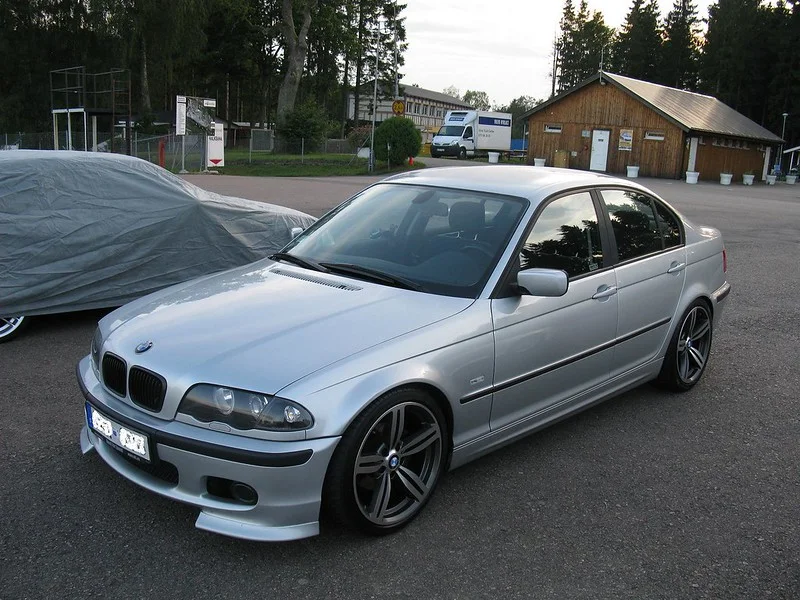
BMW often issues recalls and technical service bulletins (TSBs) for known problems. A recall means the factory will fix a safety issue for free. A TSB is advice for dealers on how to fix common complaints. Before you buy, check if the car had all needed recalls and TSBs done. This can make a big difference in reliability.
Credit: www.copilotsearch.com
Should You Avoid Bmws Altogether?
Not at all. Many people love their BMWs. The key is to avoid the worst years and models. If you want a fun car that also lasts, be picky about the year and engine. Always check the car’s history and get a pre-purchase inspection.
Final Thoughts On Bmw Years To Avoid
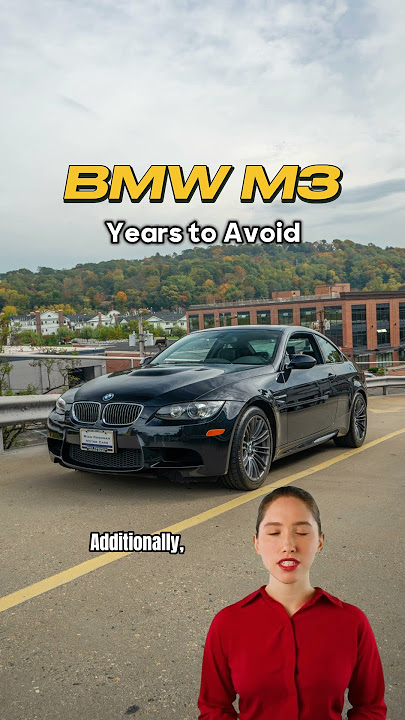
BMWs are special cars, but some years are riskier than others. Models with the N54 or N63 engines, and those from the late 2000s, are most likely to have expensive problems. On the other hand, newer models and those with simpler engines are often much better.
Remember, most BMW problems show up in the first few years of a new model or when new technology is introduced. If you focus on years with better reviews and a history of updates, you can enjoy the BMW experience without breaking the bank.
And always, always, check the car’s service records before you buy.
If you want more detail on common BMW issues and recalls, the NHTSA site is a great place to start.
Credit: m.youtube.com
Frequently Asked Questions
What Is The Worst Year For Bmw Reliability?
The 2007–2011 BMW 3 Series and the 2008 BMW X5 are often named as the worst years for reliability. These models have many engine and electrical problems that are expensive to fix.
Are Bmws Expensive To Maintain?
Yes, BMW maintenance costs are higher than average. Expect to pay $1,000–$1,500 per year for regular service, and much more for major repairs in bad years.
Is It Safe To Buy A High-mileage Bmw?
It can be, but only if the car has complete service records and has had all major repairs done. High-mileage BMWs from bad years are risky without proof of good maintenance.
Which Bmw Models Are Most Reliable?
The BMW 3 Series (2012–2015), 5 Series (2013–2016), and X5 (2014–2018) are some of the most reliable choices. These years have fewer known issues and better owner ratings.
How Can I Tell If A Bmw Has Had Recalls Done?
Check the car’s VIN on the NHTSA website or ask a BMW dealer. They can see if recalls were completed and if there are any open safety issues.
BMWs can be a joy to drive, but knowing which years to avoid is key to a happy ownership experience. With the right research and a careful choice, you can enjoy the best of BMW and skip the common headaches.