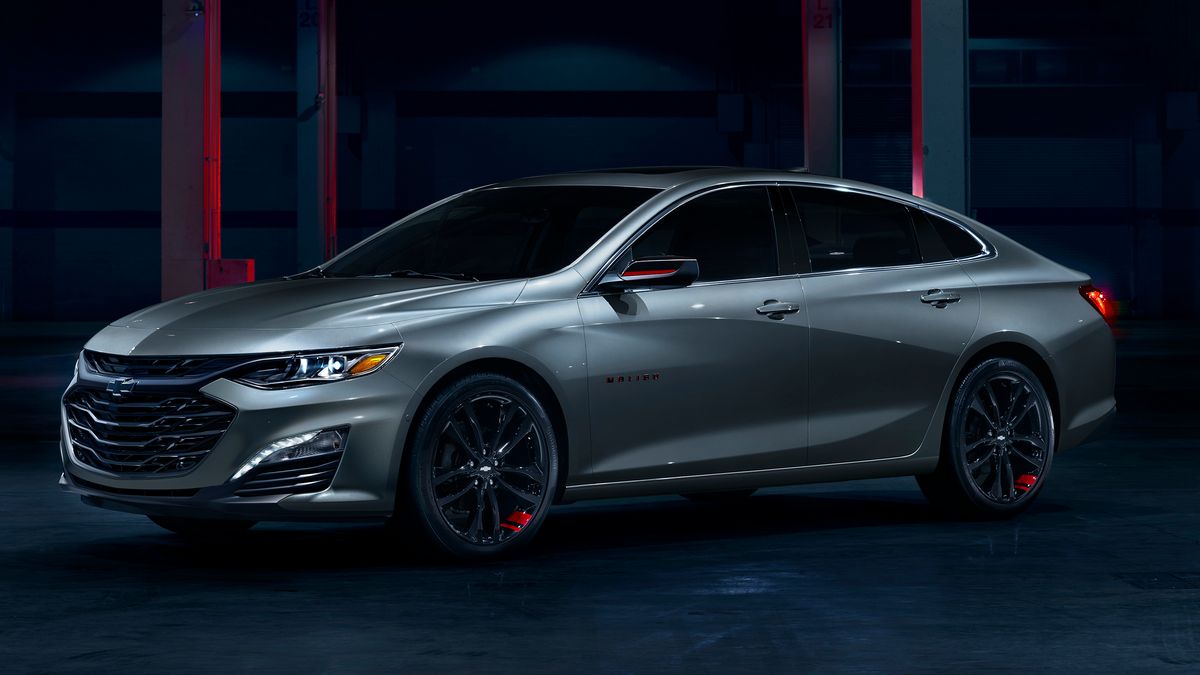
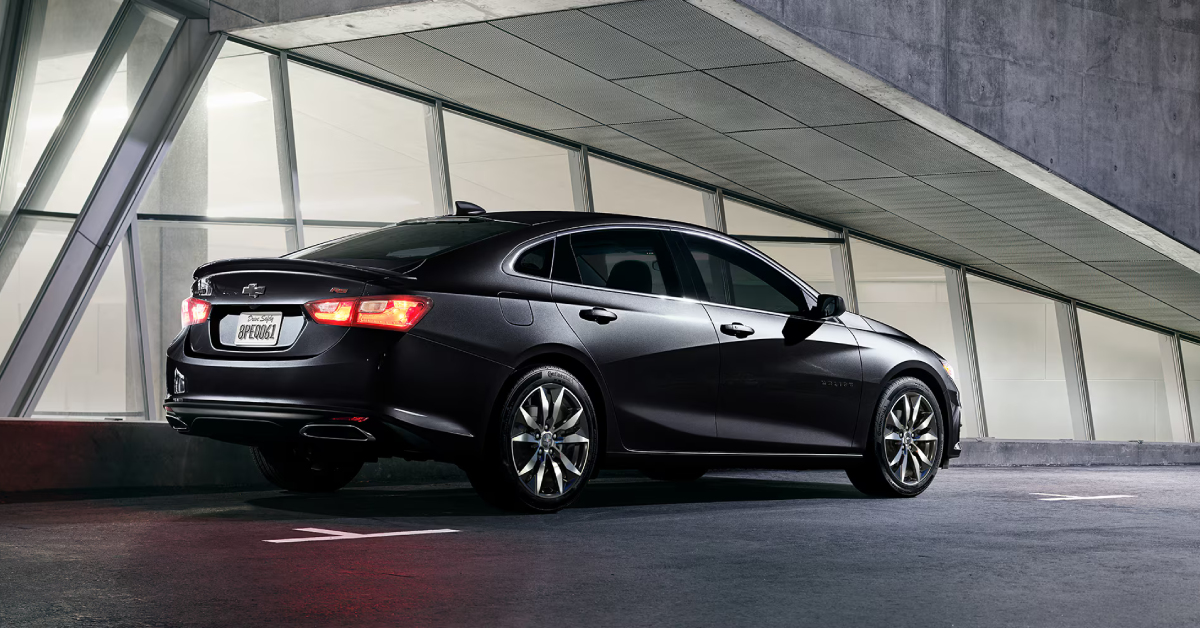
The Chevrolet Malibu has been a staple of American midsize sedans for decades. It’s affordable, spacious, and usually reliable. But not every Malibu year delivers the same experience. Some years are best avoided because of frequent problems, expensive repairs, or poor performance.
If you’re thinking of buying a used Malibu, knowing which years to avoid can save you time, money, and stress.
This guide covers the Chevrolet Malibu years to avoid. You’ll get clear explanations, real-world examples, and data to help you make a smart decision. You’ll also find tables showing comparison between problem years and better years, plus answers to common questions. Whether you’re a first-time buyer or just curious, this article gives you everything you need in simple, clear language.
Why Some Chevrolet Malibu Years Are Problematic
All cars can have issues, but some Malibu years stand out for the wrong reasons. These years often have:
- Mechanical failures that happen often or are expensive to fix
- Electrical problems that affect important functions
- Safety recalls for things like airbags or brakes
- Transmission troubles leading to rough driving or breakdowns
- Poor reliability ratings from owners and experts
Usually, these issues are linked to changes in design, new technology that wasn’t tested enough, or cost-cutting measures. For example, when Chevrolet introduced a new engine or transmission, it sometimes led to more problems.
Sometimes, problems come from parts suppliers changing or factory quality slipping. For instance, electrical connectors were changed in some years, leading to more faults. Also, cost-cutting by using lower-quality materials caused early wear in steering and suspension parts. Owners often only notice these after the warranty ends, which means more out-of-pocket repair costs.
Another overlooked reason is software updates. As cars became more advanced, manufacturers relied on computer systems for everything from engine control to infotainment. If updates or patches weren’t applied, glitches continued. Many owners didn’t realize that software updates could prevent repeated issues.
Malibu Model Generations And Common Issues
Before diving into specific years, it helps to understand the Malibu’s main generations. Each generation brought updates in style, performance, and technology. But some generations had more trouble than others.
| Generation | Years Produced | Major Changes | Common Problems |
|---|---|---|---|
| 5th | 1997–2003 | First modern Malibu | Engine, brakes, electrical |
| 6th | 2004–2007 | New body, V6 option | Steering, transmission |
| 7th | 2008–2012 | Better safety, hybrid | Electrical, transmission |
| 8th | 2013–2015 | Redesign, more tech | Engine, infotainment |
| 9th | 2016–present | Turbo engines, lighter body | Fuel system, electronics |
Most Malibu problems cluster around the 6th, 7th, and early 8th generations. These years saw new technology, but also more recalls and complaints. Later generations improved, but some issues remain.
With the rise of infotainment and advanced safety systems, newer generations brought more electronics. While this improved comfort and features, it also made troubleshooting harder. For example, a faulty sensor could cause both warning lights and performance problems, confusing owners and mechanics.
Chevrolet Malibu Years To Avoid
Based on owner reports, expert reviews, and recall data, these are the main Malibu years to avoid:
- 2004
- 2005
- 2006
- 2010
- 2011
- 2013
- 2014
- 2015
- 2016
Let’s look at each year and why it’s best to skip them.
1. 2004 Malibu
The 2004 Malibu marked the start of the 6th generation. Chevrolet tried to modernize the car, but it came with many headaches.
Steering Issues: One of the most common problems was power steering failure. Owners reported sudden loss of steering power, making the car hard to control. This is dangerous and expensive to fix (average repair cost: $600–$900). Sometimes, steering would lock up at low speeds, especially when parking, causing near misses.
Electrical Problems: The 2004 also suffered from electrical system glitches. Things like dashboard lights, window controls, and radio often stopped working. In some cases, electrical faults triggered false warning lights for airbags or brakes.
Transmission Failure: Some buyers experienced transmission slipping or complete failure, usually after 70,000 miles. Symptoms included shuddering, delayed shifts, or the car refusing to move.
Recalls: Multiple recalls were issued, mostly for steering and electrical faults. Owners often had to visit the dealer more than once because repairs didn’t solve the root cause.
Non-obvious insight: Even minor electrical issues can make airbags or anti-lock brakes unreliable. Many buyers overlook this. For example, a simple dashboard error can actually mean a safety system isn’t working.
2. 2005 Malibu
The 2005 model carried over many problems from 2004, with a few extra headaches.
Steering and Suspension: The electric power steering continued to fail in many cars. Suspension issues caused loud noises and bumpy rides. Strut mounts wore out early, leading to clunks and rattles.
Door Locks: A surprising number of owners had trouble with door locks not working, especially in cold weather. This left doors stuck shut or open, which is a security risk.
Headlights: Headlights would sometimes flicker or stop working, leading to safety concerns. In some cases, bulbs were replaced but the issue returned due to wiring faults.
Common mistake: People think fixing steering is a one-time repair, but it often returns after a year. Many shops only replace the motor, not the whole system, leading to repeat failures.
3. 2006 Malibu
The 2006 Malibu saw small improvements, but major problems remained.
Steering Problems: Power steering was still unreliable, and many cars needed multiple repairs. Some owners switched to manual steering temporarily because repairs were too expensive.
Fuel System Issues: Some owners faced fuel pump failures. When the pump fails, the car won’t start or stalls while driving. Replacing the pump can cost $700–$1,000.
Transmission: Transmission problems persisted, causing rough shifts or failure. Sometimes the car would jerk between gears or lose power on the highway.
Electrical System: Problems with the ignition switch and dashboard lights continued. Some owners had “no crank” situations where the car wouldn’t start at all.
4. 2010 Malibu
The 2010 Malibu is known for transmission troubles and electrical glitches.
Transmission Failure: Many owners reported the transmission slipping, jerking, or failing entirely. Repairs often cost over $2,000. Some shops recommended full transmission replacement instead of rebuilding.
Electrical Issues: Problems with the door locks, power windows, and keyless entry were common. Sometimes, windows would roll down by themselves or fail to respond.
Engine Stalling: Some engines would stall while driving. This is dangerous and usually linked to electrical faults. Often, the car would restart, but the problem returned.
Recalls: Several recalls targeted the power steering and electrical system. Owners were frustrated when the same problem came back even after recall repairs.
5. 2011 Malibu
The 2011 Malibu continued to struggle with reliability.
Transmission Problems: The automatic transmission was prone to rough shifting, slipping, and early failure. This often happened before the car reached 80,000 miles.
Electrical Faults: Dashboard lights, radio, and airbags sometimes stopped working. These faults can affect safety features. In some cases, the airbag system would turn off without warning.
Brake Issues: Owners reported brake lines rusting, causing brake fluid leaks. Repairs are costly and urgent. Rust was more common in areas with harsh winters, but a few cases appeared in warm climates due to poor-quality materials.
Hidden insight: Brake line rust is more common in areas with snow and road salt, but even warm climates are not immune. Water and humidity can speed up corrosion if the metal isn’t protected.
6. 2013 Malibu
The 2013 Malibu introduced a new design but brought new troubles.
Engine Problems: The 2.5L engine had frequent stalling and rough idling. Sometimes, the engine would shut off at low speeds. This created dangerous situations at stoplights or in traffic.
Infotainment Glitches: The touchscreen and Bluetooth often failed or froze. Owners sometimes lost navigation or music while driving.
Fuel System Issues: Faults in the fuel system led to poor acceleration and starting problems. In a few cases, the car wouldn’t start after refueling.
Transmission: Some cars had rough shifting or failed transmissions. Mechanics often found software errors or worn clutches as the cause.
Non-obvious insight: Infotainment failures can also affect backup cameras, which are now a basic safety feature. A frozen screen means you lose important visibility when parking.
7. 2014 Malibu
The 2014 Malibu fixed some old issues but created new ones.
Engine Stalling: Many owners faced engine stalling, often due to faulty sensors. Sometimes, the engine would cut off while idling or accelerating.
Electrical and Infotainment: The MyLink infotainment system was buggy. Some cars wouldn’t connect to phones or display information correctly. Updates from dealers helped, but not always.
Fuel System: Poor fuel economy and acceleration issues were common. Owners expected better mileage but got less than advertised.
Transmission: Transmission problems continued, though less severe than previous years. Some cars still had rough shifts or hesitation.
8. 2015 Malibu
The 2015 Malibu is often skipped by buyers due to continued reliability issues.
Engine and Fuel System: Complaints about the engine stalling or running rough remained high. Owners reported loss of power on the highway.
Infotainment: Persistent MyLink problems, including freezing and loss of sound. In some cases, the system would reboot randomly.
Battery Drain: Many cars had unexplained battery drain, leading to frequent jump starts. Even after replacing the battery, the issue sometimes continued.
Common mistake: Buyers think battery drain is a simple fix, but it often signals deeper electrical issues. Sometimes, faulty sensors or modules cause repeated drain.
9. 2016 Malibu
The 2016 Malibu started the 9th generation, but early models had problems.
Turbo Engine Issues: The new 1.5L turbo engine suffered from oil leaks and fuel system faults. Owners noticed oil spots under the car or needed frequent top-ups.
Electronics: Problems with the touchscreen, backup camera, and Bluetooth caused frustration. In some cases, the rear camera would turn off while reversing.
Transmission: Some cars had jerky shifting or transmission failure. Repair costs were high, and some owners needed full replacements before 60,000 miles.
Safety Recalls: Several recalls for seat belts, airbags, and brakes. Owners had to check for updates and repairs often.
Malibu Years With Fewer Problems
If you want a used Malibu, these years are generally safer bets:
- 2007
- 2008
- 2012
- 2017
- 2018
- 2019
- 2020–present
These years have fewer complaints, better reliability ratings, and lower repair costs.
| Year | Reliability Rating (out of 5) | Average Repair Cost | Major Issues |
|---|---|---|---|
| 2007 | 3.5 | $450 | Minor electrical |
| 2008 | 4.0 | $500 | Few complaints |
| 2012 | 4.2 | $550 | Minor transmission |
| 2017 | 4.5 | $400 | Occasional infotainment |
| 2018 | 4.6 | $350 | Few issues |
| 2019 | 4.7 | $300 | Rare complaints |
| 2020–present | 4.8 | $250 | Almost no major issues |
Newer Malibus (2017 and up) benefit from improved engines, better electronics, and more reliable transmissions. Chevrolet learned from earlier mistakes and invested in quality control. Owners praise quiet cabins, smooth rides, and updated technology. Infotainment bugs are rare, and repairs are less expensive because problems are usually software-related.
Detailed Breakdown: Main Malibu Problems By Year
To help you see patterns, here’s a breakdown of major complaints for each problem year.
| Year | Steering | Transmission | Electrical | Engine | Infotainment | Other |
|---|---|---|---|---|---|---|
| 2004 | Frequent | Common | Frequent | Occasional | Rare | Recalls |
| 2005 | Frequent | Common | Common | Rare | Rare | Door locks |
| 2006 | Frequent | Common | Common | Rare | Rare | Fuel pump |
| 2010 | Occasional | Frequent | Common | Occasional | Rare | Stalling |
| 2011 | Rare | Frequent | Common | Rare | Rare | Brake rust |
| 2013 | Rare | Occasional | Common | Frequent | Frequent | Fuel system |
| 2014 | Rare | Occasional | Frequent | Frequent | Frequent | Poor fuel economy |
| 2015 | Rare | Occasional | Frequent | Frequent | Frequent | Battery drain |
| 2016 | Rare | Occasional | Frequent | Frequent | Frequent | Turbo issues |
Notice how electrical and transmission issues appear in most problem years. These aren’t just minor annoyances—they can impact safety and long-term ownership costs.
Key Factors To Consider When Buying A Used Malibu
If you’re set on a Malibu, even outside the years to avoid, pay attention to these:
- Service History: Always ask for maintenance records. Regular oil changes, transmission service, and brake checks are important. Look for receipts showing parts replaced, not just routine checks.
- Recalls: Check if all recalls have been fixed. You can check recalls for free at the official NHTSA website. Some dealers will fix recalls for free, but only if the car is registered.
- Mileage: Malibus with over 100,000 miles may face more issues, especially if not well maintained. High mileage isn’t always bad if maintenance was regular, but avoid cars with gaps in service history.
- Inspection: Get a trusted mechanic to check the car before buying. Focus on steering, transmission, and electrical systems. Ask the mechanic to check for worn suspension parts and signs of previous accident repairs.
- Test Drive: Listen for unusual noises, check if the car shifts smoothly, and test all electronics. Try driving at different speeds and use all features, including backup camera and Bluetooth.
Non-obvious tip: Ask the seller about infotainment updates. Many problems can be fixed with software, but few owners do this. Sometimes, even simple Bluetooth or camera bugs can be fixed with a dealer update.
Another overlooked factor is tire wear. Uneven tire wear can signal suspension or alignment problems, which may cost hundreds to fix.
Cost Of Ownership: Problem Years Vs Reliable Years
Repair costs can add up quickly if you buy a Malibu from a problem year. Here’s how costs compare:
- Problem years: Average annual repair costs range from $900 to $2,000.
- Reliable years: Average annual repair costs are $250 to $600.
Frequent repairs for steering, transmission, and electronics can turn a bargain into a money pit. Reliable years offer lower costs and fewer headaches.
Besides repairs, insurance costs may be higher for cars with frequent claims. For example, if a Malibu has a history of electrical fires or accidents due to stalling, some insurers raise premiums. Also, selling a problem-year Malibu is harder—buyers check reviews and avoid cars with bad reputations.
Owner Satisfaction And Expert Ratings
Expert reviews and owner surveys back up the data. For example, Consumer Reports and J. D. Power give low ratings to 2004–2006 and 2010–2016 Malibus. Owners often complain about reliability and poor dealer support.
In contrast, newer Malibus (2017 and up) score higher for comfort, fuel economy, and technology. Repairs are less frequent, and most problems are minor.
Real-world example: A 2013 Malibu owner spent over $3,000 in repairs for engine and infotainment problems. A 2018 owner spent less than $500 over three years.
Another case: A 2015 Malibu owner had to replace the battery three times in two years due to electrical drain. Meanwhile, a 2019 owner praised the quiet ride and easy maintenance, needing only regular oil changes.
Credit: www.autotrader.com
Common Buyer Mistakes
When shopping for a used Malibu, avoid these mistakes:
- Ignoring recalls: Some buyers don’t check if recalls were fixed. This can leave safety issues unresolved.
- Skipping inspection: Buying without a mechanic’s opinion can lead to expensive surprises.
- Trusting seller claims: Sellers may downplay problems or skip details.
- Choosing based on price alone: The cheapest Malibu often costs more in repairs.
Practical advice: Spend $100 on a mechanic’s inspection—it could save you thousands.
Another mistake is not checking for aftermarket modifications. Some Malibus are sold with custom wheels or stereos, but these can hide electrical faults or cause future problems.
How To Spot A Problem Malibu
Not all problem Malibus show issues right away. Here’s how to spot trouble:
- Steering feels heavy or loose during test drive
- Transmission shifts roughly or delays between gears
- Dashboard warning lights that don’t go away
- Infotainment glitches like freezing or no sound
- Unusual noises from engine, brakes, or suspension
- Service records missing or incomplete
If you notice any of these, walk away or ask for repairs before buying.
Also, check under the hood for leaks, especially oil or coolant. Look at the battery for signs of corrosion. Open all doors and windows, testing locks and controls. If possible, bring someone familiar with cars to help spot hidden issues.

Credit: carcliniccentral.com
Alternatives To The Chevrolet Malibu
If you’re worried about Malibu reliability, consider other midsize sedans:
- Toyota Camry: Known for reliability and low repair costs
- Honda Accord: High owner satisfaction and strong resale value
- Mazda6: Sporty feel and good reliability
- Hyundai Sonata: Modern features and affordable repairs
These models often score higher for reliability and owner satisfaction. For more data, check out Consumer Reports.
If you want similar comfort and features but fewer headaches, these alternatives are worth comparing side by side. Camry and Accord often hold their value longer, which can help if you plan to resell.
Frequently Asked Questions
What Is The Worst Year For Chevrolet Malibu?
Most experts and owners agree 2004 is the worst year. It had frequent power steering failure, electrical problems, and multiple recalls. Many repairs were expensive and didn’t solve the issues.
Are 2013–2016 Malibus Reliable?
No, these years often have engine stalling, infotainment glitches, and transmission problems. Repairs can be costly, and many owners report low satisfaction.
Which Malibu Year Is The Most Reliable?
The 2018 Malibu is considered the most reliable. It has improved engines, fewer complaints, and better electronics. Owners report high satisfaction and low repair costs.
Should I Buy A Used Malibu With Over 100,000 Miles?
Only if it has a full service history and passed a mechanic’s inspection. Malibus with high mileage are more likely to have transmission and electrical problems, especially from problem years.
How Do I Check For Recalls On A Used Malibu?
Visit the official NHTSA recall website and enter the car’s VIN. You’ll see all open recalls and whether they’ve been fixed.
Credit: www.overstockvehicles.com
Making Your Malibu Decision
Choosing the right Chevrolet Malibu year is about more than price or style. Reliability, repair costs, and safety should guide your choice. Avoid the years listed in this article, and focus on newer models or well-maintained older ones. Always check service records, get a mechanic’s opinion, and don’t rush the process.
A good Malibu can be a comfortable, affordable, and safe car. But picking the wrong year can lead to headaches and wasted money. Use the advice here to make a smart, confident decision—and enjoy the ride.
Whether you’re buying from a dealer or private seller, ask questions and trust your instincts. If something feels off—walk away. There are plenty of reliable Malibus and other midsize sedans out there. Taking a little extra time now can save you years of stress and expense.