When you think about family minivans, the Dodge Caravan is probably one of the first names that comes to mind. For decades, this vehicle has been a go-to choice for parents, commuters, and anyone needing space and versatility. But like any long-running model, not every year is created equal. Some Dodge Caravans have stood the test of time, while others are remembered for costly repairs and frustrating problems. If you’re thinking of buying a used Caravan, it’s crucial to know which years to avoid and why. A little research now can save you thousands of dollars and countless headaches down the road.
Let’s take a close look at the Dodge Caravan’s history, pinpoint the years with the most trouble, and help you make a smart, confident choice. You’ll learn not only which years to avoid, but also what specific problems were common, how to spot them, and what alternatives might be safer bets.
Why Some Dodge Caravan Years Are Problematic
Every car company has ups and downs, but the Dodge Caravan’s issues often come from a mix of design flaws, production mistakes, and sometimes just bad luck with new technology. As the Caravan evolved, Dodge tried to add new features, engines, and transmissions to stay competitive. Sometimes these changes worked well. Other times, they led to reliability problems that frustrated owners and made certain model years risky for used buyers.
Key Factors That Make A Model Year Risky
- Transmission issues: Some years are infamous for transmission failures, which are expensive to fix.
- Engine problems: Head gasket failures, oil leaks, and rough idling have plagued certain models.
- Electrical faults: Power windows, doors, and other electronics often stop working.
- Safety recalls: Some years had major recalls for airbags, brakes, or fuel systems.
- Poor crash test ratings: Not every Caravan is equally safe in an accident.
- Low resale value: Risky years often lose value quickly, costing owners more in the long run.
If you’re new to car shopping, you might think only very old models have problems. But with the Caravan, even some newer years have had big issues. That’s why it’s important to look at the full history.
Overview: Dodge Caravan Generations
Before we dive into the worst years, it helps to understand the different generations of the Caravan. Each generation brought changes—some for better, some for worse.
| Generation | Years | Key Features |
|---|---|---|
| First | 1984-1990 | Original release, boxy shape, basic features |
| Second | 1991-1995 | Improved safety, new engines, more comfort |
| Third | 1996-2000 | Sliding doors on both sides, new interior |
| Fourth | 2001-2007 | Better ride, new electronics, Stow ‘n Go seating (from 2005) |
| Fifth | 2008-2020 | Modern design, more power, advanced features |
Knowing the generation helps you understand which years share similar problems.
Dodge Caravan Years To Avoid (with Reasons)
Some years of the Dodge Caravan are best left alone. Below are the main years to avoid, along with what made them especially troublesome.
1. 2001 Dodge Caravan
The 2001 model kicked off a new generation, but it also started a wave of transmission failures and electrical problems. Many owners reported that their transmissions failed before 100,000 miles—a repair that can cost $2,000 or more. Power windows and sliding doors also stopped working frequently, leading to high repair bills.
2. 2002 Dodge Caravan
Problems from 2001 carried over. Owners faced frequent issues with the electrical system, including dashboard lights and automatic locks. Transmission shuddering and early failure were common. The 2002 also suffered from poor brake performance and noisy suspensions.
3. 2005 Dodge Caravan
While this year added the handy Stow ‘n Go seats, it also came with new headaches. Engine stalling, hard shifting, and air conditioning failures were all widespread. Some owners even experienced the engine shutting off while driving—an obvious safety risk.
4. 2008 Dodge Caravan
The fifth generation started with a rocky debut. The 2008 Caravan had major electrical issues, especially with the Totally Integrated Power Module (TIPM). This module controls almost all electronics in the van, and failures led to random stalling, no-start conditions, and problems with lights and doors. Replacing the TIPM is expensive, and many mechanics struggled to diagnose the root cause.
5. 2011 Dodge Caravan
This year is one of the most complained-about. The 2011 model suffered from premature engine failure, often linked to poor oil flow and overheating. Many owners had to replace engines before 100,000 miles. Transmission problems, rough shifting, and faulty brakes added to the list.
6. 2012 Dodge Caravan
The 2012 continued many of the 2011’s issues, with engine ticking noises, oil leaks, and transmission slips being common. Some owners had to replace the engine or transmission multiple times. The van’s electronics also had bugs, especially with the entertainment system and power doors.
7. 2013 Dodge Caravan
Although Dodge addressed some earlier problems, the 2013 still had a high rate of engine and transmission complaints. Reports included rough idling, sudden loss of power, and transmission jerking. The brake system was also problematic, with many owners needing frequent repairs.
8. 2014 Dodge Caravan
While better than earlier years, the 2014 still saw TIPM failures and persistent electrical gremlins. The van’s sliding doors could stop working, and the transmission was not as reliable as it should be. Brakes wore out quickly, often needing replacement before 30,000 miles.
9. 2016 Dodge Caravan
Many buyers hoped for improvement, but the 2016 still had transmission slips, rough downshifting, and noisy suspensions. Some owners reported water leaks in the cabin, leading to mold and bad smells. Electronics, especially the backup camera and radio, failed more than expected.
10. 2017 Dodge Caravan
The 2017 model is another year to approach with caution. The main issues were engine stalling, transmission hesitation, and ongoing electrical bugs. Although some repairs were covered by warranty, out-of-pocket costs could be high for second or third owners.
Common Problems In Dodge Caravan Years To Avoid
Understanding the most frequent problems helps you spot warning signs before buying a used Dodge Caravan from a risky year.
Transmission Failures
One of the most expensive and frustrating problems is a failing transmission. Symptoms include:
- Hard or delayed shifting
- Slipping gears
- Shuddering or jerking
- “Check Engine” light with transmission codes
These issues typically show up between 60,000 and 100,000 miles. Replacing or rebuilding a transmission can cost $2,500–$4,000.
Electrical System Faults
Modern Caravans rely heavily on electronics. When systems like the TIPM fail, you may notice:
- Random stalling or failure to start
- Power doors and windows not working
- Flickering dashboard lights
- Alarm system acting up
Electrical repairs can be tricky and expensive, especially if the problem is intermittent.
Engine Problems
Many troubled years suffered from:
- Oil leaks (often from valve covers or oil pan)
- Engine ticking or knocking
- Overheating
- Premature engine failure
Repairs may range from simple gasket replacements to complete engine rebuilds.
Brake And Suspension Issues
Frequent complaints include:
- Brakes wearing out quickly (sometimes every 20,000–30,000 miles)
- Noisy suspensions
- Premature rust on brake lines and calipers
Brakes are critical for safety, so these issues are more than just annoyances.
Air Conditioning And Heater Failures
Common especially in the 2005–2010 models. Symptoms:
- AC blows warm air
- Heater doesn’t work in winter
- Rear AC/heat stops working while front is fine
Fixing these systems often requires expensive parts and labor.
Water Leaks
Some years, especially 2016, had problems with water leaking into the cabin. Over time, this leads to:
- Mold and mildew smells
- Rust under carpets
- Electrical shorts
Thoroughly check the interior and under carpets for any signs of moisture before buying.
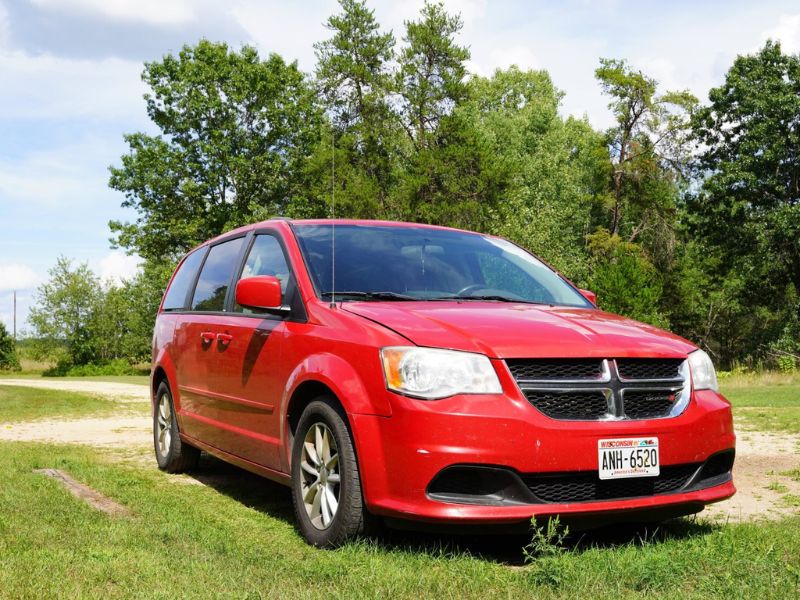
Credit: www.fixdapp.com
Comparison: Dodge Caravan Years To Avoid Vs. Safer Years
To help you quickly compare, here’s a side-by-side look at problem years and more reliable alternatives.
| Year | Reliability | Main Issues | Average Repair Cost |
|---|---|---|---|
| 2001 | Poor | Transmission, electrical | $2,500+ |
| 2008 | Poor | TIPM, stalling | $1,500–$3,000 |
| 2011 | Poor | Engine failure, brakes | $3,000+ |
| 2014 | Fair | Electrical, brakes | $1,200–$2,000 |
| 2018 | Good | Minor electronics | $500–$1,000 |
| 2019 | Good | Few minor issues | $400–$900 |
Models from 2018–2020 are generally safer bets if your budget allows. The 2014–2017 range is better than earlier years, but still not as trouble-free as newer options.
Why Do Some Dodge Caravan Years Have More Problems?
Several factors contribute to the reliability problems seen in certain years:
Rushed Redesigns
When Dodge introduced a new generation or major updates, the first couple of years often had the most teething problems. For example, the 2001 and 2008 models both marked big changes and both suffered from high rates of mechanical and electrical issues.
Cost-cutting Measures
In some years, Dodge tried to keep the Caravan affordable by using cheaper parts or skipping quality checks. This led to more breakdowns, especially in the transmission, engine gaskets, and electrical modules.
Complex Electronics
As technology advanced, Caravans became packed with more electronics—power doors, entertainment systems, backup cameras. But these systems were sometimes unreliable, especially in the early years of new tech. TIPM failures in the 2008–2014 range are a good example.
Delayed Recalls And Fixes
Dodge was sometimes slow to issue recalls or offer repairs for known problems. This meant owners had to pay for expensive fixes themselves, or live with repeated breakdowns.

Credit: www.copilotsearch.com
How To Spot A Problematic Dodge Caravan Before Buying
If you’re considering a used Caravan, especially from one of the risky years, here are some practical steps to reduce your chances of buying a lemon:
- Check the VIN for Recalls: Enter the vehicle identification number (VIN) on the official NHTSA website. Look for any open recalls, especially for the transmission or TIPM.
- Request a Full Maintenance History: A well-maintained van is less likely to have big surprises. Ask for service records and check for frequent visits for the same problem.
- Get a Pre-Purchase Inspection: Pay a trusted mechanic to check the engine, transmission, brakes, and electrical system. This is worth the cost.
- Test All Electronics: Make sure every button, window, door, and light works as expected. Intermittent problems are warning signs.
- Listen for Unusual Noises: During a test drive, pay attention to clunks, bangs, or grinding sounds—especially from the transmission or suspension.
- Look for Water Damage: Check under carpets and seats for dampness or moldy smells.
- Watch for Warning Lights: A dashboard full of warning lights is a clear red flag.
Real Owner Experiences: What The Data Shows
Owner complaints and repair data tell the true story about which Caravan years to avoid. Two key sources are the National Highway Traffic Safety Administration (NHTSA) and CarComplaints. com.
For example, the 2011 Caravan has over 1,000 complaints on CarComplaints. com, with engine failure being the #1 issue. The 2008 model also ranks high for electrical problems and stalling. In contrast, the 2018 and newer models have far fewer complaints and recalls.
What’s surprising is how many owners reported multiple major repairs before the van hit 100,000 miles. This is much worse than most competitors, like the Honda Odyssey or Toyota Sienna, which usually last longer with fewer big repairs.
Better Alternatives To The Dodge Caravan Years To Avoid
If you’ve decided to skip the high-risk Caravans, there are several good alternatives in the same price range:
- Honda Odyssey (2011–2017): More reliable, smoother ride, and fewer major problems.
- Toyota Sienna (2012–2018): Known for longevity and low repair costs.
- Kia Sedona (2015–2019): Good features and reliability for the money.
- Chrysler Pacifica (2017+): Shares some DNA with the Caravan, but has better safety ratings and reliability.
These models may cost a bit more up front, but you’re less likely to face big repair bills.
Data Table: Most Common Dodge Caravan Problems By Year
To further help your decision, here’s a summary of the top complaints for each problematic year:
| Year | Transmission | Engine | Electrical | Brakes/Suspension |
|---|---|---|---|---|
| 2001 | High | Medium | High | Medium |
| 2008 | Medium | Low | High | Low |
| 2011 | Medium | High | Medium | High |
| 2014 | Low | Low | Medium | Medium |
| 2016 | Medium | Low | Medium | High |
| 2017 | Medium | Medium | Medium | Low |
Two Insights Most People Miss About Dodge Caravans
First, many buyers don’t realize that fleet sales (like rental companies and government agencies) made up a huge part of Caravan sales, especially in the later years. Fleet vehicles are often maintained well, but they can also be driven hard and have higher wear and tear. Always check if the van was used in a fleet before you buy.
Second, even within a risky year, trim level matters. Some base models have fewer electronics and are less likely to have TIPM or power door issues. Simpler is sometimes better, especially with used Caravans.
What To Do If You Already Own A High-risk Dodge Caravan
If you already have a Caravan from one of the years to avoid, don’t panic. There are steps you can take to lower your risk of a major breakdown:
- Stay on top of maintenance. Change the transmission fluid and engine oil more often than the manual suggests.
- Fix small problems early. Don’t ignore warning lights or minor electrical glitches.
- Upgrade failing parts. Consider replacing the TIPM or transmission with upgraded, aftermarket versions that address the original flaws.
- Keep records. Good documentation can help if you need to make a warranty claim or sell the van later.
Frequently Asked Questions
What Is The Worst Year For The Dodge Caravan?
Most experts agree that 2011 is the worst year for the Dodge Caravan. It had a high number of engine failures, often before 100,000 miles, and frequent brake and transmission problems. Owner complaints and repair costs were both above average.
Are Newer Dodge Caravans (2018–2020) Reliable?
Yes, the 2018–2020 Dodge Caravans are much more reliable than earlier years. Major issues with transmission and electrical systems are rare, and most repairs are minor. These models also have better safety features.
How Can I Check If A Used Dodge Caravan Has Open Recalls?
You can use the NHTSA’s online recall tool. Enter the VIN (vehicle identification number) to see if any recalls are open. It’s a good idea to check before buying any used car. Here’s a link to the official NHTSA recall page.
Is It Expensive To Repair A Dodge Caravan?
Repair costs depend on the problem. Transmission repairs can run $2,500–$4,000, while electrical fixes often cost $500–$1,500. Newer models have lower repair costs, but older, high-risk years can be expensive to own.
What Alternatives Are Better Than A Risky Dodge Caravan?
The Honda Odyssey and Toyota Sienna are both more reliable choices in the minivan market. If you want something newer, the Chrysler Pacifica is also a good option with improved safety and technology.
Choosing a used minivan is a big decision—one that can affect your family’s safety, comfort, and finances for years. The Dodge Caravan offers a lot, but only if you pick the right model year. By avoiding the problematic years, checking a van’s history, and considering alternatives, you can drive away with confidence.
And remember, sometimes spending a little more up front means saving a lot more in the long run.
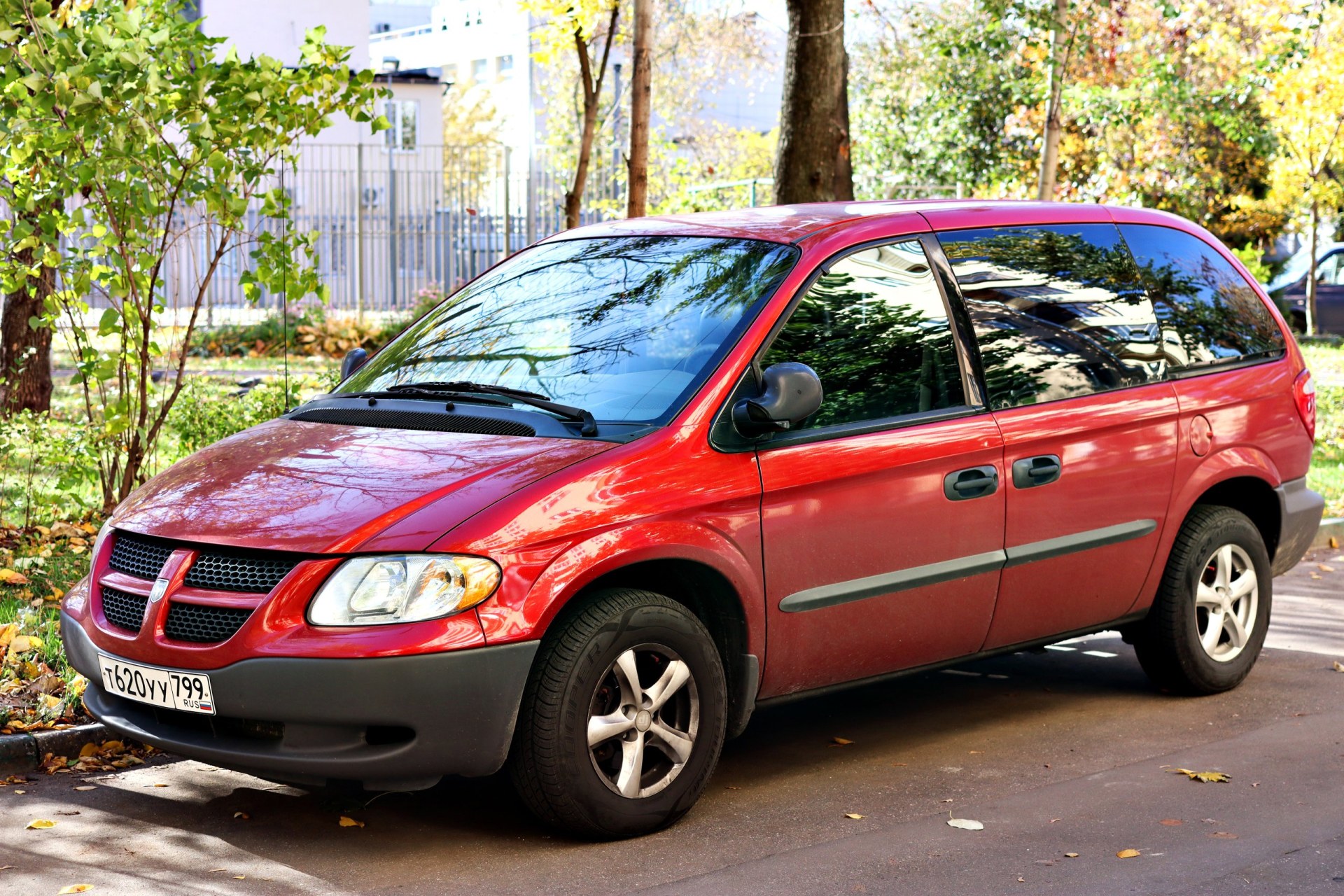
Credit: www.fixdapp.com