Buying a used luxury SUV is a big decision, and the Range Rover Sport is often at the top of many wish lists. With its stylish design, strong off-road ability, and plush interior, it has much to offer. But not every model year delivers the same experience. Some years bring expensive headaches that can leave you frustrated and out of pocket. If you want to make a smart choice, it’s important to know which Range Rover Sport years to avoid, and which ones are safer bets.
This guide breaks down the real-world reliability, common issues, and owner experiences across different generations. You’ll see patterns that many buyers miss. Along the way, you’ll find expert insights, comparison tables, and answers to questions most people forget to ask.
Whether you’re new to Land Rover or just want the best value for your money, this article will help you avoid costly mistakes.
Why Range Rover Sport Reliability Varies By Year
The Range Rover Sport has evolved since its debut in 2005. Each generation brought new engines, electronics, and features. While innovation is exciting, it also means some years introduced unproven technology or suffered from quality control problems. Land Rover’s reputation for dependability has improved, but older models especially can be risky.
Key factors affecting reliability by year:
- Engine design: Some engines have known weak points, like timing chain issues or turbo failures. For example, early supercharged V8s had timing chain tensioners that wore out quickly, often before 70,000 miles. Diesel engines in some years developed injector leaks, causing rough running and expensive repairs.
- Electronics: Earlier models often have more electrical glitches. Some owners report window switches failing, instrument clusters going dark, or navigation screens freezing. These faults can affect basic functions like climate control or safety alerts.
- Build quality: Manufacturing standards improved in later years, reducing common faults. Older models may have misaligned doors, rattling panels, or weak seals that let in water and dust.
- Recalls and updates: Some years had major recalls, while others benefited from mid-generation fixes. For instance, the 2015 model received updates to its infotainment system, reducing touchscreen failures, while earlier years did not.
Understanding these patterns is the first step to avoiding the worst years. Many buyers only look at price or mileage, but knowing about these key changes can prevent unexpected breakdowns and high repair bills.
Range Rover Sport Generations And Key Changes
Before diving into specific years to avoid, it helps to understand how the Range Rover Sport lineup has changed over time. Here’s a quick overview.
| Generation | Production Years | Main Changes |
|---|---|---|
| First (L320) | 2006–2013 | Debut model, shared many parts with Land Rover LR3/Discovery 3. Early electronics, V8/V6 engines. |
| Second (L494) | 2014–2022 | All-new platform, lighter body, more tech, turbocharged engines, better ride quality. |
| Third (L461) | 2023–present | Latest design, advanced infotainment, hybrid options, improved reliability (too new for long-term data). |
Most problem years come from the first two generations. The current (third) generation is still new, so it’s too early to judge long-term reliability. Some early reports suggest improvements, but until these models have several years on the road, caution is wise.
Technology and hybrid systems are promising, but new features can also bring new problems.
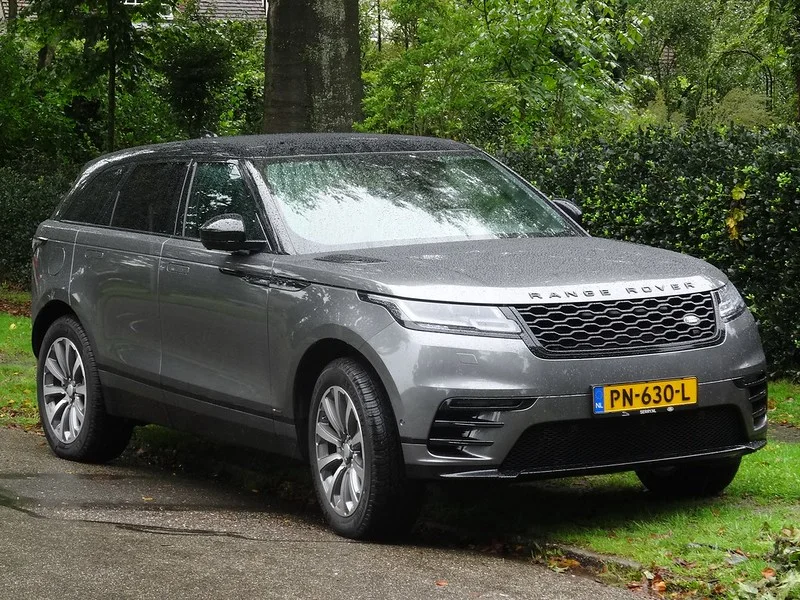
Credit: www.copilotsearch.com
Years To Avoid: First Generation (2006–2013)
The first-gen Range Rover Sport set the style but struggled with dependability. Many owners reported frequent repairs, high costs, and annoying breakdowns. Some years are especially risky.
2006–2008: Early Production Problems
The 2006–2008 Range Rover Sport models are best avoided. As the first years of the lineup, they suffered from both design and manufacturing issues.
Major problems:
- Air suspension failures: Owners often faced sagging suspensions, costly compressor replacements, and airbag leaks. The system sometimes failed suddenly, leaving the SUV stuck in “limp” mode, unable to drive at normal speed.
- Electrical glitches: Dashboard warnings, faulty sensors, and random warning lights were common. In many cases, these electrical faults would return even after repairs, leading to frustration.
- Transmission troubles: The ZF 6-speed automatic sometimes failed, leading to expensive rebuilds. Symptoms include shifting delays, slipping gears, or “gearbox fault” warnings.
- Cooling system leaks: Radiator and hose leaks could cause overheating. If unnoticed, this could damage the engine, leading to even higher costs.
If you’re considering these years, expect higher repair bills and more time in the shop. Some buyers have reported that their first-gen Sport spent weeks waiting for parts—especially for suspension or electrical components.
2009–2010: Some Improvements, But Still Risky
Land Rover made some updates in 2009, but not enough to solve major reliability problems. These years still share many weak points with earlier models.
Ongoing issues:
- Electronic parking brake malfunctions: Repairs can cost over $1,000. The parking brake sometimes locks unexpectedly, making it hard to move the vehicle.
- Timing chain tensioner failures (especially on the V8): Catastrophic engine damage is possible if not addressed. Some owners experienced engine “knocking,” and in worst cases, full engine replacement was needed.
- Navigation and infotainment bugs: Outdated systems often glitch or fail. Maps may not load, and Bluetooth connectivity may drop frequently.
Some owners found these models improved slightly, but the risks remain high. Routine maintenance helps, but many faults are hard to predict.
2011–2013: Better, But Watch For Engine Issues
By 2011, quality control improved. However, some models—especially those with the 5.0L V8 engine—have known engine problems.
Things to watch:
- Supercharged V8 timing chain issues: Premature wear can cause engine failure. Listen for rattling noises on cold starts, a sign of chain or tensioner problems.
- Water leaks: Sunroof drains and door seals often fail, leading to interior damage. Moldy carpets and electrical shorts are common consequences.
- Air suspension still unreliable: Later years improved but problems persist. Compressor replacements are less frequent, but valve block failures and airbag leaks still occur.
If you want a first-gen model, 2012 or 2013 are the safest bets, but only if service history is perfect. Always ask for documentation of timing chain service and check for signs of water damage.
Years To Avoid: Second Generation (2014–2022)
The second-gen Range Rover Sport brought better ride quality, lighter weight, and more tech. However, new engines and electronics created new trouble spots, especially in early years.
2014–2016: New Platform Teething Problems
The launch of the L494 generation brought excitement, but also first-year bugs.
Known issues:
- Infotainment and electronics failures: Touchscreen freezes, backup camera faults, and Bluetooth dropouts. Sometimes, navigation resets while driving or phone pairing disconnects unexpectedly.
- Turbo engine problems: The 3.0L diesel and supercharged V6 engines sometimes suffered from turbo failure, coolant leaks, or timing chain rattle. Turbo replacements are costly and may require full engine removal.
- Air suspension compressor failure: This problem continued from the previous generation. Newer compressors helped, but valve blocks and sensors still fail.
- Build quality inconsistencies: Some owners reported rattles, loose trim, and water leaks. In some SUVs, rear hatch seals leaked during heavy rain, soaking luggage areas.
Repairs in these years can be expensive due to the cost of new technology and labor. Many shops charge premium rates for Range Rover Sport repairs, and specialty tools are needed for some fixes.
2017–2018: Mixed Results
By 2017, Land Rover fixed many early issues, but some persistent problems remained.
Concerns include:
- Diesel particulate filter (DPF) failures: Diesel models can clog DPFs, resulting in limp mode or costly repairs. DPF cleaning is often not enough, and full replacement can run over $2,000.
- Door lock and window regulator failures: Annoying but less catastrophic than engine issues. Window regulators sometimes fail suddenly, leaving windows stuck open or closed.
- Random electrical faults: These can be hard to diagnose. Owners report “ghost” faults—sensors showing errors, then clearing themselves, making it tricky for mechanics to find the root cause.
These years are not as risky as 2014–2016, but buyer caution is still wise. Always check for DPF and window regulator repairs in the service history.
2019–2022: More Reliable, But Not Perfect
The last years of the second generation are generally safer, but not trouble-free.
Main complaints:
- Infotainment lag: Some users still report slow or buggy screens, though software updates help. In some cases, updates from dealers have fixed these issues, but older software can still cause delays.
- Minor trim and finish issues: Less serious, but annoying in a luxury SUV. Loose panels or squeaky seats are sometimes reported.
- Occasional hybrid system problems: On plug-in hybrid models, some owners report charging or battery faults. Battery replacement costs are high, and charging issues may need dealer intervention.
If you want a newer Range Rover Sport, these years are your best bet, but always check for recalls and service history. Also, make sure hybrid models have battery health reports, as batteries degrade over time.
The Most Problematic Years: A Closer Look
Some years are especially notorious for problems. Here’s a comparison of the worst offenders and what makes them stand out.
| Model Year | Common Issues | Estimated Repair Cost (Annual) |
|---|---|---|
| 2006 | Air suspension, transmission, electrical, cooling leaks | $2,500–$4,000 |
| 2008 | Timing chain, parking brake, infotainment glitches | $2,000–$3,500 |
| 2014 | Infotainment, turbo engines, air suspension | $2,500–$4,500 |
| 2015 | Electronics, turbo issues, build quality | $2,000–$4,000 |
It’s not just about how often these SUVs break down—it’s also about how expensive and complicated repairs can be. That’s why avoiding these years can save you thousands. For example, a failed air suspension compressor or timing chain repair can cost more than the value of the vehicle in some cases.
Common Range Rover Sport Problems: What To Watch For
Even in better years, the Range Rover Sport can have recurring issues. Knowing these helps you spot warning signs before buying.
Air Suspension System
The air suspension provides a smooth ride and adjustable height, but it’s a weak point in many models. Signs of trouble include:
- Vehicle sitting low or uneven after parked
- Loud compressor noises
- “Suspension Fault” warnings
Fixing air suspension problems can cost $1,000 to $3,000, depending on what fails. Sometimes, multiple components fail together, increasing costs. If not fixed quickly, suspension faults can affect tire wear and driving safety.
Engine Issues
Engines in some years, especially the 5.0L V8 and certain diesels, have high failure rates.
- Timing chain rattle is a red flag—if ignored, it can destroy the engine. This is most common in cold weather and during startup.
- Oil leaks, coolant leaks, and overheating are also common. Check under the hood for residue or sweet smells, signs of leaks.
Some owners report sudden engine shutdowns, usually linked to sensor faults or timing chain problems. Regular oil changes and using proper fluids help, but cannot prevent all failures.
Electrical And Infotainment Glitches
Modern Range Rover Sports are packed with tech, but that means more things can go wrong.
- Frozen touchscreens
- Random warning lights
- Faulty sensors
- Bluetooth and navigation problems
Some issues are minor, but others can be expensive to fix and affect your driving safety. For example, faulty parking sensors can make parking difficult, and a dead touchscreen may leave you without climate control or navigation.
Water Leaks
Sunroof drains, door seals, and window trims sometimes fail, letting water into the cabin. Over time, this leads to mold, damaged electronics, and bad smells.
It’s wise to check the vehicle’s carpets, headliner, and rear cargo area for signs of moisture. Water leaks can damage wiring harnesses, leading to electrical faults that are hard to trace.
Transmission And Drivetrain
Older models (especially 2006–2009) can have transmission failures or “shuddering” under acceleration. Repairs are costly, often over $3,000. A worn transmission may show delayed shifts, jerky movement, or warning messages. If these signs appear, avoid buying without a full transmission inspection.
Owner Experiences: Real-world Stories
Many Range Rover Sport owners love their vehicles, but those who bought trouble years often share similar regrets.
Common owner complaints:
- “I spent more time at the mechanic than on the road.”
- “The air suspension failed twice in one year.”
- “I lost Bluetooth, radio, and navigation—all at once. Dealer couldn’t fix it.”
- “After 80,000 miles, the timing chain rattled, and the repair cost almost $5,000.”
On the other hand, owners of later models or well-maintained examples report far fewer issues. Regular maintenance and buying from a reputable seller make a big difference.
Some experienced buyers note that choosing an SUV with a full dealer history, and checking for major repairs already done, makes ownership much smoother. Also, joining online owner groups helps find trusted mechanics and learn about hidden issues.
How To Check If A Used Range Rover Sport Is Safe To Buy
Avoiding problem years is smart, but even a “good” year can be risky without careful checks. Here’s how to protect yourself.
- Get a full service history: Confirm regular oil changes, timing chain replacements (if needed), and recall fixes. Look for records from Land Rover dealerships, as they use proper tools and parts.
- Order a pre-purchase inspection: A trusted mechanic can spot hidden issues. Insist on a lift inspection to check for leaks and suspension faults.
- Check for warning lights: Make sure no dashboard lights are on during your test drive. Some sellers clear codes temporarily—ask to scan the vehicle with a diagnostic tool.
- Test all electronics: Try the infotainment, windows, sunroof, and air suspension at different heights. Don’t skip any features—test everything, including heated seats and cameras.
- Look for water leaks: Check carpets, headliner, and trunk for dampness or mold. Open all doors and the rear hatch during heavy rain to check for dripping water.
- Ask about recalls: Use the VIN to check for open recalls on the NHTSA website.
Many buyers skip some of these steps, but taking the time now can save thousands later. Also, ask the seller for both key fobs, and check they work. Missing keys are expensive to replace.
Better Alternatives: Safer Range Rover Sport Years
Not every Range Rover Sport is a bad bet. Some years have better reliability and owner satisfaction.
Generally safer model years:
- 2012–2013 (end of first generation): Most early bugs fixed, but check engine type.
- 2017–2018 (mid-second generation): Many electronics and drivetrain issues resolved.
- 2019–2022 (late second generation): Improved build quality, fewer complaints.
Always check each vehicle’s service history before buying—even the best years can be risky if poorly maintained. Consider certified pre-owned models, which often include extended warranties and thorough inspections.
Range Rover Sport Vs. Competitors: Reliability Comparison
If you’re open to other luxury SUVs, it’s helpful to see how the Range Rover Sport stacks up.
| Model | Average Reliability Rating (1–5) | Estimated Annual Repair Cost | Owner Satisfaction |
|---|---|---|---|
| Range Rover Sport | 2.0 | $1,200–$4,500 | Moderate |
| BMW X5 | 3.0 | $1,000–$3,000 | High |
| Mercedes-Benz GLE | 3.5 | $1,100–$3,200 | High |
| Audi Q7 | 3.0 | $1,000–$2,800 | High |
While the Range Rover Sport offers unique style and off-road ability, it often ranks lower for reliability and costs more to repair than German rivals. If you need maximum reliability, these alternatives may save money and reduce stress.
Non-obvious Insights: What Most Buyers Miss
- Low mileage is not always better: Some buyers think a low-mileage Range Rover Sport is safer, but older SUVs with little use can have dried-out seals, old fluids, or hidden rust. Sometimes, a higher-mileage SUV with strong service records is a smarter bet. Also, vehicles driven regularly are less likely to have battery and electrical problems.
- Aftermarket warranties are rarely worth it: Many third-party warranties for older Range Rover Sports have lots of exclusions. They often refuse to pay for air suspension, electronics, or engine failures—which are the most common issues. Read the fine print and ask for sample claim histories before buying any warranty.
- Check the key fob and spare keys: Range Rover Sport key fobs are expensive to replace and can cause starting issues if not working properly. Always make sure both keys are included and functional. Missing keys can cost up to $700 to replace and program.
Many buyers forget to ask for spare parts, such as wheel locks or owner manuals. These can make a big difference, especially when troubleshooting future problems.
Tips For Lowering Ownership Risk
If you’re set on buying a Range Rover Sport, these tips will help protect your investment:
- Buy from a certified dealer: Certified pre-owned vehicles have passed inspections and often include warranties. This can cover expensive repairs in the first year.
- Set aside a repair fund: Plan for $2,000–$3,000 in repairs per year, even on better models. This helps avoid stress when unexpected issues arise.
- Join owner forums: Communities like rangerovers.net offer real-world advice and troubleshooting tips. You can find mechanics, learn about recalls, and share experiences.
- Stick to stock: Avoid heavily modified SUVs, as aftermarket changes can create new problems. Upgraded suspension or wheels often stress other parts and may void warranties.
Buying from private sellers can be cheaper but riskier. Always insist on detailed records and a full inspection before handing over any money.
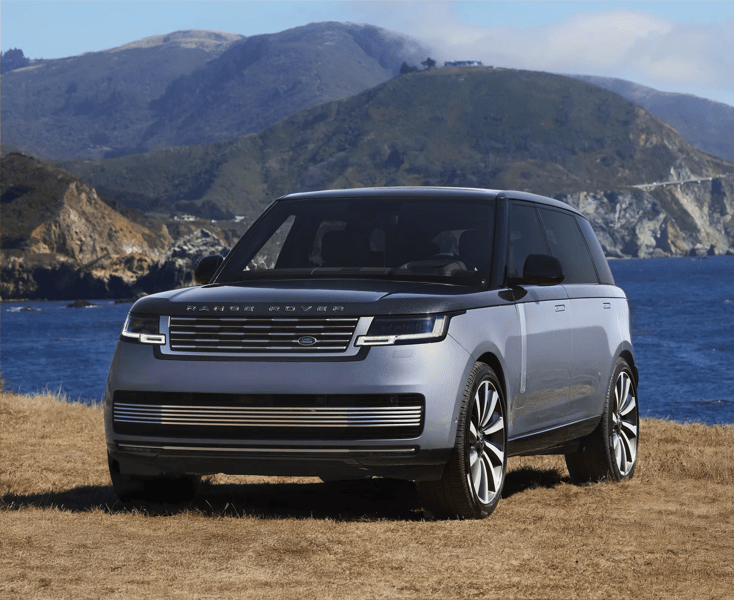
Credit: www.autotrader.com
Frequently Asked Questions
What Range Rover Sport Years Are The Most Reliable?
Generally, the 2012–2013, 2017–2018, and 2019–2022 models have the best reliability. These years benefited from engineering updates and fewer complaints. However, maintenance history matters more than just the year—always check service records.

Credit: www.reddit.com
Is It Expensive To Maintain A Range Rover Sport?
Yes, maintenance and repair costs are higher than average. Expect to pay $1,200–$4,500 per year, depending on the model year and how well it was cared for. Air suspension, electronics, and engine repairs are the most costly.
Should I Buy A Range Rover Sport With Over 100,000 Miles?
It’s possible, but only if the vehicle has a complete service history and has had major repairs done (timing chains, air suspension, etc. ). Many high-mileage Range Rover Sports develop expensive problems, so a detailed inspection is essential.
What’s The Biggest Mistake Buyers Make With Used Range Rover Sports?
Many buyers skip the pre-purchase inspection or trust the seller’s word. This can lead to surprise repairs costing thousands. Always have a qualified mechanic check the SUV before buying, and check for open recalls.
Are There Safer Alternatives To The Range Rover Sport?
Yes. The BMW X5, Mercedes-Benz GLE, and Audi Q7 offer similar luxury and performance with generally better reliability and lower repair costs. If off-road ability is less important, these are smart alternatives. For more details, see owner ratings and reviews on the Consumer Reports website.
If you’re set on the Range Rover Sport, go in with eyes open and budget for repairs. With careful shopping, you can enjoy a great SUV and avoid the years most likely to let you down.