The Chevy Blazer is a well-known name in the world of SUVs. For many, it brings back memories of tough off-road adventures and family road trips. Over the decades, the Blazer has changed styles, sizes, and even its main purpose, shifting from a rugged, truck-based SUV to a more modern, street-friendly crossover. But as with many long-running vehicles, not all model years have the same reputation. Some years are praised for their reliability and value, while others are remembered for their frequent problems and high repair costs.
If you’re thinking about buying a used Chevy Blazer, it’s important to know which years to avoid. This guide will take you through the main trouble spots, highlight the risky years, and help you make a smart choice. We’ll dig into real-world owner complaints, technical issues, recalls, and expert opinions.
Whether you’re a first-time buyer or a car enthusiast, this article will give you clear, practical advice to help you avoid costly mistakes.
The Evolution Of The Chevy Blazer
The Chevy Blazer has a long history, with changes that reflect shifts in the SUV market. Understanding these changes can help you spot which years might have more issues.
The original K5 Blazer (1969–1994) was a full-size SUV designed for tough use. It was replaced by the S-10 Blazer (1983–2005), a smaller, more city-friendly option. In 2019, Chevrolet revived the Blazer as a mid-size crossover, focusing on comfort and style.
Here’s a quick look at the main Blazer generations:
| Generation | Years | Main Features |
|---|---|---|
| K5 Blazer | 1969–1994 | Full-size, body-on-frame, off-road focused |
| S-10 Blazer | 1983–2005 | Compact/mid-size, V6 engines, more urban use |
| Modern Blazer | 2019–present | Mid-size crossover, front- or all-wheel drive, more comfort |
Each era of the Blazer has its own strengths and weaknesses. Problems often depend on the type of technology and engineering used at the time.
How We Identify Chevy Blazer Years To Avoid
Many sources talk about “bad” model years, but it’s important to know how those decisions are made. Here’s how the most problematic Blazers are identified:
- Owner Complaints: Reports from real Blazer owners, especially on sites like CarComplaints and NHTSA.
- Recall History: Some model years have more recalls, especially for safety-related issues.
- Repair Costs: High repair bills, frequent breakdowns, or parts that fail too early can make a year risky.
- Expert Reviews: Insights from mechanics and automotive journalists.
- Long-Term Reliability: How Blazers from each year hold up after many miles.
Years with many problems in these areas are the ones buyers should be most cautious about.
Chevy Blazer Years With The Most Problems
Not every Blazer year is risky, but certain years have a clear pattern of complaints and expensive repairs. Let’s look at the most common “years to avoid” for each generation.
S-10 Blazer (1995–2005): Trouble Spots
The S-10 Blazer was a popular SUV in the 1990s and early 2000s. However, some years in this generation have a poor reputation for reliability.
1995 Chevy Blazer
The 1995 model year marked a major redesign for the S-10 Blazer. While it introduced modern features, it also brought many problems:
- Transmission Failure: Many owners report the automatic transmission failing before 100,000 miles. Repairs often cost $2,000 or more.
- Electrical Issues: Problems with the power windows, locks, and dashboard lights are common.
- Fuel Pump Failure: Sudden loss of power while driving, which can be dangerous.
Non-obvious insight: Many 1995 Blazers have rust-prone underbodies, especially in states that use road salt. This isn’t always visible during a quick inspection.
1996 Chevy Blazer
This year continued some of the earlier problems and added new ones:
- Lower Intake Manifold Gasket Leaks: Coolant leaks into the engine, causing overheating or engine damage.
- ABS Brake Failure: Owners report the ABS light coming on and brakes acting unpredictably.
- Door Hinge Sagging: Over time, the heavy doors start to drop, making them hard to close.
1996 is a common year for expensive repairs, especially for high-mileage vehicles.
1998–2000 Chevy Blazer
These years often appear on “avoid” lists due to:
- Heater Core Failure: Leaking coolant inside the cabin, which is costly to fix.
- Ball Joint and Suspension Wear: The front suspension wears out quickly, leading to poor handling and uneven tire wear.
- Transmission Problems: Shift delays and slipping gears are frequent complaints.
A non-obvious issue: The 1998–2000 Blazer’s 4WD system is known for getting stuck or not engaging properly, especially in cold weather.
Early 2000s S-10 Blazer: Aging Problems
The last years of the S-10 Blazer (2001–2005) brought fewer big changes, but many of the same problems continued:
- 2001–2002: ABS control module failure, fuel gauge inaccuracies, and ongoing suspension problems.
- 2003–2005: Fewer complaints, but by this time, the design was outdated, and reliability was still below average.
Modern Chevy Blazer (2019–present): New Generation Issues
When Chevrolet brought back the Blazer in 2019, it switched to a more modern crossover design. While this made the Blazer more comfortable and stylish, it also brought some first-year model problems.
2019 Chevy Blazer
The 2019 Blazer is a bold redesign, but as with many first-year models, it has teething issues:
- Infotainment Glitches: Owners often report the screen freezing, Bluetooth not connecting, or the backup camera failing.
- Transmission Hesitation: Some drivers notice rough shifting or delayed acceleration, especially with the 9-speed automatic.
- Water Leaks: A surprising number of complaints involve water leaking into the cabin, especially around the doors or sunroof.
A non-obvious insight: The 2019 Blazer’s electrical system is complex, and some owners have trouble with battery drain—even when the car is parked.
2020 Chevy Blazer
The 2020 model fixed some issues but still had its share of problems:
- Engine Stalling: Reports of the engine shutting off unexpectedly, sometimes traced to faulty sensors.
- Paint Quality: Some owners notice chipping or peeling paint earlier than expected.
- Climate Control Problems: Air conditioning not working or blowing hot air is a common complaint.
While fewer than the 2019 model, these issues can still lead to expensive repairs.
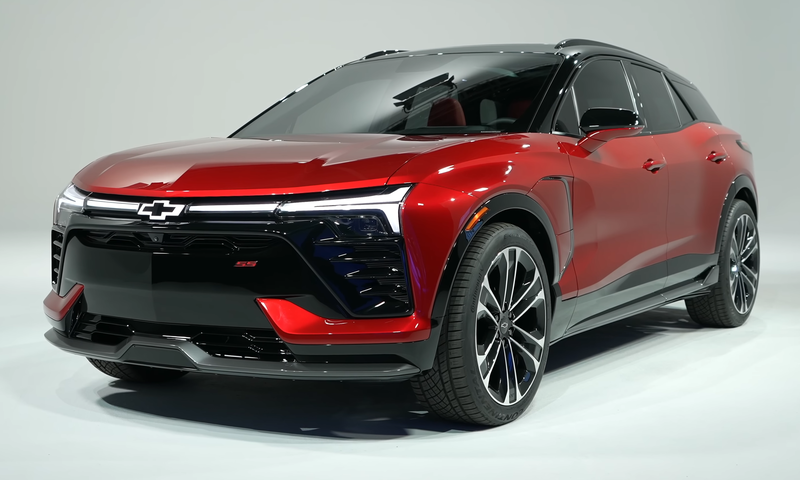
Credit: www.copilotsearch.com
Chevy Blazer Years That Are Generally Safe
Not every Blazer is a risk. Some years are known for better reliability and fewer complaints. If you’re set on a Blazer, these years are often a safer bet:
- 1994 (last K5): Strong, but may be hard to find in good shape.
- 2003–2005 (S-10): Last years of the old design, with most bugs fixed.
- 2021–2023 (Modern): Fewer complaints, improved tech, and better overall owner satisfaction.
Of course, buying a used car always carries some risk, but these years are less likely to bring big surprises.
Most Common Chevy Blazer Problems By Year
To make things clearer, here’s a comparison of the most frequent problems for key model years:
| Year | Main Issues | Average Repair Cost |
|---|---|---|
| 1995 | Transmission failure, electrical faults, fuel pump | $1,500–$3,000 |
| 1996 | Intake gasket leak, ABS failure, door sagging | $800–$2,500 |
| 1998–2000 | Heater core, suspension, 4WD issues | $1,000–$2,200 |
| 2019 | Infotainment, transmission, water leaks | $600–$2,000 |
| 2020 | Engine stalling, paint, climate control | $700–$1,500 |
Why Certain Chevy Blazer Years Are Risky
Let’s look at some reasons why specific Blazer years stand out as ones to avoid.
First-year Redesigns
Automakers often have the most problems when they introduce a new generation or major redesign. These “first-year” models can have untested technology, manufacturing bugs, or poor quality control. The 1995 and 2019 Blazers are good examples.
Overlapping Technology Changes
The late 1990s saw a lot of new features added to the Blazer—like advanced electronics and new drivetrain options. While this made the Blazer more modern, it also created more opportunities for things to go wrong. The 1996–2000 models often suffer from parts that weren’t fully tested for long-term reliability.
Cost-cutting And Aging Platforms
As a vehicle gets closer to the end of its production run, manufacturers sometimes cut corners to save money. The early 2000s Blazers didn’t get much investment, and their quality control slipped compared to earlier years.
Hidden Factors Many Buyers Miss
Most people focus on big, obvious problems like engine or transmission failures. But there are some less obvious issues that can make owning a “bad” Blazer year frustrating.
Rust And Corrosion
Many S-10 Blazers, especially from the 1990s, are known for rust-prone frames and body panels. This is especially true in the Midwest and Northeast, where road salt is common. A Blazer that looks fine outside can have serious rust underneath that weakens the frame or suspension.
Hard-to-find Replacement Parts
For older Blazers, certain parts—like the ABS control module or interior switches—can be surprisingly hard to find. This can drive up repair costs even for “small” problems.
Complex Electrical Systems
Modern Blazers (2019+) have much more complicated electronics. A failing sensor or control module can cause multiple systems to stop working, making diagnosis and repair expensive and time-consuming.
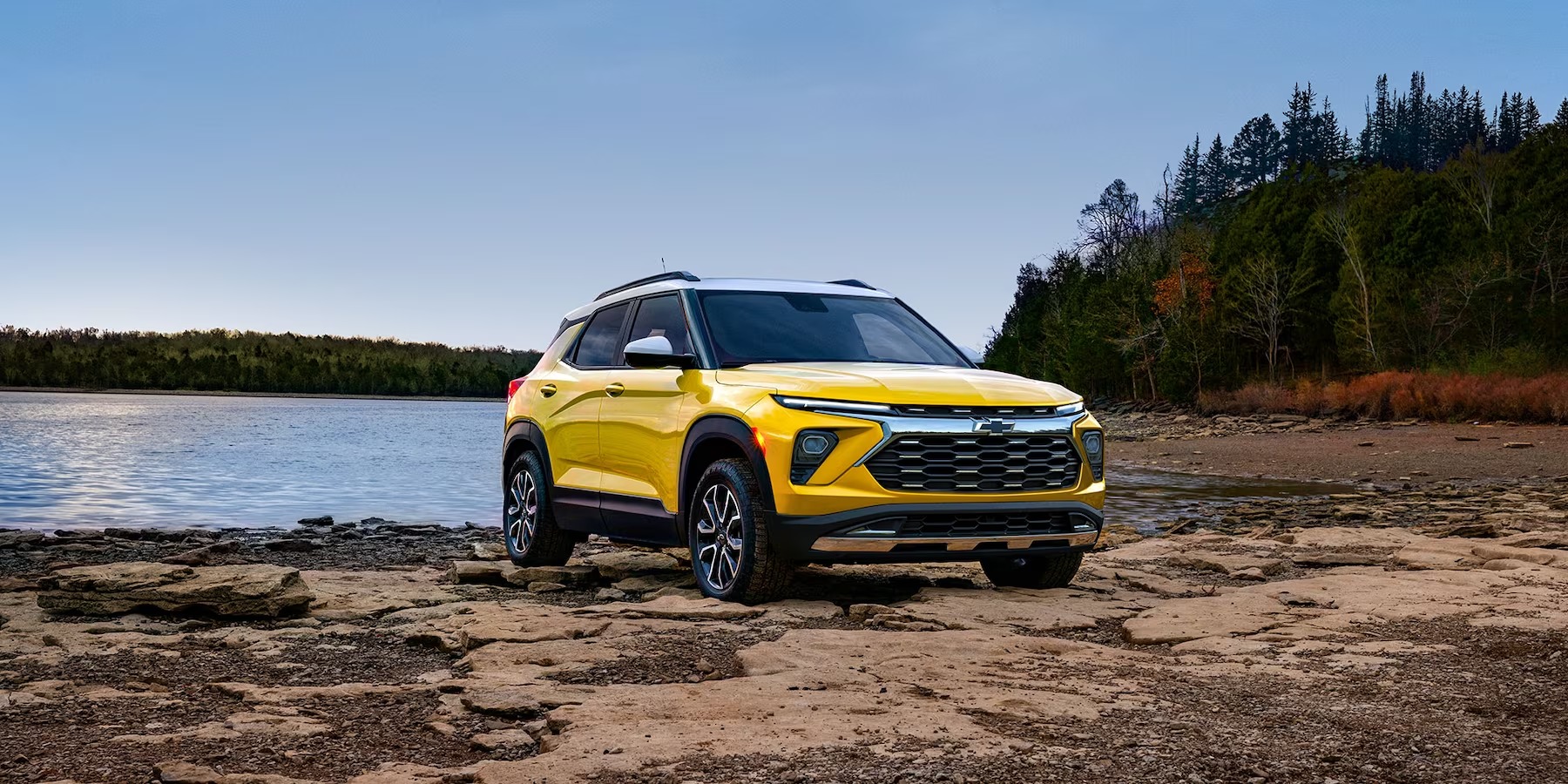
Credit: www.bannerchevy.com
What To Check When Buying A Used Chevy Blazer
If you’re considering a used Blazer, it’s smart to do a careful inspection. Here’s what to focus on, especially for “risky” years:
- Transmission Shifting: Take a long test drive. Shift through all gears and check for delays or harsh shifts.
- 4WD System: Engage and disengage 4WD several times to make sure it works smoothly.
- Check for Leaks: Look under the car for oil, coolant, or transmission fluid leaks. Check inside for damp carpets or musty smells.
- Electronics: Test all switches, windows, locks, and the infotainment system.
- Rust: Inspect the frame, rocker panels, and underbody. Tap with a screwdriver to check for weak spots.
- Service Records: Ask for proof of regular maintenance, especially for timing belt/chain, fluid changes, and suspension work.
A professional inspection is a good idea, even if the car seems fine.
Cost Of Ownership: Good Years Vs. Bad Years
Buying a “safe” Blazer year can save you thousands in repair costs. Here’s a simple comparison of average yearly ownership costs for good and bad years:
| Model Year | Average Annual Repair Cost | Likelihood of Major Repair |
|---|---|---|
| 1996 (problematic) | $700–$1,100 | High |
| 2004 (safer) | $400–$700 | Low |
| 2019 (problematic) | $500–$1,000 | Medium |
| 2022 (safer) | $300–$500 | Very Low |
A risky year can double or triple your costs compared to a well-chosen model.
Chevy Blazer Recall History
Recalls can be a good sign of how much trouble a vehicle year has caused. The 1995–1998 and 2019–2020 Blazers have had the most recalls, mostly for:
- Braking Problems: ABS system failures that increase stopping distance.
- Fuel System Issues: Leaks or faulty fuel pumps that can cause stalling.
- Electrical System Faults: Problems that can lead to loss of power or even fires.
For a full list of recalls, you can check the NHTSA website.
Chevy Blazer Years To Avoid: Quick Reference
If you want a fast summary, here are the Chevy Blazer years to avoid:
- 1995
- 1996
- 1998
- 1999
- 2000
- 2019
- 2020
These years have the highest number of complaints, the most expensive repairs, and the biggest risks for buyers.
Better Alternatives To Risky Blazer Years
If you like the Blazer but want fewer headaches, consider these options:
- 2004–2005 S-10 Blazer: Fewer major problems, easier to maintain.
- 2021–2023 Blazer: Modern features with better reliability.
- Chevy Trailblazer: A related model with a better record in some years.
- Toyota 4Runner or Honda Passport: Often more reliable if you’re open to other brands.
Sometimes, spending a little more on a newer or better-maintained model will save you money and hassle in the long run.
Practical Tips For Blazer Buyers
- Avoid “too good to be true” deals on the years listed above. Cheap Blazers from risky years are often that price for a reason.
- Check the VIN for recalls and make sure all recall work was done.
- Ask about specific repairs. For example, has the transmission or intake manifold gasket been replaced?
- Budget for extra repairs if you choose a “bad” year. Unexpected costs can add up quickly.
- Join Blazer forums. Real owners often share tips about what breaks and how to spot problems.
When A Risky Blazer Year Might Still Make Sense
In rare cases, buying a Blazer from a risky year can be okay—if you know exactly what you’re getting into.
- Full Service History: A Blazer with all major repairs done by a reputable shop can be less risky.
- Low Mileage: A “bad year” Blazer with very low miles and no rust may still be a fair deal.
- You’re Handy With Repairs: If you can fix things yourself, you’ll save money on labor.
But for most buyers, it’s smarter to stick to the safer years.
Frequently Asked Questions
What Is The Worst Year For The Chevy Blazer?
The 1995 Chevy Blazer is widely considered the worst due to high rates of transmission failure, electrical problems, and rust. Repair costs are often much higher than average, and the vehicle may spend more time in the shop.
Are The 2019 And 2020 Chevy Blazers Reliable?
The 2019 and 2020 Blazers had several first-year issues, including infotainment glitches, water leaks, and engine problems. While not as bad as some older models, buyers should be careful and check for recalls and service history.
Which Chevy Blazer Years Are The Most Reliable?
The 2004–2005 S-10 Blazers and the 2021–2023 modern Blazers have the best reputation for reliability. They have fewer owner complaints and lower average repair costs.
What Are Common Signs Of Trouble In A Used Blazer?
Watch for rough shifting, warning lights on the dash, leaks under the car, rust on the frame, and electronics that don’t work. These are often signs of bigger (and expensive) problems.
How Can I Check If A Blazer Has Open Recalls?
You can use the NHTSA recall lookup tool (enter the VIN) to see if a specific Blazer has any open recalls. Always confirm with the seller that recall work has been completed.
Buying a used Chevy Blazer can offer good value and fun driving, but only if you choose the right year. By avoiding the problematic years and doing careful research, you’ll be more likely to enjoy your Blazer for years to come.

Credit: www.copilotsearch.com