

The Honda HR-V has become a popular choice in the small SUV market, thanks to its practical design, fuel efficiency, and reputation for reliability. However, like any vehicle, not every model year is created equal. Some HR-V years stand out as dependable and affordable, while others have faced complaints, recalls, or known mechanical issues.
If you are considering buying a used HR-V or want to know which models to avoid, this guide will help you make a smarter decision.
Understanding which Honda HR-V years to avoid can save you money, time, and headaches down the road. This article looks at model years with the most problems, explains common issues, and compares the HR-V to competing vehicles. You’ll also get practical advice on what to look for when buying a used HR-V and tips for getting the best value.
Overview: The Honda Hr-v Story
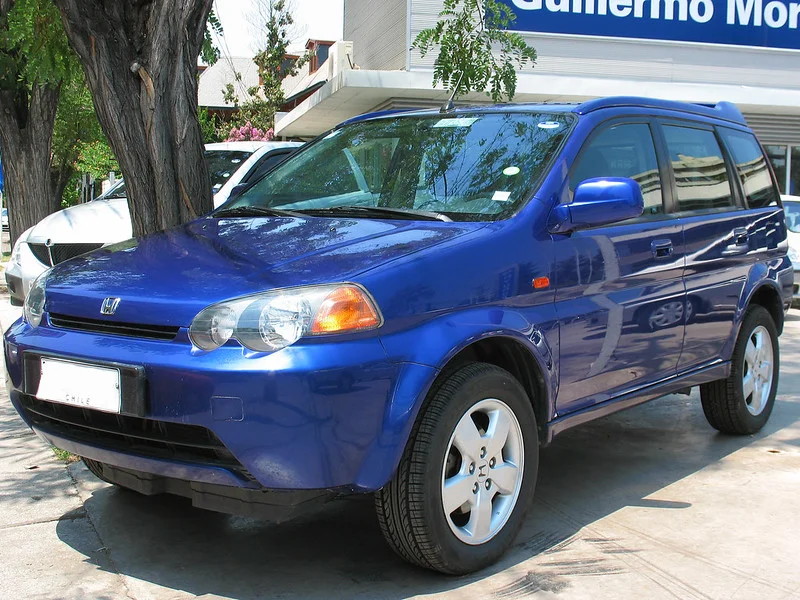
The Honda HR-V (Hi-rider Revolutionary Vehicle) first launched in Japan in the late 1990s, but the US and global market got the HR-V in 2015. It quickly gained attention for its compact size, spacious interior, and economical engine. Since its North American debut, the HR-V has gone through multiple generations:
- First Generation (1999–2006, global)
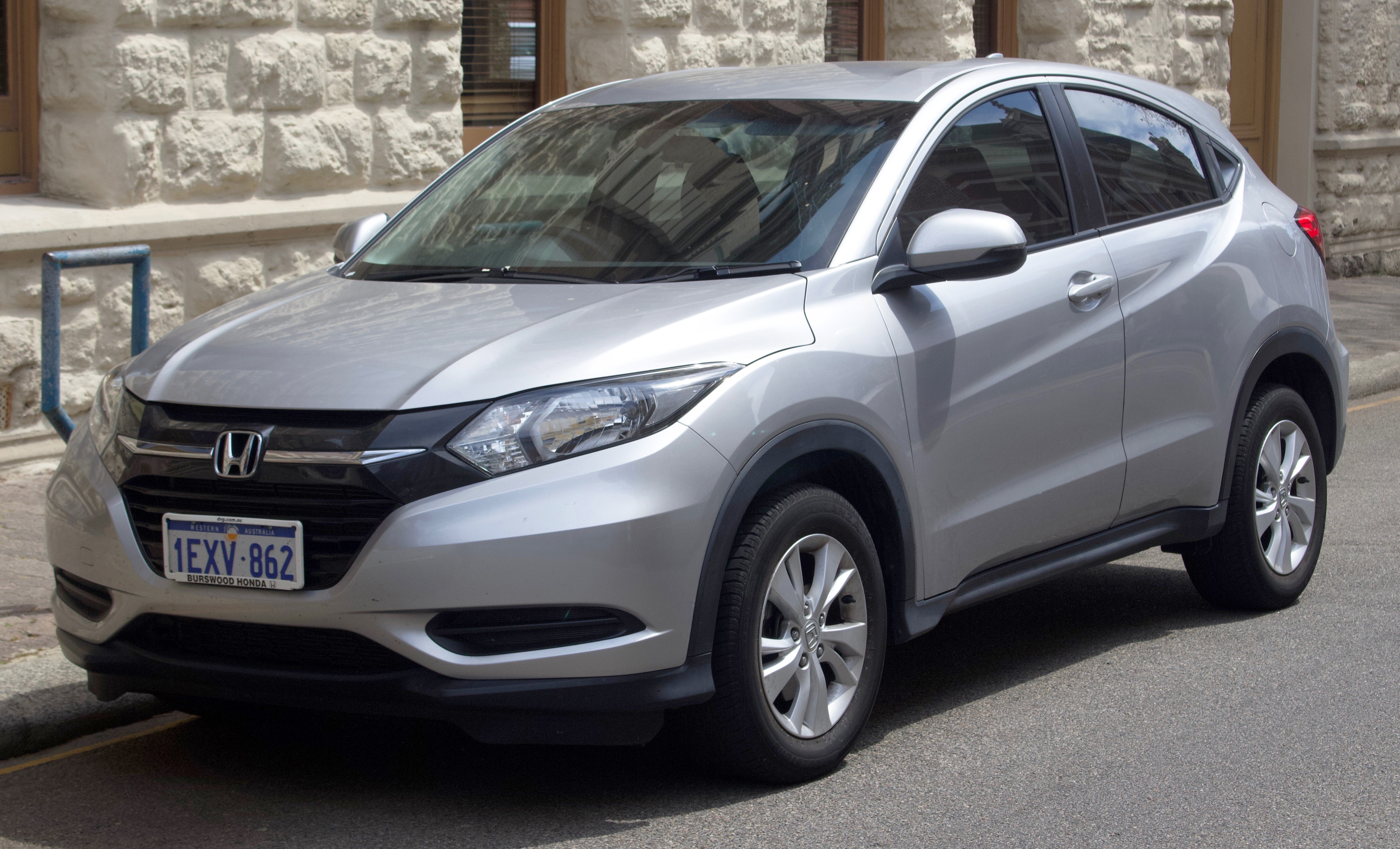
- Second Generation (2015–2021, US/global)
- Third Generation (2022–present, US/global)
The HR-V’s strong points include a flexible “Magic Seat” system, high fuel economy, and Honda’s reputation for longevity. The Magic Seat is especially unique because it allows you to fold the rear seats in several ways, making it easy to carry tall or bulky items that might not fit in other small SUVs.
However, some model years have been less successful, with more owner complaints and reliability issues. It’s important to understand the evolution of the HR-V, as Honda made improvements with each new generation, addressing past complaints and updating features to meet changing market demands.
Which Honda Hr-v Years To Avoid
Not all HR-Vs are problematic, but certain years stand out for frequent complaints, mechanical failures, or expensive repairs. Below, you’ll find more detail about the model years most experts and owners suggest you think twice about:
2016 Honda Hr-v
The 2016 HR-V was the first year of the second generation in the US. As with many first-year models, it suffered from several teething problems.
Common Problems
- Transmission Issues: Many owners reported jerky shifting, delayed acceleration, and, in some cases, complete transmission failure. The continuously variable transmission (CVT) was often at the center of these complaints. For example, some owners noticed a sudden loss of power when merging onto highways or experienced a “shuddering” feeling when accelerating from a stop.
- Electrical Problems: Malfunctions with the push-button start, infotainment system glitches, and random warning lights were common. In some cases, the car would not start, or the dashboard would flash multiple warnings even when there was no real problem.
- Paint and Interior Quality: Some owners noticed paint peeling or chipping sooner than expected, as well as cheap-feeling interior plastics that wore out quickly. Sun-exposed areas, like the roof and hood, were especially vulnerable to fading.
Why Avoid?
The 2016 HR-V had a higher number of complaints compared to later models. Transmission repairs can be costly, often running $2,000–$4,000 if out of warranty. For a budget-minded buyer, these risks can outweigh the low purchase price. Also, because it was the first year of a new generation, some design flaws had not yet been discovered or fixed by Honda.
2017 Honda Hr-v
While not as problematic as the 2016 model, the 2017 HR-V continued to have several of the same issues, particularly with the CVT.
Common Problems
- Continuing Transmission Problems: Owners mentioned rough shifting and hesitation, although less severe than the 2016. For example, drivers sometimes felt a lag when accelerating from a stop or noticed the transmission slipping at highway speeds.
- Electronics: Some infotainment system bugs and backup camera failures occurred. The backup camera would sometimes freeze or show a blank screen, making parking more difficult.
- AC/Climate Control: Reports of weak air conditioning, especially in hot climates. In some cases, the AC would not cool the car enough on sunny days, which became a significant comfort issue.
Why Avoid?
Improvement was slow, and while some issues were addressed, the 2017 HR-V still had enough complaints to be considered a risk, especially regarding the transmission. Buyers often overlook how small electronic glitches can become major annoyances over time, especially if the car is out of warranty.
2015 Honda Hr-v (global)
Though not officially launched in the US until 2016, the 2015 HR-V was available in other markets and faced similar first-year issues.
Common Problems
- Early Transmission Failures: Particularly outside North America, the first-year HR-V sometimes suffered from premature CVT breakdown. Some owners had to replace the transmission within the first 30,000–50,000 miles, much earlier than expected for a Honda.
- Fit and Finish: Reports of rattling noises, poor seat quality, and early wear on interior materials. Squeaks and rattles could start appearing after a year or two, especially on rough roads.
Why Avoid?
First-year models often face untested design problems. Unless you find a 2015 HR-V with a full service history and low mileage, it’s often safer to choose a later year. In addition, some parts for non-US models are harder to find, which can drive up repair costs.
2019–2020 Honda Hr-v
While most HR-Vs from 2018 onward have been reliable, the 2019 and 2020 models saw a spike in complaints about new technology and infotainment problems.
Common Problems
- Touchscreen/Infotainment Glitches: Owners reported the screen freezing, lagging, or not responding. In some cases, the audio system would restart randomly while driving.
- Bluetooth Connectivity: Trouble pairing phones and frequent call drops. This made hands-free calling unreliable, which can be a safety concern.
- Safety Sensor Issues: Problems with lane-keeping assist and collision warning sensors malfunctioning. Sometimes, the system would issue false warnings or fail to detect obstacles.
Why Avoid?
These aren’t as serious as transmission failures, but if you rely on tech features, the hassle can be frustrating. Modern drivers expect these systems to work reliably, especially since they are standard on newer vehicles.
The Most Reliable Honda Hr-v Years
Not all HR-Vs are problematic. If you want peace of mind, these years stand out for strong reliability and owner satisfaction:
- 2018: Most early CVT and electronics issues resolved. Owners saw fewer complaints, and the car’s resale value remained strong.
- 2021: Last year of the second generation, with most kinks ironed out. By now, Honda had addressed many earlier flaws, making it a popular choice for families and commuters.
- 2022–present: Newest models feature updated design, better tech, and improved reliability scores. The third generation introduced better safety features and higher-quality interiors.
If you’re shopping for a used HR-V, focusing on these years can help you avoid most of the major headaches reported in earlier models.
Major Honda Hr-v Problems Explained
Understanding the main issues with the HR-V can help you spot trouble before buying. Here’s a closer look at the most frequent complaints.
Transmission (cvt) Problems
The CVT transmission is efficient but has proven sensitive in early HR-Vs. Common symptoms include:
- Slipping or jerky shifting
- Delayed acceleration
- Sudden loss of power
Repairs can be expensive, and replacements often cost more than $3,000. Many problems appear after 60,000–80,000 miles, so always test drive for smooth shifting and ask for service records. It’s important to note that the CVT in the HR-V requires more frequent fluid changes than a traditional automatic.
Skipping these can accelerate wear and lead to expensive repairs. An experienced mechanic can often spot signs of CVT trouble during a pre-purchase inspection by listening for unusual noises or checking for vibration under acceleration.
Electrical And Infotainment Issues
The HR-V’s early infotainment system and electrical controls have caused owner frustration. Symptoms include:
- Unresponsive touchscreens
- Random warning lights
- Bluetooth problems
While these rarely affect safety, they can be expensive to fix if out of warranty. For example, replacing an infotainment unit can cost over $1,000 at the dealer. Some updates can be done by the dealer to fix bugs, but not all issues have a simple solution.
If you depend on navigation or hands-free calling, test these functions before you buy.
Paint And Interior Wear
Early HR-Vs sometimes had paint chipping on the hood or roof. Interior plastics could scratch or fade faster than expected. While not mechanical problems, they impact the car’s value and appearance. Resale value can drop if the car looks worn, even if it drives well. If you see lots of stone chips or fading, ask the seller about where the car was parked (e.g., outside in the sun).
Ac And Climate Control
Some models, especially in hot areas, have weak air conditioning. If you live in a warm climate, test the AC thoroughly. Also, check if the cabin air filter has been changed regularly; a clogged filter can make the AC less effective.
Weak AC is not only uncomfortable—it can also signal deeper issues with the compressor or refrigerant leaks.
Comparison: Hr-v Vs. Other Subcompact Suvs
If you’re considering the HR-V, it’s smart to compare it to similar vehicles. Here’s how the HR-V stacks up against key rivals:
| Model | Reliability Rating | Fuel Economy (mpg) | Cargo Space (cu ft) | Known Issues |
|---|---|---|---|---|
| Honda HR-V | Above Average (2018+) | 28 city/34 hwy | 24.3–58.8 | CVT, electronics (early years) |
| Toyota C-HR | High | 27 city/31 hwy | 19.1–37.0 | Slow acceleration |
| Mazda CX-3 | Above Average | 29 city/34 hwy | 17.8–42.7 | Limited rear space |
| Nissan Kicks | Average | 31 city/36 hwy | 25.3–53.1 | Basic interior, less power |
| Hyundai Kona | Above Average | 30 city/35 hwy | 19.2–45.8 | Stiff ride |
The HR-V stands out for its interior flexibility and cargo space. However, early transmission and tech issues make some years riskier than rivals like the Toyota C-HR or Mazda CX-3. If you value sporty handling, the Mazda might be better. For maximum reliability, the Toyota C-HR is a strong contender, but its smaller cargo area and slower engine can be a drawback for some families. The Hyundai Kona is a good choice if you want more engine options, including a turbocharged model or even an electric version.
Recalls And Safety Concerns
Recalls are a strong indicator of widespread problems. Here’s a summary of major HR-V recalls by year:
| Year | Number of Recalls | Main Recall Reasons |
|---|---|---|
| 2016 | 4 | Fuel pump, seat belt, software, airbags |
| 2017 | 3 | Fuel pump, wiring, airbags |
| 2018 | 2 | Seat belt, software |
| 2019 | 2 | Backup camera, airbags |
| 2020 | 1 | Fuel pump |
While later models have fewer recalls, always check the VIN of any used HR-V to make sure all recall work has been completed. Recalls are free to fix at a Honda dealer, but unfinished recalls can affect safety and even make it hard to register the car in some states.
Credit: www.copilotsearch.com
What To Check When Buying A Used Hr-v
If you decide to buy a used HR-V, careful inspection can help avoid costly mistakes. Here’s what to look for:
1. Transmission Performance
Take a long test drive. Pay attention to how smoothly the car accelerates and shifts. Any jerky movement or hesitation could signal a CVT problem. Try driving in both city and highway settings to see if problems show up under stress.
2. Infotainment And Electronics
Test every button, screen, and feature. Connect your phone via Bluetooth and check backup cameras and sensors. Don’t rush this step—sometimes glitches only appear after several minutes of use.
3. Ac And Climate Control
Run the air conditioning on a hot day to make sure it cools quickly and stays consistent. Also, check how fast the defroster clears the windshield in case you live in a cold area.
4. Exterior And Interior Condition
Look for paint chips, rust, or fading. Inside, check for worn seats, scratched plastics, or loose trim. Check the floor mats and trunk area, as these often show signs of heavy use.
5. Service Records
Ask for maintenance history. Regular transmission fluid changes and software updates are a good sign. Missing records can be a red flag, especially on older models.
6. Recalls
Use the NHTSA website or ask a dealer to check for outstanding recalls. Fixing these is free but can take time if parts are backordered.
7. Professional Inspection
If possible, have a trusted mechanic check the car before you buy. They can spot hidden problems that you might miss, like minor leaks or suspension issues.
Hidden Insights Most Buyers Miss
Even careful shoppers sometimes miss these key points when shopping for a used HR-V:
- Honda Extended Warranties: Some HR-Vs may still have a transferable Honda warranty, especially on certified pre-owned models. This can provide peace of mind if you’re worried about transmission issues. Always ask the seller if any warranty coverage is left.
- Software Updates Can Help: Many early tech and transmission problems were improved by dealer software updates. Ask if the vehicle’s systems have been updated to the latest versions. In some cases, a simple update can fix laggy touchscreens or minor shifting issues.
- Tire Wear Patterns: Uneven tire wear can signal suspension problems or alignment issues, which are more common on HR-Vs driven in rough climates or with aggressive driving. Check all four tires and run your hand across the tread—feathering or cupping can mean the car needs suspension work.
Many buyers skip checking for open recalls or forget to test every electronic feature, which can lead to frustration and extra costs after purchase.
Cost Of Ownership: Hr-v Vs. Competitors
Understanding the total cost of owning an HR-V helps put potential risks in perspective. Here’s a comparison of average annual ownership costs for the HR-V and its main competitors:
| Model | Estimated Maintenance/Repair (Yearly) | Fuel Cost (Yearly, avg) | Insurance (Yearly, avg) | Total (Yearly, avg) |
|---|---|---|---|---|
| Honda HR-V | $400 | $1,150 | $1,200 | $2,750 |
| Toyota C-HR | $350 | $1,180 | $1,250 | $2,780 |
| Mazda CX-3 | $410 | $1,120 | $1,230 | $2,760 |
| Nissan Kicks | $390 | $1,100 | $1,180 | $2,670 |
| Hyundai Kona | $420 | $1,140 | $1,210 | $2,770 |
The HR-V is competitive in yearly costs, but unexpected transmission repairs can push expenses much higher if you get a problematic year. If you’re on a tight budget, be sure to factor in the possibility of a costly repair, or consider buying a CPO model with warranty coverage.
Hr-v Ownership: Real Owner Experiences
Hearing from real HR-V owners adds important context. Many drivers praise the HR-V’s cargo flexibility and gas mileage. The flat-folding rear seats are a favorite feature for people who need to haul bikes, plants, or even small furniture.
However, negative reviews often mention:
- CVT Problems: Owners report frustration when the transmission fails after warranty ends, citing repair costs over $3,000. Some said their HR-V ran perfectly for years, then suddenly developed a major issue at 70,000 miles.
- Electronics: Some struggle with slow or unresponsive touchscreens, especially in hot or humid climates. Owners in southern states sometimes report more frequent glitches.
- Paint Quality: Owners in areas with harsh sunlight or lots of road debris mention paint fading or chipping sooner than expected.
On the positive side, many owners keep their HR-Vs for over 100,000 miles with only regular maintenance if they avoid the problematic years. There are also reports of HR-Vs passing 150,000 miles with few repairs, especially when the owner follows Honda’s maintenance schedule and addresses minor issues early.
Credit: www.copilotsearch.com
How To Maximize Value With A Used Hr-v
If you find a used HR-V from a riskier year but at a great price, you can still get good value if you take the following precautions:
- Budget for Repairs: Set aside $2,000–$3,000 in case of transmission issues if buying a 2016–2017 model. This way, you’re not caught off guard by a big expense.
- Negotiate: Use known issues as leverage to lower the price. If you find signs of wear or incomplete recalls, ask the seller to drop the price or fix the problems before you buy.
- Get a CPO or Dealer Warranty: Certified Pre-Owned (CPO) HR-Vs have extra protection. Even a short-term warranty can save you thousands if something goes wrong soon after purchase.
- Check for Recalls and Updates: Confirm all software, transmission, and safety recalls are complete. Dealers can provide a printout of completed work if you ask.
Another tip: Research local repair shop costs for Honda CVT service. If you have a trusted independent mechanic, regular fluid changes can help extend the life of the transmission.
Alternatives To The Honda Hr-v
If you decide the HR-V’s risk isn’t for you, the following alternatives are worth considering:
- Toyota C-HR: High reliability, less cargo space. Owners rarely report major repairs, but the engine is less powerful.
- Mazda CX-30 (replaced the CX-3): Sportier drive, stylish interior. Great for drivers who want a more engaging experience.
- Hyundai Kona: More engine options, strong tech features. Also available as a hybrid or electric vehicle in some markets.
- Nissan Kicks: Lower cost, but basic interior. Good choice for city driving or as a second car.
- Kia Seltos: Roomy, good value, long warranty. Many features for the price, and a strong warranty for peace of mind.
These models each have their own pros and cons, so compare features and test drive before deciding. Consider your main priorities—space, reliability, price, or style—to help narrow your search.
Expert Advice: Should You Buy A Used Hr-v?
If you want a used HR-V, aim for 2018 or newer. The 2016 and 2017 models are best avoided unless you get a fantastic deal and can handle potential repairs. Check for a clean title, full maintenance records, and proof that any recalls were completed.
Don’t be afraid to walk away from a deal if something feels wrong during the test drive. A little patience can help you find an HR-V that lasts for years with minimal trouble.
For more details about the Honda HR-V’s reliability and recalls, see the official NHTSA database.
Frequently Asked Questions
What Is The Worst Year For The Honda Hr-v?
Most experts agree the 2016 Honda HR-V is the worst year due to widespread CVT transmission problems, electrical glitches, and high repair costs. Avoiding this model year is a safe bet for most buyers.
How Long Does A Honda Hr-v Typically Last?
With regular maintenance, a well-cared-for HR-V can last over 150,000 miles. Later model years (2018 and up) are more likely to reach this mileage with fewer major repairs.
Are Honda Hr-vs Expensive To Maintain?
Overall, the HR-V is affordable to maintain, with typical yearly costs around $400 for repairs and maintenance. However, early transmission failures in some years can be very expensive if they occur outside of warranty.
Which Hr-v Model Years Are Most Reliable?
The most reliable HR-V years are 2018, 2021, and 2022–present. These models have fewer reported problems, better build quality, and updated tech.
What Should I Check Before Buying A Used Hr-v?
Inspect the transmission performance, test all electronics, check AC strength, look for paint or interior wear, and review the service history. Always check for open recalls and, if possible, get a professional inspection.
Choosing a used Honda HR-V can be a smart decision if you avoid the problem years and do your homework. By focusing on later models and carefully inspecting any vehicle you consider, you can enjoy the HR-V’s best features—without the risk.
Credit: www.samarins.com