

The Ford Escape is one of the most popular compact SUVs in the United States. For many drivers, it represents a great balance of size, price, and practicality. However, not all Ford Escape model years are created equal. Some years are known for serious issues that can lead to frustration and expensive repairs.
If you’re thinking about buying a used Ford Escape, it’s important to know which years to avoid and why.
This guide will give you a clear look at the Ford Escape years to avoid and explain what problems you might face. You’ll learn about common issues, the most reliable years, and tips for making a smart purchase. Many buyers miss hidden details when shopping for a used Escape, so this article will also share insights that can save you money and stress in the long run.
Why Some Ford Escape Years Are Risky
Not every car year is equal, even if the model looks similar. Some Ford Escape years were hit by design or mechanical flaws that led to recalls, customer complaints, and lower resale value. Factors like new engine designs, rushed updates, or cost-cutting can create years with more problems than others.
For example, a new engine type might sound exciting but could have teething issues in its first year. Similarly, electrical system changes sometimes lead to unexpected glitches. Ford, like other carmakers, learns from these mistakes and improves later versions. Understanding these patterns helps you avoid the years with the most trouble.
Ford Escape Years To Avoid
Based on owner complaints, expert reviews, and recall data, there are specific Ford Escape years that stand out for the wrong reasons. Here’s a breakdown of the most problematic Escape years and the main issues for each.
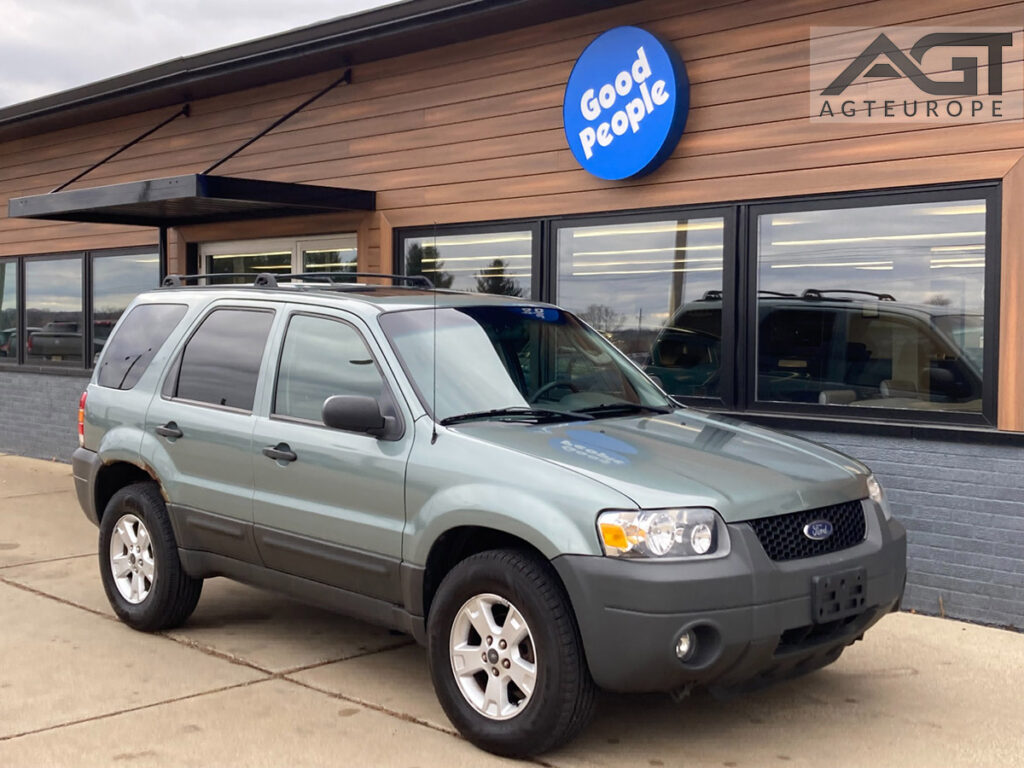
1. 2005 Ford Escape
The 2005 Escape has become infamous for hybrid battery failures and engine issues. Many owners reported that the hybrid battery stopped working well before expected, leading to expensive replacements. There were also complaints about ABS (anti-lock braking system) problems, making the vehicle less safe in emergencies.
2. 2008 Ford Escape
If you look at consumer reports and car forums, the 2008 Escape is often mentioned as a year to avoid. The biggest headache was the transmission. Many owners saw their transmissions fail as early as 60,000 miles. Repair costs often exceeded $3,000. Additionally, the steering system was known to fail, sometimes while driving.
3. 2009-2012 Ford Escape
These years saw repeated problems:
- Power steering loss: The electronic power steering system often failed, sometimes at highway speeds.
- Transmission slips: Owners reported rough shifting and complete transmission failures.
- Throttle body issues: The throttle body controls air to the engine. When it failed, the vehicle lost power and sometimes entered “limp mode.”
4. 2013 Ford Escape
The 2013 model year was a major redesign, but it came with serious problems:
- Engine fires: Some models with the 1.6L EcoBoost engine caught fire, even when parked.
- Coolant leaks: The engine’s cooling system could leak, leading to overheating and engine damage.
- Electrical glitches: Many owners saw warning lights and random shutdowns.
Ford issued many recalls for this year, but some issues still linger even after repairs.
5. 2014 Ford Escape
While the 2014 Escape fixed some of the previous year’s issues, it still had:
- Coolant leaks: Engine overheating remained common.
- Transmission problems: Hesitation and rough shifting continued.
- Electrical system faults: Owners saw problems with the navigation and infotainment systems.
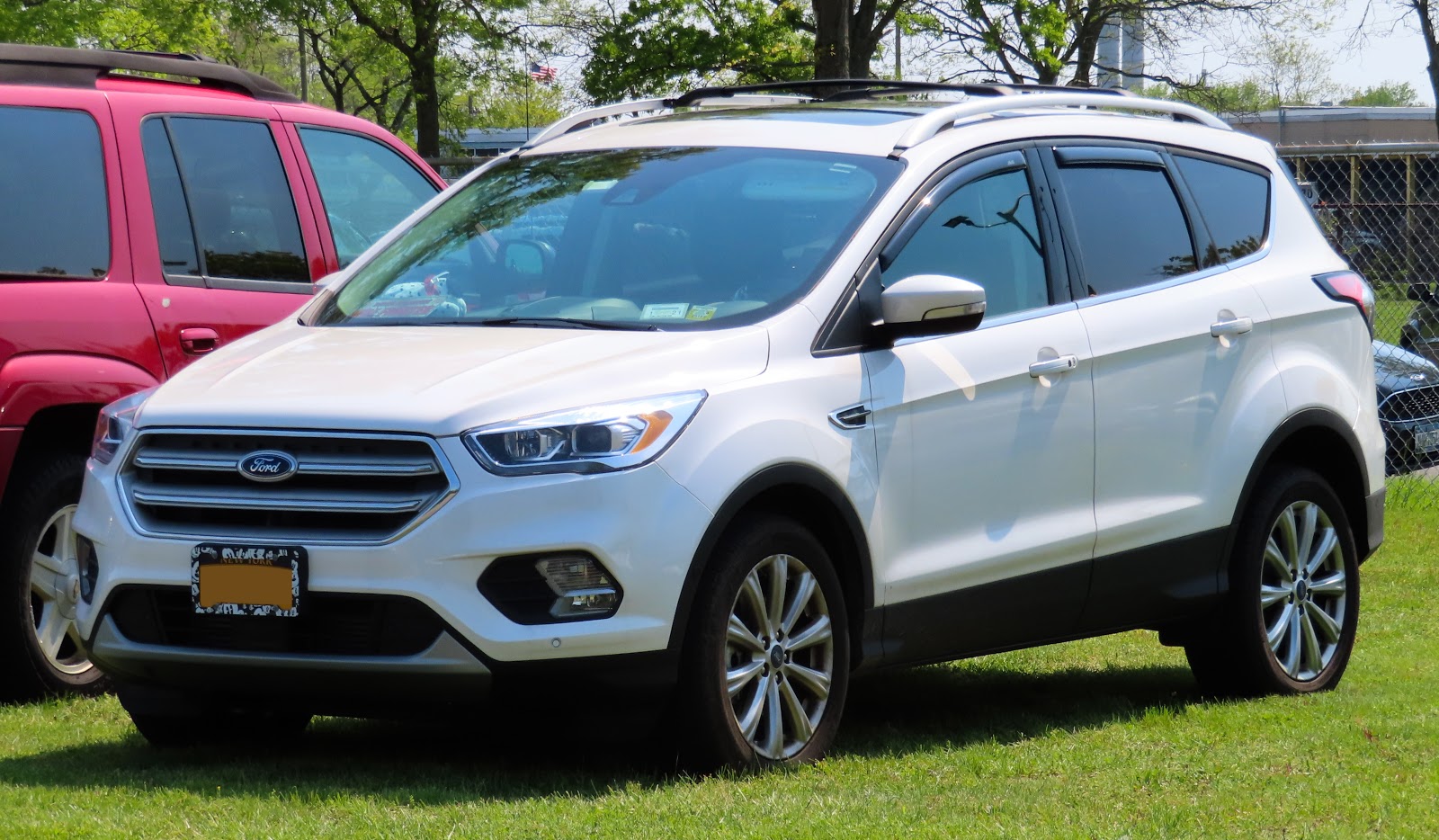
6. 2017 Ford Escape
The 2017 Escape didn’t have as many engine fires, but it introduced new headaches:
- Engine stalling: The 1.5L EcoBoost was prone to sudden stalls.
- Oil leaks: Poor seals led to oil leaking onto other engine parts.
- Transmission hesitation: Some drivers experienced delayed shifting, especially at low speeds.
7. 2020 Ford Escape
This recent year is already causing concern:
- Electrical system bugs: The high-tech dashboard and driver aids sometimes fail.
- Build quality issues: Rattles, loose trim, and water leaks are common.
- Brake problems: Some owners noticed reduced braking power, especially in hybrid models.
Credit: agtauto.com
The Most Common Ford Escape Problems
It helps to understand the main issues that affect the “years to avoid. ” Even if you’re looking at other model years, these problems can sometimes show up.
Transmission Failures
The Escape has a history of transmission trouble, especially with automatic models from 2008–2014. Symptoms include:
- Sudden loss of drive
- Rough or delayed gear changes
- Warning lights for the transmission
Transmission replacement can cost $2,500 to $4,000, making it one of the most expensive repairs.
Power Steering Loss
Electronic power steering systems (introduced in the late 2000s) sometimes fail without warning. You may notice:
- The steering suddenly becomes very heavy
- Warning messages appear on the dashboard
- Clunking noises when turning
This is a safety issue, especially at higher speeds.
Engine Overheating And Coolant Leaks
The 1.6L and 2.0L EcoBoost engines are known for coolant leaks. This can lead to:
- Engine overheating
- Steam or puddles under the car
- Check engine light
If not fixed, overheating can cause total engine failure.
Electrical And Sensor Issues
Modern Escapes have complex electronics. Common problems include:
- Random warning lights
- Infotainment system freezing or rebooting
- Power windows or seats not working
These glitches are annoying and often hard to diagnose.
Hybrid Battery Failure
For hybrid models, battery packs are supposed to last at least 100,000 miles. However, some 2005–2008 models needed new batteries much sooner, costing $3,000–$5,000.
Reliability Data And Owner Satisfaction
To see how different model years compare, look at owner surveys and reliability ratings. Here’s a summary using data from J. D. Power, Consumer Reports, and NHTSA (National Highway Traffic Safety Administration).
| Model Year | Owner Complaints | Major Recalls | Reliability Rating (out of 5) |
|---|---|---|---|
| 2008 | 2,300+ | 5 | 2.0 |
| 2013 | 2,800+ | 13 | 1.5 |
| 2014 | 1,700+ | 7 | 2.5 |
| 2017 | 900+ | 2 | 3.0 |
| 2020 | 600+ | 3 | 3.2 |
The spike in complaints and recalls for 2013 is especially clear. This shows why it’s considered the worst year for the Ford Escape.
Ford Escape Years That Are Safe To Buy
Not every Escape year is risky. In fact, many years have strong reliability and happy owners. If you want to avoid problems, consider these safer choices:
- 2006–2007: These models saw fewer transmission and engine issues.
- 2015–2016: Ford fixed many of the 2013–2014 problems.
- 2018–2019: Improved electronics and stronger engines.
- 2021–Present: Current models have better safety features and higher reliability scores.
Buying from these years increases your chances of getting a trouble-free Escape.
What Makes A Ford Escape Year Unreliable?
You might wonder why some years are so much worse than others. Usually, it’s a mix of new technology, rushed designs, and quality control issues.
Major Redesigns
When Ford launches a new Escape generation (like 2013 or 2020), the first year often has the most “bugs. ” Later years see those issues fixed.
Engine And Transmission Changes
Switching to EcoBoost engines in 2013 brought better fuel economy but also created new problems. The same goes for new automatic transmissions.
Electronic Upgrades
Modern cars are full of computers. When Ford added complex infotainment or safety systems, early versions sometimes had software and wiring issues.
Cost-cutting Measures
To keep prices low, Ford sometimes used cheaper materials or simplified designs. This can lead to more repairs over time.
How To Spot A Problematic Ford Escape
If you’re shopping for a used Escape, don’t just rely on the year. Some cars are well-maintained while others are not. Here’s how to avoid a bad purchase:
- Check the VIN for Recalls
- Use the car’s VIN (Vehicle Identification Number) on the NHTSA website to see if it has open recalls.
- Look for Service History
- A car with regular oil changes, transmission service, and recall repairs is usually safer.
- Inspect for Leaks and Warning Lights
- Check under the hood for coolant or oil leaks.
- Turn on the ignition and see if any warning lights stay on.
- Test Drive Carefully
- Listen for strange noises from the engine or transmission.
- Notice if the steering feels normal.
- Try all electronics, including windows and infotainment.
- Get a Pre-Purchase Inspection
- Pay a mechanic to check the car. They can spot hidden problems.
Buying from a private seller? Ask lots of questions. If the seller is vague or avoids details, walk away.
Real Owner Stories: What Can Go Wrong
Sometimes data isn’t enough. Here are some real-life examples of Escape owners who faced problems.
Transmission Failure At 70,000 Miles
A 2012 Escape owner reported that their SUV lost all power on the highway. The transmission failed suddenly, and the repair bill was $3,200. They later learned that many other owners had similar experiences.
Engine Fire In 2013 Model
A family bought a 2013 Escape with the 1. 6L EcoBoost. After only 45,000 miles, they noticed smoke from the hood. The engine caught fire in their driveway. Ford recalled this model, but the owner’s trust was lost.
Hybrid Battery Dies Early
A 2007 Escape Hybrid driver found their battery pack failed at just 75,000 miles. The replacement cost was more than the value of the car. This story is common among early hybrid models.
Electrical Gremlins In 2020 Model
A 2020 Escape owner noticed their dashboard would go black randomly. Sometimes the backup camera didn’t work. Dealers replaced the main computer module, but the issues returned after a few months.
These examples highlight why it’s important to research before you buy.
Credit: www.copilotsearch.com
How The Ford Escape Compares To Other Compact Suvs
The Escape competes with other compact SUVs like the Honda CR-V, Toyota RAV4, and Mazda CX-5. Here’s how the most problematic Escape years stack up against rivals:
| Model (Year) | Known Issues | Estimated Repair Cost (5 Years) | Reliability Score |
|---|---|---|---|
| Ford Escape (2013) | Engine fires, transmission, coolant leaks | $5,100 | 1.5/5 |
| Honda CR-V (2013) | Engine noise, air conditioning | $3,200 | 4.0/5 |
| Toyota RAV4 (2013) | Minor transmission, infotainment | $2,900 | 4.5/5 |
| Mazda CX-5 (2013) | Wind noise, infotainment | $2,800 | 4.2/5 |
As you can see, the Ford Escape from troubled years is more likely to have expensive problems. Rivals like the RAV4 and CR-V are safer bets if reliability is your top concern.
The Cost Of Ignoring Problem Years
Some buyers think they’ll save money by choosing an older or cheaper Escape. But this can backfire. Here’s why:
- Repair bills add up quickly. One major repair can erase any savings from a lower purchase price.
- Resale value drops. Cars from bad years lose value faster, so you’ll get less when you sell.
- Safety risks. Engine or steering failures can put you and your passengers in danger.
A smart buyer considers total ownership cost, not just the sticker price.
Practical Tips For Buying A Used Ford Escape
You can still find a good Escape if you avoid the trouble years and follow these steps:
- Aim for 2015 or newer: These models have fewer major complaints.
- Avoid high-mileage 2013–2014 models: Even with repairs, these are riskier.
- Check for recent recall repairs: Ask the seller for documents.
- Budget for unexpected repairs: Set aside $1,000 for emergencies.
- Read owner forums: Real owners share their experiences and tips.
Many buyers forget to check the car’s title status. Avoid cars with salvage or rebuilt titles, as these often hide past accidents or flood damage.
Hidden Insights: What Most Buyers Miss
- Recall repairs aren’t always a fix-all. Some Escape owners find that even after recall work, their cars still have issues. Always check the car’s history for repeated repairs.
- Hybrid models need special care. Mechanics often charge more for hybrid battery or electric motor work. Make sure your local shop can handle hybrids.
- Software updates matter. Many 2017 and newer Escapes rely on software for everything from transmission to climate control. Ask if the car has the latest updates.
- Rust can be an issue in northern states. Early Escapes (pre-2012) sometimes develop rust around the rear wheel wells and undercarriage, especially where salt is used on roads.
- Aftermarket warranties can help. If you must buy a risky year, consider a third-party warranty. But read the fine print—some don’t cover common Escape problems.
Ford Escape Recalls: What You Should Know
Ford has issued many recalls for the Escape over the years. Some were for minor issues, while others involved serious safety risks. For example:
- 2013–2014 engine fire recalls: Ford recalled over 140,000 Escapes for coolant leaks and fire risks.
- Power steering recalls (2008–2012): Many models were recalled for steering loss.
- Door latch recalls (2013–2016): Some Escapes had doors that could open while driving.
Always check for completed recall work before buying a used Escape. You can use the NHTSA recall lookup tool for free.
Should You Avoid All Used Ford Escapes?
Not at all. The Ford Escape has many strong years. It’s a good fit for families, commuters, and anyone who wants a compact SUV with good features and a comfortable ride. The key is to do your homework and choose the right year.
If you find a well-maintained Escape from a safe year (like 2015 or newer), you can expect:
- Good fuel economy (especially with EcoBoost or hybrid models)
- Comfortable seating for five
- Modern safety and infotainment features
But if you pick a year with known problems, you may spend more time at the mechanic than on the road.
When An Older Escape Can Still Make Sense
If your budget is tight, you might consider an older Escape (2006–2007 or 2010–2012). These models can still be reliable if they have:
- Complete service records
- Low mileage for their age
- No history of major repairs (like engine or transmission replacement)
- A clean title and accident-free past
Always get a trusted mechanic to inspect the vehicle before you buy. A little caution now can prevent big headaches later.
Ford Escape: Pros And Cons At A Glance
Here’s a quick summary to help you decide if the Escape is right for you.
Pros:
- Affordable used prices (in safe years)
- Good fuel economy, especially with turbo or hybrid engines
- Comfortable ride and roomy interior
- Available all-wheel drive
Cons:
- Some years have major reliability issues
- Expensive transmission or engine repairs in bad years
- Electronic glitches in newer models
- Lower resale value for problem years

Credit: www.copilotsearch.com
Final Words For Ford Escape Buyers
Choosing the right Ford Escape year can save you thousands of dollars and many headaches. Stay away from the worst years—especially 2008, 2013, and 2014. Focus on the safe years, check the car’s history, and get a professional inspection. With careful research, the Escape can be a smart, practical SUV for your needs.
If you want more information on recalls or vehicle history, check the official NHTSA recall database.
Frequently Asked Questions
Which Ford Escape Year Is The Most Reliable?
The 2015 and 2016 Ford Escape models are considered the most reliable. They have fewer engine and transmission issues and strong owner satisfaction scores. Look for models with complete service records for the best results.
How Long Does A Ford Escape Typically Last?
A well-maintained Ford Escape can last 150,000 to 200,000 miles. Regular maintenance, timely repairs, and avoiding problem years are key to reaching high mileage.
Is The Ford Escape Expensive To Maintain?
Maintenance costs are average for the class, but repair costs can be high in problem years. Major repairs like transmission or engine replacement can exceed $3,000. Safer model years have lower annual costs.
Are Ford Escape Hybrids Reliable?
Early Escape Hybrids (2005–2008) had battery and electrical issues. Newer hybrids (2020 and later) are more reliable but still new to the market. Make sure to check battery health before buying a used hybrid.
What Is The Worst Year For The Ford Escape?
Most experts and owner reports agree that 2013 is the worst year for the Ford Escape. Engine fires, coolant leaks, and transmission failures were common, leading to multiple recalls and high repair costs.