If you’re thinking about buying a used Chevrolet Equinox, you’re not alone. This compact SUV is popular for its comfortable ride, roomy interior, and budget-friendly price. However, not every Equinox is made equal. Some model years have serious problems that can lead to expensive repairs and headaches. Knowing which years to avoid can save you time, money, and stress.
This guide will help you spot the Chevrolet Equinox years to avoid, explain why those years are trouble, and show you which years are safer bets. You’ll see real examples, learn about common issues, and get practical advice for making a smart purchase.
Why Some Chevrolet Equinox Years Are Risky
The Chevrolet Equinox has been on the road since 2005. Over the years, it’s gone through different generations, engine options, and updates. But not every change has been for the better. Some years are known for engine troubles, transmission failures, or other costly problems.
Manufacturers sometimes fix old problems with new designs, but they can also introduce new ones. This is why you’ll see certain years get much more attention in complaints, recalls, and repair bills.
Common Trouble Spots
Here are the main problem areas that have affected the Equinox over the years:
- Engine failures (especially oil consumption)
- Transmission problems
- Electrical system glitches
- Air conditioning failures
- Timing chain issues
Not every car from these years will have problems, but the risk is much higher. Used car buyers and mechanics agree: avoiding the worst years can save you thousands.
Chevrolet Equinox Generations Overview
Before we get into the specific years, it’s helpful to understand how the Equinox has changed. Each generation brought new designs and engines.
| Generation | Years | Main Features |
|---|---|---|
| First | 2005–2009 | V6 only, basic tech |
| Second | 2010–2017 | 4-cyl and V6, new look, more tech |
| Third | 2018–present | Turbo engines, modern features |
Each generation has its strengths and weaknesses. The second generation (2010–2017) saw the most serious engine issues, but the first and third generations are not trouble-free.
The Worst Chevrolet Equinox Years To Avoid
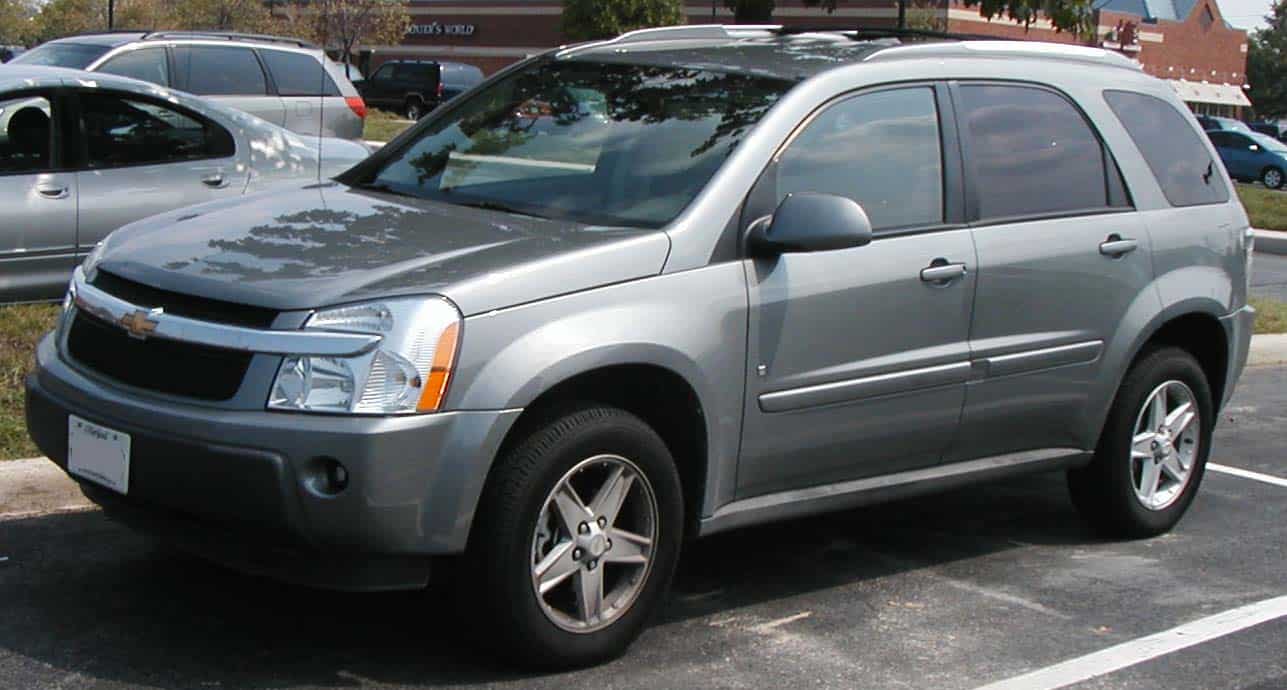
Let’s focus on the years that stand out for the wrong reasons. These model years have high numbers of complaints, expensive repairs, and sometimes even recalls. You’ll see why these years are risky, with real examples and data.
1. 2010 Chevrolet Equinox
The 2010 Equinox launched the second generation with a bang—but also with big problems. The most serious was the 2.4L four-cylinder engine.
Problems
- Excessive oil consumption — Owners report adding a quart of oil every 1,000 miles, sometimes more.
- Engine failure — Engines running low on oil can seize or die completely.
- Timing chain problems — This can cause the engine to shut down while driving.
- Costly repairs — Engine replacements can cost $3,000 to $5,000 or more.
- Air conditioning failures — The A/C compressor often fails and is expensive to fix.
Real Owner Example
Many owners reported their engines died before 100,000 miles. Some had to add oil every 500 miles just to keep the engine running.
Why Avoid
The 2010 Equinox is one of the most complained-about SUVs in its class. Even if you find a “good deal,” repairs can erase your savings.
2. 2011 Chevrolet Equinox
The 2011 model continued the same engine problems as 2010. In fact, the issues got even more attention.
Problems
- Oil consumption — The problem became so well-known that class-action lawsuits followed.
- Engine stalling — Some cars stalled in traffic, a major safety risk.
- Timing chain failure — Recalls and service bulletins did not solve the core issue.
- Transmission jerking — Some owners faced rough shifting or total failure.
- Interior noise — Rattles and squeaks became common as the car aged.
Real Owner Example
One owner reported oil burning at 50,000 miles, with the dealer refusing to cover repairs outside the basic warranty.
Why Avoid
The 2011 Equinox is a “red flag” year for used buyers. Oil and engine issues can happen with little warning.
3. 2012 Chevrolet Equinox
By 2012, Chevrolet tried to address some issues, but the fixes were not enough.
Problems
- Ongoing oil consumption — Many engines still burned oil quickly.
- PCV (positive crankcase ventilation) failure — Led to engine damage in cold weather.
- Check engine light — Many owners saw repeated warning lights.
- A/C system failures — Not fixed from earlier years.
- High repair costs — Problems often showed up after the warranty expired.
Real Owner Example
A driver in Minnesota had their engine fail in winter after the PCV froze, a known design flaw.
Why Avoid
The 2012 model still carried high risks with the 2.4L engine. Unless you find a rare, well-documented repair history, it’s best to skip.
4. 2013 Chevrolet Equinox
Chevrolet made small updates, but the core engine stayed the same.
Problems
- Oil burning — Still a top complaint.
- Timing chain failures — Engine damage if not replaced early.
- Rough idling and stalling
- Transmission issues — Less common, but costly when they occur.
- Electrical glitches — Problems with infotainment and warning lights.
Real Owner Example
One owner needed a full engine replacement at 75,000 miles, costing over $4,000.
Why Avoid
The 2013 Equinox is better than 2010–2012, but still risky due to persistent engine problems.
5. 2015 Chevrolet Equinox
By 2015, Chevrolet made updates, but some key issues remained. The 2. 4L engine was still used in many models.
Problems
- Oil consumption — Fewer cases, but still a threat.
- A/C compressor failure — Carried over from earlier years.
- Timing chain issues — Some unresolved cases.
- Infotainment problems — Touchscreen and Bluetooth failures.
Why Avoid
While not as bad as 2010–2013, the 2015 Equinox can have costly issues, especially if maintenance was skipped.
6. 2018 Chevrolet Equinox
The third generation began in 2018, with new engines and styling. But new problems appeared.
Problems
- Turbo engine issues — The 1.5L turbo sometimes develops oil leaks.
- Transmission hesitation — Some cars “hunt” for gears or hesitate to shift.
- Electrical problems — Touchscreen freezing, safety sensors malfunctioning.
- Interior build quality — Some owners complain about loose panels and cheap materials.
Real Owner Example
A 2018 owner complained about engine surging and stalling at highway speeds, traced to a software problem.
Why Avoid
The 2018 Equinox is not as bad as earlier years, but the new engines and electronics had “teething problems.” Repairs can be expensive.
Chevrolet Equinox Years With The Most Complaints
To see the bigger picture, here’s a data-driven look at Equinox complaint numbers from major reporting sites like CarComplaints and NHTSA.
| Model Year | Number of Complaints | Main Issue |
|---|---|---|
| 2010 | 1,200+ | Engine (oil consumption) |
| 2011 | 1,000+ | Engine (oil consumption) |
| 2012 | 700+ | Engine (oil consumption, PCV) |
| 2013 | 600+ | Engine (timing chain, oil) |
| 2018 | 400+ | Electrical, transmission |
While high complaint numbers don’t guarantee every car will fail, they show clear patterns that used buyers should consider.
Credit: 247wallst.com
Why Engine Problems Plague Certain Equinox Years
Let’s focus on why so many Equinox SUVs from 2010–2013 have engine issues. Understanding the root cause helps you spot risk signs and ask better questions when shopping.
The 2.4l Ecotec Engine
The main problem is the 2.4L Ecotec engine. This engine was designed for fuel efficiency but had a weak piston ring design. The piston rings allowed oil to slip past into the combustion chamber, leading to:
- Oil burning — Owners see blue smoke or need to add oil often.
- Low oil warning — Many owners never see a dashboard light before major damage.
- Engine failure — Running low on oil destroys the engine quickly.
Timing Chain Issues
Another weak point is the timing chain. If oil levels drop, the timing chain can stretch or break, causing:
- Engine stalls — Sometimes at highway speeds.
- Expensive repairs — A broken timing chain often means a full engine rebuild.
Pcv (positive Crankcase Ventilation) Freezing
In cold climates, the PCV system can freeze, causing crankcase pressure to build up. This can blow out engine seals or cause catastrophic failures—sometimes with no warning.
Why Recalls Didn’t Solve Everything
Chevrolet issued some recalls and service bulletins, but only for cars still under warranty, or for specific VINs. Many owners were left without help, especially after the basic warranty expired.
Other Problems To Watch For
While engine issues are the headline, some years have more than one major flaw.
Transmission Problems
Some Equinox models, especially in the early years, have transmission failures. Symptoms include:
- Jerky shifting
- Slipping gears
- Delayed engagement
A rebuilt transmission can cost $2,000 or more.
Air Conditioning Failures
A/C compressors are a weak spot from 2010–2017. Loss of cold air in summer is more than just annoying—it’s expensive to fix.
Electrical Glitches
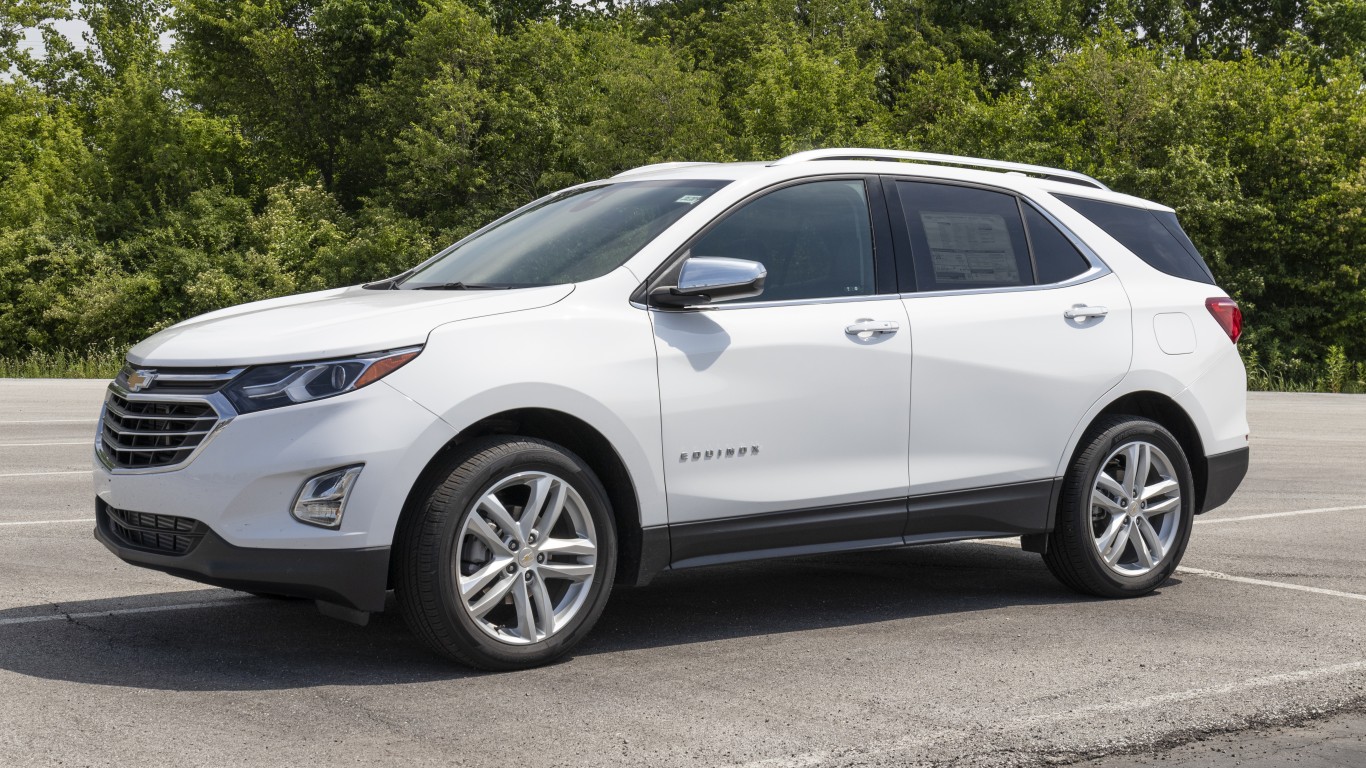
Modern Equinox models (2018+) can have:
- Touchscreen blackouts
- Unresponsive safety sensors
- Random warning lights
Electrical repairs can be complicated and hard to diagnose.
Credit: 247wallst.com
Equinox Years That Are Safer Choices
Not every Equinox is a disaster waiting to happen. Some years have better reliability, fewer complaints, and lower repair costs.
Best Bets
- 2009 — Last year of the first generation, with fewer engine issues.
- 2014, 2016, and 2017 — Many engine problems were reduced or fixed.
- 2019 and newer — Third generation models with updated engines and fewer reports of major problems.
Why These Years Are Better
By the mid-2010s, Chevrolet improved its engine design, fixed some known issues, and improved build quality. Later models also benefit from better electronics and safety tech.
Comparing Problem Years Vs. Reliable Years
Here’s a quick side-by-side look at two Equinox years:
| Feature | 2011 Equinox | 2016 Equinox |
|---|---|---|
| Engine Type | 2.4L, V6 | 2.4L, V6 |
| Oil Consumption | High risk | Much improved |
| Transmission Problems | Some reports | Rare |
| A/C Failures | Common | Uncommon |
| Owner Complaints | 1,000+ | Less than 200 |
This shows why shopping for the right year matters.
What To Do If You Already Own A “bad” Equinox Year
Maybe you already have an Equinox from a risky year. Not all hope is lost. Here’s what you can do:
- Check your oil often — Every 500–1,000 miles, especially in 2010–2013 models.
- Keep all receipts — For oil changes and repairs. This may help with warranty claims or resale.
- Listen for engine noises — Rattling, ticking, or rough running are warning signs.
- Ask about recalls — Some repairs may be covered even after warranty.
- Use high-quality oil — Some mechanics recommend synthetic oil to reduce burning.
If you’re facing major repairs, get a second opinion—sometimes a used engine swap is cheaper than a rebuild.
How To Spot A Bad Chevrolet Equinox Before You Buy
When shopping for a used Equinox, you can avoid costly mistakes with a few smart steps.
1. Check The Vehicle History Report
Get a report from Carfax or AutoCheck. Look for:
- Frequent oil changes
- Major engine or transmission repairs
- Accident history
- Number of owners (fewer is better)
2. Inspect For Warning Signs
Bring a mechanic if you can. Watch for:
- Blue smoke from the exhaust
- Check engine light
- Rough idling or stalling
- Low oil on the dipstick
3. Test Drive
Drive the car under different conditions. Listen for:
- Knocking or ticking noises
- Transmission slipping
- A/C not blowing cold
4. Ask About Recalls And Warranty
Some Equinox models may still have open recalls or extended warranty for known issues. Ask the seller for records.
5. Be Wary Of Low Prices
A cheap Equinox from a bad year might mean the seller is trying to pass on problems. Always balance price with condition and repair history.
Credit: www.slashgear.com
Non-obvious Insights Most Buyers Miss
Even experienced buyers sometimes overlook these points:
1. Oil Consumption Can Hide For Years
Many Equinoxes run well for the first 40,000–60,000 miles. The oil burning often starts later, after warranties end. A “clean” history isn’t always proof of a healthy engine.
2. Not Every Engine Was Affected
The V6 engines (available in some trims 2010–2017) had far fewer oil problems than the 2. 4L four-cylinder. When buying, check the engine type carefully—sometimes sellers list the wrong one.
3. Maintenance Records Matter More Than Age
A well-maintained 2012 Equinox with documented oil changes can be less risky than a neglected 2015. Service history is key.
4. Geography Plays A Role
Equinoxes in cold climates are more likely to have PCV freezing and engine seal failures. Southern cars can have fewer engine problems but more A/C trouble.
Should You Avoid All Used Chevrolet Equinox Models?
Not necessarily. The Equinox is roomy, comfortable, and affordable to buy and insure. But you must be selective. Avoid the worst years (especially 2010–2013 with the 2. 4L engine), check records, and consider a pre-purchase inspection.
Other compact SUVs, like the Honda CR-V, Toyota RAV4, and Mazda CX-5, have better reliability records, but often cost more used. If your budget is tight and you find a well-maintained Equinox from a safer year, it can still be a smart buy.
Frequently Asked Questions
Is The Chevrolet Equinox A Reliable Suv?
The Equinox can be reliable, especially in later years (2016 and newer) or with the V6 engine. But 2010–2013 four-cylinder models are known for major engine problems. Always check maintenance records and avoid risky years.
Which Engine Is Better In The Equinox: 2.4l Or V6?
The V6 engine (when available) is generally more reliable than the 2.4L four-cylinder, especially in 2010–2017 models. The V6 has fewer complaints about oil burning and timing chain failures.
How Many Miles Does A Chevy Equinox Last?
A well-maintained Equinox can last 150,000–200,000 miles or more. However, models from problem years (2010–2013) often have major engine issues before 100,000 miles. Later models last longer if serviced regularly.
Are Newer Equinox Models (2018 And Up) Problem-free?
The latest Equinox generation (2018–present) fixed many old issues but introduced some new ones, like turbo engine oil leaks and electrical glitches. They are generally more reliable, but it’s wise to check for recalls and owner complaints.
Where Can I Find More Information About Chevrolet Equinox Reliability?
You can get detailed reliability data, recalls, and owner reviews at the National Highway Traffic Safety Administration website.
When you know which Chevrolet Equinox years to avoid, you’re already ahead of most buyers. Do your homework, focus on safer years, and you’ll find an SUV that fits your needs without costly surprises.