

The Toyota Venza is a car that many people see as dependable, comfortable, and stylish. But like every vehicle, not all years are perfect. Some Venza models have issues that can cost you time, money, and frustration. If you’re thinking about buying a used Toyota Venza, it’s important to know which years to avoid and why.
This guide breaks down the trouble spots, highlights what to look for, and gives smart advice so you can make a confident decision.
Why The Toyota Venza Attracts Attention
Toyota launched the Venza in 2008 for the 2009 model year. The Venza is a midsize crossover SUV, designed to blend the best parts of a sedan and a sport utility vehicle. It offers a smooth ride, roomy interior, and good fuel economy.
Families like its practicality, and drivers appreciate its reliability. But over its production years, the Venza’s history has not been perfect.
Some owners report excellent results, while others face annoying problems. The key is understanding which years have most complaints, recalls, and expensive repairs. If you’re shopping for a used Venza, knowing the risky years can save you from unexpected headaches.
Many buyers are drawn to the Venza because it fits different lifestyles. The car is easy to drive, especially for city and suburban use. The wide doors and low step-in height make it accessible for children and older passengers. Another reason people like the Venza is that it feels more refined than some other midsize SUVs.
The interior materials are higher quality, the seats are comfortable, and the cabin is quiet. Toyota also gave the Venza a modern look, with sleek lines and a stylish grille, which appeals to those who want a car that looks good and feels good.
Toyota Venza Generations And Key Changes
The Venza has two main generations:
1. First Generation (2009–2015)
This original version offered both four-cylinder and V6 engines. It was based on the Toyota Camry platform, known for comfort and reliability.
2. Second Generation (2021–present)
After a short break, Toyota relaunched the Venza with a hybrid-only powertrain. It uses technology from the Toyota RAV4 Hybrid, focusing on efficiency.
Each generation brought updates and changes. Most “years to avoid” are in the first generation, but the newer models have some early concerns too.
| Generation | Years Produced | Engine Options | Notable Features |
|---|---|---|---|
| First | 2009–2015 | 2.7L I4, 3.5L V6 | Spacious interior, Camry-based, AWD/ FWD |
| Second | 2021–present | 2.5L Hybrid | Hybrid-only, advanced tech, standard AWD |
The first generation gave buyers a choice between two engines and either front-wheel or all-wheel drive. This flexibility was a big selling point. The second generation shifted focus to hybrid power, responding to demands for better fuel efficiency and greener technology.
Toyota also added more advanced safety features and technology, like adaptive cruise control and a bigger touchscreen. These upgrades make the newer Venza feel like a modern SUV.

Credit: www.copilotsearch.com
Years To Avoid: Which Toyota Venza Models Are Risky?
Not all Venza years are equal. Some models have more reports of mechanical problems, recalls, and owner complaints. While Toyota’s reputation is strong, these years stand out as risky:
- 2009 Toyota Venza
- 2010 Toyota Venza
- 2011 Toyota Venza
- 2012 Toyota Venza
- 2013 Toyota Venza
Here’s why these years are best to avoid.
2009 Toyota Venza
This debut year was popular, but it also had the most complaints. Owners report issues with the ABS braking system, power steering, and excessive oil consumption. Some drivers experienced sudden loss of power steering, making the car hard to control. The 2009 Venza was subject to several recalls, including for airbag problems and brake actuator failures.
Key problems:
- ABS warning lights and brake actuator failures
- Power steering loss (especially at low speeds)
- Airbag recalls
- Oil consumption in four-cylinder models
Many owners also noted the paint quality was not as durable, leading to chips and fading after only a few years. The ABS system sometimes triggered warning lights without obvious cause, confusing mechanics and costing owners money for repeated diagnostics. Power steering loss is especially dangerous during parking or slow turns, and fixing it can be costly.
2010 Toyota Venza
Many problems from 2009 continued in 2010. The brake system remained a problem, with reports of spongy or unresponsive brakes. Some owners also complained about electrical issues, such as dashboard lights flickering or failing. The 2010 model faced recalls for the brake actuator assembly and airbag deployment.
Key problems:
- Brake system malfunctions
- Electrical glitches
- Airbag deployment issues
- Premature wear of suspension parts
2010 Venzas also had complaints about the door locks not working properly. In some cases, the locks would not respond to the remote key, making entry difficult. Suspension issues could lead to clunking noises and a rougher ride, especially as the car aged.
2011 Toyota Venza
This year saw fewer complaints, but problems still existed. The steering system was a concern, with reports of power steering leaks. The brake actuator recall continued, affecting reliability. Some owners also faced transmission issues, with rough shifting and hesitation.
Key problems:
- Power steering leaks
- Transmission hesitation
- Brake actuator recall
Some drivers noticed that the transmission would hesitate when shifting from first to second gear, especially in cold weather. This could make the car feel sluggish and affect fuel economy. Power steering leaks could also damage other parts, leading to even higher repair bills.
2012 Toyota Venza
The 2012 model improved, but the brake actuator and steering system still caused trouble. Some owners noted water leaks into the cabin, leading to electrical failures. The airbag recall was still active for this year.
Key problems:
- Brake actuator failures
- Water leaks causing electrical issues
- Airbag recall
Water leaks are often hidden and only noticed when carpets are wet or there is a musty smell. Over time, moisture can damage the wiring and sensors, leading to expensive troubleshooting and repairs.
2013 Toyota Venza
This year is often listed as “better” than earlier models, but it still has enough complaints to warn buyers. The brake actuator issue persisted, though at lower rates. Some owners reported problems with the touchscreen navigation system, including freezing and malfunction.
Key problems:
- Brake actuator issues
- Touchscreen navigation malfunctions
Touchscreen problems can affect other features, like climate control and audio, since these systems are often integrated. In some cases, the screen would freeze completely, forcing owners to restart the car or lose access to important controls.
Why These Years Have More Problems
Most issues come from the brake actuator assembly, which controls the anti-lock brakes and stability system. When this part fails, drivers lose braking power or see warning lights. Toyota issued recalls for several years, but not all cars received permanent fixes.
The power steering system was another weak point, especially in early models. Leaks and electrical failures led to expensive repairs. Electrical problems—such as dashboard lights, navigation screens, and sensors—added to owner frustration.
Early Venzas (2009–2012) also suffered from excessive oil consumption in four-cylinder engines. Owners had to add oil between changes, and some faced engine damage.
Another factor is that Toyota made several mid-generation updates, but not all changes were applied to every car. Some Venzas produced late in the year had improved parts, while earlier ones kept older, faulty designs. This inconsistency means two cars from the same year might behave differently. Also, some repairs were not done correctly by dealers, leading to recurring problems.
Recalls And Repair Costs: What To Expect
Recalls can help fix safety issues, but they don’t always solve everything. Some owners report that repairs after recalls didn’t last. Here’s a summary of major recalls affecting Venza years to avoid:
| Year | Main Recall | Estimated Repair Cost | Effectiveness |
|---|---|---|---|
| 2009 | Brake actuator, airbag | $1,000–$2,500 | Mixed |
| 2010 | Brake actuator, airbag | $900–$2,000 | Mixed |
| 2011 | Brake actuator | $1,200–$1,800 | Improved |
| 2012 | Brake actuator, airbag | $800–$1,500 | Improved |
| 2013 | Brake actuator | $800–$1,200 | Better |
Repair costs can be high, especially if you pay out of pocket. Brake actuator replacement often costs over $1,000. Power steering repairs can reach $1,500. If the car has electrical issues, fixing sensors or screens adds more.
It’s important to ask about the warranty coverage for these repairs. Some dealers cover certain repairs if the recall was not completed, but others do not. Always check with Toyota before buying a used Venza. Also, remember that labor costs can change depending on your location, and some shops might charge extra if parts are hard to find.
What Makes A Toyota Venza Reliable?
Not all Venzas are risky. Later models (2014–2015) and second-generation hybrids (2021–present) have fewer complaints and improved technology. Here’s what makes a reliable Venza:
- Updated brake actuator design
- Improved power steering system
- Better electrical components
- Reduced oil consumption in engines
- Hybrid technology in newer models
Owners of these years report smooth driving, low repair costs, and few recalls. If you want a worry-free Venza, focus on these years.
Toyota also improved the interior quality and added more convenience features, such as better seats, improved sound systems, and more storage space. These upgrades make daily driving easier and more enjoyable. The second-generation Venza stands out for its standard all-wheel drive and advanced driver assistance features. This includes automatic emergency braking and lane-keeping assist, which help prevent accidents and make driving safer.
Common Toyota Venza Problems Explained
Brake Actuator Failure
The brake actuator is a complex part. It controls the anti-lock brakes and vehicle stability. When it fails, you see warning lights or lose braking power. This is dangerous, especially in wet or icy conditions.
Some Venzas had repeated actuator failures even after recall repairs. If you buy a Venza from a risky year, check the recall history and see if the actuator was replaced.
A common sign is a loud noise from under the hood when you start the car, followed by warning lights. Sometimes, the brakes feel softer than usual, which can make stopping difficult.
Power Steering Issues
The power steering makes the Venza easy to drive. Early models had leaks, electrical faults, and sudden failures. Repairing the system can be expensive. If you notice heavy steering or warning lights, get it checked right away.
Leaks usually show up as fluid under the car, or the steering feels stiff when turning. In some cases, the steering wheel vibrates or pulls to one side.
Excessive Oil Consumption
Four-cylinder Venzas, especially from 2009–2012, used too much oil. Owners had to add oil between changes, and some engines failed from lack of lubrication. This problem was less common in V6 models.
A warning sign is needing to add oil between changes, or seeing blue smoke from the exhaust. If ignored, engine damage can happen, requiring expensive repairs or replacement.
Electrical Problems
Many owners report dashboard lights flickering or failing. The touchscreen navigation system sometimes freezes or won’t turn on. Sensors for airbags, stability control, and tire pressure also fail. These problems can be annoying and costly.
Electrical issues often appear as random warning lights, or features like the radio and climate controls not working as expected. Sometimes, a simple software update fixes the problem, but often parts need replacement.
How To Check If A Used Venza Is Safe
If you want a used Venza, there are steps to protect yourself:
1. Check Recall History.
Ask for the VIN and look up recall status at Toyota’s website.
2. Inspect Service Records.
Make sure the brake actuator and power steering repairs were done.
3. Test Drive The Car.
Watch for warning lights, listen for strange noises, and test the brakes.
4. Get A Professional Inspection.
A mechanic can spot hidden issues.
5. Avoid Early First-generation Models.
Focus on 2014–2015 or second-generation hybrids.
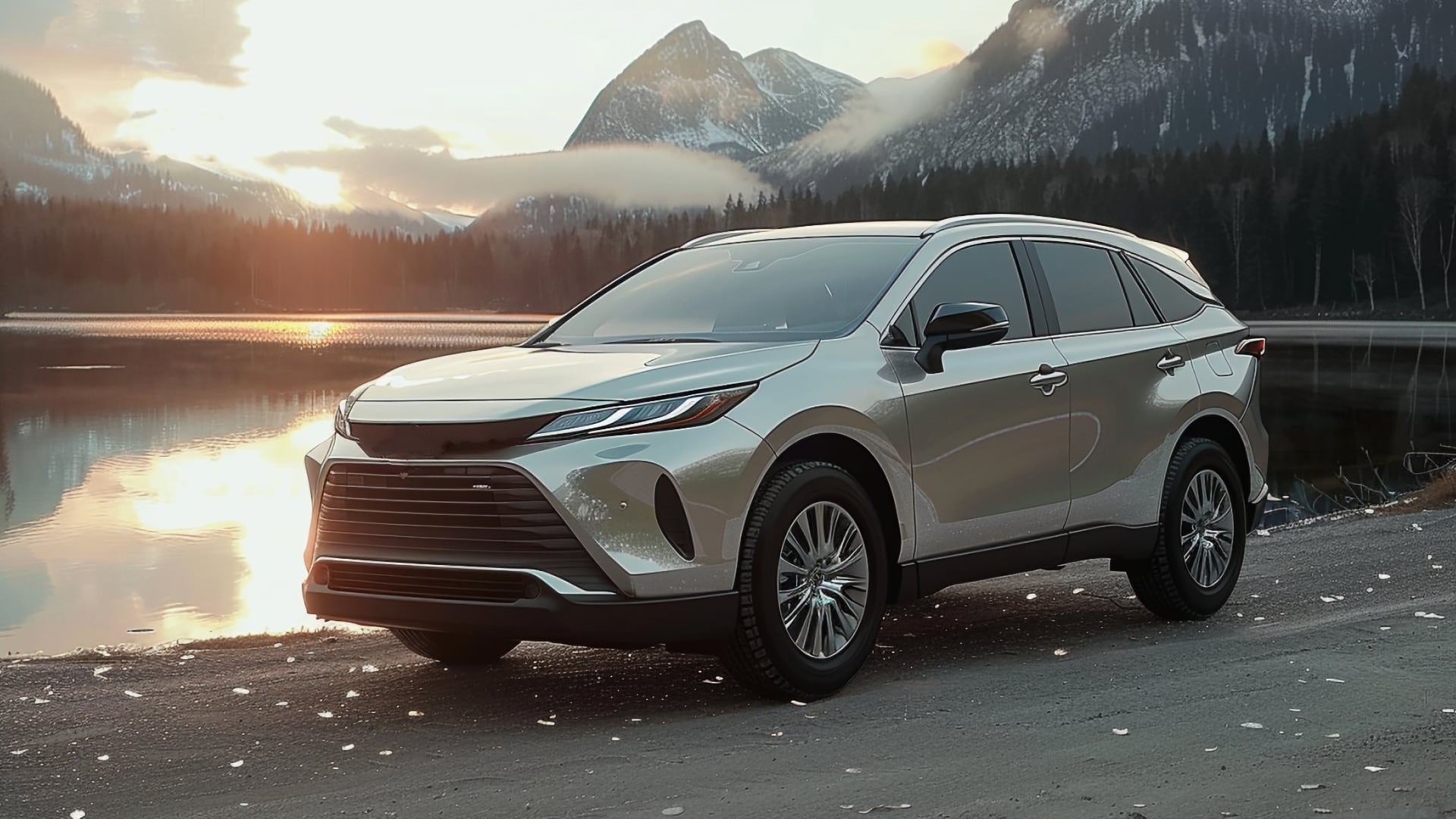
When test driving, pay attention to how the brakes feel. Try turning the steering wheel at low and high speeds. Check all electronic features, like the touchscreen and sensors. Ask the seller about oil consumption and whether the car burns oil between changes.
Credit: rerev.com
Venza Models Worth Considering
If you want reliability, these Venza years are good choices:
- 2014 Toyota Venza
- 2015 Toyota Venza
- 2021–present Toyota Venza Hybrid
These models have fewer recalls, improved parts, and better owner reviews. The second-generation hybrid Venza offers excellent fuel economy and advanced tech.
| Year | Engine | Fuel Economy (MPG) | Owner Satisfaction |
|---|---|---|---|
| 2014 | 2.7L I4 / 3.5L V6 | 20–26 | High |
| 2015 | 2.7L I4 / 3.5L V6 | 20–26 | High |
| 2021–present | 2.5L Hybrid | 39–40 | Very High |
The 2014 and 2015 Venzas received better owner ratings for comfort, storage, and easy maintenance. The hybrid Venza is also praised for its quiet ride and advanced safety features. Many drivers report going years without major repairs.
Hidden Insights: What Most Buyers Miss
Many buyers focus only on recalls or visible problems. But two non-obvious risks can catch beginners by surprise:
- Delayed symptoms:
Brake actuator or power steering issues may appear years after purchase. A car with no warning lights today might develop problems later.
- Hybrid battery life:
Second-generation Venzas use hybrid batteries. While they’re reliable, battery replacement is costly ($2,000–$3,000). Check warranty coverage and battery health before buying.
Another overlooked issue is the cost of dealer-only repairs. Some Venza parts, especially brake actuators and hybrid batteries, can only be fixed at certified Toyota dealers. This means higher labor costs and longer wait times for repairs. Also, some electrical problems might not show up during a short test drive, so having a thorough inspection is important.
Smart Tips For Buying A Used Toyota Venza
1. Avoid The Most Complained Years.
Steer clear of 2009–2013 models.
2. Check For Completed Recalls.
Unfixed recalls mean hidden safety risks.
3. Ask About Oil Consumption.
Four-cylinder Venzas from 2009–2012 are prone to burning oil.
4. Look For Updated Parts.
Ask if the brake actuator and power steering were replaced.
5. Review Owner Forums.
Real-world experiences can alert you to hidden issues.
6. Consider Newer Hybrids.
The 2021–present Venza offers advanced tech and fewer complaints.
7. Get A Pre-purchase Inspection.
Don’t rely on seller promises—let a mechanic check the car.
Also, check the car’s service intervals. Venzas that were regularly serviced are less likely to have major issues. Ask about previous owners—cars with fewer owners tend to be better maintained. If the seller cannot provide repair receipts or service records, be cautious.
Toyota Venza Safety Features And Ratings
The Venza is known for good safety scores. Most models earned four or five stars in crash tests. Advanced features include:
- ABS brakes
- Electronic stability control
- Multiple airbags
- Rearview camera (standard in later years)
- Blind spot monitoring (in second-generation models)
The main risk is when these systems fail due to actuator or electrical problems. That’s why checking recalls and repairs is important.
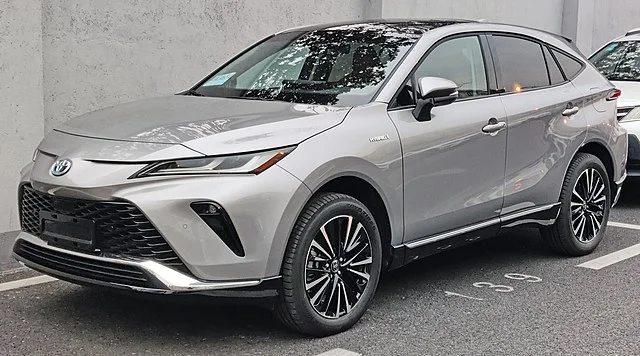
Later Venzas come with more advanced safety systems. The hybrid models include lane departure warnings and automatic high beams, making night driving safer. Crash test results show that the Venza protects passengers well in most scenarios, but safety depends on all systems working properly.
Credit: www.copilotsearch.com
How The Toyota Venza Compares To Other Suvs
The Venza competes with models like the Honda CR-V, Ford Edge, and Nissan Murano. Compared to these, the Venza offers:
- Smooth ride
- Quiet cabin
- Good fuel economy
- Strong resale value
But early Venzas lag behind in reliability. Newer models (especially hybrids) compete well.
| Model | Reliability Score (1–10) | Fuel Economy (MPG) | Owner Complaints |
|---|---|---|---|
| Toyota Venza (2009–2013) | 6 | 20–26 | High |
| Toyota Venza (2014–2015) | 8 | 20–26 | Low |
| Toyota Venza Hybrid (2021–present) | 9 | 39–40 | Very Low |
| Honda CR-V | 8 | 28–34 | Low |
| Ford Edge | 7 | 20–29 | Medium |
| Nissan Murano | 7 | 20–28 | Medium |
The Venza’s resale value is usually higher than the Ford Edge or Nissan Murano. Toyota’s reputation for durability helps the Venza keep its value. The Honda CR-V is more fuel efficient but may feel less upscale inside. The Venza hybrid stands out for combining good fuel economy with luxury features.
Toyota Venza Maintenance Costs
Maintenance costs depend on the model year. Early Venzas (2009–2013) often require brake actuator or power steering repairs. Newer models need only routine maintenance.
- Oil changes: $60–$90
- Brake repairs: $300–$2,500 (actuator replacement is most expensive)
- Power steering repairs: $800–$1,500
- Hybrid battery replacement: $2,000–$3,000 (second-gen only)
Regular maintenance can prevent big repairs. If you buy a used Venza, follow Toyota’s service schedule.
Check for hidden fees at dealerships—some repairs, especially hybrid battery replacement, can include diagnostic charges. Also, changing the transmission fluid regularly is important, as neglected fluid can cause shifting problems. Keeping tires and brakes in good shape helps the Venza stay safe and comfortable.
Owner Satisfaction: What Do Real Drivers Say?
Owner reviews show a clear pattern. Early Venzas have more complaints, while later models earn praise. Common themes:
- 2009–2013:
Many report brake and steering issues, costly repairs, and electrical glitches.
- 2014–2015:
Owners praise reliability, comfort, and low maintenance costs.
- 2021–present:
Drivers like fuel economy, technology, and smooth driving.
Most owners are happy if they avoid risky years. Forums and review sites like Consumer Reports offer detailed ratings.
Owners often mention the Venza’s quiet cabin and comfortable seats. Families like the wide cargo space, and hybrid owners appreciate the low fuel costs. Some drivers wish for more rear legroom, but most say the Venza is a great all-around vehicle.
Frequently Asked Questions
Is The Toyota Venza A Reliable Car?
The Toyota Venza is reliable if you choose the right year. Avoid 2009–2013 models, which have brake actuator and power steering issues. Later models (2014–2015) and second-generation hybrids (2021–present) are much better.
What Is The Biggest Problem With Early Toyota Venza Models?
The main issue is brake actuator failure. This part controls anti-lock brakes and stability. When it fails, drivers can lose braking power. Power steering and excessive oil consumption also affect early models.
Should I Buy A Used Toyota Venza From 2009–2013?
It’s best to avoid these years. They have more complaints, recalls, and expensive repairs. If you must buy one, check recall history and get a mechanic to inspect the car.
How Long Does A Toyota Venza Last?
With proper maintenance, a Toyota Venza can last over 200,000 miles. Later models and hybrids are more reliable, but early models may need costly repairs.
Are Toyota Venza Hybrid Batteries Expensive To Replace?
Yes, hybrid batteries are costly. Replacing a battery in a second-generation Venza can cost $2,000–$3,000. Most batteries last 8–10 years. Always check battery health and warranty before buying.
Final Thoughts
The Toyota Venza is a smart choice if you pick the right year. Early models (2009–2013) have more problems—especially with brake actuators, power steering, and oil consumption. Later models (2014–2015) and second-generation hybrids (2021–present) are reliable, comfortable, and efficient. Before buying, check recall history, get a professional inspection, and focus on models with fewer complaints.
With careful research, you can enjoy the Venza’s style, comfort, and reliability for years to come.