

The Hyundai Azera has long been known as a comfortable, value-packed sedan. Over the years, it has offered strong performance, roomy interiors, and plenty of features. But not every Azera model has stood the test of time. If you’re searching for a used Azera, knowing which years to avoid can save you headaches and money.
This guide breaks down the most problematic Hyundai Azera years, explains why some models are better than others, and helps you make a smart buying decision.
Many buyers are drawn to the Azera for its luxury-like feel at a lower price. But some years have issues that can turn that dream into trouble. Problems range from engine failures to electrical glitches and costly repairs. With clear data, real examples, and expert insights, this article will help you understand which Hyundai Azera years are best left alone—and which ones are worth considering.
What Makes A Car Year “one To Avoid”?
Not all bad years are obvious. Sometimes, cars look great on the outside but have hidden troubles. For the Hyundai Azera, certain model years have repeated complaints from owners, higher repair costs, and recall histories. A “year to avoid” is one where issues are common, expensive, or dangerous.
Here are the main factors that make a car year risky:
- Frequent recalls for safety or mechanical faults
- Major engine or transmission failures
- High repair bills for common problems
- Electrical system issues
- Low reliability ratings from trusted sources
- Poor resale value because of known defects
These factors are supported by owner surveys, repair shop data, and industry reviews. For the Azera, some years stand out for all the wrong reasons.
One detail many buyers miss is that the number of complaints is not the only thing to watch. Sometimes a year has fewer complaints but the issues are very expensive or dangerous. For example, a single engine failure can cost more than several minor repairs.
That’s why repair costs and safety recalls are both key signals.
Another point is that reliability ratings can change as cars age. A model year that seems fine at first may develop problems after more years on the road. It’s wise to look at long-term owner reviews and not just early impressions.
Hyundai Azera Overview: Generations And Changes
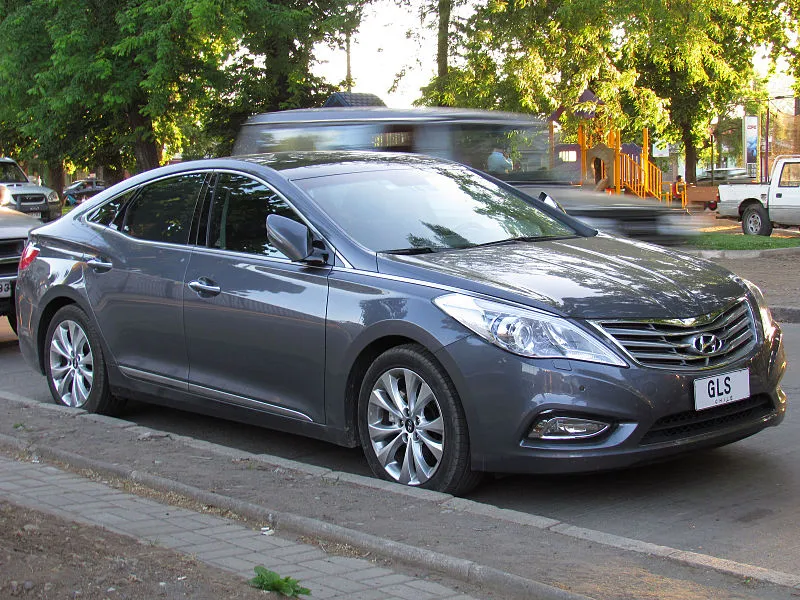
The Hyundai Azera, known as the Grandeur outside North America, entered the US market in 2006. It replaced the XG350, aiming to compete with large sedans like the Toyota Avalon and Nissan Maxima. Azera models have changed over the years, with new features and styling.
Here’s a quick overview of Azera generations:
| Generation | Years | Main Features |
|---|---|---|
| First (US Market) | 2006–2011 | V6 engine, roomy interior, basic tech |
| Second | 2012–2017 | Modern styling, improved tech, more power |
| Third (Global) | 2017–present | Not sold in US after 2017, advanced features |
For US buyers, the main focus is on 2006–2017 models. The later Azera is not sold in America after 2017.
Each generation brought upgrades in comfort, technology, and driving feel. The first generation was known for its soft ride and spacious cabin, but it lagged behind in tech compared to rivals. The second generation added modern features like a touchscreen, advanced safety options, and stronger engines.
However, new technology also brought new risks, as seen in early complaints about navigation and Bluetooth systems. The global third generation (not sold in the US) continued Hyundai’s push for luxury, but American buyers mostly choose between the first two generations.
A unique detail is that the Azera’s position in the Hyundai lineup has sometimes been unclear. In some years, it was sandwiched between the Sonata and Genesis, which affected how much attention and resources Hyundai gave to Azera development. This sometimes led to slower fixes for known problems.
Credit: www.copilotsearch.com
Azera Years To Avoid: The Most Problematic Models
Not every Azera year is equal. Some have a history of breakdowns, recalls, and costly repairs. Below are the Hyundai Azera years to avoid based on real owner feedback, recall records, and reliability ratings.
2006 Hyundai Azera
The first US Azera had many issues. Owners reported problems with the engine, electrical system, and brakes. The 2006 model was new to the market and suffered from teething problems.
Main complaints include:
- Engine stalling and failures
- Poor brake performance
- Electrical glitches (windows, locks, dashboard lights)
- Transmission delays
Many 2006 Azeras had recalls for airbag issues and fuel leaks, making them a risky choice for used buyers.
If you look deeper, you’ll find that some 2006 Azera owners also had trouble with the suspension bushings wearing out too early, which led to uneven tire wear and more frequent wheel alignments. These extra costs add up over time.
Also, the first-year model’s wiring harness design made electrical repairs more complicated and expensive.
2007–2008 Hyundai Azera
These years continued some of the problems from 2006. The 2007 and 2008 models had better reliability, but still suffered from:
- Brake problems (ABS failures)
- Electrical issues (battery drain, sensor faults)
- Suspension troubles
Repair costs for these years are above average. Owners often complain about noisy engines and suspension components needing replacement sooner than expected.
There are also reports of premature rusting, especially in regions with heavy road salt use. The climate control system in these years can be unpredictable, sometimes blowing only hot or only cold air regardless of settings, which is annoying in changing seasons.
If you’re considering one of these years, check for service history on the climate system.
2011 Hyundai Azera
The 2011 model year is known for engine problems and transmission issues. Many owners report rough shifting, loss of power, and engine knocking. Recalls for airbag sensors and steering faults were common.
2011 is also known for:
- High oil consumption
- Premature engine failure
- Faulty steering columns
These issues can lead to expensive repairs and unsafe driving.
A hidden risk is that some early 2011 Azeras had engine failures just outside the warranty period, making repairs even more costly for owners. Some mechanics have noted that the design of the oil control rings in this year’s engine makes sludge buildup more likely if the oil is not changed exactly on schedule.
2012 Hyundai Azera
The 2012 Azera started the second generation with a new design and more features. But early models had electrical system failures, navigation problems, and paint defects. Owners found the infotainment system unreliable and paint peeling from the body.
Common issues include:
- Navigation screen freezing
- Bluetooth connection failures
- Paint flaking, especially on the roof and hood
Some cars needed full repainting, which is costly. Electrical repairs can also add up quickly.
An extra detail is that the 2012’s push-button start system sometimes fails, leaving owners unable to start their cars without a tow to the dealer. Also, the backup camera can stop working in cold weather, which is a safety concern.
2013 Hyundai Azera
The 2013 Azera improved on the 2012 model, but still had lingering electrical and air conditioning problems. Many owners report the AC not cooling, blowers failing, and sensor malfunctions.
Other issues:
- Faulty seat sensors
- Headlight failures
- Remote key problems
While not as serious as engine or transmission faults, these problems affect comfort and safety.
A less obvious problem in 2013 models is erratic fuel gauge readings. Some owners report the gauge showing “empty” even with half a tank, leading to unexpected stops. The cost to fix faulty sensors can be high because the fuel tank must be removed.
Data Comparison: Azera Reliability By Year
To see how different Azera years compare, look at reliability ratings and owner complaints. Below is a summary of reliability scores and common problems.
| Year | Reliability Score | Main Complaints |
|---|---|---|
| 2006 | 5/10 | Engine, brakes, electrical |
| 2007 | 6/10 | Brakes, suspension |
| 2008 | 6/10 | Electrical, suspension |
| 2011 | 5/10 | Engine, steering |
| 2012 | 6/10 | Electrical, paint |
| 2013 | 7/10 | Air conditioning, sensors |
| 2014–2017 | 8/10 | Few complaints |
The 2014–2017 Azera models are considered the most reliable, with fewer complaints and higher scores.
It’s worth noting that the gap between a 6/10 and 8/10 score is bigger than it seems. Owners of the 2014–2017 models mention fewer “out of the blue” repairs and higher confidence on long trips. In contrast, owners of the lower-rated years often mention repeated visits to the shop for different systems.
Why These Azera Years Are Risky
You might wonder why certain years have more problems. Here’s a closer look at the causes behind these trouble years:
New Model Launches
When a new generation starts (like 2006 and 2012), there are often design flaws and software bugs. Automakers rush to add features, but testing is sometimes incomplete. As a result, early buyers experience failures and recalls.
For example, when Hyundai rolled out a new infotainment system in 2012, software glitches caused the navigation and Bluetooth systems to freeze. This is a common risk in the car industry—first-year models almost always have more problems than later ones.
Component Quality
Some years used cheaper parts to cut costs. For example, electrical components in the 2012–2013 Azera were prone to failure. Paint quality dropped, leading to peeling and rust. Brake and suspension parts wore out quickly in 2006–2008.
A detail often missed is that some suppliers changed mid-year, so two cars from the same year may have different parts. That’s why checking the VIN for recalls is always wise.
Missed Recalls
Not every car gets fixed during recalls. If you buy a used Azera from a risky year, check if recall repairs were completed. Some owners skip these repairs, making the car unsafe.
In some cases, recall repairs address only the main problem, but not the underlying cause. For example, a recall might replace a failed sensor, but not fix a wiring issue that caused the failure. Always check service records for full details.
Tech Integration Issues
As Hyundai added more tech features, some models suffered from software glitches and screen failures. Navigation, Bluetooth, and infotainment problems are common in 2012–2013.
Cars with more tech can also be harder and more expensive to repair. For instance, replacing a digital dashboard or infotainment module can cost over $1,000, compared to a simple radio swap in older models.
Common Problems In Risky Azera Years
If you buy one of the years to avoid, expect to face these issues:
- Engine Failures: Stalling, knocking, and high oil use
- Transmission Issues: Rough shifting, delays, sudden stops
- Electrical System Faults: Dead batteries, sensor errors, malfunctioning dashboard
- Brake Problems: Soft pedals, ABS failures, longer stopping distances
- Suspension Wear: Noisy rides, uneven tire wear, broken struts
- Paint and Body Defects: Peeling, rust, and faded surfaces
Repairs for these problems can be expensive and time-consuming. Some need full engine rebuilds or new transmissions, costing thousands.
One thing buyers often miss is that electrical problems can cause a chain reaction. For example, a bad sensor can affect the transmission, which then causes rough shifting. That’s why it’s important to check for a full diagnosis, not just fix one part.
Owner Experiences: Real Stories
Reading owner reviews helps you understand what it’s like to live with a risky Azera year. Here are a few examples:
- 2006 Azera Owner: “The engine stalled on the highway. I spent $2,500 fixing it, but the electrical issues keep coming back. I regret buying this model.”
- 2011 Azera Owner: “The steering locked up twice. Hyundai fixed it after a recall, but I still worry about safety.”
- 2012 Azera Owner: “Bluetooth never works, and the navigation screen freezes. The paint started peeling after two years. Repairs are expensive.”
These stories are common for the years listed above. They show how problems can affect daily use and peace of mind.
Another owner mentioned that their 2008 Azera’s suspension clunks over every bump, even after replacing parts. Mechanics traced it back to worn subframe bushings—a less obvious but costly repair. In some cases, repeated trips to the shop led owners to sell their Azera earlier than planned.
Cost Of Repairs: Comparing Risky Vs. Reliable Years
Repair costs are a big concern for used car buyers. Azera models from risky years often need more fixes. Below is a comparison of average yearly repair costs.
| Year | Average Annual Repair Cost | Typical Repairs |
|---|---|---|
| 2006–2008 | $900–$1,200 | Engine, brakes, suspension |
| 2011 | $1,000–$1,300 | Engine, steering |
| 2012–2013 | $850–$1,100 | Electrical, paint, AC |
| 2014–2017 | $600–$800 | Minor maintenance |
Choosing a reliable year can cut repair costs by nearly half.
It’s not just about money—more repairs mean more time without your car, more inconvenience, and more stress. Some owners of problematic years report waiting weeks for parts, especially for less common electrical components.
Best Hyundai Azera Years: Safe Choices
Not all Azera models are risky. Some years are reliable, comfortable, and offer good value. If you want to avoid trouble, look for these years:
- 2014 Hyundai Azera
- 2015 Hyundai Azera
- 2016 Hyundai Azera
- 2017 Hyundai Azera
These models are praised for:
- Strong reliability ratings
- Fewer recalls
- Updated tech features
- Smooth ride and performance
Owners report fewer issues, and repair costs are lower. These years have improved engines, better quality parts, and refined interiors.
A less obvious benefit is the improved sound insulation in later models, making highway drives quieter. Also, the infotainment systems are more stable, and advanced safety features like blind-spot monitoring work reliably. If you want the best mix of features and reliability, the 2016 and 2017 models are especially good choices.
How To Check For Recalls And Repair History
Before buying any used Azera, check for recalls and repair history. This step is vital, especially for risky years.
Here’s how you can do it:
- Get the car’s VIN (Vehicle Identification Number)
- Visit the official Hyundai recall page or the National Highway Traffic Safety Administration (NHTSA) site
- Enter the VIN to see open recalls
- Ask the seller for maintenance records
- Check for completed recall repairs
This process helps you avoid hidden safety risks and unexpected costs.
One thing many buyers miss: ask to see *receipts* for recall or warranty work, not just service stamps. Some repairs may be noted as “checked” but not actually completed. Verifying with paperwork gives you peace of mind.
Credit: www.ebay.com
Smart Buying Tips For Used Azera
If you’re shopping for a used Hyundai Azera, follow these tips to avoid mistakes:
- Avoid risky years: 2006, 2007, 2008, 2011, 2012, 2013
- Choose reliable years: 2014–2017
- Check recall status before buying
- Ask for repair history and maintenance records
- Test all electronics: Navigation, Bluetooth, windows, AC
- Inspect paint and bodywork
- Have a mechanic check the car before purchase
These steps can help you find a safe, reliable Azera and avoid expensive repairs.
When inspecting, don’t forget to check the spare key fob, sunroof operation, and trunk electronics (like power release), as these can be expensive to fix and are often overlooked during a test drive.
Non-obvious Insights: What Most Buyers Miss
Many buyers overlook a few important points:
- Software updates matter: Some Azera models need software updates for navigation and Bluetooth. If the car’s system is outdated, features may not work well.
- Paint warranty coverage: Hyundai offered paint warranties for certain years. If you buy a 2012–2013 Azera with paint issues, check if it’s still covered.
- Electrical system resets: Some electrical problems are fixed by resetting the system. Ask if previous owners or dealers performed these resets.
Also, keep in mind that not all mechanics are familiar with Azera-specific issues. It’s best to find a Hyundai specialist or a shop with access to Hyundai’s technical service bulletins. These bulletins often contain solutions for recurring problems that general mechanics may not know.
Another tip: Look for cars from southern or dry climates. These tend to have less rust and fewer paint problems, especially on the 2012–2013 models.
How The Azera Compares To Other Sedans
If you’re considering other sedans, it helps to compare reliability and features. Here’s how the Azera stacks up against similar models.
| Model | Average Reliability Score | Average Repair Cost | Main Strengths |
|---|---|---|---|
| Hyundai Azera (2014–2017) | 8/10 | $700 | Value, comfort, tech |
| Toyota Avalon | 9/10 | $650 | Reliability, resale value |
| Nissan Maxima | 7/10 | $800 | Performance, style |
| Chevrolet Impala | 7/10 | $850 | Space, ride quality |
The Azera offers strong comfort and tech for the price, but Avalon leads in reliability.
One advantage of the Azera is that you can often get a newer, lower-mileage car for the same price as an older Avalon or Maxima. However, the Toyota Avalon’s resale value is hard to beat, which may matter if you plan to sell the car in a few years.
Should You Buy A Risky Azera Year?
Some buyers find a risky Azera year at a low price. Is it worth the gamble? Usually, it’s better to pay more for a reliable model. The savings on purchase price may disappear with repair bills.
If you must buy a risky year:
- Get a full inspection
- Check for completed recalls
- Negotiate for repair costs
- Budget extra for possible fixes
But for most buyers, avoiding risky years is the smarter move.
Sometimes, a well-maintained risky year with full service records and recent major repairs (like a replaced engine or transmission) can be a good deal. But this is rare, and you must check everything carefully.
Credit: www.youtube.com
Frequently Asked Questions
Is The Hyundai Azera A Reliable Car?
The Azera is reliable in later years, especially 2014–2017. Earlier models (2006–2013) have more problems. Reliability improves with newer designs and better parts.
What Are The Most Common Hyundai Azera Problems?
Common issues include engine failures, electrical system faults, brake problems, and paint defects. Risky years experience these problems more often.
How Can I Check If An Azera Has Recalls?
Use the car’s VIN and check on the Hyundai recall site or NHTSA. This shows any open recalls and repair history. Always confirm recall repairs before buying.
Is It Expensive To Repair A Hyundai Azera?
Repairs are more expensive for risky years (2006–2013), averaging $900–$1,300 per year. Reliable years (2014–2017) have lower costs, around $600–$800 yearly.
What Sedan Is Better Than The Hyundai Azera?
The Toyota Avalon offers higher reliability and resale value. The Azera is a good option for value and comfort, but Avalon leads in long-term quality. For more details, see Consumer Reports.
Choosing the right Hyundai Azera is about knowing which years to avoid. With the information in this guide, you can find a sedan that fits your needs—without the worry of hidden problems. Take your time, check records, and focus on reliable model years.
This will help you enjoy your Azera for years to come.