

Buying a used Cadillac CTS-V is a dream for many car enthusiasts. This high-performance sedan mixes luxury and raw power, making it a favorite among those who want speed without sacrificing comfort. But not every CTS-V model year is a winner.
Some years have serious problems that can turn your dream car into a headache. If you’re thinking about getting a CTS-V, knowing which years to avoid can save you money, time, and stress.
Understanding the risky years isn’t about scaring you away from the CTS-V. Instead, it’s about helping you make a smart choice. Many owners jump in without knowing the full story. A few years are famous for engine trouble, electrical faults, or expensive repairs.
Some models are much more reliable, giving you the thrilling drive you expect. By learning the details behind each generation and year, you can find a CTS-V that fits your needs and your budget without the nasty surprises.
Let’s dive deep into the Cadillac CTS-V’s history. We’ll cover which years to avoid, why those years are problematic, and how to spot warning signs. You’ll also learn about the best years, common issues, and what to check before buying.
Whether you’re a new buyer or a longtime fan, this guide will help you navigate the used CTS-V market with confidence.
A Brief History Of The Cadillac Cts-v
The Cadillac CTS-V was first introduced in 2004 as a high-performance version of the standard CTS. It quickly became Cadillac’s answer to European sports sedans like the BMW M5 and Mercedes E63 AMG. Over the years, the CTS-V went through three main generations:
- First Generation (2004-2007): Known for its manual transmission and Corvette-sourced V8 engine.
- Second Generation (2009-2015): Offered more power, improved suspension, and both sedan and coupe versions.
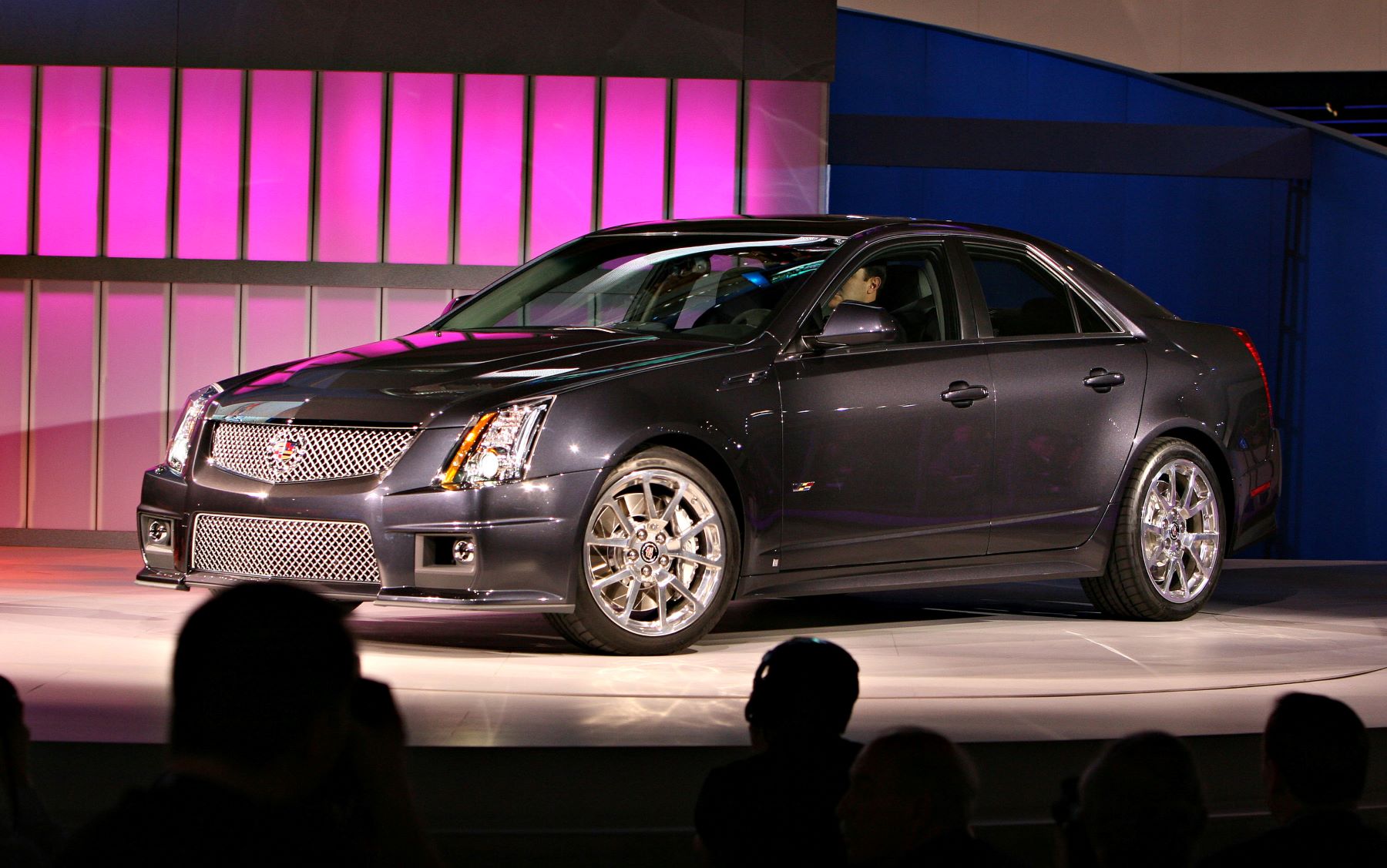
- Third Generation (2016-2019): Focused on luxury and performance, with advanced tech and a supercharged V8.
Each generation brought changes, but some years stand out for the wrong reasons. To understand which CTS-V years to avoid, it helps to know what changed across these versions.
Cts-v Generational Comparison
Here’s a quick look at how the CTS-V evolved:
| Generation | Years | Engine | Transmission | Key Features |
|---|---|---|---|---|
| First | 2004-2007 | 5.7L V8, 6.0L V8 | 6-speed manual | Basic tech, performance focus |
| Second | 2009-2015 | 6.2L Supercharged V8 | 6-speed manual, 6-speed auto | Magnetic ride, luxury upgrades |
| Third | 2016-2019 | 6.2L Supercharged V8 | 8-speed auto | Advanced tech, top performance |
Each generation has its strengths. But hidden inside the specs are years that bring more trouble than excitement.
Cadillac Cts-v Years To Avoid
Not all CTS-Vs are created equal. Some years have consistent complaints, recalls, and expensive repairs. Here are the CTS-V years you should be careful about, and the reasons behind their reputation.
2004–2005: First Generation Early Issues
The 2004 and 2005 CTS-V models are often flagged by experts and owners. These early years have several recurring problems:
- Rear Differential Failure: Many 2004-2005 cars suffer from rear differential issues. The differential is critical for handling the V8’s power. Owners report loud whining, clunking, and, in some cases, total failure. Repairs can cost over $2,000.
- Transmission Trouble: The 6-speed manual transmission has frequent shifting issues. Some owners face grinding gears, sticky shifters, or failure. A new transmission can cost upwards of $3,500.
- Electrical Gremlins: Early CTS-Vs have electrical problems. Common issues include dashboard warning lights, power window failures, and audio system glitches.
- Interior Quality: The first years suffer from cheap materials. Seats, trim, and buttons wear out quickly, giving the car a dated feel.
Many buyers are attracted to the lower price of these early models. But the savings often disappear after dealing with repairs. If you’re considering a 2004 or 2005 CTS-V, look for cars with documented repairs or upgrades—especially the rear differential.
2006–2007: Improvements, But Not Perfect
The 2006 and 2007 CTS-V improved on some issues, but problems remain:
- Differential Upgrades: Cadillac changed the rear differential for 2006, but failures still happen, just less often.
- Engine Reliability: The 6.0L V8 is more robust than the 5.7L, but oil leaks and overheating are reported.
- Electronic Issues: Some electrical faults remain, especially with the infotainment and climate controls.
While better than the earliest models, these years still demand careful inspection. Many buyers report fewer issues, but repairs can still be expensive.
2009–2010: Second Generation Launch
The 2009 and 2010 CTS-V marked a big leap forward. The supercharged 6.2L V8 is a monster. But early second-gen models have their own risks:
- Supercharger Failure: The supercharger can develop a “rattle” noise. GM issued a technical service bulletin, but not all cars received the fix. Replacing a supercharger costs over $1,500.
- Suspension Problems: The Magnetic Ride Control is advanced but can fail, leading to rough rides and expensive repairs.
- Brake Wear: Owners report fast brake wear, especially for those who drive aggressively.
- Cooling System Faults: Radiator leaks and water pump failures are common. Overheating can cause engine damage.
These years are tempting because of their power and features. But make sure the supercharger was fixed and check the suspension and cooling system.
2011–2012: Improved Reliability, But Watch For Recalls
The 2011 and 2012 CTS-V are generally better. However, some issues persist:
- Supercharger Rattle: Some cars still have the problem, especially if the fix was not applied.
- Electrical Issues: Owners report glitches with the navigation and audio systems.
- Recall Concerns: Airbag and seatbelt recalls affect these years. Make sure recall work was done.
Compared to earlier years, these models are safer bets. But always check for completed recall repairs.
2014–2015: Second Generation Closing Years
The 2014 and 2015 CTS-V are popular for their updated features. But a few problems stand out:
- Fuel Pump Failures: High-pressure fuel pumps can fail, causing hard starts or engine stalling.
- Transmission Shifts: The automatic transmission can hesitate, especially in cold weather.
- Suspension Issues: Magnetic Ride Control problems still appear, though less often.
These years are generally reliable but require checks for specific issues.
2016: Third Generation Debut
The 2016 CTS-V brought luxury and performance to new heights. But first-year models often have teething problems:
- Infotainment Glitches: The CUE system is buggy, with slow responses and random resets.
- Paint Quality: Some owners report chipping and peeling, especially on the front bumper.
- Engine Sensors: Early third-gen models have faulty engine sensors, leading to warning lights and limp mode.
While the 2016 model is advanced, buying later years may avoid these first-year bugs.
Common Problems Across Cts-v Years
No matter which CTS-V year you buy, some problems are more common due to the car’s power and complexity. Here are the main issues to watch for:
Engine And Supercharger Issues
The CTS-V’s big V8 engine is powerful but can be expensive to fix. Supercharger problems, oil leaks, and overheating are often reported. Regular maintenance is critical. Neglect can lead to major engine damage.
Transmission Woes
Manual and automatic transmissions both face problems. Manuals can develop grinding gears or clutch issues. Automatics sometimes hesitate or shift roughly. Transmission repairs are costly.
Suspension And Differential Failures
The Magnetic Ride Control suspension is a highlight but can fail after 60,000 miles. Rear differentials, especially in early models, are prone to breaking under hard driving.
Electrical Faults
Infotainment systems, navigation, and power accessories are frequent sources of trouble. Older models are especially prone to electrical glitches.
Interior Wear
Seats, trim, and buttons can wear quickly, especially in early years. Luxury materials are used in later models, but even those can show wear if not cared for.
Cadillac Cts-v Years Recommended
While some years are best avoided, others are praised for reliability and performance. If you want to enjoy a CTS-V without the headaches, consider these years:
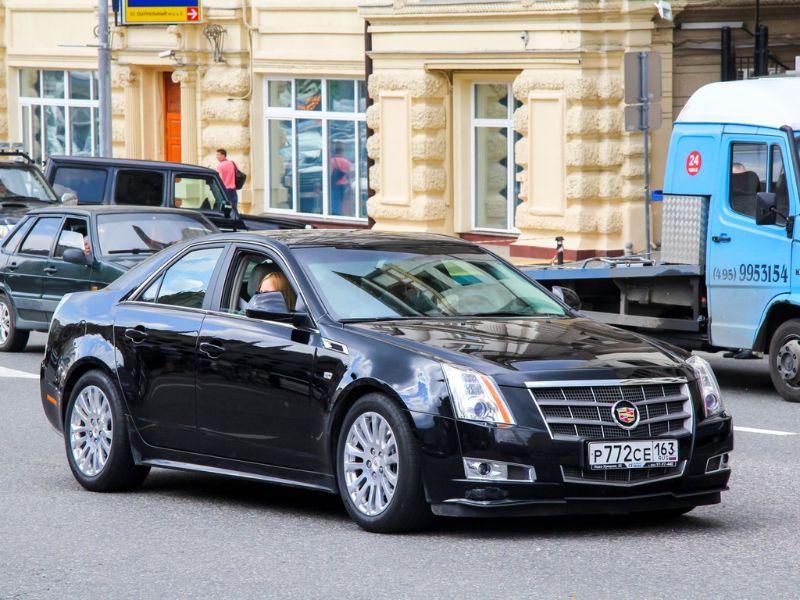
2011–2013: Second Generation Sweet Spot
These years balance performance, features, and reliability. The supercharger issue is less common, and most recalls have been addressed. Owners report fewer major repairs.
2017–2019: Third Generation Maturity
Later third-gen models have fewer bugs and improved build quality. The infotainment system is better, and paint issues are rare. These models are more expensive but offer the best reliability.
Credit: www.fixdapp.com
What To Check Before Buying A Used Cts-v
Buying a used CTS-V requires careful inspection. Here’s what to focus on:
- Service Records: Look for complete maintenance history. Regular oil changes, supercharger service, and recall work are essential.
- Test Drive: Listen for noises from the rear differential, transmission, and supercharger. Check for smooth shifting and suspension comfort.
- Electrical Systems: Test all infotainment, navigation, power windows, and seats.
- Exterior and Interior: Look for paint chips, worn seats, and broken trim. Early models may show more wear.
- Recalls: Check if all recalls have been completed. Ask for proof.
- Professional Inspection: If possible, have a mechanic inspect the car, especially the supercharger, suspension, and differential.
Cts-v Inspection Checklist
Use this quick checklist when shopping for a CTS-V:
- Engine noise and leaks
- Supercharger performance
- Transmission smoothness
- Suspension comfort
- Differential noise
- Electrical functions
- Seat and trim condition
- Recall completion
Cts-v Ownership Costs: What To Expect
Owning a CTS-V isn’t cheap. Here are the main costs to plan for:
Maintenance And Repairs
Regular maintenance is critical. Oil changes, brake pads, and supercharger service are musts. Neglecting maintenance leads to expensive repairs.
- Oil changes: $80–$150 (synthetic required)
- Brake pads: $400–$800 per axle
- Supercharger service: $1,000–$1,500
- Differential repair: $2,000–$2,500
Insurance
The CTS-V is powerful and expensive to insure. Rates vary by location and driver, but expect $1,500–$2,500 per year.
Fuel Economy
With a big V8, fuel economy is low. Most owners report 14–16 mpg city, 20–24 mpg highway.
Resale Value
CTS-Vs hold value better than standard CTS models. But years with known issues (2004–2005, 2009–2010) lose value faster.
| Year | Average Used Price (2024) | Reliability Score (1–10) |
|---|---|---|
| 2004 | $12,000 | 4 |
| 2009 | $22,000 | 6 |
| 2012 | $27,000 | 8 |
| 2017 | $55,000 | 9 |
Credit: www.motorbiscuit.com
Tips For Buying A Used Cts-v
Getting a good CTS-V means more than checking the year. Here are insider tips:
- Buy from Enthusiasts: Cars owned by enthusiasts are often better maintained. Look for cars with upgrades, careful records, and regular maintenance.
- Avoid Cheap Repairs: Some sellers use cheap parts or skip fixes to save money. Always ask for original repair receipts.
- Check for Mods: Modified CTS-Vs can be fun but risky. Engine, exhaust, or suspension upgrades might affect reliability.
- Research Recalls: Not all recalls are fixed. Use the VIN to check at Cadillac’s website.
- Negotiate Price: Years with known issues should be priced lower. Use reliability data to negotiate.
Non-obvious Insight: Supercharger Warranty
GM extended the supercharger warranty on some CTS-Vs (especially 2009–2014) because of the rattle issue. Many buyers don’t realize they can get repairs covered if the car qualifies. Always ask about supercharger service history and warranty status.
Non-obvious Insight: Magnetic Ride Control
The Magnetic Ride Control suspension is expensive to fix. Some shops can repair failed units for less than dealership cost. Ask sellers if aftermarket repairs were done.
Comparison: Cts-v Vs. Competitors
How does the CTS-V stack up against rivals like the BMW M5 and Mercedes E63 AMG? Here’s a quick comparison:
| Model | Engine | Horsepower | Reliability Score (1–10) | Average Repair Cost |
|---|---|---|---|---|
| Cadillac CTS-V | 6.2L Supercharged V8 | 556–640 | 7 | $1,500 |
| BMW M5 | 4.4L Turbo V8 | 560–617 | 6 | $2,000 |
| Mercedes E63 AMG | 4.0L Turbo V8 | 603 | 7 | $2,100 |
The CTS-V offers more horsepower for the money and lower average repair costs. But reliability varies by year, so avoiding problematic years is crucial.
Why Some Cts-v Years Are Riskier
Bad model years often happen due to rushed engineering, new tech, or supplier issues. For the CTS-V, the most common reasons are:
- First-year bugs: New generations often have teething problems.
- Supplier changes: Parts changes can lead to reliability drops.
- High power stress: The CTS-V’s power strains transmission, differential, and suspension parts.
- Owner habits: Many CTS-Vs are driven hard, leading to more wear.
Understanding these risks helps you avoid buying a lemon.
How To Spot A Problematic Cts-v
When shopping, watch for these warning signs:
- Unusual noises: Clunks, rattles, or whining from the rear or engine.
- Check engine light: Could signal expensive issues.
- Suspension bounce: Indicates Magnetic Ride Control failure.
- Transmission hesitation: Slow shifts or rough gears.
- Electrical glitches: Infotainment resets, power window failures.
If you notice these, walk away or get a professional inspection.
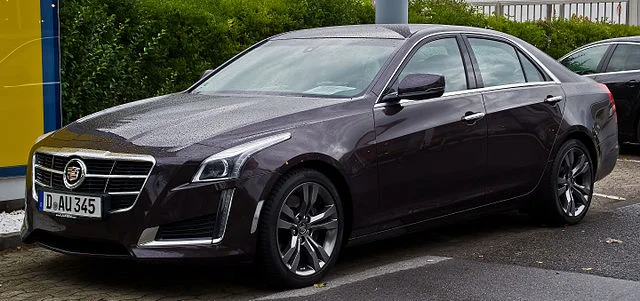
Credit: www.copilotsearch.com
Cadillac Cts-v Recall History
Recalls are a sign of factory issues. Some CTS-V years have more recalls than others. The most common recalls include:
- Airbag faults
- Seatbelt problems
- Supercharger noise
- Engine cooling issues
Always check the recall history with the VIN. Most recalls are free to fix at Cadillac dealers.
Cts-v Enthusiast Community: A Hidden Resource
The CTS-V has a strong online community. Forums like Cadillac V-Net and CTS-V Owners offer tips, repair guides, and buying advice. Joining these groups helps you learn from real owners and avoid mistakes.
For more data on Cadillac CTS-V recalls and reliability, see Wikipedia.
Frequently Asked Questions
Is The Cadillac Cts-v Expensive To Maintain?
Yes, the CTS-V’s high-performance engine and suspension mean regular maintenance is more costly than a standard car. Expect higher prices for oil changes, brake pads, and supercharger service. Repairs can be expensive, especially for the differential and Magnetic Ride Control suspension.
Which Cts-v Year Is Most Reliable?
The 2012–2013 and 2017–2019 CTS-V models are the most reliable. These years have fewer recalls, better build quality, and improved electronics. Owners report less frequent repairs and better resale value.
Can I Find A Good Cts-v From The Years To Avoid?
It’s possible, but risky. If you find a 2004–2005 or 2009–2010 CTS-V with full service records, completed recalls, and recent repairs, it could be a good deal. But many cars from these years have hidden issues. Always get a professional inspection.
What Are The Most Common Cts-v Problems?
The most frequent problems are supercharger rattle, rear differential failure, Magnetic Ride Control suspension faults, and electrical glitches. Early years have more engine and transmission trouble, while later years mostly face infotainment issues.
How Does The Cts-v Compare To The Bmw M5 And Mercedes E63 Amg?
The CTS-V offers more horsepower for less money, but reliability depends on the year. The BMW M5 and Mercedes E63 AMG are more expensive to repair. The CTS-V’s maintenance costs are lower, but some years are riskier. Choose a reliable CTS-V year for the best experience.
Buying a used Cadillac CTS-V is exciting, but knowing which years to avoid makes all the difference. With careful research, inspections, and understanding the car’s history, you can enjoy the thrill of this American super sedan without the headaches. Choose wisely, and the CTS-V will reward you with power, style, and luxury for years to come.