

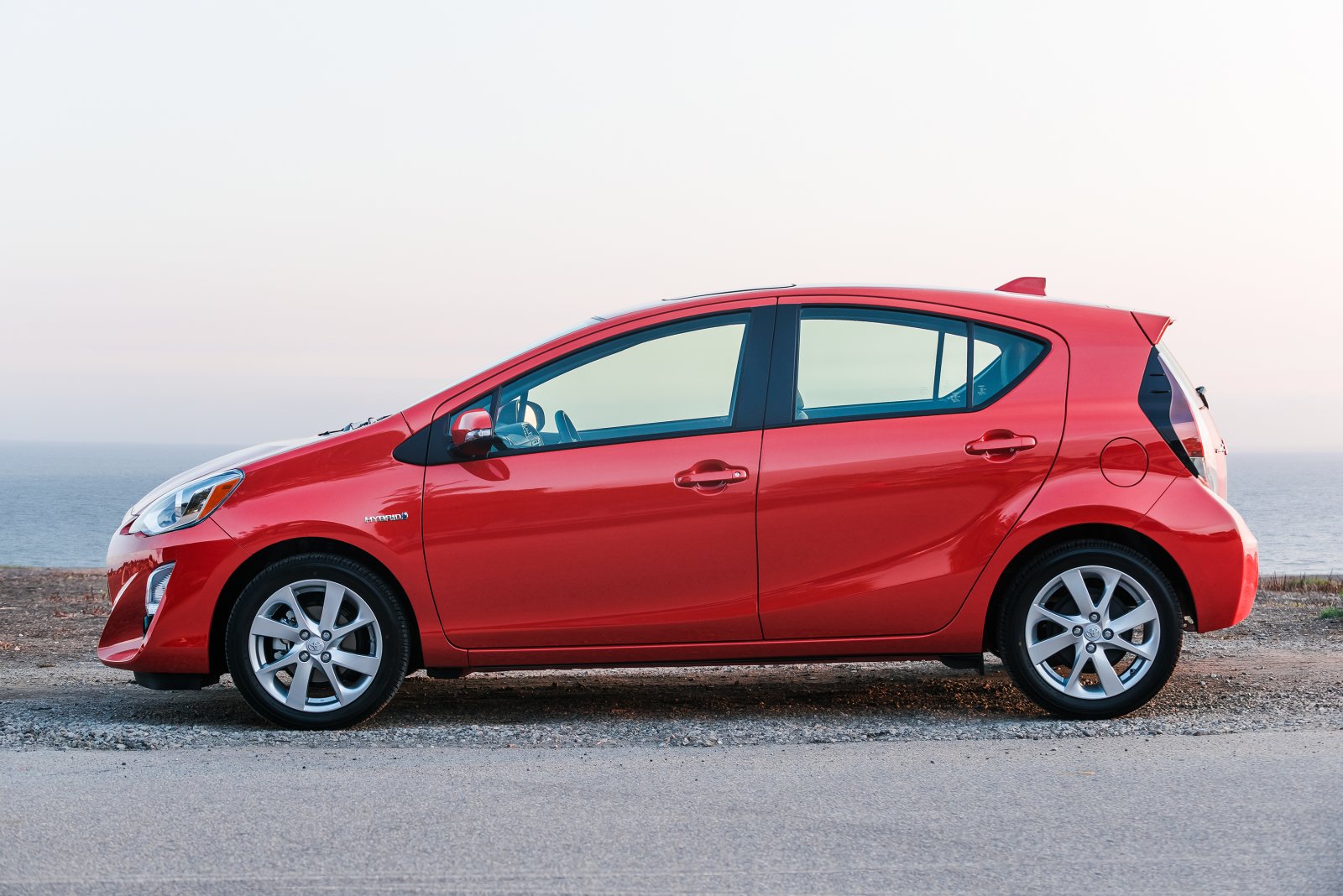
The Toyota Prius C entered the hybrid car market in 2012 as a smaller, more affordable sibling to the popular Prius. Known for its impressive fuel economy and compact size, the Prius C quickly found fans in cities and among budget-conscious drivers. However, not every Prius C year is equally reliable or trouble-free. Some model years have specific issues that can lead to higher repair costs, disappointing performance, or frustration over time. Understanding which Prius C years to avoid can save you money, headaches, and time in the long run.
This guide covers the Prius C’s full production run (2012–2019), highlighting the years with the most complaints, known weaknesses, and expensive problems. You’ll find real-world examples, common repair issues, and expert insights. If you’re considering a used Prius C, this article will help you make an informed decision.
Understanding The Toyota Prius C
Before diving into the years to avoid, let’s clarify what makes the Prius C unique. The Prius C, sometimes called the Toyota Aqua in other markets, was designed to be a city-friendly hybrid with a lower price point than the standard Prius. It uses a smaller 1.5-liter engine paired with Toyota’s Hybrid Synergy Drive system. The focus is on fuel efficiency, ease of parking, and minimal maintenance.
While the Prius C shares some parts with the regular Prius, it’s a different vehicle with its own strengths and weaknesses. Its simplicity is a plus for some buyers, but it also means fewer features and sometimes lower resale value.
Prius C Model Year Overview
The Prius C was sold in the United States from 2012 to 2019. Over these years, Toyota made minor updates but did not introduce a full redesign. Understanding the timeline helps when comparing reliability and features.
| Model Year | Notable Changes | Common Issues |
|---|---|---|
| 2012 | Launch year, new model | Electrical, brake, infotainment glitches |
| 2013 | Minor updates | Similar to 2012 |
| 2014 | Interior trim changes | Fewer complaints |
| 2015 | Styling refresh | Display screen issues |
| 2016 | No major changes | Very few issues |
| 2017 | Safety features added | Reliable overall |
| 2018 | Tech upgrades | Minor complaints |
| 2019 | Final year | Low complaint rate |
As you can see, the earlier years had more frequent issues. The later years, especially from 2016 onward, show fewer widespread problems.
Prius C Years To Avoid: The Main Problem Years
Not every Prius C is a smart buy. Data from owner reports, reliability studies, and recall records point to two main years you should be especially careful about:
- 2012 Prius C
- 2013 Prius C
These two years stand out for their higher number of complaints, technical service bulletins, and recalls. Let’s look at why.
2012 Prius C: Launch Year Growing Pains
The 2012 Prius C was the model’s introduction in the U.S. Like many first-year vehicles, it experienced more problems than later years. Owners reported several types of issues:
- Electrical system faults: Sudden warning lights, hybrid system errors, and infotainment glitches were common.
- Braking system worries: Some 2012 Prius C cars had problems with brake feel, pedal response, and even brake failure. Toyota issued recalls for certain brake components.
- Paint and interior quality: Reports of peeling paint, thin upholstery, and rattling plastics were more frequent in 2012.
Repair costs for electrical or braking system problems can run $800–$2,000, especially out of warranty. Some owners said the hybrid battery failed early, though this was less common than in the standard Prius.
2013 Prius C: Carry-over Issues
The 2013 Prius C improved on some launch-year problems, but several issues continued:
- Hybrid system errors: Owners still reported warning lights and the car entering “limp mode” (reduced power) without warning.
- Infotainment and display bugs: Touchscreen freezing, backup camera glitches, and poor Bluetooth connectivity frustrated drivers.
- Noise and vibration: More complaints about road noise, rattles, and a rougher ride compared to later models.
While not as problematic as 2012, the 2013 Prius C had more reliability complaints than any later year.
Why These Years Are Riskier
First- and second-year models often have bugs and weaknesses that get fixed in later versions. For the Prius C, Toyota made subtle changes after 2013 that improved reliability:
- Software updates for the hybrid system reduced false warnings.
- Brake system parts were improved to address feel and reliability.
- Interior materials were upgraded to reduce rattles and wear.
If you’re looking for a used Prius C, these improvements make the 2014 and later models more appealing.
Prius C Years With Fewer Problems
From 2014 through 2019, the Prius C became more reliable. These years received fewer complaints, and major repair costs were less likely. Here’s how the later models compare:
| Model Year | Number of NHTSA Complaints | Major Recalls |
|---|---|---|
| 2014 | 13 | 0 |
| 2015 | 9 | 1 (side airbags) |
| 2016 | 6 | 0 |
| 2017 | 4 | 0 |
| 2018 | 3 | 0 |
| 2019 | 2 | 0 |
The drop in complaints and recalls means you’re less likely to face expensive repairs or repeated visits to the mechanic if you buy a 2014–2019 Prius C.
Common Prius C Problems By Year
While the 2012 and 2013 models are the main years to avoid, every used car can have issues. It’s important to know what problems are typical for the Prius C across different years.
Hybrid Battery
The Prius C’s hybrid battery is smaller than the regular Prius, but failures are rare before 100,000 miles. When it does fail, the cost to replace can range from $1,000 to $2,500, depending on whether you use new or refurbished parts. Battery technology improved after 2014, and later cars tend to last longer.
Electrical And Infotainment
Early models (2012–2015) had more complaints about the infotainment system, including freezing screens and poor Bluetooth pairing. Later years had updated software, which solved most of these problems.
Braking System
Some early Prius C models experienced brake actuator failures or “soft” pedal feel. Toyota issued recalls and service bulletins, but repairs can still be expensive if not covered. Later years had fewer brake complaints.
Interior Quality
The Prius C was built to a price, so some owners complained about cheap materials, rattling dashboards, and worn upholstery, especially in the first few years. If you’re sensitive to noise or want a more comfortable ride, the 2016 and later models are a better choice.
Paint And Exterior
Thin paint and easy scratching were common in the 2012–2013 Prius C. By 2015, Toyota improved paint quality. If you live in a region with harsh weather, check for rust or faded paint, especially on earlier models.

Credit: www.ebay.com
Real-world Owner Experiences
Hearing directly from owners can reveal issues that don’t always show up in official data. Here are some examples:
- 2012 Prius C owner (California): “I loved the fuel economy, but the car had constant warning lights. The dealer replaced two sensors, but problems kept returning. I traded it in after three years.”
- 2013 Prius C owner (New York): “Bluetooth never worked right. Sometimes the car would lose power and go into limp mode. Repairs were expensive and frustrating.”
- 2015 Prius C owner (Texas): “No major problems after 60,000 miles. Just regular maintenance. Interior feels cheap, but it’s reliable.”
- 2017 Prius C owner (Florida): “No complaints. Great city car. Only thing I wish is more sound insulation for highway driving.”
One non-obvious insight: Many Prius C owners who experienced hybrid system warnings found that a weak 12-volt battery was the real cause, not the hybrid battery. Replacing the small 12V battery can often fix sudden error lights or “won’t start” issues.
Another insight: Early Prius C models sometimes had software bugs that only a dealer could fix. If you’re buying used, ask if all recalls and software updates have been completed.
Recall History And Safety Concerns
Checking recall records is essential when choosing a used Prius C. Here are the main recalls by year:
- 2012–2013: Several recalls for airbags, brake system components, and hybrid software. These were mostly fixed by dealers, but some cars may have missed updates.
- 2015: Recall for side airbag wiring.
- Later years: Fewer recalls, mostly minor or related to supplier parts.
You can check specific recall data and whether a car has been fixed by entering the VIN at the National Highway Traffic Safety Administration (NHTSA) website.
How The Prius C Compares To Other Hybrids
Is the Prius C more or less reliable than other hybrids in the same price range? Let’s compare it to two common rivals: the Honda Fit (gas-only, but often cross-shopped) and the Honda Insight.
| Model | Average Reliability (J.D. Power) | Major Issue Rate | Battery Replacement Cost |
|---|---|---|---|
| Toyota Prius C (2012-2019) | Above average | Low (after 2014) | $1,000–$2,500 |
| Honda Fit (2012-2019) | High | Very low | N/A (no hybrid) |
| Honda Insight (2012-2014, 2019+) | Average | Moderate (early years) | $1,500–$2,700 |
While the Prius C’s early years are riskier, later models are as reliable as or better than most competitors. The main advantage is fuel economy (over 50 mpg city), but the Honda Fit is less expensive to repair.
Tips For Buying A Used Prius C
If you’re set on a Prius C, here’s how to maximize your chances of getting a reliable one:
- Avoid 2012 and 2013 models if possible. These years have more frequent and expensive issues.
- Check for completed recalls and service bulletins. Ask the seller for records or check with a Toyota dealer.
- Inspect the hybrid battery: Ask for battery health reports (dealers can test this) or look for recent replacement.
- Listen for rattles: Test drive on rough roads to check for interior noise.
- Review service records: Consistent oil changes and brake fluid flushes help hybrid systems last longer.
- Ask about the 12V battery: A weak battery can cause warning lights and “no start” problems.
- Consider a certified pre-owned (CPO) Prius C: These come with warranties and often have fewer issues.
- Have a mechanic inspect the car: Especially if you’re buying from a private party.
What Really Matters When Choosing A Prius C
While price is important, the year and condition are even more critical for Prius C shoppers. Don’t be tempted by a low-mileage 2012 if you can find a 2016 with more miles but better reliability. Prioritize:
- Proven reliability (2014–2019)
- Complete maintenance records
- No warning lights on the dash
- No missed recalls or software updates
A well-maintained later Prius C can offer 200,000 miles or more of service. Early models, especially if neglected, can turn into money pits.
Common Buyer Mistakes With Prius C
Many first-time hybrid buyers make the same errors. Here are the most common mistakes, and how to avoid them:
- Ignoring hybrid battery health: A “cheap” Prius C with a failing battery can cost thousands to fix. Always ask for battery test results.
- Assuming all Toyotas are equal: The regular Prius and Prius C do not share all parts. The C is cheaper but less refined.
- Skipping the test drive: Some Prius C’s have transmission whine, rattling noises, or brake pedal issues that only show up on the road.
- Not checking for recall completion: Safety recalls are free to fix but only if done by the previous owner or dealership.
- Buying the first car you see: Take your time, compare several options, and don’t rush into a deal.
Credit: www.ebay.com
The Best Prius C Years For Most Buyers
If you want the best balance of price, features, and reliability, focus on these years:
- 2016 Prius C: Few complaints, improved materials, and often the best value.
- 2017 Prius C: Added safety features, very reliable.
- 2018–2019 Prius C: Most updated tech, lowest complaint rates, usually higher prices.
The 2015 model is a good value if you find one with all recalls done, but the 2016 and newer cars have clear advantages for long-term ownership.
Final Thoughts: Is The Prius C Right For You?
The Prius C is not a perfect hybrid, but it’s one of the most affordable, fuel-efficient used cars available. Most problems are concentrated in the first two years, with significant improvements after 2013. If you want a trouble-free Prius C, avoid the 2012 and 2013 models unless you know their full service history and battery condition.
For most buyers, a 2016 or newer Prius C will offer the best combination of reliability, value, and peace of mind. Always check records, test drive, and get a pre-purchase inspection to avoid surprises.
If you’re curious about Toyota’s hybrid history or want to learn more about the Prius line, the official Toyota Prius C Wikipedia page is a great resource.
Credit: www.mariontoyota.com
Frequently Asked Questions
What Is The Most Reliable Prius C Year?
The 2016, 2017, and 2018 Prius C models are known for their reliability. They have very few complaints and benefit from all the improvements made after the 2012–2013 launch years. These models are a safe bet for most buyers.
How Long Does The Prius C Hybrid Battery Last?
Most Prius C hybrid batteries last at least 8–10 years or 100,000–150,000 miles. Some last even longer with regular use and proper maintenance. Battery replacements are less common after 2014 thanks to improved technology.
Is The Prius C Expensive To Repair?
No, the Prius C is generally inexpensive to repair compared to other hybrids. Most maintenance is routine. Major costs can occur if the hybrid battery or brake actuator fails, but these are less likely after the 2014 model year.
Are There Any Recalls On The Prius C?
Yes, the 2012 and 2013 Prius C had several recalls for airbags, brakes, and hybrid system software. Most were fixed by dealerships, but always check the recall history for any used car you consider.
Can The Prius C Handle Highway Driving?
The Prius C is designed for city and suburban driving. It can handle highways, but the engine is small and the ride can feel noisy or underpowered at higher speeds. For mostly highway use, a standard Prius or larger hybrid might be a better choice.
The right Prius C can be a smart, economical choice. Take your time, know which years to avoid, and you’ll enjoy years of reliable hybrid driving.