The Toyota Matrix has left a strong mark as a practical, reliable compact hatchback. Produced from 2003 to 2013, it attracted drivers who wanted Toyota’s reputation for durability mixed with sporty design. But not every Matrix year is created equal. While many owners praise their cars for lasting hundreds of thousands of miles, some model years have well-documented issues that are expensive or frustrating to fix. If you’re considering a used Matrix, knowing which years to avoid can save you time, money, and headaches.
This guide gives you a clear, honest look at the Toyota Matrix years to avoid. You’ll learn about the main problems, how to spot them, and which years are safest to buy. Real-world data, expert opinions, and owner experiences back up every point. Whether you’re buying your first car or looking for a reliable commuter, this article will help you make a smarter choice.
A Quick Look At The Toyota Matrix
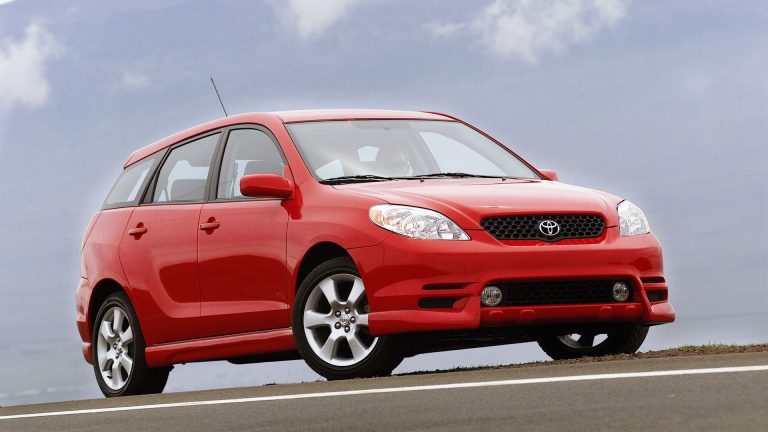
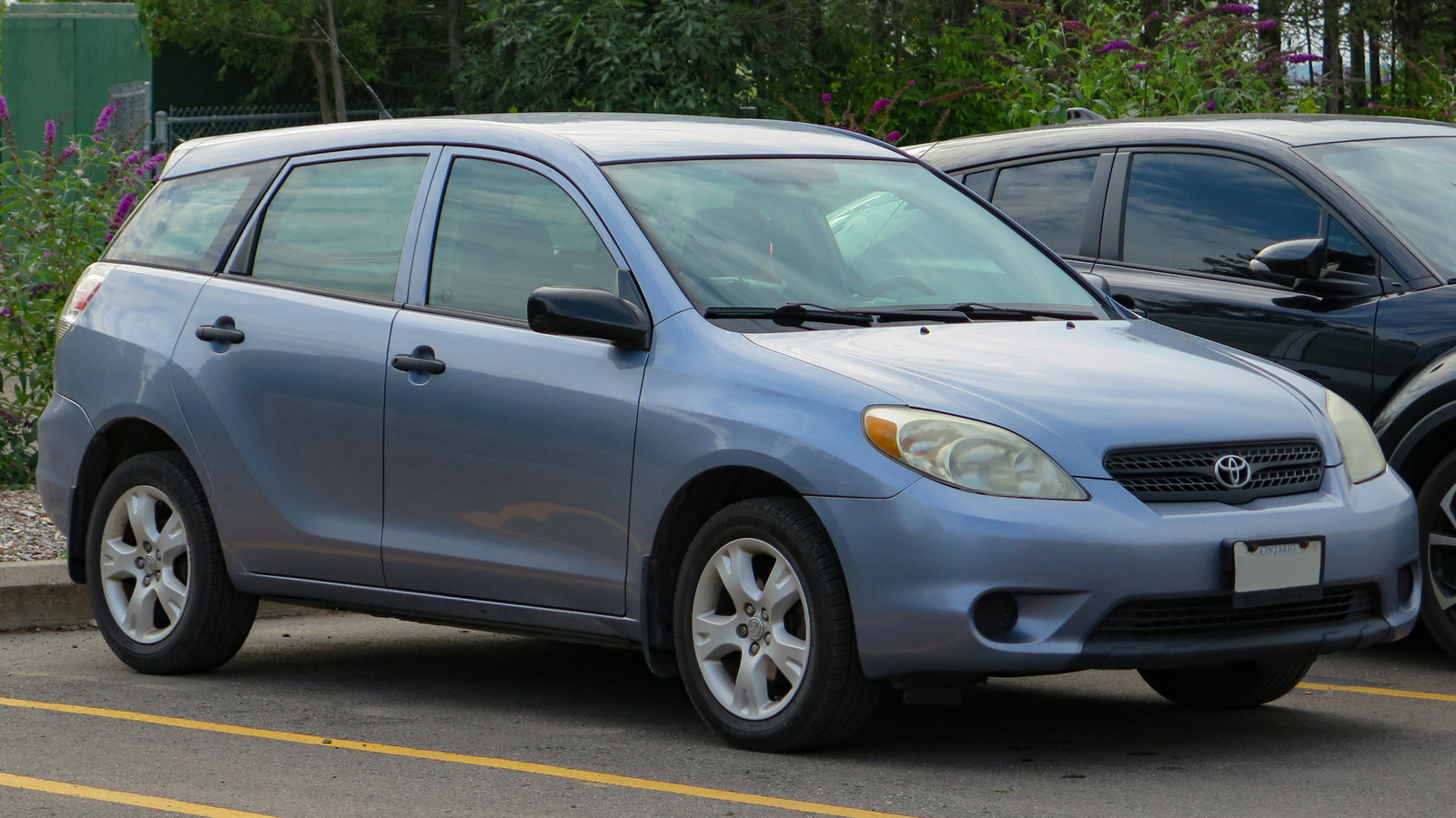
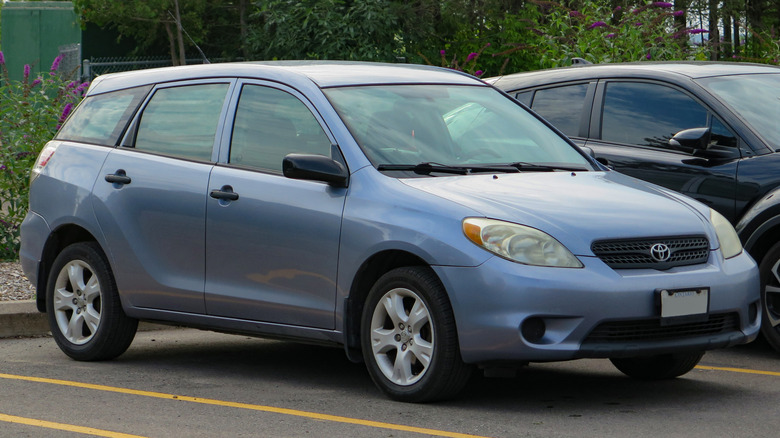
Before diving into problem years, let’s understand what the Matrix is. The Toyota Matrix is a five-door hatchback, developed together with General Motors (its twin is the Pontiac Vibe). Toyota offered two generations:
- First generation (2003–2008)
- Second generation (2009–2013)
Both generations share engines, transmissions, and many parts with the Toyota Corolla. The Matrix was built in Canada and targeted drivers who wanted the utility of a small wagon, sporty handling, and reliable running costs.
Why Some Years Are Worse Than Others
Not every Matrix is the same. Over its production life, Toyota made changes to:
- Engines (different motors, some more reliable)
- Transmissions (manual and automatic, each with specific problems)
- Safety features (improved in later years)
- Electronics (older models have weaker parts)
Some years have issues because of design flaws, supplier changes, or new technology that wasn’t fully tested. These problems might lead to recalls, high repair bills, or safety risks.
The Worst Toyota Matrix Years: What The Data Says
Let’s look at owner complaints, recall data, and repair statistics to see which Matrix years have the most trouble.
1. 2003 Toyota Matrix
The 2003 Matrix is often flagged as the most problematic year. It was the first year of production, and Toyota faced several early “teething” issues.
Main problems:
- Engine failure: Many owners report engines burning oil, losing power, or failing completely before 120,000 miles. The main engine (1ZZ-FE) sometimes has piston ring issues, leading to high oil consumption.
- Transmission issues: Manual transmissions are known for bearing failure, causing grinding, whining noises, or total breakdown. Automatic transmissions are more reliable but not trouble-free.
- Interior rattles and build quality: Early models often have creaks, rattles, and fast-wearing interior plastics.
- Airbag recalls: Some 2003 Matrixes were recalled for faulty airbag inflators.
Non-obvious insight: The 2003 model’s oil burning can get worse quickly if you don’t check and top off oil regularly. Even minor neglect leads to engine damage.
2. 2009 Toyota Matrix
The Matrix got a major redesign in 2009. Sadly, it brought new issues.
Main problems:
- Engine problems: The 2.4L 2AZ-FE engine (used in XR and XRS) is notorious for excessive oil consumption. Owners sometimes need to add a quart every 1,000 miles.
- Airbag recall: The Takata airbag inflator recall impacted 2009 models, causing a safety risk.
- Paint and trim: Paint tends to peel, especially on roofs and hoods. Interior trim pieces are more prone to breaking.
- Steering problems: Some owners report clunking noises and loose steering.
Non-obvious insight: The 2009 Matrix’s engine oil burning doesn’t always trigger a warning light. Many owners only discover the problem when the engine starts making noise.
3. 2010 Toyota Matrix
The 2010 Matrix continued many of the 2009’s problems.
Main problems:
- Excessive oil consumption: The 2.4L engine continued to burn oil at high rates. This can lead to engine damage if ignored.
- Check Engine Light: Oxygen sensor and EVAP system failures are common, leading to expensive repairs.
- Airbag recall: The Takata airbag problem continued in 2010.
- Suspension noise: Owners complain of squeaks and clunks from the front suspension.
Non-obvious insight: The oil burning problem is worse in cars that see frequent short trips. If you plan mostly city driving, these years are even riskier.
4. 2004–2008 Manual Transmission Models
While not as bad as 2003, Matrixes with the manual transmission from 2004 to 2008 still have above-average failure rates.
Main problems:
- Transmission bearing failure: The 5-speed manual (C59) is prone to noisy or rough shifting, sometimes failing completely around 100,000 miles.
- Clutch wear: Many owners report premature clutch replacement.
Non-obvious insight: Manual transmission repairs are often more expensive than automatics in the Matrix, since parts are harder to source as these cars age.
Matrix Years Most Owners Are Happy With
Not every Matrix year is risky. Some years stand out for reliability, value, and owner satisfaction. Here’s a quick overview:
| Model Year | Why It’s Safe | Common Problems |
|---|---|---|
| 2005–2008 (Automatic) | Updated engine parts, fewer transmission issues | Minor rattles, some paint issues |
| 2011–2013 | Improved engine reliability, safer airbags | Some oil use, but less severe |
| 2006–2008 (Base/Auto) | Simple features, strong resale value | Occasional electrical issues |
If you want the safest choice, go for a 2011–2013 Matrix. These cars have the fewest serious complaints, updated safety features, and less risk of expensive engine or transmission failure.
Detailed Breakdown: Common Matrix Problems By Year
When you’re shopping for a used Matrix, it helps to see the most common complaints by model year. Here’s a summary based on owner reports and repair shop data.
| Year | Most Common Issues | Cost to Fix (Approx.) | Severity |
|---|---|---|---|
| 2003 | Engine failure, transmission, interior rattles | $1,200–$4,500 | High |
| 2004–2008 (Manual) | Manual transmission, clutch | $900–$2,500 | Medium |
| 2009 | Oil burning, airbags, paint | $800–$3,200 | High |
| 2010 | Oil burning, suspension, check engine light | $700–$2,800 | High |
| 2011–2013 | Minor oil use, electrical | $300–$900 | Low |
Notice that the 2003, 2009, and 2010 years have the highest repair costs and most severe issues.
Understanding The Most Serious Toyota Matrix Problems
Let’s look deeper at the issues that make some Matrix years a poor choice.
Engine Oil Consumption
Both the 1ZZ-FE (2003–2008) and 2AZ-FE (2009–2010) engines are known for burning oil. Why does this matter?
- Low oil = engine damage. If you don’t add oil, the engine can seize.
- No warning. The Matrix doesn’t alert you if oil is low until it’s almost empty.
- Expensive repairs. Fixing oil burning usually means rebuilding or replacing the engine.
Some owners report adding a quart every 700–1,000 miles. If you buy one of these years, you must check the oil every other gas fill-up.
Manual Transmission Failure
The 5-speed manual in 2003–2008 Matrixes is weaker than Toyota’s usual standard. Bearing wear leads to:
- Whining or grinding in gears
- Hard shifting
- Complete failure
Repairs can cost over $2,000, and finding replacement parts is harder every year.
Airbag Recalls
Like many cars of the 2000s, the Matrix was affected by the Takata airbag recall. Inflators can rupture, sending metal fragments into the cabin.
- 2003–2008 and 2009–2010 were most affected.
- Check VIN before buying.
A recalled airbag must be replaced for safety, and in rare cases, parts shortages can delay repairs.
Suspension And Interior Problems
While not as serious, Matrixes from certain years have:
- Front suspension clunks or squeaks
- Rattling dashboards
- Peeling paint on hood and roof
These don’t usually stop the car, but they can lower resale value and make the car feel older than it is.
How To Spot A Problem Matrix
If you’re looking at a used Matrix, you can avoid many headaches by checking for warning signs. Here’s how:
Check For Oil Burning
- Ask for service records. See if the seller added oil between changes.
- Look for blue smoke from the tailpipe when starting the car.
- Check oil level before and after a test drive. If the level drops, walk away.
Test The Transmission
- Manual: Listen for whining or grinding in every gear, especially third and fifth.
- Automatic: Check for delayed shifts, slipping, or harsh engagement.
Review Airbag Recalls
- Enter the VIN at the National Highway Traffic Safety Administration’s site to see open recalls.
- Ask for proof that recall work was done.
Inspect Paint And Interior
- Look at the roof, hood, and top of doors for peeling or faded paint.
- Check dashboard and doors for rattles or loose trim.
Comparing The Matrix To Other Compact Hatchbacks
How does the Matrix stack up against rivals for reliability and value? Here’s a quick comparison to similar hatchbacks from the same years.
| Model | Reliability | Common Problems | Resale Value (Good Condition, 2010 model, 100k miles) |
|---|---|---|---|
| Toyota Matrix | Above average (except years to avoid) | Oil burning, manual transmission, airbag | $6,500 |
| Honda Fit | High | Starter motor, some transmission issues | $7,200 |
| Mazda3 | Average | Rust, suspension, engine mounts | $6,000 |
| Ford Focus | Below average | Transmission, electrical | $5,700 |
Notice that a good Matrix still holds its value well, but only if you avoid the problem years.
What To Do If You Already Own A Problem Year
If you have a Matrix from a risky year, don’t panic. Here’s how to get the most out of your car:
- Check oil regularly. Every 1,000 miles or at every fill-up.
- Fix recalls immediately. Safety comes first.
- Listen for new noises. Catching transmission or suspension problems early can save money.
- Keep records. If you fix a major issue (engine or transmission), keep all paperwork. It will help when selling.
- Consider selling if major repairs are needed and your car is over 150,000 miles. Sometimes it’s cheaper to buy a better year.
Tips For Buying A Used Toyota Matrix
Choosing the right Matrix can give you years of low-cost, reliable driving. Here are the best ways to shop smart:
- Target 2011–2013 models if your budget allows.
- Prefer automatic transmission for 2003–2008 years.
- Ask for maintenance records. A well-kept Matrix is less likely to have big problems.
- Get a pre-purchase inspection. A mechanic can spot hidden issues.
- Check for recalls and proof of repair.
Common mistake: Don’t assume all Toyotas are bulletproof. Early Matrixes have known weaknesses, so always check the car’s history.
Credit: rerev.com
Why Do These Problems Happen?
You might wonder why Toyota, known for reliability, had these issues with the Matrix. Here’s the short answer:
- First-year models always carry more risk, as design flaws don’t appear until thousands of cars are on the road.
- Supplier changes and cost-cutting sometimes lead to weaker parts.
- Shared parts with other models (like the Corolla) can spread problems across multiple cars.
- New technology (like early airbags) sometimes failed more often than mature designs.
Toyota fixed many issues in later years. That’s why the 2011–2013 Matrix is a much safer bet.
The Value Of A Thorough Test Drive
Don’t just rely on looks or a quick drive around the block. Spend at least 20–30 minutes with the car:
- Cold start: Listen for engine noise or smoke.
- Drive all gears: Manual or automatic, check smoothness.
- Try rough roads: Listen for suspension rattles.
- Test all features: Air conditioning, radio, windows, and locks.
If you notice anything odd, ask the seller. If they can’t give a clear answer, consider walking away.
How To Find A Good Toyota Matrix Mechanic
The Matrix shares many parts with the Corolla, so most independent mechanics can work on it. Still, ask:
- Do you have experience with Toyota Matrix?
- Can you source parts easily?
- Do you warranty your repairs?
A mechanic who knows the Matrix can help you spot early signs of trouble.
What Makes The Matrix Still Worth Considering?
Despite these problem years, the Matrix has real strengths:
- Spacious interior for a small car
- Good fuel economy (26–32 mpg combined in most models)
- Easy to park and drive
- Strong resale value if you buy a good year
- Cheap insurance compared to similar hatchbacks
Many Matrixes are still on the road past 200,000 miles, especially those from the best years.
Credit: www.slashgear.com
Should You Buy A High-mileage Toyota Matrix?
It’s common to see Matrixes for sale with 150,000 or even 200,000 miles. Is it worth the risk?
- If maintained well, the Matrix can last well past 200,000 miles.
- If it’s a problem year, high mileage means a higher chance of expensive repairs.
Always get a mechanic’s inspection. Pay less for a high-mileage Matrix, since you may need to budget for repairs.
Toyota Matrix Years To Avoid: Quick Reference
If you need a fast answer, remember:
- Avoid: 2003, 2009, 2010, and 2004–2008 manual transmission models
- Best choices: 2011–2013, 2005–2008 automatic
If you’re forced to choose a risky year, check service records and get an inspection before buying.
Credit: www.slashgear.com
Frequently Asked Questions
What Is The Worst Toyota Matrix Year To Avoid?
The 2003 Toyota Matrix is generally the worst year. It has engine failure, manual transmission problems, and multiple recalls. Repairs can be expensive, and even well-maintained examples can suddenly develop oil burning or transmission issues.
Is The Toyota Matrix A Reliable Car Overall?
Yes, the Toyota Matrix is reliable—if you choose the right year and take care of maintenance. Models from 2011 to 2013 are among the most dependable compact hatchbacks. The main problems are limited to certain years and engine/transmission types.
How Can I Check If A Used Matrix Has Been Recalled?
You can search for recalls using the car’s VIN on the NHTSA website. This lets you see open recalls, and if repairs were done. For more details, visit NHTSA Recalls.
Does The Toyota Matrix Share Problems With The Pontiac Vibe?
Yes. The Pontiac Vibe is a twin of the Matrix, built on the same line. Engine, transmission, and airbag issues are the same. If you’re considering a Vibe, the same years and advice apply.
Is The Matrix A Good Choice For A First Car?
For a first car, the Matrix is a good option—if you avoid the problem years. It’s safe, easy to drive, and cheap to insure. Get a 2011–2013 Matrix if possible, and always check for recalls and proper maintenance.
The Toyota Matrix can be a smart, affordable choice—if you know which years to avoid and how to spot trouble. Use this guide to shop confidently, and you’ll find a hatchback that delivers Toyota’s legendary reliability for years to come.