Buying a used Buick LeSabre can feel like taking a step back in time. For many, this large sedan brings memories of smooth rides and classic American comfort. But not all LeSabre years are created equal. Some models are praised for their reliability, while others are known for costly problems. If you’re thinking about buying a Buick LeSabre—or already own one—knowing which years to avoid can save you from headaches and expensive repairs.
This article gives you clear guidance on Buick LeSabre years to avoid, explains the reasons behind the warnings, and offers smart tips for finding a good LeSabre. You’ll get data, real examples, and side-by-side comparisons. Whether you’re a first-time buyer or a car enthusiast, this guide will help you make a confident choice.
Understanding The Buick Lesabre Legacy
The Buick LeSabre has a long history. First launched in 1959, it quickly became known for its soft ride, roomy interior, and affordable luxury. Over eight generations, Buick updated the LeSabre to match changing tastes and technology. The final model rolled off the line in 2005, marking the end of an era.
Why does the LeSabre still matter? Many people choose it as a reliable used car. It’s famous for its 3.8-liter V6 engine—a powerplant often called “bulletproof” for its durability. But even this legend has weak spots. Some years suffered from poor parts, troubled electronics, and unexpected engine issues. These problems can turn a bargain into a burden.
Why Some Lesabre Years Are Best Avoided
Every car model has “good” and “bad” years. The LeSabre is no exception. Problems come from several sources:
- Design flaws: Sometimes, engineers make mistakes that only show up after thousands of cars are on the road.
- Supplier issues: Parts from outside suppliers can fail early, causing recalls or widespread complaints.
- Changes in manufacturing: When a new plant or process is used, mistakes can slip through.
- Aging technology: As cars become more complex, electrical and computer problems become more common.
For the LeSabre, owners and experts have tracked which years suffered most. Let’s explore these years in detail.
Credit: www.fixdapp.com
Buick Lesabre Years To Avoid
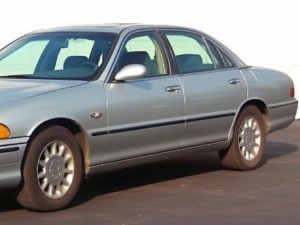
While many LeSabres are reliable, certain model years stand out for repeated problems. Based on owner reports, recall data, and mechanic advice, the most commonly avoided LeSabre years are:
- 1997
- 1998
- 2000
- 2001
- 2002
- 2003
- 2004
Each of these years has specific issues. Let’s look at what makes them risky choices.
1997 & 1998: Early Electronic Troubles
The 1997 and 1998 LeSabres are often flagged by mechanics and owners. These years saw:
- Intake manifold gasket failure: The plastic intake manifold can crack, causing coolant to mix with engine oil. This can lead to engine failure.
- Electrical system glitches: Problems with the dashboard, power windows, and locks are common.
- Transmission issues: Some cars experience harsh shifting or total transmission failure before 100,000 miles.
Why did these problems happen? Buick switched to new plastic parts to save weight and cost, but these didn’t always hold up. Electrical components were also redesigned, but not fully tested for long-term durability.
2000–2002: Costly Engine And Electrical Problems
These years are among the most complained-about LeSabres.
- Intake manifold leaks: Still a major issue, often showing up between 60,000 and 90,000 miles.
- Window regulator failure: Power windows often stop working, requiring expensive repairs.
- Instrument cluster malfunction: Gauges and warning lights may stop working, making it hard to know if the car is safe to drive.
- Fuel system troubles: Some cars have faulty fuel pumps or sensors, causing rough running or stalling.
These problems can be expensive and frustrating, especially if they happen after the warranty ends.
2003–2004: Persistent Window And Electrical Issues
The last LeSabre years (2003 and 2004) look modern, but they come with their own headaches:
- Power window failures: The window regulators often break. Sometimes all four windows stop working in the same year.
- Electrical gremlins: Issues with the radio, climate control, and door locks are common.
- Steering rack leaks: Some owners report fluid leaking from the steering system, leading to costly repairs.
While these cars can still be solid, you should check that previous owners have fixed these weak spots.
Other Years: Relative Safety
What about other years? The 1999 LeSabre is generally better than its neighbors, though it’s not perfect. 2005, the final model year, is seen as one of the safest bets. Problems are less common, and many owners report trouble-free driving for years.
How To Spot A Problem Lesabre
Not all cars from “bad” years will have problems. Some have been carefully repaired or maintained. Still, it’s smart to learn how to check a used LeSabre before buying.
Signs Of Trouble
- Check engine light stays on: Signals possible engine or sensor problems.
- Windows don’t move: Likely a failed window regulator.
- Wet floor or coolant smell: May be a leaking intake manifold gasket.
- Instrument cluster doesn’t work: Gauges or warning lights are dead.
- Harsh shifting: Transmission may be failing.
- Unusual noises: Clicking, whining, or grinding from the engine or suspension.
Ask the seller about past repairs. If important fixes haven’t been done, you may face big bills later.
Inspection Checklist
- Start the engine cold: Listen for knocks, rattles, or ticking.
- Operate all windows and locks: Make sure everything moves smoothly.
- Test the air conditioning and heater: Electrical issues can show up here.
- Drive at different speeds: Check for rough shifting or strange vibrations.
- Look for leaks under the car: Focus on the engine and steering system.
- Scan for warning lights: Any dashboard warning should be checked by a mechanic.
If possible, have a trusted mechanic inspect the car before you buy.

Credit: www.linestogo.com
Detailed Comparison Of Lesabre Years
Here’s a side-by-side look at common problems in key LeSabre years:
| Model Year | Main Issues | Repair Cost (Typical) | Reliability Rating |
|---|---|---|---|
| 1997 | Intake manifold, electrical, transmission | $800–$2,500 | Below average |
| 1998 | Intake manifold, windows, electronics | $700–$2,200 | Below average |
| 2000 | Intake leaks, window regulators, fuel system | $600–$2,000 | Poor |
| 2001 | Electrical, intake leaks, transmission | $750–$2,500 | Poor |
| 2002 | Window regulators, fuel pump, electronics | $700–$1,900 | Below average |
| 2003 | Windows, climate control, steering rack | $650–$1,800 | Average |
| 2004 | Window regulators, electrical, minor leaks | $600–$1,600 | Average |
| 2005 | Few reported issues | $400–$1,200 | Good |
This table shows why certain years are riskier. Repair costs can add up, especially for engine or transmission work.
What Makes A “good” Lesabre Year?
While it’s important to know which years to avoid, you should also understand what makes a LeSabre year “good.” Here are the main factors:
- Proven engine reliability: The 3.8L V6 is dependable in most years, except when intake leaks are present.
- Simple electronics: Older models have fewer electrical problems.
- Fewer recalls: Good years have fewer recalls and official complaints.
- Low ownership costs: Fewer major repairs mean cheaper long-term costs.
Most experts agree that 1995–1996 and 2005 are the safest LeSabre years. These models have fewer complaints and are less likely to need expensive repairs.
Lesabre Generation Comparison
Let’s compare the last three LeSabre generations:
| Generation | Years | Key Features | Common Problems |
|---|---|---|---|
| Seventh | 1992–1999 | Classic styling, analog gauges, basic electronics | Intake manifold, minor electrical |
| Eighth | 2000–2005 | Modern look, digital gauges, more features | Windows, intake manifold, electronics |
You can see that electrical and intake manifold issues became more common in later models.
Real Owner Stories: Lessons From The Road
Hearing from real LeSabre owners can give you insight you won’t find in statistics. Here are a few examples:
- Monica, 2001 LeSabre owner: “At 80,000 miles, my window fell into the door and wouldn’t go back up. A week later, the check engine light came on. Repairs cost over $1,000. I wish I’d checked for these issues before buying.”
- Derek, 1998 LeSabre owner: “The engine started mixing coolant and oil. My mechanic said it was a common intake gasket problem. I had to replace the gasket and flush the engine. After that, the car was fine.”
- Lisa, 2005 LeSabre owner: “Bought with 60,000 miles. I’ve only done oil changes and brakes in five years. No major problems.”
These stories show that buying from a “bad” year isn’t always a disaster—but you must be careful and know what to look for.
How To Shop Smart For A Used Lesabre
Finding a reliable LeSabre means doing your homework. Here’s how to improve your chances:
1. Focus On Better Model Years
Start your search with 1995–1996 or 2005 models. If you find a 1999 in good condition, it’s also a solid choice. Avoid the riskier years unless you have proof of key repairs.
2. Ask About Repairs And Upgrades
If you’re considering a “bad” year, ask the seller:
- Has the intake manifold gasket been replaced?
- Were the window regulators fixed?
- Has the instrument cluster been repaired or replaced?
If these repairs have been done, the car may be a good value.
3. Check For Recalls
Some LeSabre years had official recalls for safety problems. You can check the National Highway Traffic Safety Administration (NHTSA) database by VIN. Make sure all recall work has been completed.
4. Get A Full Inspection
A pre-purchase inspection by a trusted mechanic is a must. They can spot hidden issues and give you an honest opinion.
5. Consider Mileage And Maintenance
A LeSabre with 120,000 miles but full service records is usually better than a low-mileage car with poor maintenance. Ask for oil change receipts, repair bills, and any warranty paperwork.
Cost Of Ownership: What To Expect
A big reason people choose the LeSabre is its value. But costs can add up if you pick a troubled year. Here’s what to expect:
Typical Yearly Costs
- Insurance: $500–$900 per year (varies by state and driver)
- Fuel: 20–22 mpg combined; $1,600–$2,000 per year at average prices
- Maintenance: $400–$1,200 per year (older models on the higher end)
- Repairs: $0–$2,500 per year, depending on the year and condition
If you avoid the bad years, LeSabre ownership is affordable. But a car with major problems can wipe out any savings.
Repair Cost Comparison
Here’s a quick look at repair costs for common LeSabre problems:
| Problem | Typical Repair Cost | Years Most Affected |
|---|---|---|
| Intake manifold gasket | $700–$1,200 | 1997–2002 |
| Window regulator | $250–$450 per window | 2000–2004 |
| Instrument cluster | $300–$700 | 2000–2002 |
| Transmission rebuild | $1,600–$2,500 | 1997–2001 |
| Steering rack leak | $500–$1,200 | 2003–2004 |
Notice that repairs for “bad” years often cost more—and may happen sooner than you expect.
Non-obvious Insights For Lesabre Buyers
Most buyers focus on big problems like the engine or transmission, but here are two insights many people miss:
1. Interior Electronics Can Be Costly
People often ignore the instrument cluster and climate control system. Fixing these can cost hundreds, even though they seem like “small” problems. Always check every button, gauge, and display before buying.
2. Aftermarket Parts Quality Matters
Some LeSabre owners try to save money with cheap aftermarket parts—especially for window regulators and intake gaskets. These parts often fail sooner than factory-original replacements. Ask for receipts and check if quality parts were used in repairs.
Credit: www.linestogo.com
Alternatives To The Buick Lesabre
If you’re not sure about the LeSabre, you might consider similar cars. Here are a few options:
- Toyota Avalon: Known for reliability and comfort, but usually costs more than a LeSabre of the same age.
- Ford Crown Victoria: Durable, with a simple design. Easier to repair but less fuel-efficient.
- Chevrolet Impala (early 2000s): Shares some parts with the LeSabre but has its own set of common problems.
- Honda Accord (V6 models, early 2000s): Reliable, but backseat space is smaller.
Each car has strengths and weaknesses. If you want American comfort and a soft ride, the LeSabre is still a strong choice when you pick the right year.
Frequently Asked Questions
Is The Buick Lesabre A Good Used Car?
Yes, the Buick LeSabre is a good used car if you choose the right year. Models from 1995–1996 and 2005 are especially reliable. Avoid years with known engine, electrical, or transmission problems.
What Is The Most Reliable Buick Lesabre Year?
Most experts and owners agree that 2005 is the most reliable LeSabre year. It has fewer complaints, improved parts, and better overall durability.
How Long Can A Buick Lesabre Last?
With proper maintenance, a LeSabre can last 200,000 miles or more. The 3.8L V6 engine is famous for its longevity. Many owners report driving their LeSabres for over 15 years.
Are Lesabre Repairs Expensive?
Repair costs depend on the problem and year. Fixing major issues like the intake manifold gasket or transmission can be expensive. Routine maintenance, however, is affordable compared to other large sedans.
Where Can I Find More Information About Lesabre Recalls And Safety?
For official recall and safety data, visit the NHTSA website. You can search by year and VIN to see if a specific car has unresolved recalls.
The Buick LeSabre remains a classic choice for comfort and value, but only if you avoid the troubled years. By learning what to watch for and doing careful research, you can enjoy miles of smooth driving—and avoid the pitfalls of a “bad” LeSabre.