

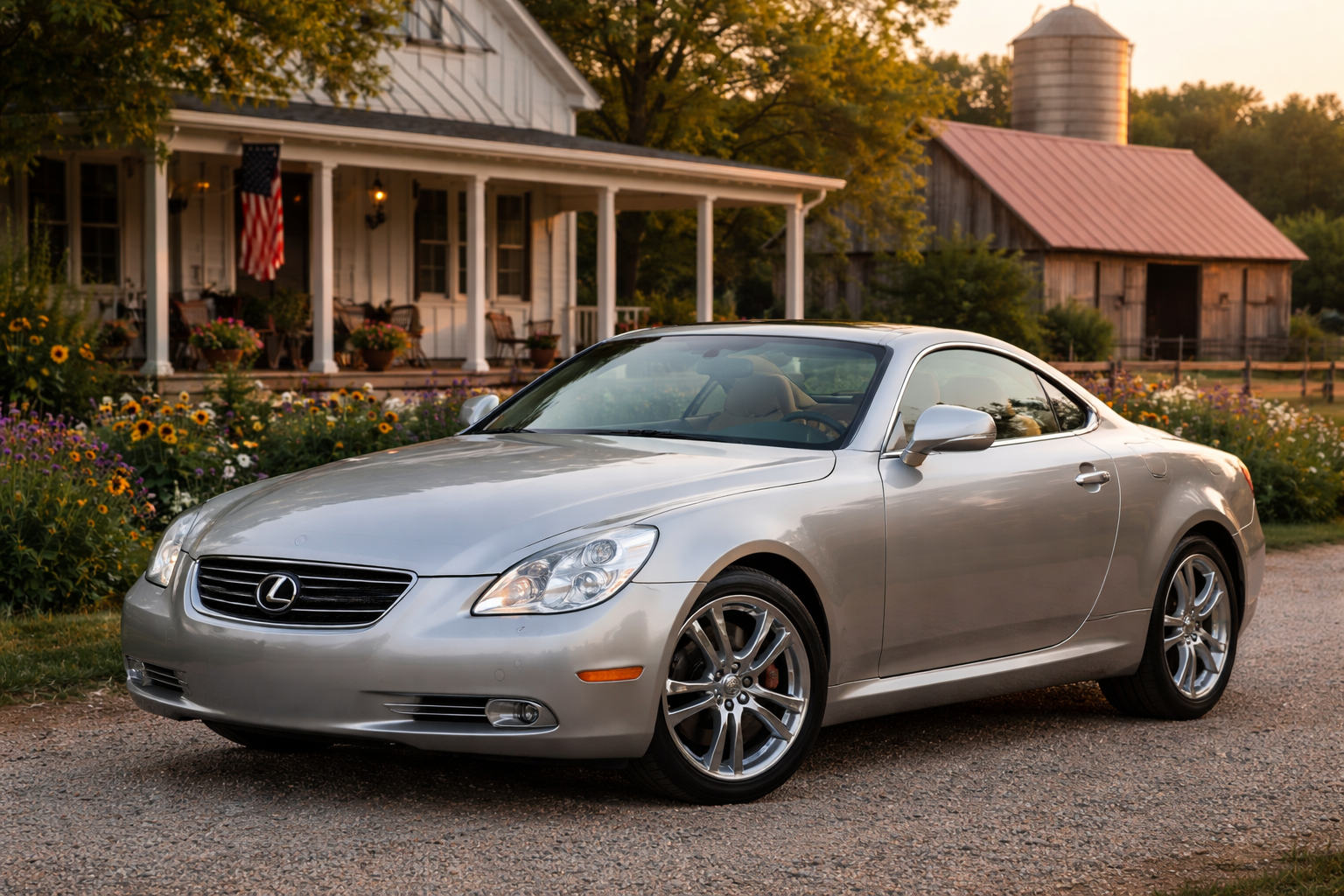
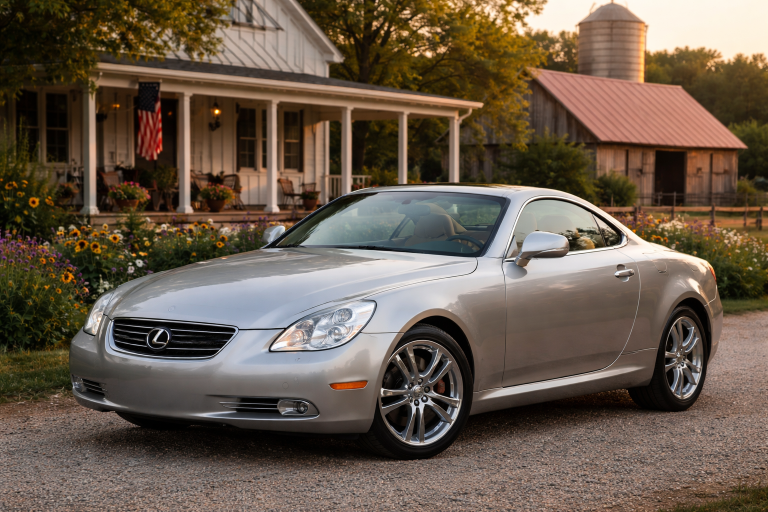
The Lexus SC430 is a luxury convertible that captures the spirit of grand touring. With its V8 engine, smooth lines, and a reputation for reliability, it drew attention from car lovers and critics alike. But not every year of the SC430 is created equal.
If you are considering buying a used SC430, it’s important to know which years to avoid to save yourself from costly repairs and disappointment. Let’s dive into the details, explore what makes certain years riskier, and help you make a smart choice.
The Story Of The Lexus Sc430
The SC430 was introduced in 2001 as a replacement for the Lexus SC400. It was Lexus’s answer to the growing demand for luxury convertibles. With a retractable hardtop and a powerful V8, the SC430 offered comfort and style. The car was engineered to compete with European rivals, promising not just reliability but also a sense of occasion behind the wheel.
Inside, the SC430 stood out for its plush leather, wood trim, and advanced features for its time. The hardtop roof gave owners the security and quiet of a coupe with the joy of open-air driving at the touch of a button.
Lexus aimed the SC430 at buyers who wanted a mix of comfort, style, and everyday usability.
However, as with many cars, some model years were more problematic than others due to changes in design, manufacturing, or quality control. Early adopters got the latest technology, but also faced the risk of “teething” issues that often affect first-generation models.
The SC430’s production ran from 2001 (globally) to 2010, with the U. S. market first seeing the car for the 2002 model year. Over this time, Lexus made small but important improvements, learning from owner feedback and real-world reliability data.
Key Years To Avoid: The Core Problem Years
While the Lexus SC430 is generally reliable, early model years (especially 2002–2004) have been noted for specific issues. Here’s a closer look at each problematic year and why you might want to steer clear:
1. 2002 Lexus Sc430
The very first year the SC430 hit the US market had growing pains. Electrical problems were common, especially with the navigation system and power roof. Owners reported:
- Navigation screen failures, which sometimes left the system unusable and maps unreadable.
- Roof mechanisms sticking or failing—sometimes the hardtop would get stuck halfway, leaving owners unable to secure or open the roof without expensive repairs.
- Malfunctioning sensors that affected roof operation or triggered warning lights.
These early electronics often required expensive repairs, and replacement parts were sometimes hard to source outside dealerships. The 2002 model also suffered from premature tire wear. Owners found themselves replacing run-flat tires more often than expected, and the ride quality was criticized for being harsh and bumpy, especially on rough roads.
Another frustration was the sensitivity of the suspension. Many drivers complained that the car did not absorb bumps well, taking away from the comfort you’d expect in a Lexus. In some cases, the original navigation system became obsolete, lacking map updates, which made the feature less useful over time.
2. 2003 Lexus Sc430
The 2003 version improved some problems but still carried over many 2002 issues. You may encounter:
- Persistent electrical glitches, such as flickering displays, malfunctioning seat controls, or random warning lights.
- Early wear on interior trim, especially around the center console and door panels. Some owners found the wood trim would fade or crack, and the leather could show wear even with low mileage.
- Suspension noises, including creaks and rattles, especially over speed bumps or uneven pavement.
The navigation system still failed often, and repairs often required removing the dashboard—an expensive and time-consuming job. Owners also noted dashboard cracking in hot climates, which led to costly replacements. In many cases, the cracked dashboards were not just cosmetic, but could affect airbag performance or resale value.
3. 2004 Lexus Sc430
By 2004, Lexus had fixed some minor issues, but certain problems remained:
- Navigation and audio system bugs were still present. Some users reported that the audio system would randomly cut out or lose sound in one speaker.
- Hardtop rattle and leaks: The roof mechanism was quieter than before, but some cars developed rattling noises, especially over time or if not regularly lubricated. In rare cases, rubber seals wore out, allowing water leaks during rain or car washes.
- Dashboard discoloration: Sun exposure could cause the upper dash to fade or change color, even in well-cared-for cars.
While reliability was better, the 2004 SC430 still saw complaints about electronics and trim durability. Many owners felt the car’s interior aged faster than expected, especially when compared to other Lexus models.
Why These Years Stand Out
Lexus is known for reliability, but new models often face “first-generation” problems. The 2002–2004 SC430s suffered from:
- Complex electronics that were new and not fully tested in real-world conditions. Early navigation and infotainment systems were cutting-edge but also more prone to bugs and failures.
- Early adoption issues with the hardtop mechanism. As one of the first Lexus models with a retractable hardtop, the system’s motors and sensors were not as refined, leading to more breakdowns.
- Use of run-flat tires that made the ride harsh and expensive to maintain. Many owners replaced these with standard tires, improving comfort but needing a backup plan for flats.
These years also lacked the refinements and updates found in later models, making them riskier for buyers. Some buyers thought they could save money by choosing an older SC430, only to spend much more on repairs and parts. It’s not just about the age of the car—the design and manufacturing changes in later years made a bigger difference than many realize.
Years With Fewer Problems: Safe Bets
If you want a Lexus SC430 but want to avoid headaches, focus on 2005–2010 models. From 2005 onward, Lexus:
- Refined the navigation and audio systems. While still not as advanced as modern infotainment, these systems are less likely to fail and often have better software.
- Improved hardtop reliability. The motors, sensors, and seals were updated, making the roof more dependable and less likely to rattle or leak.
- Updated interior materials, including better leather, stronger plastics, and improved UV resistance for the dashboard and trim.
These changes made later SC430s more durable and pleasant to own. Owners of 2006–2010 models often report years of trouble-free driving, and many say their cars still look and feel luxurious after more than a decade. The attention to detail in these years is clear, from the smoother operation of switches to the better fit and finish of the trim.
Another reason to focus on later years is the improved dealer support and availability of replacement parts. Lexus learned from early mistakes and offered better warranty support for common issues, so many cars from 2005 onward have already had updates or repairs done under warranty.
Credit: rerev.com
Common Problems Across All Years
Even the best SC430s can face some issues. Here are the most frequent:
- Navigation system failures – The screen can go blank or freeze, sometimes requiring a full replacement. While this problem is less common in later years, it’s still worth checking before you buy.
- Hardtop mechanism issues – Sensors or motors sometimes fail, stopping the roof mid-operation. Regular lubrication and care can reduce the risk, but parts can be expensive if they do break.
- Suspension noise – The ride can feel harsh, especially with run-flat tires. Some owners report knocking or squeaking sounds, especially at low speeds or over bumps.
- Dashboard cracking – Mostly in hot, sunny climates. Even with good care, UV rays can cause plastic and leather to shrink, crack, or fade.
- Premature tire wear – Due to design and tire choice. The SC430’s suspension was tuned for sporty handling, but this means tires can wear unevenly if not rotated regularly.
Most of these are fixable, but early years are more likely to suffer from multiple problems at once. It’s also important to note that parts for the SC430 are generally more expensive than for a typical sedan, so even small issues can add up over time.
Two less-obvious issues: some owners report window regulator failures (the motors that move the windows up and down), and aging air conditioning systems that may need new compressors or hoses as the car gets older. These are not as common, but worth asking about during a pre-purchase inspection.
Detailed Year-by-year Breakdown
Let’s look at each year of the Lexus SC430, highlighting issues, improvements, and what to watch for.
2002 Lexus Sc430
- Major problems: Electrical (navigation, roof), tire wear, harsh ride
- Typical repairs: $1,500–$3,000 for navigation or roof fixes
- Owner complaints: High, especially on online forums
- Extra notes: Some early 2002s had recalls for minor electrical updates. Many used models have had the navigation system replaced with aftermarket units.
2003 Lexus Sc430
- Major problems: Electronics, interior trim, dashboard cracking
- Typical repairs: $800–$2,500 for electronics; $1,000+ for dashboard
- Owner complaints: Moderate to high
- Extra notes: Interior finishes improved slightly, but still below Lexus standards. Hardtop jams became less frequent but not rare.
2004 Lexus Sc430
- Major problems: Audio/navigation bugs, trim, roof rattle
- Typical repairs: $1,000–$2,000 for electronics or trim
- Owner complaints: Moderate
- Extra notes: Lexus issued technical service bulletins for some issues, so check if these were addressed.
2005 Lexus Sc430
- Improvements: Electronics updated, fewer navigation issues
- Remaining issues: Hardtop sensors occasionally fail
- Owner complaints: Low
- Extra notes: Many owners keep these cars long-term due to increased reliability.
2006 Lexus Sc430
- Improvements: Updated styling, improved materials
- Remaining issues: Some suspension noise, minor electronics
- Owner complaints: Low
- Extra notes: Minor facelift, fresh colors and trim options.
2007–2010 Lexus Sc430
- Improvements: Most issues resolved, reliable electronics, durable interior
- Remaining issues: Occasional tire wear and roof sensor glitches
- Owner complaints: Very low
- Extra notes: The best years for value and reliability. Some of these cars are considered future classics.
Credit: www.ebay.com
Comparing Problem Years Vs. Reliable Years
To help you see the differences, here’s a quick comparison:
| Model Year | Main Problems | Estimated Repair Cost | Owner Satisfaction |
|---|---|---|---|
| 2002 | Electronics, roof, tires | $1,500–$3,000 | Low |
| 2003 | Electronics, trim, dash | $800–$2,500 | Medium |
| 2004 | Audio, trim, roof | $1,000–$2,000 | Medium |
| 2005–2010 | Minor electronics, tires | $400–$1,000 | High |
Notice the big jump in owner satisfaction and the drop in repair costs after 2005. This is why most experts recommend the newer models.
How To Identify A Problematic Sc430
If you’re looking at a used Lexus SC430, especially from 2002–2004, keep these tips in mind:
- Test all electronics, including navigation, audio, and roof operation. Try the roof several times in a row and listen for strange noises or hesitations.
- Check dashboard and trim for cracking or fading. Run your hand over the dash and wood trim; feel for roughness, swelling, or sticky patches (signs of UV damage).
- Listen for suspension noise during a test drive. Pay special attention to clunks or squeaks at low speeds.
- Inspect tires for uneven or excessive wear. Uneven wear can hint at alignment or suspension issues.
- Look for water stains in the trunk or on the headliner, which could mean roof seal leaks.
- Cycle all windows and mirrors. Slow or noisy window movement could signal regulator problems.
A professional inspection is always worth the cost, especially for early model years. Mechanics with Lexus experience can often spot warning signs an ordinary inspection would miss.
Not-so-obvious Insights For Buyers
Most buyers focus only on mileage and price. However, two things can be even more important:
- Service history matters more than age. A well-maintained 2003 may outlast a neglected 2007. Look for complete service records. Cars with regular oil changes, transmission fluid changes, and documented repairs are always safer bets—even if they have higher mileage. Ask for receipts, not just a stamped booklet.
- Climate affects interior longevity. SC430s from hot, sunny states are more likely to have dashboard and trim problems, even if the car is low mileage. Cars from cooler climates often have better-preserved interiors and electronics.
A less obvious tip: ask the seller about software updates. Some navigation and electronic bugs were fixed by Lexus dealers for free, but only if the owner requested the update. If the car has never been to a Lexus dealer for electronics, it may still have “hidden” bugs.
The Role Of Maintenance: How To Avoid Problems
Regular maintenance is key for any luxury car, but especially for models with known issues. Here’s what helps:
- Flush and replace fluids (transmission, brakes, coolant) on schedule. Old fluids can cause expensive failures in transmissions and cooling systems.
- Keep electronics updated – sometimes dealer software updates fix bugs or improve reliability. Ask if the car has had all recalls and technical service bulletins performed.
- Replace worn tires with high-quality ones – avoid run-flats if possible for better comfort. Standard touring tires usually offer a softer ride and last longer.
- Lubricate hardtop mechanism to prevent jams. Many owners forget this, but a little silicone spray on moving parts can extend roof life.
Following these steps can prevent many common SC430 headaches, even in earlier models. Maintenance is not just about the engine—most costly SC430 failures are related to electronics, roof, or interior.
Another tip: store the car indoors if possible. Keeping the SC430 in a garage reduces UV damage and keeps the interior looking new for years.
Should You Ever Buy A 2002–2004 Sc430?
It’s possible to find a good early SC430, but you need to be extra careful:
- Only buy with full service records. A car with missing history is a gamble, especially for these years.
- Test all features before buying. Spend extra time on the roof, electronics, and AC—don’t rush the inspection.
- Budget extra for possible repairs. Even if the car seems perfect, set aside $2,000–$3,000 as a safety net for the first year.
If the car has had its navigation, roof, and dashboard already repaired or replaced, it may be a safe bet. Otherwise, consider a later year for peace of mind. Ask if the car has had major components replaced—sometimes sellers upgrade the navigation with modern units or have had the roof serviced by a Lexus dealer, which adds value.
How The Sc430 Compares To Rivals
The SC430’s main competitors were the Mercedes SL, BMW 6-Series, and Jaguar XK. Here’s a quick look at how it stacks up:
| Car | Common Issues | Reliability | Maintenance Cost |
|---|---|---|---|
| Lexus SC430 | Early electronics, hardtop | High (except 2002–04) | Low–Medium |
| Mercedes SL (R230) | ABC suspension, electronics | Medium | High |
| BMW 645Ci/650i | Engine, electronics, cooling | Medium | High |
| Jaguar XK8/XKR | Transmission, electronics | Low–Medium | High |
The SC430, especially from 2005 onward, stands out for reliability and lower running costs compared to these rivals. While the Mercedes and BMW offer more sporty handling, they come with expensive repairs—like air suspension or complex engines. The Jaguar is beautiful, but often less reliable and costlier to maintain. Many SC430 owners chose Lexus after bad experiences with other luxury convertibles.
Buying Tips For A Used Lexus Sc430
To make sure you get the best possible SC430, follow these steps:
- Research the car’s history using VIN check services. This can reveal accidents, previous owners, and odometer rollbacks.
- Ask for maintenance records – don’t buy if these are missing. A well-documented service history is more important than a low price.
- Test every feature: Roof, windows, navigation, audio, AC, seats. Don’t just start the car—try every button and switch, as repairs are costly.
- Have a mechanic inspect the car, focusing on electronics and hardtop. Choose a mechanic familiar with Lexus or hardtop convertibles.
- Negotiate based on needed repairs. If you find issues, use them to lower the price or ask the seller to fix them first.
Extra tip: check for aftermarket modifications. Some owners replace the navigation or stereo with modern units—this can be a plus if done well, but sloppy work can cause electrical problems.
Market Values And Depreciation
SC430 prices have stabilized in recent years. Early models (2002–2004) are cheapest, but also riskiest. Later models cost more but are safer bets. Expect to pay:
- $10,000–$15,000 for a good 2002–2004 model
- $15,000–$25,000 for a clean 2006–2010 model
Special editions or very low-mileage cars can ask even more. The “Pebble Beach” editions (2004–2009) can sometimes bring a premium because of unique colors and wheels, but they don’t change reliability.
Depreciation is slower now—the SC430’s value has bottomed out, so buying a well-kept car can be a smart move. Resale values are stronger for later years, especially with full service history.
Credit: rerev.com
Owner Satisfaction And Real-world Experiences
Most SC430 owners love the car’s comfort, V8 smoothness, and hardtop. But unhappy owners usually bought early models with unresolved issues. On enthusiast forums and review sites, the difference between satisfied and frustrated owners often comes down to model year and maintenance history.
Happy owners praise the SC430 for its “bulletproof” engine, quiet ride, and ability to cruise long distances with ease. They often mention how little goes wrong if the car is maintained properly. Owners who regret their purchase usually did not check for common issues or bought without inspection, leading to expensive surprises.
One less obvious insight: many SC430s are owned by older drivers who drive fewer miles and take good care of their cars. This means you can sometimes find very low-mileage examples, but it’s still important to check for age-related issues like dried-out rubber or old fluids.
Insurance And Running Costs
The SC430 is not as expensive to insure as some European rivals, but costs can be higher for early years needing repairs. Common running costs include:
- Tires: Run-flats are costly, but regular tires can be fitted with minor modifications. Budget $800–$1,200 for a full set.
- Brakes: Last long, but OEM parts are pricey. Aftermarket options are available and often just as good.
- Fluids: Regular changes keep the car reliable. Skipping fluid changes is a common cause of transmission or cooling system problems.
Other costs: regular detailing and UV protection for the dashboard and trim can save money in the long run. The V8 is not as thirsty as some rivals, but premium fuel is required.
Should You Avoid The Sc430 Altogether?
If you love the look and feel of the SC430, don’t let the early years scare you away—just be careful. With the right research and a bit of patience, you can find a great example. For those who want worry-free ownership, stick to 2005 and newer.
The SC430 is a unique car: not as sporty as some rivals, but better built and easier to live with. For many, it’s the perfect “third car”—a weekend cruiser that requires little fuss, as long as you pick the right year and keep up with maintenance.
Is The Sc430 A Good Investment?
The SC430 is unlikely to become a high-value classic soon, but well-kept cars—especially from the later years—hold their value well. Some collectors are starting to appreciate the unique design, so prices may rise for the best examples.
If you want a car to enjoy rather than make money, the SC430 is a smart choice. It offers reliable luxury and stands out in a crowd. Just remember: buy the best example you can afford, and enjoy the ride.
For more detailed reliability data, visit Consumer Reports.
Frequently Asked Questions
What Are The Worst Years For The Lexus Sc430?
The 2002–2004 model years are the most problematic due to electrical issues, navigation failures, and hardtop mechanism troubles. These years also had more complaints about interior durability and ride quality.
Are Later Lexus Sc430 Models Reliable?
Yes, 2005–2010 SC430s are very reliable. Lexus fixed many earlier problems, improved materials, and updated the electronics. Most owners report few issues with these later years.
Is The Sc430 Expensive To Maintain?
Maintenance costs are moderate for a luxury convertible. Routine service is affordable, but repairs for electronics or the hardtop can be costly, especially on early models. Using a trusted mechanic and keeping up with maintenance helps avoid big bills.
Can I Replace The Run-flat Tires On An Sc430?
Yes, many owners switch to regular tires for a smoother ride and lower replacement cost. You may need a tire repair kit or spare, as the SC430 doesn’t come with one from the factory.
Does The Sc430 Have Any Major Recalls?
There have been a few minor recalls, mostly related to airbags (Takata recall). Check the specific car’s VIN for any open recalls before buying. Lexus dealers can perform recall repairs at no cost.