

The Toyota RAV4 Hybrid has earned a reputation as a smart choice for drivers who want reliability, efficiency, and practicality. Many owners praise its fuel economy, comfortable ride, and low maintenance costs. However, not every RAV4 Hybrid model year has delivered the same trouble-free experience.
Some years have seen more complaints and costly problems than others. If you are thinking about buying a used RAV4 Hybrid, knowing which model years to avoid can save you from headaches and unexpected repair bills.
Choosing the right year is not just about price or mileage. Specific models may have recurring issues that make them less dependable, even if they seem like a good deal at first. Some problems are minor annoyances, while others can lead to expensive repairs or even safety concerns.
This guide explains which RAV4 Hybrid years you should avoid, why they are risky, and what alternatives to consider instead. We’ll also look at common problems, share insights that most buyers miss, and answer important questions to help you make a confident decision.
Why Some Rav4 Hybrid Years Are Best Avoided
Every car model goes through changes with each new generation and year. Sometimes, new technology or design changes introduce unexpected issues. Toyota is known for strong quality control, but even they are not immune to production mistakes or faulty components.
When problems affect enough owners, patterns emerge—these are the years buyers should approach with caution.
Common reasons to avoid certain years include:
- Engine and hybrid system failures that are expensive to repair
- Transmission problems that lead to rough driving or breakdowns
- Electrical glitches affecting safety features or basic functions
- Excessive recalls for serious defects
- High numbers of owner complaints and technical service bulletins
It’s important to remember that not every car from a “bad” year will have issues. But your chances of trouble are higher, and repairs can quickly outweigh any savings on the purchase price.
Overview: Toyota Rav4 Hybrid Generations
Understanding which years are risky starts with knowing the RAV4 Hybrid’s timeline. Toyota launched the RAV4 Hybrid in 2016 in the U.S., based on the fourth-generation RAV4. Here’s a quick look at the model’s history:
| Generation | Model Years | Main Changes |
|---|---|---|
| Fourth (XA40) | 2016–2018 | First RAV4 Hybrid, new 2.5L hybrid system |
| Fifth (XA50) | 2019–Present | Redesigned platform, improved hybrid system |
Most well-known problems are found in the early hybrid models and the first years after a new generation launch. Toyota has improved the RAV4 Hybrid over time, but some years still stand out for the wrong reasons.
Rav4 Hybrid Years To Avoid: The Big Four
When looking at owner reports, recall data, and expert reviews, four model years stand out as the worst choices for used RAV4 Hybrids. These are:
- 2016
- 2017
- 2019
- 2020
Let’s break down why each of these years is problematic, what types of issues they have, and what you should watch out for.
1. 2016 Rav4 Hybrid
The 2016 model is the first RAV4 Hybrid ever sold in the U.S. While it introduced Toyota’s advanced hybrid technology to the RAV4 line, early production often means more teething problems.
Key Issues
- Hybrid system failure: Owners report sudden loss of power or the car refusing to start. Repairs can cost several thousand dollars, often related to the inverter or hybrid battery.
- Transmission problems: Some drivers experience jerky shifting, delayed acceleration, or warning lights. The electronic CVT (eCVT) in hybrids is complex and pricey to fix.
- Electrical glitches: Malfunctions in the infotainment system, backup camera, or dashboard warning lights are common. These can be annoying and sometimes affect safety.
- Brake system quirks: The 2016 hybrid uses regenerative braking, but many owners note a spongy or unpredictable pedal feel.
Recalls And Complaints
The 2016 RAV4 Hybrid had multiple recalls, including for airbag problems and hybrid system shutdowns. According to the National Highway Traffic Safety Administration (NHTSA), this year has more complaints than later hybrids.
Non-obvious Insights
- Early hybrid batteries may degrade faster than expected, especially in hot climates.
- Some owners report water leaks into the rear cargo area due to bad seals—a problem not always checked during pre-purchase inspections.
Should You Buy A 2016 Rav4 Hybrid?
Unless you find a low-mile, well-documented car with extended warranty, it’s best to skip this year. Repair costs can quickly erase any savings. Many Toyota techs recommend newer hybrids for better reliability.
2. 2017 Rav4 Hybrid
The 2017 model continued with the same generation and technology, but it did not fix all the previous year’s issues. In fact, some problems became more widespread.
Key Issues
- Persistent hybrid system errors: “Check hybrid system” warnings can appear randomly. Some cars require full replacement of the hybrid battery or inverter.
- Wind noise and rattles: Many owners complain about loud wind noise at highway speeds and interior rattles—surprising for a Toyota.
- Infotainment freezes: The touch screen can lock up or reboot, making navigation and audio unreliable.
- Unpredictable braking: The switch between regenerative and friction brakes still feels rough to many drivers.
Recalls And Complaints
Toyota issued recalls for electrical shorts that could cause fires, as well as issues with the parking brake. 2017 models still appear frequently in owner complaint databases.
Non-obvious Insights
- Some repairs are not covered under Toyota’s hybrid warranty, depending on mileage and previous service history.
- Road salt can cause premature rust on underbody parts in cold-weather states, especially for the 2017 hybrid.
Should You Buy A 2017 Rav4 Hybrid?
If you want a trouble-free hybrid, look for a later model. The 2017 model year doesn’t offer enough improvements over 2016 to justify the risks.
3. 2019 Rav4 Hybrid
2019 was the first year of the fifth-generation RAV4 Hybrid (XA50). This new model brought big changes in design, technology, and performance. However, first-year redesigns often have unexpected issues, and 2019 is no exception.
Key Issues
- Fuel tank design flaw: Many owners report the tank will not fill completely, stopping at 9–11 gallons instead of the advertised 14.5 gallons. This reduces driving range and requires more frequent stops.
- Harsh ride and cabin noise: Toyota switched to a stiffer suspension, which some find uncomfortable. Road and tire noise are louder than expected for a hybrid.
- Unresponsive infotainment: The new system is slow and sometimes fails to connect to smartphones.
- Hybrid system bugs: Some drivers see random warning lights or experience a sudden loss of power.
Recalls And Complaints
Toyota issued a recall for the fuel tank problem, but not all cars are fixed. The 2019 model has a high number of NHTSA complaints related to the hybrid system and electronics.
Non-obvious Insights
- The 2019 hybrid uses a new all-wheel drive system that can be noisy or feel rough at low speeds—a detail rarely mentioned in ads.
- Some early 2019 models were built before software updates were released to fix key bugs. These cars are more likely to have lingering issues.
Should You Buy A 2019 Rav4 Hybrid?
Unless you confirm all recalls and updates have been done, the 2019 hybrid is a risky choice. Later years offer more refinement and fewer problems.
4. 2020 Rav4 Hybrid
The 2020 model continued with the new generation but did not fix all the previous year’s troubles. While Toyota made some software updates, several problems persisted.
Key Issues
- Fuel tank still problematic: Many 2020 owners still report trouble fully filling the tank, just like in 2019.
- Braking complaints: Some drivers find the brakes grabby, inconsistent, or too sensitive at low speeds.
- Random warning lights: Hybrid system errors and check engine lights are still common.
- Build quality inconsistencies: Reports of rattling doors, misaligned panels, and squeaky interiors increased this year.
Recalls And Complaints
The 2020 model was recalled for engine coolant leaks and sudden stalling. It still has a higher-than-average complaint rate for a Toyota hybrid.
Non-obvious Insights
- Some dealers do not have the right parts or training to fix the tank issue, causing long waits for repairs.
- A small number of 2020 hybrids have failed emissions tests due to software bugs—a problem that can be hard to diagnose.
Should You Buy A 2020 Rav4 Hybrid?
Unless you can verify all recalls are complete and the car has a clean service history, the 2020 RAV4 Hybrid is a gamble. Consider a later model year for better reliability.
Comparison: Rav4 Hybrid Years To Avoid Vs. Recommended Years
It helps to see how the worst years compare to the best. Here is a quick side-by-side look:
| Model Year | Common Problems | Recalls | Reliability Rating |
|---|---|---|---|
| 2016 (Avoid) | Hybrid system, transmission, brakes | Multiple | Below Average |
| 2017 (Avoid) | Hybrid system, electrical, rust | Multiple | Below Average |
| 2019 (Avoid) | Fuel tank, infotainment, ride quality | Significant | Below Average |
| 2020 (Avoid) | Fuel tank, brakes, warning lights | Significant | Below Average |
| 2018 (Recommended) | Minor | Few | Above Average |
| 2021–2023 (Recommended) | Few | Few | Excellent |
2018 and 2021–2023 models are praised for their reliability and owner satisfaction. They have fewer recalls, better hybrid systems, and more refined driving experiences.
Common Problems In Rav4 Hybrid Years To Avoid
If you are considering a used RAV4 Hybrid, it’s important to recognize the most frequent issues. Here are the top problems in the years to avoid:
Hybrid System Failures
The hybrid system is the heart of the RAV4 Hybrid. In affected years, owners report:
- Sudden power loss while driving
- “Check hybrid system” warnings that won’t clear
- Difficulty starting the car
Repairs can cost $2,000–$6,000, depending on the part (battery, inverter, wiring). In rare cases, the entire system needs replacement.
Fuel Tank Issues
For 2019 and 2020, the fuel tank design prevents full refueling. Instead of 14. 5 gallons, some tanks only allow 9–11 gallons, reducing range.
- Toyota did not fix every affected car, and some repairs failed.
- Range drops from around 580 miles to just 350–400 miles per fill-up.
Transmission And Drivetrain
Some models have:
- Jerky shifting or delayed acceleration
- Strange noises from the all-wheel drive system
- Transmission warning lights that require software updates
Electrical And Infotainment Glitches
Owners report:
- Infotainment screens freezing or rebooting
- Backup camera or sensors failing randomly
- Malfunctioning safety features (blind spot monitoring, lane assist)
Brakes
Problems include:
- Spongy or unpredictable pedal feel
- Brakes grabbing too hard at low speeds
- Regenerative braking system errors
Build Quality
Unexpected for Toyota, but some years have:
- Rattling or squeaking interiors
- Misaligned doors or panels
- Water leaks in the cargo area
How To Spot A Risky Rav4 Hybrid
Not every car from a “bad” year is a lemon, but you should be extra cautious. Here’s how to protect yourself:
- Check the Vehicle Identification Number (VIN) for recalls and service history. Ask the seller for Toyota dealer records. If anything is missing, walk away.
- Test drive on different roads. Listen for rattles, squeaks, or drivetrain noises. Try the brakes in both city and highway conditions.
- Fill the fuel tank. If it stops early, the tank fix may not have worked.
- Cycle all electronics. Test the infotainment, backup camera, and safety features.
- Ask for hybrid battery health report. Dealers can print this. Avoid any car with a weak or replaced battery unless covered by warranty.
What Makes A Good Rav4 Hybrid Year?
A reliable RAV4 Hybrid has:
- Fewer recalls and complaints
- Updated hybrid technology
- Solid owner reviews
- Low repair costs
Later years (2018, 2021–2023) offer improved batteries, better electronics, and more refined rides. They are less likely to have expensive problems and usually hold their value better.
Alternatives To Avoided Years
If you want a hybrid SUV but want to skip the risky RAV4 years, consider:
- 2018 RAV4 Hybrid: Last year of the fourth generation, with most bugs fixed.
- 2021–2023 RAV4 Hybrid: Recent models with the latest updates.
- Honda CR-V Hybrid: Similar size and efficiency, with a strong reliability record.
- Ford Escape Hybrid: Improved reliability in recent years.
If you prefer to stick with Toyota, remember that the company’s hybrid warranty is among the best—8 years or 100,000 miles for hybrid components, and up to 10 years or 150,000 miles in some states.

Credit: www.topspeed.com
Practical Tips For Buying A Used Rav4 Hybrid
- Always get a pre-purchase inspection by a hybrid-certified mechanic. They can check for hidden battery or electrical issues.
- Confirm all recalls are done. Ask the dealer for proof.
- Buy from reputable sources. Certified pre-owned programs often include extended hybrid warranties and a better inspection process.
- Factor in repair costs. Even if the purchase price is low, hybrid repairs are expensive.
- Consider total cost of ownership. Insurance, taxes, and maintenance add up, especially if you choose an “avoid” year.
Rav4 Hybrid: What Most Buyers Miss
Many people focus only on mileage or price, but with hybrids, battery health and update history matter more. Some sellers “reset” warning lights without fixing the root problem—always ask for recent service records.
Another common oversight is the cost of hybrid system repairs. Even a simple inverter replacement can cost more than $2,000. Extended warranties that cover hybrid components are valuable for higher-risk years.
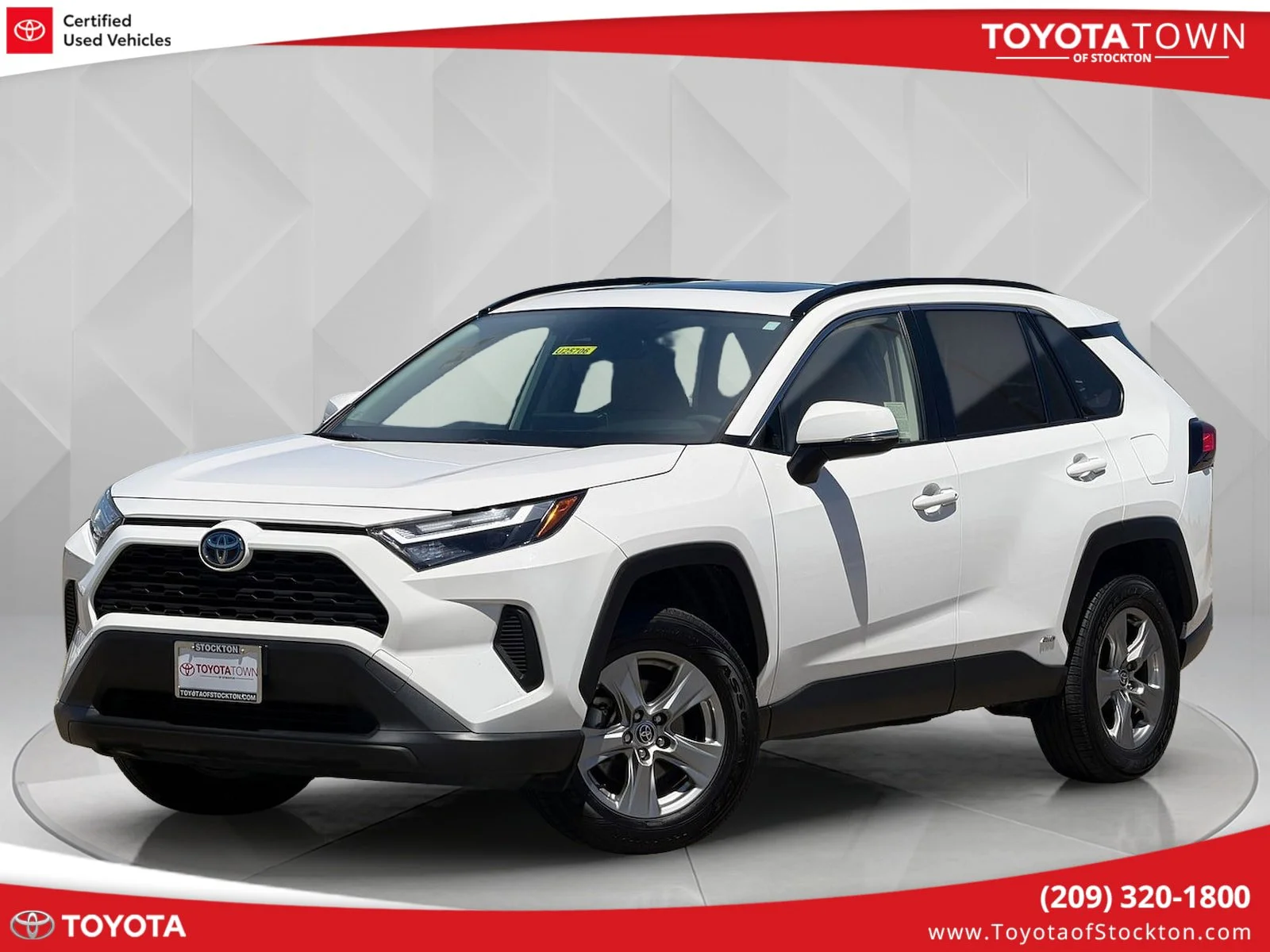
Finally, always check for software updates. Toyota issued several updates to fix hybrid, infotainment, and safety system bugs. A car without these updates may have more issues, even if it seems fine during a short test drive.
Credit: www.toyotaofstockton.com
Expert Opinions And Data
Most auto experts and mechanics agree that the first model year after a major redesign is usually the riskiest. For the RAV4 Hybrid, that means 2016 and 2019 are the most likely to have “teething issues.” Later years benefit from real-world feedback and incremental improvements.
Consumer Reports, J.D. Power, and the NHTSA all show more complaints and lower reliability scores for the four years mentioned above. The pattern is clear: waiting for Toyota to iron out the bugs pays off.
For further reading and up-to-date recall data, visit the National Highway Traffic Safety Administration website.
Frequently Asked Questions
Is The Rav4 Hybrid Generally Reliable?
Yes, the RAV4 Hybrid is one of the most reliable hybrid SUVs overall, especially in years without major issues. Models from 2018 and 2021 onward are especially strong. The years to avoid are exceptions, not the rule for Toyota.
How Can I Check If A Used Rav4 Hybrid Has Had All Recalls Fixed?
Ask the seller for the full service record and check the VIN on Toyota’s official recall site or the NHTSA database. Only buy if all recalls and technical service bulletins (TSBs) are complete.
How Long Does The Rav4 Hybrid Battery Last?
Most RAV4 Hybrid batteries last 8–12 years or more, depending on climate and maintenance. Regular use is better than long periods parked. Batteries in the years to avoid may fail sooner, so ask for a battery health check before buying.
Are Hybrid Repairs More Expensive?
Yes, hybrid repairs cost more than gas-only RAV4s. Battery replacements, inverter repairs, and hybrid system diagnostics require specialized tools and training. Always budget for higher repair costs with the years to avoid.
What’s The Best Year For A Used Rav4 Hybrid?
The 2018 model is the best used buy from the older generation. For the latest technology and fewest problems, 2021–2023 are top choices. They have fewer recalls, better owner reviews, and improved features.
Choosing a used RAV4 Hybrid can be a smart, eco-friendly decision—if you avoid the model years with a history of trouble. By focusing on years with proven reliability, checking service records, and getting a thorough inspection, you’ll enjoy all the benefits of Toyota’s hybrid technology without costly surprises.

Credit: www.youtube.com