

The BMW M3 is a legend in the world of sports sedans. For over three decades, car enthusiasts have loved the M3 for its sharp handling, powerful engines, and everyday usability. But not every year of the M3 is perfect. Some models have problems that can lead to expensive repairs or disappointing ownership. If you’re thinking about buying a used BMW M3, it’s smart to know which years to avoid.
This guide will help you understand the years where the M3 had the most issues, why those problems matter, and how to make a smart choice when shopping for one. You’ll learn about common issues, hidden costs, and what to look for if you still want to own one of these exciting cars.
Whether you’re a first-time BMW buyer or an experienced fan, this article will give you the information you need to make a confident decision.
Why Some Bmw M3 Years Are Problematic
BMW has always pushed technology and performance with the M3. While this brings excitement, it also means some years had reliability issues or engineering missteps. The main reasons certain M3 years are best avoided include:
- Engine reliability problems that lead to expensive repairs.
- Complex electronics that age poorly and break down.
- High maintenance costs for certain generations.
- Design flaws that weren’t fixed until later models.
These issues can turn the dream of owning an M3 into a frustrating and costly experience. Understanding which years to watch out for can save you thousands of dollars and a lot of stress.
Bmw M3 Years To Avoid: The Three Main Problem Years
After years of owner reports, mechanic advice, and reliability data, three M3 model years stand out as the most troublesome. These are:
- 2001–2006 (E46 M3)
- 2008–2013 (E90/E92/E93 M3)
- 2015 (F80 M3, early production)
Let’s look at each in detail, with real examples, common problems, and what makes them risky.
—
2001–2006 Bmw M3 (e46): Rod Bearing And Subframe Nightmares
The E46 M3 is famous for its balanced handling and high-revving straight-six engine. Many people love how this M3 drives, and it’s often called the “sweet spot” of M3s. But not all is perfect under the hood.
The Infamous Rod Bearing Issue
The S54 engine in the E46 M3 is a work of art—until it isn’t. Rod bearing failure is the most talked-about problem. If the rod bearings wear out, the engine can seize completely, requiring a full rebuild or replacement. This isn’t a rare issue; it’s well-known among enthusiasts and mechanics.
BMW tried to fix this with a recall and replaced some bearings for free, but not all cars received this service. Even today, many E46 M3s are running on their original bearings, and owners must budget $2,000–$3,000 for a preventative bearing replacement.
Rear Subframe Cracking
Another hidden danger is rear subframe cracking. The rear suspension mounting points on the E46 M3 can literally tear away from the car’s body over time, especially if the car is driven hard or tracked. BMW never issued a full recall, so owners have to pay for reinforcement plates and welding. Repair costs range from $1,500 to over $3,000 depending on the damage.
Other Common Problems
- VANOS (variable valve timing) failures: Can cause rough running, power loss, and expensive repairs.
- SMG (automated manual) transmission issues: The SMG pump and electronics often fail, leading to costly fixes.
- Cooling system weaknesses: Water pumps and radiators can fail, causing overheating.
Ownership Costs
The E46 M3 can be a joy to drive, but only if the previous owner has kept up with these known issues. Otherwise, you may face huge bills soon after buying the car.
When Is It Safe?
If you find an E46 M3 with documented rod bearing and subframe repairs, it can be a solid buy. Without proof, it’s best to avoid this generation or budget for repairs.
—
2008–2013 Bmw M3 (e90/e92/e93): V8 Temptation, High-risk Maintenance
The next big step for the M3 was the E90/E92/E93 generation. This was the only M3 to use a V8 engine, the S65, which sounds amazing and revs to 8,400 rpm. But this engine brought its own set of headaches.
Throttle Actuator Failures
A frequent and expensive failure is the throttle actuator. The S65 uses electronic throttle actuators to control the engine’s response. Over time, these actuators fail due to worn-out internal gears or electronics. Replacing both actuators can cost $2,000–$3,500. Failure leads to limp mode, rough running, and possible stalling.
Rod Bearing Issues Return
Just like the E46, the V8 also suffers from rod bearing wear. If not caught early, this can destroy the engine. Most experts recommend replacing the rod bearings every 60,000–80,000 miles as preventative maintenance, costing about $2,500–$3,000.
High Maintenance Requirements
The S65 V8 is a race-bred engine, meaning it needs more care than normal engines:
- Frequent oil changes with specific, expensive oil.
- Regular valve adjustments (uncommon on modern engines).
- Cooling system parts (like thermostats, water pumps) wear out quickly.
Dct Transmission Concerns
Models with the DCT (dual-clutch) gearbox can have expensive mechatronic or clutch pack issues. Repairs can cost thousands if out of warranty.
Convertible Issues (e93)
The E93 convertible adds more weight and complexity. The folding hardtop mechanism is known for leaks and electrical failures, which are costly to fix.
Reliability Data
According to independent studies, the E90/E92/E93 M3 scores below average for reliability compared to other BMWs and sports sedans. RepairPal and Consumer Reports both list this M3 as having higher-than-average repair frequency and cost.
When Is It Safe?
If rod bearings and throttle actuators have been replaced and you’re ready for high running costs, the V8 M3 is a thrilling car. Otherwise, it’s a risky choice for most buyers.
—
2015 Bmw M3 (f80, Early Production): Turbo Teething Troubles
BMW switched to turbocharging with the F80 M3 in 2015. Early production cars came with the S55 engine, making 425 hp and lots of torque. However, first-year models suffered from several “teething” problems as BMW ironed out the new design.
Crank Hub Spinning
One of the scariest issues is the crank hub spinning problem. The S55 engine’s crank hub can slip, causing the camshafts and pistons to lose timing. If this happens, the engine can suffer catastrophic damage. BMW improved the design in later years, but 2015 models are especially at risk.
Upgrading the crank hub with an aftermarket fix can cost $2,000–$3,500, and is often considered essential for anyone planning to drive the car hard or tune it.
Turbocharger Issues
Early F80s sometimes experienced turbocharger failures. Symptoms include smoke from the exhaust, power loss, and odd noises. Replacing a turbo can cost $3,000–$6,000. Later models had updated parts that improved reliability.
Fuel Injector And Ignition Coil Failures
The S55’s fuel injectors and ignition coils are known weak points. These parts can fail suddenly, causing misfires and rough running. While not as expensive as engine repairs, replacing injectors and coils can still add up quickly if not under warranty.
Electronics And Software Glitches
As with many modern BMWs, the F80 has complex electronics. Early 2015 cars had bugs in the infotainment system, navigation, and driver aids. Most glitches were fixed with software updates, but some cars still have random warning lights and electrical gremlins.
Cost Of Ownership
While less expensive to maintain than the V8 M3, the F80’s turbocharged engine and electronics require careful attention. Skipping maintenance or buying a high-mileage car with no service records is a gamble.
When Is It Safe?
Later 2016+ models are more reliable. If you must have a 2015 M3, make sure the crank hub has been upgraded and check for turbo and injector repairs.
—
Comparing The Problem Years
To make the differences clear, here’s a comparison of the three main “avoid” years based on key problem areas and costs.
| Model Year | Main Engine | Key Issues | Average Repair Cost | Recommended Fixes |
|---|---|---|---|---|
| 2001–2006 (E46) | S54 Inline-6 | Rod bearings, subframe cracks, VANOS, SMG | $2,000–$6,000+ | Rod bearing and subframe reinforcement |
| 2008–2013 (E90/E92/E93) | S65 V8 | Throttle actuators, rod bearings, DCT issues | $2,500–$7,000+ | Rod bearing and actuator replacement |
| 2015 (F80) | S55 Twin-Turbo I6 | Crank hub, turbos, injectors, electronics | $1,500–$6,000+ | Crank hub upgrade, turbo inspection |
—

Credit: www.bmwblog.com
Common Mistakes When Buying A Used Bmw M3
Even experienced buyers sometimes make errors that lead to regret. Here’s what to watch out for:
- Ignoring maintenance records: Always ask for proof of major repairs (rod bearings, actuators, crank hub, etc. ).
- Assuming recalls were performed: Not all cars got their recalls or TSBs (technical service bulletins).
- Focusing only on price: A cheap M3 often means big repairs are waiting.
- Skipping pre-purchase inspections: Hire a specialist to check the car, especially for subframe cracks and engine wear.
- Believing online myths: Some forums exaggerate issues, but many problems are real and expensive.
—
What Makes The “good” Bmw M3 Years Different?
While the M3 years above have serious issues, other years are much more reliable and enjoyable. What’s different?
- Improved engineering: BMW fixed known problems in later years with better parts and designs.
- More reliable electronics: Software updates and redesigned modules reduced glitches.
- Lower maintenance needs: Engines like the S55 (after 2016) and S58 are more robust if maintained.
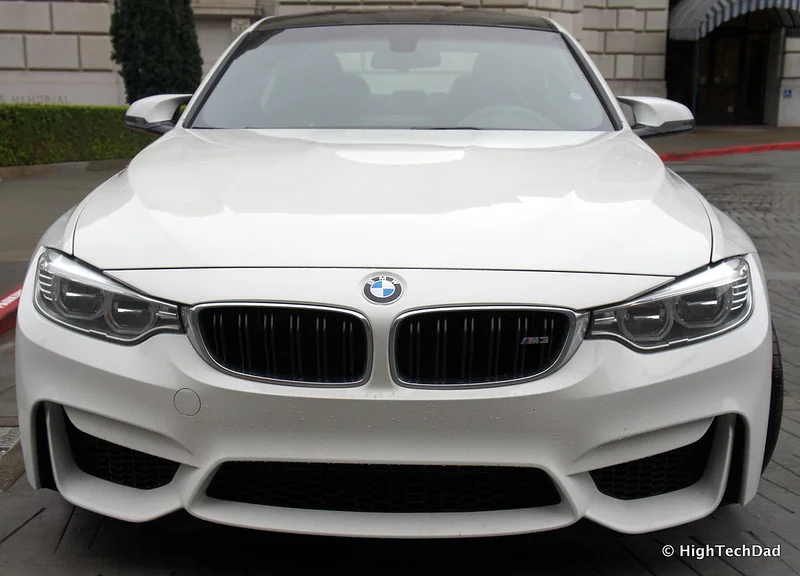
If you want peace of mind, look for M3s from years after major problems were addressed—for example, 2004–2006 E46s with recall paperwork, 2011–2013 E92s with updated bearings, or 2016+ F80s with crank hub upgrades.
—
Credit: www.copilotsearch.com
Cost Of Ownership: What To Expect
Owning any M3 is not cheap, but the “avoid” years are particularly costly. Here’s a quick look at what you might spend yearly.
| Model Year | Estimated Annual Maintenance | Major Repair Risk |
|---|---|---|
| 2001–2006 (E46) | $2,000–$3,000 | High (rod bearings, subframe) |
| 2008–2013 (E90/E92/E93) | $2,500–$4,000 | Very High (rod bearings, actuators) |
| 2015 (F80) | $1,500–$2,500 | Medium (crank hub, turbo) |
Note: These estimates are for well-maintained examples. Neglected cars can cost much more in surprise repairs.
—
Practical Tips For Avoiding Problem M3 Years
If you’re set on buying a used M3, here are some real-world steps to minimize risk:
- Ask for full service history. Never buy an M3 without proof of maintenance and key repairs.
- Get a pre-purchase inspection from a BMW specialist. They can spot subframe cracks, worn bearings, and more.
- Budget for repairs. Even “good” M3s need more care than regular cars.
- Avoid early production years of any new M3 generation. Later years often have fixes applied.
- Join BMW forums and local clubs. Owners share experiences and can recommend trusted mechanics.
- Be wary of heavily modified cars. Aftermarket parts or tunes can add stress and hide existing problems.
—
Two Insights Most Buyers Miss
Many first-time M3 buyers focus on the engine or the price. But two important insights are often missed:
- Chassis and suspension wear is as important as the engine.
The M3’s magic is in its handling, but worn bushings, shocks, or cracks in the subframe can ruin the feel. Always inspect the underside and suspension before buying.
2. Insurance And Registration Can Be Very High.
M3s, especially in problem years, are expensive to insure due to their repair costs and accident rates. Get insurance quotes before you buy so there are no surprises.
—
Should You Ever Buy An M3 From These “avoid” Years?
It’s possible to own a 2001–2006, 2008–2013, or 2015 M3 and have a great experience—but only if you go in with your eyes open. If you find a car with full maintenance records, key problem fixes, and a clean inspection, it can be a bargain compared to newer M3s. But if you skip due diligence, you could face bills that are more than the car’s value.
—
Where To Research Further
If you want to dig deeper, the BMW M3 section of Bimmerfest is a trusted resource with real owner stories and technical guides.
—
Frequently Asked Questions
What Is The Worst Year For The Bmw M3?
The 2008–2013 E90/E92/E93 M3, especially early years, is often considered the worst due to V8 engine problems like rod bearing and throttle actuator failures. Repair costs are high, and reliability is lower than other years.
Is The E46 M3 A Good Used Car To Buy?
The E46 M3 can be a great used car if the rod bearings and rear subframe have been repaired and there are service records. If not, it’s risky and may need expensive repairs soon.
How Can I Check If An M3 Had The Rod Bearing Or Crank Hub Fix?
Ask the seller for service invoices or receipts. Some BMW dealers and shops provide a “rod bearing” or “crank hub” certificate after the work. If there’s no paperwork, assume the repair wasn’t done.
Are M3 Maintenance Costs Higher Than Other Bmws?
Yes, M3 maintenance is usually higher than regular 3 Series BMWs. The engines are more complex, parts are pricier, and they need more frequent specialist care.
Which Bmw M3 Year Is The Most Reliable?
The most reliable M3s are usually 2016–2018 F80 models, after BMW fixed early engine issues. They have fewer known major problems and benefit from updated parts and software.
—
Buying a used BMW M3 is a dream for many, but it pays to do your homework. The years to avoid—2001–2006, 2008–2013, and 2015—aren’t bad cars, but they come with significant risks and costs if not maintained. By focusing on well-documented examples, getting inspections, and understanding what makes certain years troublesome, you can enjoy the M3 experience without unnecessary headaches. Always remember: with high performance comes higher responsibility. Choose wisely, and your M3 can be a source of joy for years to come.

Credit: m.youtube.com